



How to Repair a Damaged Credit Report Impacting My Business Loan?
For over 15 years in the finance industry, specializing in credit and lending, I've seen countless promising businesses hit an insurmountable wall: a damaged credit report. It's a frustrating, often bewildering situation when your entrepreneurial spirit and solid business plan are undermined by past financial missteps, whether personal or business-related.
The pain of a denied business loan due to a less-than-stellar credit report is palpable. It halts growth, stifles innovation, and can leave even the most resilient entrepreneur feeling deflated. You know your business has potential, but the traditional lending landscape often doesn't see past the numbers on a report.
But here's the crucial insight I want to share: a damaged credit report is not a life sentence. In this comprehensive guide, I'll walk you through an actionable, expert-backed framework to systematically repair your credit report, enhance your loan eligibility, and ultimately secure the vital funding your business needs to thrive. We'll explore practical steps, real-world strategies, and insights gleaned from years of navigating complex credit scenarios.
Understanding the Interplay: Personal vs. Business Credit
Before we dive into repair strategies, it's vital to grasp a fundamental concept: the relationship between your personal credit and your business credit. Especially for startups and small businesses, these two are often inextricably linked, particularly in the eyes of lenders.
The Personal Credit Foundation
Your personal credit score (FICO or VantageScore) is often the first thing a lender will look at, especially if your business is young or doesn't have a robust credit history of its own. It reflects your personal financial responsibility – how you've managed mortgages, car loans, and credit cards. A strong personal score signals to lenders that you are a reliable borrower, even if your business is still building its independent profile. Conversely, a poor personal score can significantly hinder your ability to secure a business loan, as lenders often require a personal guarantee.
Establishing Business Credit
Business credit, distinct from personal credit, is tied to your Employer Identification Number (EIN) and reflects your company's financial health. It's built through vendor accounts, business credit cards, and business loans. Establishing strong business credit is crucial for long-term growth, allowing your company to secure larger loans, better terms, and eventually, financing without personal guarantees. However, building it takes time and diligent management.
In my experience, many small business owners mistakenly believe their personal credit doesn't matter once they incorporate. This couldn't be further from the truth. For most traditional lenders, especially for loans under $1 million, both personal and business credit reports are critical pieces of the puzzle.
Your First Step: Obtaining and Scrutinizing Your Credit Reports
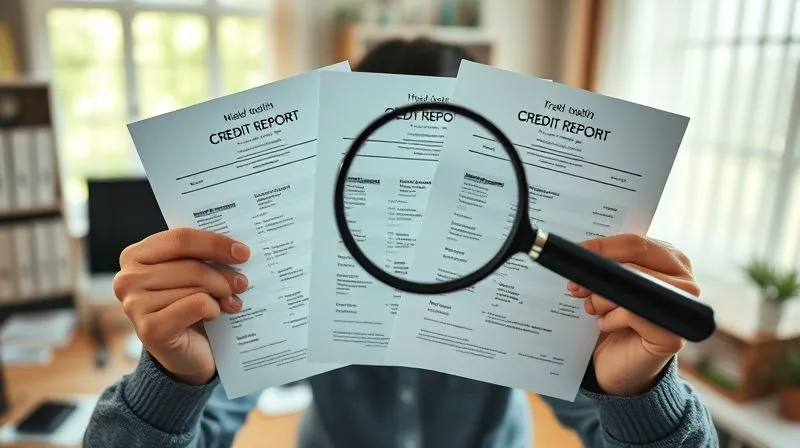
You can't fix what you don't understand. The very first, non-negotiable step in repairing a damaged credit report is to obtain copies of both your personal and business credit reports and meticulously scrutinize every single entry.
Where to Get Your Reports
For personal credit, you're entitled to a free report annually from each of the three major bureaus: Equifax, Experian, and TransUnion, via AnnualCreditReport.com. For business credit, you'll typically need to purchase reports from agencies like Dun & Bradstreet (D&B), Experian Business, and Equifax Business. These are often more detailed and provide scores like the D&B PAYDEX score.
Checking Your Personal Credit Reports
- Download All Three: Get reports from Equifax, Experian, and TransUnion. They might contain different information.
- Verify Personal Information: Ensure your name, address, Social Security number, and employment history are accurate.
- Review Account Details: Check every credit account for accuracy: account numbers, opening dates, credit limits, current balances, and payment history. Look for late payments that you know were on time, or accounts you don't recognize.
- Identify Hard Inquiries: Note any hard inquiries you don't recall authorizing. Too many inquiries can subtly lower your score.
- Scrutinize Public Records and Collections: Look for bankruptcies, judgments, liens, or collection accounts that are incorrect or have been paid off but not updated.
Checking Your Business Credit Reports
- Obtain Reports from Key Bureaus: Focus on Dun & Bradstreet, Experian Business, and Equifax Business.
- Verify Business Information: Confirm your business name, address, phone number, and EIN are correct.
- Review Trade Lines: Check all listed trade accounts (vendor credit, business credit cards) for accurate payment history, credit limits, and balances.
- Examine Public Filings: Ensure any liens, judgments, or UCC filings are correct and up-to-date.
- Look for Unauthorized Accounts: Just like personal credit, ensure all listed accounts belong to your business.
Identifying and Disputing Inaccuracies: The Low-Hanging Fruit
Once you've meticulously reviewed your reports, the next critical step is to identify and dispute any inaccuracies. This is often the quickest way to see an improvement in your credit score, as even minor errors can drag down your overall rating.
Common Credit Report Errors
Errors can range from simple data entry mistakes to identity theft. Common inaccuracies include:
- Incorrect personal or business information: Wrong address, misspelled name, outdated employment.
- Incorrect account status: An account reported as open when it's closed, or a paid collection still showing as unpaid.
- Late payments reported incorrectly: You paid on time, but it's listed as late.
- Duplicate accounts: The same debt listed multiple times.
- Accounts you don't recognize: A clear sign of potential identity theft.
- Incorrect credit limits or balances: These can impact your utilization ratio.
The Dispute Process (Personal Credit)
- Gather Documentation: Collect any evidence supporting your claim (e.g., bank statements, canceled checks, payment confirmations).
- Contact the Credit Bureau: You can dispute online, by mail, or by phone. Written disputes sent via certified mail are often preferred as they provide a paper trail. Clearly state the error and provide your supporting documents.
- Contact the Creditor: Simultaneously, dispute the information directly with the creditor or data furnisher. They are also obligated to investigate.
- Follow Up: The credit bureaus typically have 30 days to investigate and respond. If the information is found to be inaccurate, it must be removed.
The Dispute Process (Business Credit)
- Identify the Reporting Agency: Determine which business credit bureau is reporting the error (D&B, Experian Business, Equifax Business).
- Submit a Formal Dispute: Each bureau has its own process, usually online or by mail. Provide your business's EIN and specific details of the error with supporting documentation.
- Contact the Data Furnisher: Reach out to the vendor or creditor directly to correct the information they reported.
- Monitor for Updates: Business credit disputes can sometimes take longer. Regularly check your reports for corrections.
| Error Type | Potential Impact | Resolution Timeframe |
|---|---|---|
| Incorrect Late Payment | Significant score drop (30-100+ points), higher interest rates | 30-45 days (after dispute) |
| Incorrect Credit Limit | Inflated credit utilization, lower score | 30-45 days (after dispute) |
| Unauthorized Account | Major score drop, fraud risk, debt liability | 30-90+ days (may involve fraud investigation) |
| Outdated Public Record | Negative perception, loan denial | Depends on record type, 30-60 days once resolved with court/agency |
Strategic Debt Management: Reducing Your Credit Utilization
Beyond disputing errors, one of the most impactful ways to quickly improve your credit score, both personal and business, is by strategically managing and reducing your credit utilization ratio. This ratio represents the amount of credit you're using compared to your total available credit.
Understanding Credit Utilization Ratio
For personal credit, keeping your utilization below 30% is generally recommended; below 10% is considered excellent. For business credit, while the exact thresholds can vary, the principle remains the same: lower utilization indicates less risk to lenders. High utilization signals that you might be over-reliant on credit, which can be a red flag for a business loan application.
Strategies to Reduce It
- Pay Down Balances: Focus on paying down the balances on your credit cards and lines of credit. Prioritize those with the highest utilization.
- Make Multiple Payments: Instead of one payment per month, consider making smaller payments throughout the billing cycle. This can keep your reported balance lower, especially if your creditors report to bureaus mid-cycle.
- Request Credit Limit Increases: If your payment history is good, asking for a credit limit increase on existing accounts can lower your utilization ratio, provided you don't increase your spending. Be cautious, as this may involve a hard inquiry.
- Avoid New Debt: While working to lower utilization, resist the urge to open new credit accounts or take on additional debt that would immediately increase your total balances.
The beauty of reducing credit utilization is its relatively quick impact. Unlike payment history, which takes months or years to build, lowering your balances can often boost your score within a billing cycle or two, making it a powerful tool for immediate credit repair.
Building a Positive Payment History: The Cornerstone of Credit Repair
While disputing errors and managing utilization offer quicker wins, the bedrock of a strong credit report, both personal and business, is a consistent and positive payment history. Lenders prioritize borrowers who demonstrate reliability in meeting their financial obligations.
Consistency is Key
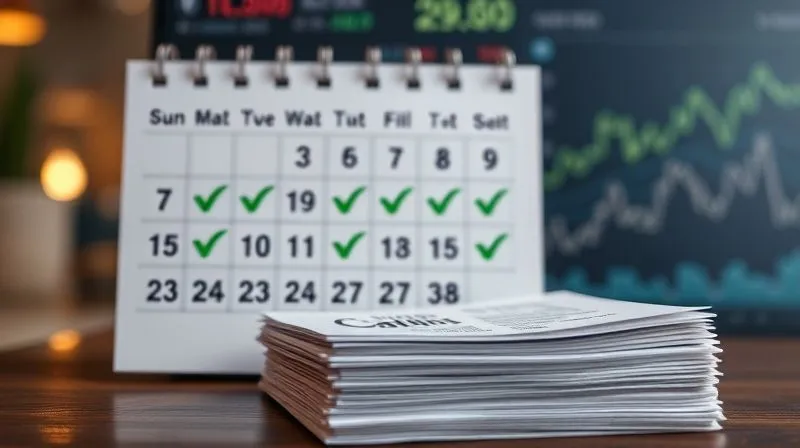
Every single payment, whether on a personal credit card, a business loan, or a vendor account, contributes to your payment history. A single late payment can significantly damage your score, and its negative impact can linger for years. Conversely, a steady stream of on-time payments gradually rebuilds trust and elevates your credit standing.
Strategies for Ensuring Timely Payments
- Automate Payments: Set up automatic payments for all your credit accounts. This eliminates the risk of missing due dates due to oversight.
- Set Reminders: Use digital calendars, smartphone apps, or physical reminders to alert you a few days before each payment is due, giving you time to ensure funds are available.
- Prioritize High-Impact Accounts: While all payments matter, prioritize those that are reported to the major credit bureaus.
- Communicate with Creditors: If you anticipate a difficulty in making a payment, contact your creditor *before* the due date. They may be willing to work with you on a temporary payment plan or deferral, which is far better than a reported late payment.
- Payment Plans for Past Due Accounts: If you have accounts that are already past due, work diligently to bring them current and then maintain on-time payments. Sometimes, creditors will agree to remove a late payment if you bring the account current and maintain good standing for a period.
According to a FICO study, payment history accounts for 35% of your personal credit score – it's the single most important factor. For business credit, timely payments to vendors and lenders are equally paramount in building a strong D&B PAYDEX score or similar ratings.
Diversifying Your Credit Portfolio (Carefully)
Once you've addressed errors, reduced utilization, and established a consistent payment history, the next step in bolstering your credit report for a business loan is to strategically diversify your credit portfolio. This doesn't mean taking on unnecessary debt, but rather demonstrating your ability to manage different types of credit responsibly.
Adding New Credit Lines
A mix of credit types – revolving credit (credit cards, lines of credit) and installment loans (term loans, equipment financing) – can positively impact your score. It shows lenders you're a versatile borrower. For businesses, this might include:
- Secured Business Credit Cards: If unsecured options are tough to get, a secured card can be a stepping stone.
- Vendor Credit (Trade Lines): Accounts with suppliers who report to business credit bureaus are excellent for building business credit.
- Small Business Loans: Even a small, manageable term loan, if paid diligently, can significantly boost your business credit profile.
Strategies for Safe Diversification
- Start Small: Don't open too many accounts at once. A few well-managed accounts are better than many struggling ones.
- Understand Terms: Fully comprehend the interest rates, fees, and repayment terms of any new credit.
- Avoid Hard Inquiries Bunching: Be mindful of how many hard inquiries you generate in a short period. Each new application typically results in a hard inquiry, which can temporarily dip your score.
- Focus on Business-Specific Credit: As your personal credit improves, shift your focus to establishing and building robust business credit, creating a clear separation between your personal and business finances.
Case Study: How Apex Innovations Secured Funding
Apex Innovations, a small tech startup, faced multiple loan rejections due to the founder's personal credit history and the business's limited credit profile. Following my advice, they first disputed several outdated collection accounts on the founder's personal report. Concurrently, they secured a small, secured business credit card and established two net-30 vendor accounts that reported to Dun & Bradstreet. Over 18 months, by making all payments on time and keeping utilization low, their personal FICO score increased by 90 points, and their D&B PAYDEX score reached 75. This demonstrated a clear pattern of responsible financial management, leading to the approval of a $75,000 SBA microloan, which was initially unattainable.
Leveraging Professional Help: Credit Repair Agencies and Financial Advisors
While many credit repair tasks can be handled independently, there are situations where seeking professional help is not just beneficial, but essential. Credit repair agencies and financial advisors can offer specialized expertise, particularly when dealing with complex credit issues or time constraints.
When to Seek External Expertise
Consider professional assistance if:
- You have numerous errors across multiple reports and find the dispute process overwhelming.
- Your credit issues stem from serious events like bankruptcy, foreclosure, or identity theft, requiring specialized knowledge.
- You're short on time and need a streamlined approach to credit repair before applying for a critical business loan.
- You need expert guidance on debt settlement, negotiation with creditors, or legal advice regarding credit reporting laws.
- You need help understanding the nuances of business credit building, which can be more complex than personal credit.

A reputable credit repair service can act as an advocate, handling disputes on your behalf, tracking progress, and advising on strategies. Financial advisors can help you create a comprehensive financial plan that integrates credit repair with your overall business goals. When choosing a service, always research their reputation, check for licensing, and be wary of any promises that sound too good to be true, such as guaranteed score increases or demands for upfront payment for services not yet rendered. The FTC provides guidelines on what to look for in legitimate credit repair services.
Proactive Monitoring and Long-Term Credit Health
Credit repair isn't a one-time event; it's an ongoing commitment to financial health. Once you've repaired your damaged credit report, maintaining its strength is paramount, especially when your business relies on access to capital. Proactive monitoring ensures you catch new issues quickly and sustain your improved standing.
Continuous Vigilance
Regularly checking your credit reports (both personal and business) allows you to:
- Detect new errors or suspicious activity promptly.
- Monitor the impact of your payment strategies.
- Stay informed about changes in your credit profile that might affect future loan applications.
- Identify opportunities for further improvement.

Strategies for Ongoing Monitoring and Health
- Set Up Credit Monitoring Alerts: Many credit bureaus and third-party services offer alerts for significant changes to your credit report.
- Review Reports Annually (or More Often): Continue to obtain your free annual personal credit reports. For business reports, budget to review them at least semi-annually.
- Maintain Low Utilization: Make it a habit to keep your credit card and line of credit balances well below the 30% utilization threshold.
- Consistently Make On-Time Payments: Reinforce the positive payment habits you've built. Automation is your friend here.
- Build Business Credit Independently: Actively seek out vendors who report to business credit bureaus and ensure timely payments. Establish a D&B PAYDEX score of 80+ if possible.
- Manage Business Cash Flow: A strong cash flow enables timely payments and reduces reliance on credit, which in turn supports a healthy credit report.
| Credit Score Factor | Contribution (Personal FICO) | Impact on Business Loan |
|---|---|---|
| Payment History | 35% | Critical; demonstrates reliability |
| Amounts Owed / Utilization | 30% | High; indicates financial strain or discipline |
| Length of Credit History | 15% | Moderate; shows experience with credit |
| New Credit / Inquiries | 10% | Low-Moderate; too many can signal desperation |
| Credit Mix | 10% | Low-Moderate; shows ability to manage different credit types |
As Harvard Business Review often highlights, financial discipline is a cornerstone of business success. Your credit report is a reflection of that discipline, and a strong report opens doors to opportunities.
Frequently Asked Questions (FAQ)
Q: How long does it typically take to repair a damaged credit report enough to qualify for a business loan? The timeline varies significantly based on the extent of the damage. Minor errors can be resolved in 1-3 months. More severe issues, like multiple late payments or collections, might take 6-12 months of diligent effort. Building strong business credit from scratch can take 12-24 months. Patience and consistent effort are key.
Q: Can I get a business loan with bad personal credit if my business credit is good? It depends on the lender and the age of your business. For established businesses with a strong, independent credit history (e.g., a D&B PAYDEX score of 80+ and several years of positive trade lines), it's more feasible. However, for newer businesses, lenders often look at the owner's personal credit as a strong indicator of financial responsibility, sometimes requiring a personal guarantee regardless of business credit strength.
Q: What's the difference between a hard inquiry and a soft inquiry, and how do they impact my credit? A hard inquiry occurs when a lender checks your credit for a loan application, and it can slightly lower your score for a short period (usually a few points for 12-24 months). A soft inquiry, like checking your own credit or a pre-approval check, does not impact your score. Be mindful of hard inquiries when actively seeking new credit.
Q: Should I close old credit accounts once I've paid them off to improve my credit? Generally, no. Closing old accounts can negatively impact your credit by reducing your total available credit (thus increasing your utilization ratio) and shortening your average length of credit history, both of which are factors in your credit score. It's usually better to keep old, paid-off accounts open, especially if they have no annual fees.
Q: Are there specific types of business loans that are more accessible with damaged credit? Yes, some alternative financing options are more forgiving. These include merchant cash advances (though often with high APRs), invoice factoring, equipment financing (where the equipment serves as collateral), and microloans from community development financial institutions (CDFIs) which often have more flexible lending criteria. However, these often come with higher interest rates or less favorable terms compared to traditional bank loans.
Key Takeaways and Final Thoughts
Navigating the world of credit and business financing can feel daunting, especially when past financial challenges cast a long shadow. But as an expert in this field, I want to reinforce that a damaged credit report is a hurdle, not a roadblock, to securing your business loan. The strategies we've discussed are not quick fixes but rather a systematic, disciplined approach to rebuilding your financial foundation.
- Knowledge is Power: Start by meticulously reviewing both personal and business credit reports.
- Be Proactive: Dispute inaccuracies aggressively and manage your credit utilization diligently.
- Consistency Pays Off: Prioritize on-time payments above all else; it's the most impactful factor.
- Strategic Growth: Diversify your credit responsibly and build your business credit independently.
- Don't Go It Alone: Consider professional help for complex issues or if time is of the essence.
- Monitor & Maintain: Credit repair is an ongoing journey of vigilance and good habits.
Remember, every step you take to improve your credit is an investment in your business's future. It demonstrates resilience, financial acumen, and a commitment to long-term success. With persistence and the actionable insights shared here, you can transform your credit report from a barrier into a bridge, opening the doors to the business financing you truly deserve. Your entrepreneurial journey is worth the effort to secure its financial bedrock.
Recommended Reading
- Digital Currency AML: How to Avoid Fines for Non-Compliance Now
- 7 Steps to Verify SDG Impact & Avoid Greenwashing in Ethical Funds
- Facing Student Loan Wage Garnishment? Your 7-Step Action Plan
- Global Economy 2025 Forecasts: How Accurate Are They Really?
- Unlock Financial Freedom: How to Use Software to Conquer Overspending





Comments
Leave a comment below. Your email will not be published. Required fields marked with *