


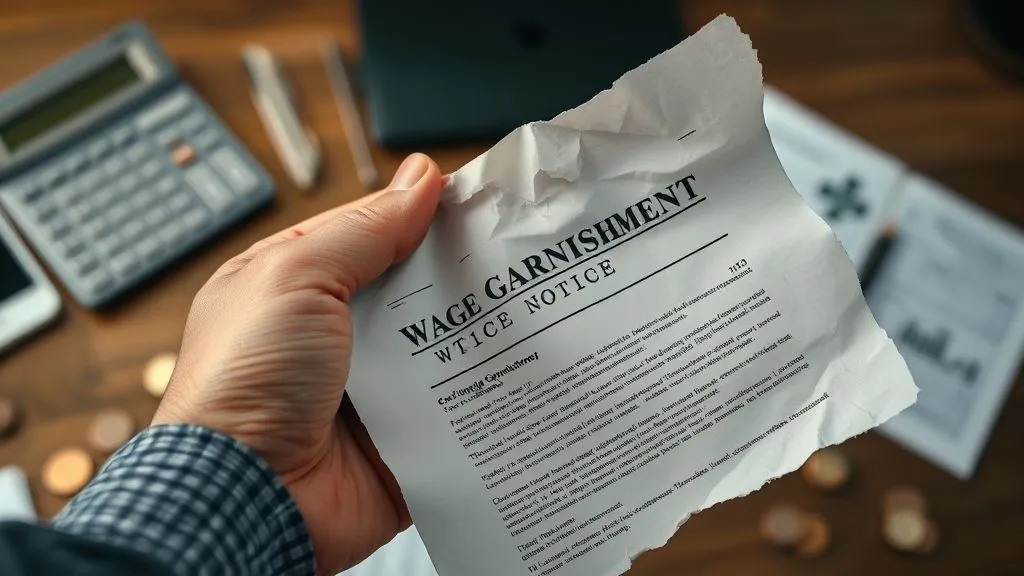
What to do when an employee faces student loan wage garnishment?
For over two decades in the student finance landscape, I've witnessed firsthand the profound impact that student loan debt can have on individuals and their families. While the dream of higher education is powerful, the reality of repayment can sometimes become a nightmare, particularly when it escalates to something as severe as wage garnishment.
The sudden discovery of a wage garnishment notice can be incredibly distressing. It's not just about the money; it’s about the feeling of losing control, the fear of financial instability, and the potential embarrassment. I've spoken with countless employees who felt isolated and helpless, believing there were no options left once their wages were being seized.
But here’s the crucial insight I want to share: wage garnishment, while serious, is not a final destination. It’s a call to action. This comprehensive guide isn't just theory; it's a roadmap built from years of experience helping individuals navigate these complex waters. We'll explore actionable strategies, real-world options, and expert insights to help you understand what to do when an employee faces student loan wage garnishment and, more importantly, how to stop it and regain your financial footing.
Understanding Student Loan Wage Garnishment: Federal vs. Private
Before we dive into solutions, it's vital to understand the beast you're facing. Wage garnishment isn't a monolithic entity; its rules and your options differ significantly depending on whether your loans are federal or private.
Federal student loan wage garnishment, often referred to as Administrative Wage Garnishment (AWG), is a powerful tool used by the U.S. Department of Education or its collection agencies. They don't typically need a court order to begin garnishing your wages, which is a key distinction from most other types of debt collection. They can seize up to 15% of your disposable income. This process usually begins after a significant period of default, typically 270 days past due.
On the other hand, private student loan wage garnishment is a much different animal. Private lenders, unlike the federal government, *must* sue you in court and obtain a judgment against you before they can garnish your wages. This means you’ll receive a summons and have an opportunity to defend yourself in court. The amount they can garnish varies by state law, but it’s often capped at a higher percentage than federal loans, though it also considers disposable earnings.
Understanding this distinction is your first step. It determines who you'll negotiate with, what legal protections apply, and what avenues are open to you for resolution.
Expert Insight: "Many people mistakenly believe all student loan garnishments operate under the same rules. Knowing whether your loan is federal or private is the absolute bedrock of forming an effective counter-strategy."
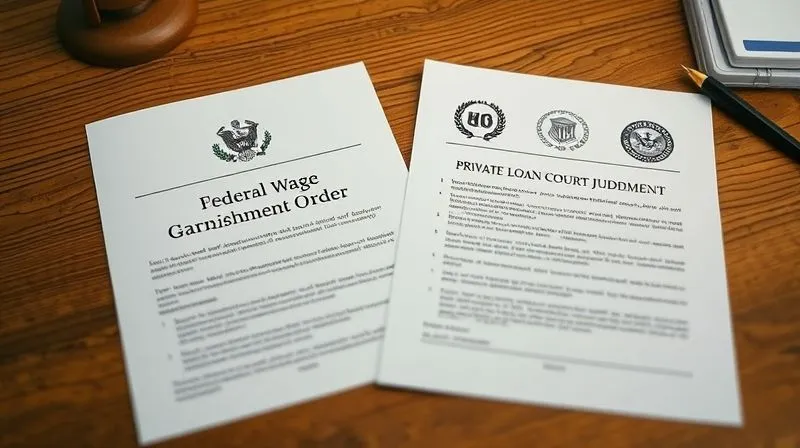
Here’s a quick comparison of the key characteristics:
| Feature | Federal Loans | Private Loans |
|---|---|---|
| Requires Court Order? | No (Administrative Wage Garnishment) | Yes, always |
| Maximum Garnishment (% of Disposable Income) | Up to 15% | Varies by state, often higher (e.g., 25% in some states) |
| Notice Period (before garnishment) | Generally 30 days | Varies, based on court process |
| Primary Recourse Options | Rehabilitation, Consolidation, Compromise, Hearing | Settlement, Bankruptcy (rare), Negotiation |
Immediate Steps Upon Notification: Don't Panic, Act Fast
Receiving a wage garnishment notice can feel like a punch to the gut. Your first instinct might be panic, but I've learned that the most effective response is immediate, measured action. Time is truly of the essence here, as delays can significantly limit your options.
- Verify the Notice: Ensure the notice is legitimate. Check for official letterheads, correct loan numbers, and contact information. Scams exist, so be vigilant. For federal loans, the notice will typically come from the Department of Education or a collection agency acting on its behalf. For private loans, it will be a court order.
- Identify the Loan Type: As discussed, this is critical. Dig out your loan documents or check your credit report to confirm if the loan is federal or private. This will dictate your next steps.
- Contact the Garnishing Entity: Reach out immediately to the entity listed on the notice – whether it's the Department of Education's Debt Resolution Group, a specific collection agency, or the private lender's legal department. Your goal is to understand the full scope of the garnishment, confirm the amount owed, and inquire about immediate relief or payment arrangements.
- Understand Your Rights: You have rights! For federal loans, you generally have the right to request a hearing to dispute the garnishment, often within 30 days of the notice. Grounds for dispute might include that the debt isn't yours, the amount is incorrect, or you've already made arrangements. For private loans, your rights are tied to the court process.
- Inform Your Employer (Strategically): While your employer will receive their own notice, it's wise to proactively inform your HR or payroll department. This shows you're taking responsibility and can help clarify the process for them. They cannot fire you for a single garnishment, though multiple garnishments could lead to issues.
Remember, the goal in these initial moments is information gathering and laying the groundwork for a resolution. Don't commit to anything you don't understand, but do engage.
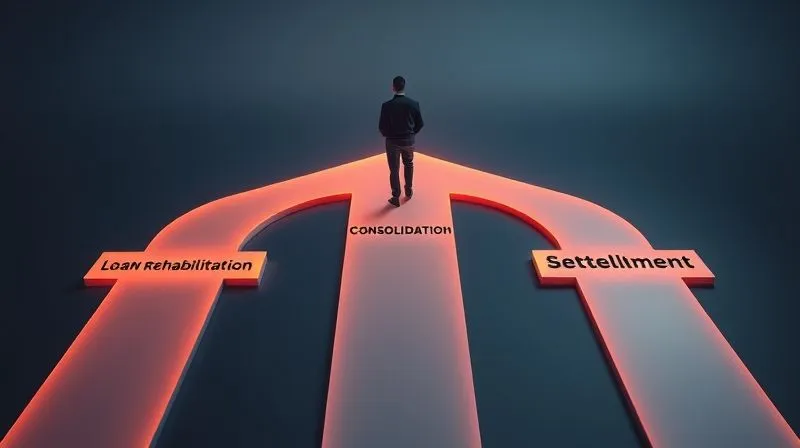
Exploring Your Options: Rehabilitation, Consolidation, and Settlement
Once you’ve taken immediate action, it’s time to explore the avenues available to stop or significantly reduce the garnishment. The best option depends heavily on your loan type and financial situation.
Federal Student Loan Options to Stop Garnishment:
For federal loans, you have powerful tools at your disposal:
- Loan Rehabilitation: This is often the golden ticket. To rehabilitate a defaulted federal loan, you must make nine voluntary, reasonable, and affordable monthly payments within 10 consecutive months. Once successfully completed, the default status is removed from your credit report, the garnishment stops, and you regain eligibility for federal student aid. This is a one-time opportunity per loan.
- Loan Consolidation: You can consolidate defaulted federal student loans into a new Direct Consolidation Loan. This immediately gets your loans out of default and stops the garnishment. To consolidate defaulted loans, you must either agree to repay the new consolidation loan under an Income-Driven Repayment (IDR) plan or make three consecutive, voluntary, on-time, full monthly payments on the defaulted loan before consolidating.
- Voluntary Payment Agreement: Sometimes, simply contacting the collection agency and agreeing to a voluntary payment plan can halt the garnishment, especially if you act quickly before it begins. This is less formal than rehabilitation but can be a temporary stopgap.
- Dispute/Hearing: If you believe the garnishment is unlawful or incorrect, you have the right to request a hearing. Grounds could include mistaken identity, the debt being paid, or an existing repayment agreement.
Private Student Loan Options to Stop Garnishment:
Private loans are trickier, as they lack the federal safety nets:
- Settlement: Your primary leverage here is negotiation. Lenders may be willing to settle for a lump sum less than the full amount owed, especially if you can demonstrate financial hardship or if they believe collecting the full amount will be difficult.
- Bankruptcy: While notoriously difficult, discharging private student loans in bankruptcy *is* possible under the 'undue hardship' standard. This is a high bar and requires proving you cannot maintain a minimal standard of living if forced to repay, that this hardship is likely to persist, and that you've made a good-faith effort to repay. This should be a last resort and requires legal counsel.
- Negotiation for Payment Plan: Even after a judgment, you can still attempt to negotiate a manageable payment plan with the lender or their attorney. They may prefer consistent payments over the hassle of ongoing garnishment.
Negotiating with Your Loan Servicer or Collection Agency
Negotiation is a skill, and when it comes to student loan wage garnishment, it's a critical one. Whether you're dealing with a federal collection agency or a private lender's legal team, your approach matters. I've found that preparation and persistence are your greatest allies.
- Gather Your Financial Documents: Before you call, have everything ready: pay stubs, bank statements, a list of monthly expenses, and any existing repayment agreements. This demonstrates you're serious and prepared to discuss your financial situation honestly.
- Know Your Options (and Their Limitations): Understand what you're asking for. For federal loans, push for rehabilitation or consolidation. For private loans, be ready to propose a settlement amount or a structured payment plan you can realistically afford.
- Be Professional and Persistent: Collection agents are often dealing with difficult situations. Maintain a polite but firm demeanor. Don't be afraid to call back if you don't get a satisfactory answer the first time, or to ask to speak with a supervisor.
- Document Everything: Keep a detailed log of every conversation: date, time, who you spoke with, what was discussed, and any agreements made. Request written confirmation of any agreements. This is crucial if disputes arise later.
- Don't Agree to Unaffordable Terms: It's tempting to agree to anything to stop the garnishment, but committing to payments you can't afford will only lead to further default. Be realistic about your budget.
Case Study: Maria's Federal Loan Rehabilitation Success
Maria, a client I advised, faced federal student loan wage garnishment of 15% of her take-home pay. She was distraught, as this severely impacted her ability to cover basic living expenses. After reviewing her finances, we determined she qualified for a rehabilitation program with a payment as low as $50 per month based on her income. Initially, the collection agency pushed for a higher amount, but with her detailed budget and my guidance on emphasizing the 'reasonable and affordable' standard, she secured the lower payment. After 9 consecutive payments, the garnishment stopped, her default was cleared, and she was able to enroll in an Income-Driven Repayment plan, providing long-term stability. This demonstrated the power of knowing your rights and persistent negotiation.
According to the Consumer Financial Protection Bureau (CFPB), consumers who actively engage with their servicers often find more favorable outcomes than those who ignore the problem. Don't underestimate your ability to negotiate.
The Role of Your Employer: What They Can (and Can't) Do
When a wage garnishment notice lands on your employer's desk, it creates an administrative burden for them. Understanding their role and responsibilities can help you manage the situation professionally.
- Employer's Legal Obligation: Once an employer receives a legitimate wage garnishment order (whether administrative or court-ordered), they are legally obligated to comply. Failure to do so can result in penalties for the employer. They are not allowed to ignore it.
- No Retaliation: Federal law (specifically the Consumer Credit Protection Act, CCPA) protects employees from being fired for a single wage garnishment. However, this protection doesn't extend to multiple garnishments for separate debts. State laws may offer additional protections.
- Information Sharing: Your employer will typically inform you that they've received a garnishment order. They may also provide information on how the garnishment will be calculated and implemented.
- Limited Involvement: Your employer's role is primarily administrative – to deduct the specified amount and remit it to the garnishing entity. They generally cannot intervene in the underlying debt issue, negotiate on your behalf, or advise you on legal strategies.
It's important to approach your HR or payroll department with respect and understanding for their position. Provide them with any official documentation you receive regarding a halt to garnishment or a new payment plan promptly. Clear communication can prevent misunderstandings and ensure the garnishment process is handled correctly.
Expert Insight: "Your employer is not your adversary in this situation. They are a mandated third party. Treat them as such, and focus your efforts on resolving the debt directly with the garnishing entity."
Legal Recourse and Seeking Professional Help
While many situations can be resolved through direct negotiation or federal programs, there are times when legal expertise becomes indispensable. Knowing when to seek professional help is a sign of strength, not weakness.
- When to Consider Legal Counsel:
- Private Loan Garnishment: If you're facing a lawsuit for a private student loan, a lawyer specializing in debt defense can be invaluable. They can help you challenge the lawsuit, negotiate a settlement, or guide you through bankruptcy if necessary.
- Disputing Federal Garnishment: If you believe the federal garnishment is based on incorrect information, identity theft, or you haven't received proper notice, an attorney can help you prepare and present your case for a hearing.
- Complex Financial Situations: If you have multiple debts, other legal issues, or a particularly challenging financial hardship, a consumer law attorney or a bankruptcy attorney can offer a holistic strategy.
- Finding the Right Professional:
- Look for attorneys specializing in consumer debt, student loans, or bankruptcy.
- Check with your state bar association for referrals.
- Organizations like the National Association of Consumer Advocates (NACA) or the National Association of Consumer Bankruptcy Attorneys (NACBA) can also be resources.
Legal fees can be a concern, but many attorneys offer free initial consultations. Weigh the potential cost of legal assistance against the long-term financial implications of an ongoing wage garnishment. Sometimes, a well-placed legal letter or a single court appearance can save you thousands in the long run.
Preventing Future Garnishment: Long-Term Strategies
Stopping an active wage garnishment is an immediate victory, but the ultimate goal is to prevent it from ever happening again. This requires a commitment to proactive financial management and understanding your repayment options.
- Enroll in Income-Driven Repayment (IDR) Plans (Federal Loans): For federal student loans, IDR plans are a game-changer. These plans adjust your monthly payment based on your income and family size, potentially reducing your payment to $0 if your income is low enough. This keeps you out of default and on track for eventual loan forgiveness (after 20 or 25 years of payments).
- Create and Stick to a Budget: This is fundamental. Understand where every dollar goes. A realistic budget helps you prioritize loan payments and avoid missing them. Many free budgeting apps and templates are available.
- Build an Emergency Fund: Life happens. A small emergency fund (even $1,000 to start) can be the buffer that prevents you from missing a loan payment when an unexpected expense arises.
- Communicate with Your Servicer: If you anticipate financial difficulty, *do not wait* until you miss a payment. Contact your loan servicer immediately. They can discuss options like deferment, forbearance, or changing your repayment plan *before* you default.
- Consider Refinancing (Private Loans): If you have private student loans and your credit score has improved, or interest rates have dropped, refinancing could lower your monthly payment or interest rate, making payments more manageable. Be cautious, as refinancing federal loans into private ones means losing federal protections.
As the U.S. Department of Education frequently emphasizes, staying in communication with your loan servicer is the single most important step to avoid default and garnishment. Don't let fear prevent you from exploring solutions.

Financial Planning During and After Garnishment
Navigating wage garnishment requires not only addressing the immediate crisis but also developing a robust financial plan for the present and future. This is where holistic financial health comes into play.
During Garnishment:
- Re-evaluate Your Budget: With a portion of your income now diverted, your existing budget is likely obsolete. Create a new, leaner budget that accounts for the garnishment. Identify non-essential expenses you can temporarily cut back on.
- Prioritize Essential Needs: Ensure your basic needs (housing, food, utilities, transportation, healthcare) are met first. This might mean making difficult choices, but it's crucial for stability.
- Seek Financial Counseling: Non-profit credit counseling agencies can provide personalized advice on budgeting, debt management, and navigating financial hardship. Organizations like the National Foundation for Credit Counseling (NFCC) offer valuable resources.
- Explore Additional Income: If possible, consider temporary side gigs or part-time work to offset the lost income. This isn't always feasible but can provide critical relief.
After Garnishment Stops:
Once the garnishment is lifted, congratulations! But the work isn't over. This is your opportunity to rebuild and strengthen your financial foundation.
| Action | Benefit | Priority |
|---|---|---|
| Rebuild Emergency Fund | Provides a buffer for unexpected expenses, prevents future missed payments. | High |
| Review & Adjust Repayment Plan | Ensure you're on the most affordable plan for your current income (e.g., IDR for federal loans). | High |
| Improve Credit Score | Garnishment impacts credit. Focus on on-time payments, reducing other debts. | Medium |
| Increase Savings/Investments | Build long-term wealth and financial security. | Medium |
This period is a chance for a fresh start. Take the lessons learned from the garnishment experience and apply them to build a more resilient financial future. As Forbes often highlights, financial literacy and proactive planning are key to long-term stability.
Frequently Asked Questions (FAQ)
Can private student loans garnish wages without a court order? No. Unlike federal student loans, private lenders must sue you in court and obtain a judgment against you before they can legally garnish your wages. If you receive a garnishment notice for a private loan without a prior court judgment, it's likely unlawful, and you should seek legal counsel immediately.
How long does student loan wage garnishment last? For federal student loans, wage garnishment typically continues until the debt is paid in full, you successfully complete a loan rehabilitation program, or you consolidate the defaulted loan into a new Direct Consolidation Loan. For private loans, it lasts until the judgment is satisfied or a new payment agreement is reached with the lender. There isn't a fixed time limit; it's tied to the resolution of the debt.
Can an employee be fired for student loan wage garnishment? Under federal law (Consumer Credit Protection Act), an employer cannot fire you for a single wage garnishment. However, if you have multiple garnishments from different creditors, this protection may not apply. State laws can offer additional protections. It's crucial to understand your rights and communicate proactively with your employer.
What if I can't afford the garnishment payments? If your federal student loan garnishment is causing severe financial hardship, you can request an administrative hearing to challenge the garnishment amount or request a reduction based on your ability to pay. For private loans, you'd need to negotiate with the lender or their attorney, potentially demonstrating hardship to reduce the payment or settle the debt. Ignoring the garnishment is not an option; proactive communication is key.
Is bankruptcy an option for student loans? Discharging student loans (both federal and private) in bankruptcy is notoriously difficult but not impossible. You must prove 'undue hardship' through the Brunner test or a similar standard in your jurisdiction. This is a high legal bar, requiring you to demonstrate that you cannot maintain a minimal standard of living, that this hardship will persist, and that you've made good-faith efforts to repay. It should be considered a last resort and requires experienced legal counsel.
Key Takeaways and Final Thoughts
Facing student loan wage garnishment is undoubtedly a challenging experience, but it’s a problem with solutions. As an experienced industry specialist, I've seen that the most successful outcomes arise from informed, proactive, and persistent action.
- Act Immediately: Time is critical. Verify the garnishment, identify the loan type, and contact the garnishing entity without delay.
- Know Your Options: Federal loans offer rehabilitation and consolidation; private loans require negotiation and potentially legal action. Understand the distinct paths.
- Negotiate Strategically: Be prepared with your financial documents, know what you're asking for, and document every interaction.
- Leverage Your Rights: You have rights, whether it's the right to a hearing for federal loans or legal defense for private loans.
- Plan for the Future: Implement long-term strategies like Income-Driven Repayment, budgeting, and emergency funds to prevent recurrence.
Remember, this isn't a battle you have to fight alone. Resources, from loan servicers to legal aid and financial counselors, are available to help you navigate this complex situation. Take a deep breath, empower yourself with the knowledge in this guide, and embark on the path to financial stability. You have the power to regain control of your finances and move past this challenging chapter.
Recommended Reading
- Mastering Social Security: 7 Steps for Your Retirement Decumulation Plan
- The Ultimate Guide: How to Rebuild Finances After Overcoming Debt
- Unlock Free Education: What Non-Repayable Funding Exists for Students?
- 5 Strategies to Reconcile Conflicting Global Economic Forecasts for Your Portfolio
- The Ultimate Guide: How to Protect Your Wealth from Inflation and Taxes





Comments
Leave a comment below. Your email will not be published. Required fields marked with *