



Fix Annual Credit Report Errors Impacting Professional Loan Approval?
For over 15 years in the financial advisory space, I've witnessed firsthand the profound impact a seemingly minor administrative error can have on a professional's career trajectory and financial aspirations. I recall a brilliant surgeon, on the cusp of securing a substantial loan to expand his practice, only to have his application inexplicably stalled. The culprit? An erroneous late payment reported on his credit file from a long-closed account, a ghost from his past that threatened to derail years of meticulous planning and hard work.
This isn't an isolated incident. Professionals – doctors, lawyers, engineers, consultants – often operate under immense pressure, with their financial decisions carrying significant weight. A professional loan isn't just about personal gain; it's about investing in a practice, securing essential equipment, or expanding a business that serves a community. When an unverified or incorrect entry on an annual credit report stands between you and your professional ambitions, it's not merely an inconvenience; it's a critical barrier demanding immediate, expert attention. The stakes are incredibly high, and the frustration is palpable when your hard-earned reputation is undermined by data inaccuracies.
In this definitive guide, I will walk you through a proven, actionable framework designed to help you not just identify, but effectively fix annual credit report errors impacting professional loan approval?. We'll delve into the nuances of credit reporting, equip you with the tools to meticulously review your reports, craft compelling disputes, and ultimately, safeguard your financial future. My goal is to empower you with the knowledge and strategies to navigate this complex landscape with confidence and precision, ensuring your professional aspirations are never held hostage by clerical mistakes.
The Silent Saboteur: Why Credit Report Errors Matter for Professionals
In the world of professional finance, your credit report isn't just a record; it's a narrative. It tells lenders a story about your financial responsibility, reliability, and risk profile. For professionals seeking substantial loans – perhaps for a new medical practice, a law firm expansion, or critical equipment acquisition – this narrative is under intense scrutiny. A single misstep, or worse, an error, can completely alter the story, leading to higher interest rates, stricter terms, or outright loan denial. I’ve seen countless highly qualified individuals face unnecessary hurdles simply because their credit report didn't accurately reflect their financial diligence.
The High Stakes of Professional Loans
Unlike personal loans, professional loans often involve significant capital. They are the lifeblood of growth and innovation within specialized fields. Securing a loan for practice expansion, purchasing commercial real estate, or investing in state-of-the-art technology can be a make-or-break moment for a professional venture. Lenders view these applications through a very specific lens, where creditworthiness is paramount. Any derogatory mark, even an incorrect one, signals a potential risk that lenders are often unwilling to take, especially in a competitive lending environment.
Common Credit Report Culprits
Errors on credit reports aren't always malicious; sometimes they're simply mistakes. However, their impact can be just as damaging as intentional fraud. Common culprits include: outdated information, such as accounts that have been paid off but still show a balance; identity theft, where fraudulent accounts are opened in your name; clerical errors, like incorrect payment dates or transposed account numbers; and even mixed files, where your information gets commingled with someone else's. The sheer volume of data processed by credit bureaus makes these errors unfortunately common, yet undeniably impactful.
"Vigilance over your financial data is not merely a recommendation for professionals; it's a strategic imperative. Your credit report is a living document, and its accuracy directly correlates with your access to crucial capital."
Understanding these common pitfalls is the first step toward proactive defense. It's about recognizing that your financial reputation is continuously being evaluated, and you are its primary guardian.
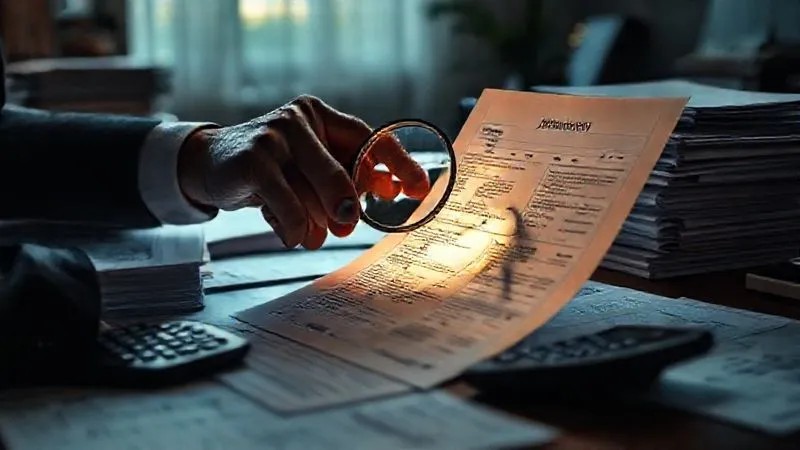
Unmasking the Discrepancies: Your Annual Credit Report Review Process
The cornerstone of fixing any credit report error is a thorough, systematic review. Many professionals mistakenly believe their credit reports are automatically flawless, or they simply don't have the time to scrutinize them. This oversight is precisely where problems fester. The law grants you the right to a free credit report from each of the three major credit bureaus – Equifax, Experian, and TransUnion – once every 12 months. This isn't just a right; it's a critical financial health check you cannot afford to skip, especially when professional loan approval is on the horizon.
Accessing Your Free Annual Reports
The only official, federally authorized source for your free annual credit reports is AnnualCreditReport.com. Beware of other sites that claim to offer "free" reports but may actually be selling credit monitoring services. Using the official site ensures you get accurate information without unwanted subscriptions.
Here’s a streamlined process I recommend to ensure you don't miss anything:
- Request All Three Reports Simultaneously: While you can space out your requests, obtaining all three reports (from Equifax, Experian, and TransUnion) at the same time allows for direct comparison. Discrepancies between reports are often the clearest indicators of an error.
- Print and Highlight: Print out each report. A physical copy makes it easier to mark and highlight potential errors. Don't rely solely on digital viewing.
- Compare Line by Line: Lay the three reports side-by-side. Look for inconsistencies in account numbers, balances, payment histories, dates, and personal information across all three.
- Verify Personal Information: Check your name, address, Social Security number, and date of birth. Even a minor typo here can indicate a mixed file.
- Scrutinize Account Information: For every account listed – credit cards, mortgages, car loans, student loans – verify the account number, credit limit, current balance, payment history, and account status (open, closed, paid in full). Pay close attention to late payments or collections that you don't recognize.
- Look for Unauthorized Accounts: This is crucial for detecting identity theft. Any account you don't recognize, or inquiries from lenders you didn't apply to, are major red flags.
This meticulous review might seem time-consuming, but consider it an investment. It's far less time-consuming than dealing with a denied loan application or the protracted battle to clear your name after a professional opportunity has passed.
Identifying the Red Flags: What to Look For and Document
Knowing what specific types of errors to look for is paramount. It’s not enough to just glance over your report; you need to understand the nuances that can derail your professional lending prospects. Lenders are particularly sensitive to certain types of derogatory marks, and even minor inaccuracies can have a disproportionate impact on their risk assessment.
Types of Errors
- Incorrect Personal Information: Mismatched names, addresses, or Social Security numbers can lead to mixed files.
- Accounts You Don't Recognize: A clear sign of potential identity theft, these can severely damage your credit.
- Incorrect Account Status: An account you paid off still showing as open or delinquent, or a closed account incorrectly showing activity.
- Late Payments: Payments you made on time incorrectly reported as late. This is particularly damaging.
- Incorrect Balances or Credit Limits: These can negatively impact your credit utilization ratio, a key factor in your score.
- Duplicate Accounts: The same account listed multiple times, potentially skewing your overall debt picture.
- Incorrect Public Records: Outdated bankruptcies, foreclosures, or tax liens that should have been removed.
- Unauthorized Hard Inquiries: Inquiries from lenders you didn't authorize, which can slightly lower your score.
When you identify a potential error, document everything. Keep a detailed log of dates, times, who you spoke with, and what was discussed. Gather any supporting documents: payment receipts, bank statements, canceled checks, or correspondence from creditors. This evidence will be invaluable during the dispute process. According to the Consumer Financial Protection Bureau (CFPB), providing strong evidence significantly increases the likelihood of a successful dispute.
| Error Type | Impact on Loan Approval | Evidence Needed |
|---|---|---|
| Incorrect Late Payment | High - Signals payment instability | Bank statements, payment confirmations |
| Unauthorized Account | Very High - Points to identity fraud/high risk | Police report, affidavit of identity theft |
| Incorrect Balance/Limit | Medium - Affects credit utilization ratio | Account statements, payoff letters |
| Mixed File (Personal Info) | High - Creates confusion, delays | Proof of identity, official documents |
Crafting Your Dispute: A Step-by-Step Guide to Correction
Once you've identified errors and gathered your evidence, the next critical step is to formally dispute them. This process must be handled meticulously, as any misstep can prolong the resolution or even lead to an unfavorable outcome. Remember, the goal is not just to point out the error, but to provide irrefutable proof that compels the credit bureaus and creditors to correct their records. This is where your diligent documentation pays off immensely.
Gathering Your Evidence
Before initiating contact, ensure your evidence is organized and comprehensive. This includes:
- Copies of the credit report(s) with the error highlighted.
- Bank statements, canceled checks, or payment confirmations proving on-time payments.
- Official letters or statements from creditors confirming account status or balances.
- Police reports or fraud affidavits if identity theft is involved.
- Any communication logs detailing previous attempts to resolve the issue.
Do not send original documents; always send copies. Keep your originals in a secure location.
Here’s the process I advise for effective dispute resolution:
- Dispute with the Credit Bureau: You can dispute online, by mail, or by phone. I strongly recommend disputing by certified mail with return receipt requested. This provides a paper trail. Clearly state which item(s) on your report are inaccurate, why they are inaccurate, and include copies of your supporting documents. Send a separate letter to each bureau reporting the error.
- Dispute with the Creditor (Optional but Recommended): Even though you've notified the credit bureau, it's often beneficial to contact the creditor directly. They are required to investigate and report back to you and the credit bureaus. Use certified mail here too. Sometimes, a direct conversation with the creditor's disputes department can expedite resolution, especially for complex issues.
- Follow Up and Monitor: By law, credit bureaus must investigate your dispute within 30 days (45 days if you submitted additional information during the 30-day period). They will contact the creditor, who then verifies the information. Monitor your mail for responses. If the investigation concludes the information is inaccurate or cannot be verified, the item must be removed or corrected.
- Review New Reports: After the 30-45 day period, request new copies of your credit reports to ensure the errors have been corrected. If not, be prepared to re-dispute or escalate the issue.
"The dispute process is a marathon, not a sprint. Patience, persistence, and meticulous documentation are your most valuable assets. Don't be discouraged by initial setbacks; every step forward is progress towards a cleaner report."
Case Study: Dr. Anya Sharma's Practice Expansion Saved by Diligent Dispute
Dr. Anya Sharma, an optometrist, was seeking a $500,000 loan to open a second clinic. Her initial application was met with skepticism due to a 60-day late payment reported by a utility company from three years prior. Dr. Sharma was certain she had paid on time. Following my recommended process, she requested all three credit reports, identified the specific erroneous entry, and found her bank statements clearly showing the payment was made on time. She meticulously drafted dispute letters, including copies of her bank statements and a log of her calls to the utility company, sending them via certified mail to all three bureaus and the utility provider. Within 40 days, the late payment was removed from her reports. With a clean credit profile, her loan was approved, allowing her to expand her practice and serve a wider community. Her diligence in disputing this single error directly led to her professional success.
Beyond the Dispute: Monitoring and Maintaining a Pristine Credit Profile
Correcting errors is a significant achievement, but it's not the end of the journey. Maintaining a pristine credit profile requires ongoing vigilance and proactive management. For professionals, whose access to capital is often tied to their creditworthiness, this means establishing habits that safeguard their financial reputation against future inaccuracies and potential threats. It's about building a robust financial foundation that supports your long-term professional goals.
Setting Up Credit Monitoring Alerts
Once you’ve cleared your reports, consider subscribing to a credit monitoring service. Many credit card companies and banks offer free basic monitoring that alerts you to significant changes, such as new accounts opened in your name, large balance changes, or hard inquiries. While not a replacement for annual report reviews, these alerts act as an early warning system, allowing you to quickly identify and address potential issues before they escalate and impact your ability to fix annual credit report errors impacting professional loan approval?.
Understanding Your Credit Score
Your credit score is a numerical representation of the information in your credit report. While disputing errors focuses on the report itself, understanding how your score is calculated empowers you to make better financial decisions. The two most common scoring models are FICO and VantageScore. Both models consider factors like payment history, amounts owed, length of credit history, new credit, and credit mix. A higher score translates to better loan terms. You can learn more about how FICO scores are calculated and what factors influence them at MyFICO.com.

Rebuilding Trust: Strategies After Correction and Beyond
A successfully corrected credit report is a fresh start, but it’s crucial to understand that lenders look beyond just the absence of errors. They seek a pattern of responsible financial behavior. Rebuilding and maintaining trust with lenders involves consistent, disciplined actions that demonstrate your reliability. This proactive approach ensures that when you next apply for a professional loan, your credit profile not only passes scrutiny but actively strengthens your application.
Timelines and Expectations Post-Dispute
Even after an error is removed, it can take some time for your credit score to fully rebound, as scoring models may have a slight delay in reflecting changes. Be patient. Continue to monitor your reports for a few months to ensure the error does not reappear. Also, be aware that while the credit bureaus are legally required to remove unverified information, the original creditor might still hold a record of the disputed item. It’s rare, but sometimes old issues can resurface if not completely resolved at the source.
Proactive Steps for Credit Health
Beyond simply correcting errors, cultivate habits that foster a strong credit profile:
- Always Pay on Time: Payment history is the most significant factor in your credit score. Set up automatic payments to avoid missing due dates.
- Keep Credit Utilization Low: Aim to use no more than 30% of your available credit on revolving accounts (credit cards). Lower is always better.
- Maintain a Diverse Credit Mix: A healthy mix of revolving credit (credit cards) and installment loans (mortgage, car loan) can be beneficial, but only if managed responsibly.
- Avoid Opening Too Many New Accounts: Each new hard inquiry can temporarily ding your score. Only apply for credit when genuinely needed.
- Review Your Reports Regularly: Make it an annual habit to pull all three reports, even if you have monitoring services.
As Forbes Advisor often highlights, consistent positive financial behavior is the most powerful tool for long-term credit health. It's a testament to your financial discipline and foresight.
Preparing for Professional Loan Approval: A Holistic Approach
With your credit report clean and your credit health optimized, you're in a much stronger position to approach lenders for professional loan approval. However, a strong credit report is just one piece of the puzzle. Lenders, especially for substantial professional loans, assess your entire financial picture. Adopting a holistic approach ensures you present the most compelling case possible, maximizing your chances of securing favorable terms.
Understanding Lender Perspectives
Lenders are primarily concerned with risk. They want to see a clear path to repayment. Beyond your credit score, they will evaluate your business plan (if applicable), cash flow projections, existing debt-to-income ratio, collateral, and overall financial stability. For professionals, this often includes an assessment of your practice's profitability, patient/client base, and industry outlook. A clean credit report opens the door, but a well-prepared financial narrative seals the deal.
The Importance of a Strong Overall Financial Picture
Before applying, ensure all your financial ducks are in a row. This means having:
- Robust Financial Statements: Up-to-date balance sheets, income statements, and cash flow statements.
- A Solid Business Plan: Clearly articulate your purpose for the loan, how it will generate revenue, and your repayment strategy.
- Sufficient Collateral: Be prepared to offer assets as security for larger loans.
- Low Debt-to-Income Ratio: Demonstrates your ability to handle additional debt.
Ultimately, your goal is to present yourself as an ideal borrower – reliable, responsible, and low-risk. By meticulously addressing and resolving any issues that could fix annual credit report errors impacting professional loan approval?, you’re not just fixing a number; you're actively building a future where your professional ambitions are supported by impeccable financial standing. This diligence positions you not just for approval, but for the best possible terms, saving you potentially thousands over the life of the loan.

Frequently Asked Questions (FAQ)
How long does it typically take to fix credit report errors? By law, credit bureaus must investigate and respond to your dispute within 30-45 days. However, the entire process, including gathering evidence, sending letters, and re-checking reports, can sometimes take 2-3 months, especially if you need to re-dispute or escalate. Persistence is key.
Can I dispute errors without professional help or a credit repair company? Absolutely. The Fair Credit Reporting Act (FCRA) empowers you to dispute errors yourself for free. Credit repair companies can be helpful for complex cases or if you lack time, but many charge significant fees for services you can perform independently. My advice is always to try the DIY approach first.
What if the credit bureau denies my dispute? If your dispute is denied, you have several options. First, review their reasoning carefully. You can re-dispute with additional evidence. You can also file a complaint with the Consumer Financial Protection Bureau (CFPB) or your state's Attorney General. In some cases, you might consider legal action, especially if the error is substantial and demonstrably incorrect.
How often should I check my credit report? While you're entitled to one free report from each bureau annually via AnnualCreditReport.com, I recommend staggering your requests (e.g., Experian in January, Equifax in May, TransUnion in September) to monitor your credit throughout the year. Additionally, utilize free credit monitoring services offered by many banks or credit card companies for ongoing alerts.
Does checking my own credit report hurt my credit score? No, checking your own credit report (a "soft inquiry") does not impact your credit score. Only "hard inquiries," which occur when a lender checks your credit for a loan application, can slightly lower your score for a short period. Regularly reviewing your reports is a smart financial practice.
Key Takeaways and Final Thoughts
Navigating the complexities of credit reports and ensuring their accuracy is not just a financial task; it's a strategic imperative for any professional aiming for significant loan approval. My years in this field have repeatedly shown that diligence in this area directly translates to greater financial freedom and opportunities. Let's recap the most critical actions:
- Proactive Review: Make annual checks of all three credit reports a non-negotiable part of your financial routine.
- Meticulous Documentation: Every potential error needs strong, verifiable evidence to support your dispute.
- Strategic Disputing: Follow the formal dispute process with both credit bureaus and creditors, always keeping a paper trail.
- Continuous Monitoring: Utilize credit monitoring tools to catch new issues before they escalate.
- Holistic Financial Health: Remember that a clean credit report is part of a larger, robust financial picture that lenders evaluate.
Don't let an oversight or an error on a piece of paper dictate your professional trajectory. Take control of your financial narrative. By applying the strategies I've outlined, you're not just correcting a mistake; you're investing in your professional future, ensuring that when the time comes for that crucial loan, your credit report stands as a testament to your reliability, not a barrier to your ambitions. Your financial power lies in your ability to manage your credit effectively – seize it, and unlock your full potential.
Recommended Reading
- Evict Non-Paying Tenants: 7 Legal Steps for Swift, Error-Free Resolution
- The Ultimate Guide: How to Financially Prepare for Rental Property Vacancies
- Shielding Clients: 7 Defenses Against Sophisticated AI Voice Phishing Scams
- Unearthing Profits: 7 Keys to Avoiding Hidden Land Liabilities
- Should You Buy Your Home Through an LLC? 5 Key Asset Protection Insights





Comments
Leave a comment below. Your email will not be published. Required fields marked with *