



How to protect emerging market portfolios from sudden political coups?
For over two decades in the intricate world of global finance, I've witnessed firsthand the exhilarating highs and devastating lows that characterize investments in emerging markets. I've seen promising ventures crumble overnight, not due to market cycles or poor management, but because of an unforeseen, seismic political event: a sudden coup.
This isn't just a theoretical risk; it's a stark reality that can decimate portfolio value, halt projects, and leave investors reeling. The allure of higher growth in emerging economies often comes hand-in-hand with heightened geopolitical instability, creating a unique challenge for those seeking alpha in these vibrant but volatile regions.
In this definitive guide, I will share my accumulated insights and actionable frameworks designed to fortify your emerging market portfolios against the specter of sudden political coups. We'll explore strategic diversification, advanced due diligence, tactical asset allocation, and innovative risk mitigation tools, all aimed at helping you navigate these turbulent waters with greater resilience and confidence.
Understanding the Geopolitical Landscape: Why Emerging Markets are Vulnerable
To truly understand how to protect emerging market portfolios from sudden political coups, we must first grasp the inherent vulnerabilities. Emerging markets, by definition, are economies in a transitional stage, often characterized by developing political institutions, nascent legal frameworks, and socioeconomic disparities.
These factors can create fertile ground for instability. While mature economies typically have robust systems for peaceful transitions of power, many emerging nations lack such entrenched norms. This structural fragility means that political dissatisfaction, economic hardship, or even external pressures can escalate rapidly into civil unrest, protests, and ultimately, attempts to seize power.
I've observed that the primary drivers of political instability often include:
- Economic Inequality: Widening gaps between rich and poor can fuel resentment and social upheaval.
- Weak Governance: Corruption, lack of transparency, and ineffective rule of law erode public trust.
- Ethnic and Religious Divides: Deep-seated historical conflicts can easily be ignited by political opportunists.
- Resource Dependence: Economies heavily reliant on a single commodity (e.g., oil, minerals) are vulnerable to price shocks, leading to economic distress and political unrest.
- External Interference: Geopolitical rivalries can sometimes play out within emerging nations, destabilizing local politics.
Understanding these underlying currents is the foundational step in building a resilient investment strategy. It's about looking beyond the GDP growth numbers and into the societal fabric.
The First Line of Defense: Strategic Diversification Beyond Borders
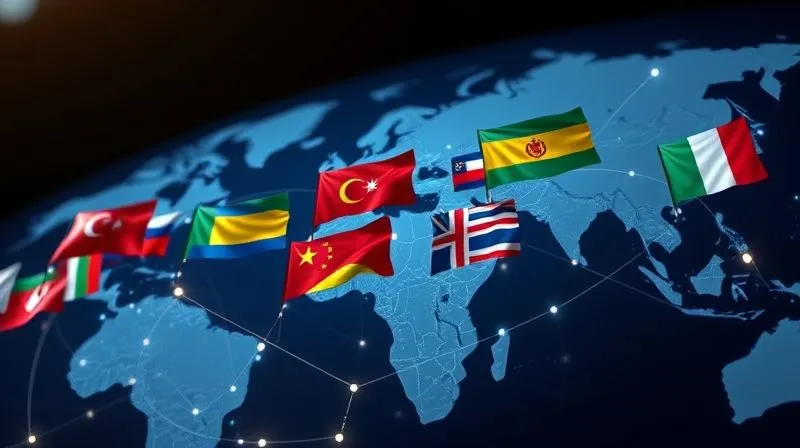
Diversification is the bedrock of any sound investment strategy, but in emerging markets, it takes on an even more critical dimension. I'm not just talking about diversifying across sectors; I mean diversifying geographically, across asset classes, and even currencies to truly protect your portfolio.
A common mistake I've seen is investors being overly concentrated in a single, high-growth emerging market. While the returns can be spectacular during calm periods, this approach becomes a single point of failure when political storms hit. As the World Bank's insights on emerging markets often highlight, growth trajectories can be highly uneven and susceptible to domestic shocks.
Geographic and Sectoral Diversification
1. Spread your geographical bets: Instead of putting all your capital into one or two countries, allocate across a wide range of emerging markets, ideally those with differing political systems and economic drivers. For instance, balance investments in Latin America with those in Southeast Asia and parts of Africa. A coup in one nation won't then sink your entire EM allocation.
2. Diversify across sectors: Within each country, ensure your investments aren't concentrated in sectors highly susceptible to political interference, such as state-owned enterprises or industries with heavy regulatory burdens. Look for resilient sectors like technology, consumer staples, or healthcare, which often demonstrate more stable demand even during periods of political flux.
Currency Hedging Strategies
Political coups often trigger immediate and severe currency devaluations as capital flees the country. Protecting your portfolio means considering currency risk.
- Forward Contracts and Options: These financial instruments allow you to lock in an exchange rate for a future transaction or give you the right (but not the obligation) to buy or sell a currency at a specific rate. They can be invaluable for hedging against sudden currency drops.
- Diversify Currency Holdings: Hold a portion of your emerging market assets in more stable, reserve currencies like the USD, EUR, or JPY. This can be done through global funds or by directly converting some profits.
- Local Currency Bonds (with caution): While local currency bonds can offer higher yields, they also carry significant currency risk. If you venture into these, ensure they are part of a highly diversified basket and that you have a clear hedging strategy in place.
Deep Dive Due Diligence: Beyond the Balance Sheet
Traditional financial due diligence is crucial, but it's insufficient when assessing emerging market risks. To truly understand how to protect emerging market portfolios from sudden political coups, you must conduct a deeper, more nuanced form of due diligence that scrutinizes the political and governance landscape. I often tell my clients: 'The numbers tell you *what* happened, but the politics tell you *why* it might happen again.'
Assessing Political Risk Metrics
This goes beyond simply checking a country's risk rating from a major agency. While those are a good starting point, you need to dig deeper.
- Analyze Political Stability Indices: Look at trends in government effectiveness, regulatory quality, rule of law, and control of corruption over time. Are they improving or deteriorating?
- Monitor Social Cohesion Indicators: Data on income inequality (Gini coefficient), ethnic/religious tensions, and freedom of expression can signal underlying societal fragilities that could lead to unrest.
- Evaluate Succession Risks: In many emerging markets, power is highly concentrated. What is the succession plan? How stable is the ruling elite? The departure of a long-standing leader can be a major destabilizing event.
- Assess Geopolitical Alignment: Understand a country's relationships with regional powers and global blocs. Is it a pawn in a larger game? External pressures can exacerbate internal tensions. Geopolitical analysis from the Council on Foreign Relations provides excellent context here.
Understanding Governance Structures
The strength and independence of institutions are paramount. I've seen many investors focus solely on charismatic leaders, only to be blindsided when those leaders are removed.
"In emerging markets, institutions are your true safeguards, not individuals. Strong institutions provide predictability, even amidst political shifts."
Focus on:
- Judicial Independence: Can courts enforce contracts and protect property rights, even against government interests?
- Central Bank Autonomy: Is the central bank genuinely independent, or is it a political tool? Its independence is crucial for currency stability.
- Military Professionalism: Is the military highly politicized, or does it adhere to a professional, apolitical role? A politicized military is a red flag for coup risk.
- Transparency and Anti-Corruption Measures: Look for tangible efforts to combat corruption, not just rhetoric. Corruption breeds inefficiency and can lead to public outrage.
To illustrate the varying risk profiles, consider this comparative table:
| Country | Political Stability Index (0-10) | Economic Growth Forecast | Key Risk Factors |
|---|---|---|---|
| Brazil | 5.5 | 2.8% | Corruption, populist movements |
| Vietnam | 7.0 | 6.5% | Geopolitical tensions, state control |
| Nigeria | 4.0 | 3.2% | Ethnic conflict, governance issues, oil price volatility |
| Chile | 6.8 | 2.0% | Social unrest, constitutional reform |
Implementing Dynamic Asset Allocation and Tactical Shifts
Static portfolios are ill-suited for the volatility of emerging markets. My experience has taught me the critical importance of a dynamic approach, where you're prepared to make tactical shifts based on evolving political and economic signals. This isn't about panic selling, but rather about proactive adjustments.
Monitoring Early Warning Indicators
The key to dynamic allocation is robust monitoring. Coups rarely happen without some precursor. I recommend creating a dashboard of key indicators:
- Social Media Sentiment: Track public discourse and protests. Spikes in anti-government sentiment online can be an early indicator of unrest.
- Local News and Dissident Voices: Pay attention to independent media and opposition groups, whose narratives might differ significantly from state-controlled outlets.
- Capital Flight Data: Sudden, unexplained outflows of capital can signal a loss of investor confidence and impending crisis.
- Military Movements/Leadership Changes: Any unusual activity within the armed forces or sudden reshuffles in key military positions should raise a red flag.
- Bond Yield Spreads: Widening spreads on sovereign bonds indicate increased perceived risk by the market.

Liquidity Management in Volatile Environments
When instability hits, liquidity dries up fast. Your ability to reallocate or exit positions depends on how liquid your holdings are. Prioritize investments in companies and funds that offer reasonable liquidity, even if it means sacrificing some potential return during stable times. Consider holding a higher cash reserve or highly liquid, internationally diversified assets within your emerging market allocation, ready to deploy or protect as needed. This allows you to either buy distressed assets at a discount after a crisis or exit rapidly if the situation deteriorates beyond your risk tolerance.
The Role of Derivatives and Insurance in Portfolio Protection
Beyond traditional diversification, sophisticated investors can leverage financial instruments specifically designed to hedge against political risks. These are not for the faint of heart, but in my experience, they can provide crucial layers of protection when structured correctly.
Utilizing Options and Futures
While often associated with speculation, options and futures can be powerful hedging tools:
- Currency Options/Futures: As discussed earlier, these can protect against currency depreciation, a common consequence of political instability.
- Index Options/Futures: If you invest in broad emerging market indices, purchasing put options on these indices can provide downside protection. If a regional political crisis causes a widespread market downturn, your puts could increase in value, offsetting losses in your underlying portfolio.
- Commodity Futures: For investments in resource-rich emerging markets, hedging against commodity price drops (which can be triggered by political instability or global demand shocks) can be vital.
These instruments require a deep understanding of their mechanics and risks, and should only be used by experienced investors or with the guidance of specialized advisors.
Political Risk Insurance: A Niche but Powerful Tool
This is often overlooked by portfolio investors but is highly relevant for direct investments or significant equity stakes. Political Risk Insurance (PRI) provides coverage against specific political perils, such as:
- Expropriation: Government seizure of assets.
- Political Violence: Damage from war, civil strife, terrorism, or coups.
- Currency Inconvertibility/Transfer Risk: Inability to convert local currency into hard currency or transfer it out of the country.
- Breach of Contract: Government default on sovereign guarantees or specific agreements.
While typically used by corporations, some specialized funds or large institutional investors might consider PRI for significant holdings in high-risk jurisdictions. Leading providers like Aon or Marsh offer bespoke political risk insurance solutions. It's a cost, but one that can prevent catastrophic losses.
Engaging with Local Expertise and On-the-Ground Intelligence
No amount of data analysis from a distance can replace genuine on-the-ground intelligence. This is a lesson I learned early in my career: the best insights often come from those living and working within the market. To truly know how to protect emerging market portfolios from sudden political coups, you need local ears and eyes.
Building Local Networks
Cultivate relationships with:
- Local Business Leaders: They have an intimate understanding of the operating environment and political currents.
- Independent Analysts and Journalists: These individuals often have insights into underlying social and political dynamics that are not reported by mainstream or state-controlled media.
- NGOs and Civil Society Groups: They can provide valuable perspectives on social grievances and community sentiment.
- Former Government Officials: Their historical perspective on political maneuvering can be invaluable.
These networks provide qualitative data, nuances, and early warnings that quantitative models might miss. They can help you interpret subtle shifts in the political climate before they become front-page news.
Leveraging International Organizations
Organizations like the IMF, World Bank, and various UN agencies often have extensive presences in emerging markets. Their staff are deeply embedded and possess a wealth of knowledge on economic, social, and political stability. While their public reports are valuable, direct engagement (where possible) or careful reading between the lines of their detailed assessments can offer additional insights into potential flashpoints.
Case Study: Navigating Instability in "Veridia"
How Global Alpha Fund Mitigated a Coup in Veridia
In 2018, the Global Alpha Fund (GAF) had a significant allocation to Veridia, a fast-growing Southeast Asian nation. Veridia had enjoyed a decade of stable, albeit authoritarian, rule. GAF's deep dive due diligence, however, flagged increasing social media chatter about rising youth unemployment and a growing disconnect between the ruling elite and the populace, despite strong GDP numbers.
Their local network of analysts reported a subtle but noticeable increase in military presence in the capital, alongside rumors of internal power struggles within the ruling party. While no official warnings were issued, GAF's team saw these as critical early indicators. They began a tactical reallocation, gradually reducing their exposure to Veridian equities, particularly those tied to government contracts or state-owned enterprises.
They also initiated currency hedging strategies for their remaining Veridian assets, purchasing put options on the Veridian Dinar. Two months later, a sudden military coup overthrew the government. The stock market plummeted by 40%, and the Dinar devalued by 25% within days. GAF's portfolio, thanks to its proactive de-risking and hedging, suffered only a 12% loss on its Veridian allocation, significantly outperforming peers who saw losses exceeding 35%. This allowed GAF to later re-enter the market at distressed valuations when stability began to return.
Common Pitfalls and How to Avoid Them
Even with the best strategies, investors can fall prey to common errors when navigating emerging markets. I've seen these mistakes repeated, often with costly consequences:
- Over-reliance on Historical Data: Past stability is no guarantee of future peace. Emerging markets are dynamic; what was true five years ago might be irrelevant today.
- Ignoring Local Nuances: Treating all emerging markets as a monolithic block is a recipe for disaster. Each country has its unique political economy, culture, and risk profile.
- Emotional Investing: Panic selling during a crisis or chasing hype during boom times can lead to poor decisions. Stick to your risk management framework.
- Insufficient Liquidity Planning: Being stuck in illiquid assets when you need to exit can turn a downturn into a catastrophe.
- Neglecting Currency Risk: Focusing solely on equity performance without hedging currency exposure leaves a major vulnerability open.
- Underestimating the Speed of Change: Political events in emerging markets can unfold with alarming speed. Your response needs to be agile.
Avoiding these pitfalls requires discipline, continuous learning, and a commitment to a robust, adaptable investment process. The Financial Times coverage of emerging market trends often provides excellent real-world examples of these challenges.
Frequently Asked Questions (FAQ)
Question: Is it ever advisable to invest in an emerging market with known political instability? Yes, but with extreme caution and a highly sophisticated strategy. Some investors specialize in 'distressed' or 'frontier' markets, seeking outsized returns from mispriced assets in volatile environments. However, this requires superior local intelligence, deep pockets, and an ironclad risk management framework. For most investors, it’s best to avoid markets with high and escalating instability.
Question: How quickly can a political coup impact my portfolio? Almost instantaneously. Markets react to uncertainty. As soon as news of a coup or significant political unrest breaks, stock markets can halt trading, currency values can plummet, and capital controls might be imposed. Your ability to liquidate assets can be severely restricted within hours. This underscores the need for proactive risk mitigation.
Question: What role do ESG factors play in mitigating political coup risk? ESG (Environmental, Social, Governance) factors are increasingly relevant. Strong governance (the 'G' in ESG) directly correlates with political stability. Companies with transparent operations, ethical leadership, and good relations with local communities are often more resilient to political shifts and less likely to be targeted by new regimes. Social factors, like fair labor practices, can also reduce the likelihood of social unrest impacting a company directly.
Question: Should I completely avoid emerging markets due to these risks? Absolutely not. Emerging markets offer unparalleled growth opportunities and diversification benefits that are hard to replicate in developed markets. The key isn't avoidance, but intelligent engagement. By understanding the risks and implementing robust protection strategies, you can harness the potential of these markets while safeguarding your capital. The IMF's World Economic Outlook consistently points to emerging markets as key drivers of global growth.
Question: How do I choose a reliable local partner for intelligence? This is critical. Look for partners with a long track record, deep community ties, and a reputation for independence and integrity. Vetting is essential: check references, ask for case studies, and ensure their incentives align with yours. Sometimes, engaging a specialized political risk consultancy firm with local offices can be a more robust solution than relying on an individual.
Key Takeaways and Final Thoughts
Navigating the complex and often unpredictable landscape of emerging markets requires more than just financial acumen; it demands a deep understanding of geopolitical dynamics and a proactive approach to risk management. The question of how to protect emerging market portfolios from sudden political coups is not a simple one, but it has actionable answers.
- Diversify Aggressively: Spread your investments across geographies, sectors, currencies, and even asset classes.
- Conduct Enhanced Due Diligence: Look beyond financial statements to assess political stability, governance quality, and social cohesion.
- Implement Dynamic Allocation: Monitor early warning indicators and be prepared to make tactical shifts in your portfolio.
- Utilize Advanced Tools: Explore currency hedging, index options, and even political risk insurance for added layers of protection.
- Leverage Local Expertise: Build strong networks for on-the-ground intelligence that quantitative models cannot provide.
Investing in emerging markets is a journey of calculated risks and significant rewards. While the threat of sudden political coups is real, it doesn't have to be a deterrent. By embracing these expert-level strategies and maintaining a disciplined, informed approach, you can build a more resilient portfolio, capable of weathering political storms and capturing the immense growth opportunities that these dynamic economies offer. Stay vigilant, stay informed, and invest wisely.
Recommended Reading
- 5 Steps: Reconciling Fiduciary Duty with Sustainable Investments
- 7 Proven Steps: How to Identify Greenwashing in Ethical Funds for Clients
- Budgeting Basics: Common Budget Categories for Young Adults
- Budgeting for Erratic Income: 7 Proven Strategies for Small Business Owners to Save
- Philanthropic Legacies: 7 Steps to Prevent Future Family Conflict





Comments
Leave a comment below. Your email will not be published. Required fields marked with *