



How to Hedge Against Geopolitical Commodity Price Volatility?
For over two decades in global finance, I've witnessed firsthand the devastating impact geopolitical tremors can have on commodity markets. From oil shocks to trade wars, the ripple effects are rarely contained, often catching even seasoned investors and businesses off guard.
The unpredictability of global politics, whether it's a conflict erupting in a key resource region or a sudden shift in trade policy, creates a volatile environment where commodity prices can swing wildly. This isn't just a concern for large corporations; it impacts everyone from manufacturers relying on raw materials to everyday consumers facing higher prices at the pump or grocery store. The challenge lies in safeguarding your assets and operations against these sudden, often irrational, market movements.
But here's the crucial insight: while you can't control geopolitics, you can absolutely implement robust strategies to mitigate its financial fallout. In this definitive guide, I'll share my proven frameworks and actionable tactics, derived from years of navigating these turbulent waters, to effectively hedge against geopolitical commodity price volatility. We'll explore practical steps, real-world examples, and expert-backed approaches to build resilience into your financial strategy.
1. Understanding the Geopolitical-Commodity Nexus
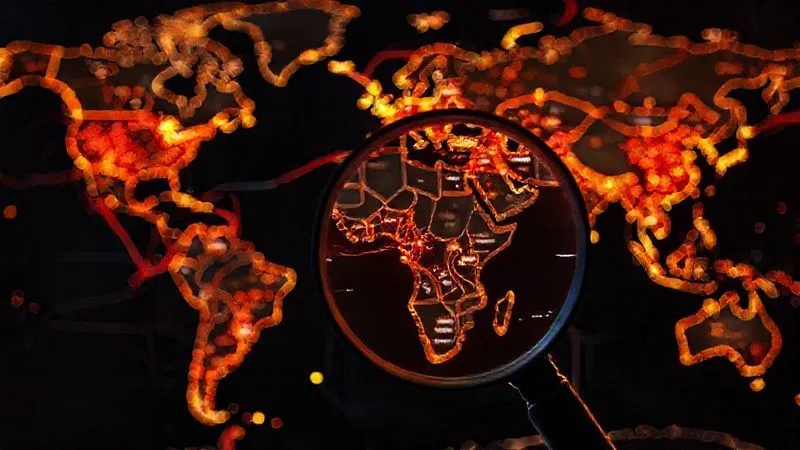
Before we can hedge, we must understand the intricate dance between global politics and commodity markets. Geopolitical events don't just create headlines; they directly impact supply chains, demand patterns, and the very cost of extraction and transportation of raw materials.
The Interconnected Web of Risk
Consider the Suez Canal blockage, the Russia-Ukraine conflict, or trade disputes between major economic powers. Each event, while distinct, sends shockwaves through specific commodity markets – crude oil, natural gas, wheat, rare earth minerals – due to disruptions in production, transit routes, or policy-driven demand shifts. Understanding these linkages is the first step in identifying your vulnerabilities.
The market doesn't price in 'what is'; it prices in 'what might be', and geopolitics is the ultimate 'what might be'. Proactive anticipation is your best defense.
In my experience, many businesses focus too narrowly on market fundamentals and overlook the broader geopolitical landscape. This oversight can be catastrophic when a non-economic event suddenly upends established supply-demand dynamics.
2. The Foundation: Robust Risk Assessment and Scenario Planning
Effective hedging begins long before a crisis erupts. It starts with a comprehensive risk assessment, identifying potential geopolitical flashpoints and their specific implications for your commodity exposure. This proactive approach allows you to develop tailored responses.
Identifying Key Geopolitical Drivers
I advise clients to categorize risks, moving beyond generic 'geopolitical risk' to specific drivers. These include:
- Political Instability: Coups, civil unrest, or regime changes in producer nations.
- Trade Disputes & Sanctions: Tariffs, embargoes, or export/import restrictions.
- Resource Nationalism: Government policies aimed at increasing national control over natural resources.
- Environmental Policy Shifts: New regulations impacting production or consumption of certain commodities.
- Technological Disruptions: Innovations that could alter demand for traditional commodities or create new ones.
Once identified, the next step is scenario planning. What if a major oil-producing region faces conflict? What if a key supplier of rare metals implements export restrictions? By modeling these scenarios, you can quantify potential financial impacts and pre-plan hedging strategies.
| Risk Factor | Potential Impact | Probability (High/Medium/Low) | Mitigation Strategy |
|---|---|---|---|
| Regional Conflict (e.g., Middle East) | Oil/Gas supply disruption, price spike | Medium | Diversify energy suppliers, long-term futures contracts |
| Major Trade Sanctions (e.g., Russia/China) | Supply chain bottlenecks, raw material scarcity | Medium | Inventory build-up, alternative sourcing, currency hedging |
| Resource Nationalism (e.g., Lithium in South America) | Low export volumes, price hikes, expropriation risk | Low | Invest in multiple regions, political risk insurance, long-term off-take agreements |
3. Leveraging Derivatives: Futures and Options for Price Protection
When it comes to direct financial hedging, derivatives are your most potent tools. Futures and options contracts allow you to lock in prices or protect against adverse movements without needing to take physical delivery of the commodity.
Mastering Futures Contracts
Futures contracts are agreements to buy or sell a specific quantity of a commodity at a predetermined price on a future date. They are standardized and traded on exchanges like the CME Group. Here's a simplified approach to using them:
- Identify Exposure: Pinpoint the specific commodity price risk you face (e.g., the cost of crude oil for a transport company, or aluminum for a beverage manufacturer).
- Determine Hedge Ratio: Calculate the amount of commodity you need to hedge based on your anticipated usage or production over a specific period.
- Select Contract: Choose the appropriate futures contract based on the commodity, delivery month, and exchange.
- Execute Trade: If you're a buyer fearing price increases, you'd buy futures contracts (a long hedge). If you're a seller fearing price decreases, you'd sell futures contracts (a short hedge). This locks in your purchase or selling price.
- Monitor & Adjust: Regularly review market conditions, your inventory levels, and roll over contracts as expiry approaches to maintain your hedge.
Strategic Use of Options Contracts
Options offer more flexibility than futures, as they provide the *right*, but not the obligation, to buy or sell a commodity at a specific price (the strike price) before a certain date. You pay a premium for this right.
Futures lock in a price, options lock in a maximum price or a minimum price, offering flexibility for a premium. This flexibility is invaluable in highly uncertain geopolitical climates.
For a buyer concerned about rising prices, purchasing a call option sets a maximum purchase price. If market prices rise above the strike, you exercise your option; if they fall, you let it expire and buy at the lower market price. For a seller concerned about falling prices, purchasing a put option sets a minimum selling price. This strategy allows you to participate in favorable price movements while limiting your downside risk.

4. Diversification Beyond Borders: Geographical and Asset Class Spreading
While derivatives are powerful, a holistic hedging strategy extends beyond financial instruments. Diversification, both geographically and across asset classes, can significantly reduce your exposure to localized geopolitical risks.
Geographic Supply Chain Diversification
Relying on a single country or region for critical raw materials is a recipe for disaster in a geopolitically volatile world. I've consistently advised companies to cultivate a diverse network of suppliers across different political jurisdictions. This might involve higher initial setup costs but provides immense resilience when one region becomes unstable. Think about the strategic importance of diversifying rare earth mineral sources away from a single dominant supplier, for instance.
Cross-Asset Hedging: Currencies and Equities
Geopolitical events often trigger currency fluctuations, which can profoundly impact commodity prices. If your commodity purchases are denominated in a foreign currency, hedging your currency exposure through forward contracts or options can be a crucial layer of protection. Furthermore, consider how certain equity investments might act as an indirect hedge. For example, if you're exposed to rising oil prices, investing in airlines (which benefit from lower oil prices) could offer some balance to your portfolio, as suggested by analyses from institutions like the International Monetary Fund.
5. Physical Hedging and Inventory Management
Sometimes, the simplest solutions are the most effective. Physical hedging involves tangible actions you can take with the commodity itself, offering a direct buffer against supply disruptions and price spikes.
Strategic Stockpiling and Forward Contracts
For critical raw materials with stable storage conditions, maintaining a strategic inventory buffer can be an effective short-term hedge. This allows you to draw from your stock during periods of price volatility or supply chain disruption, buying you time to find alternative sources or await market stabilization. However, this strategy comes with carrying costs and obsolescence risks. Complementing this, direct forward contracts with suppliers allow you to lock in a price for future physical delivery, often tailored to your specific needs and quantities, unlike standardized futures contracts.
Case Study: Global Manufacturer's Resilience
Acme Corp, a mid-sized electronics manufacturer, faced a significant challenge in 2022 when geopolitical tensions threatened the supply of a critical rare earth mineral from its primary source country. Historically, Acme Corp had relied heavily on this single, cost-effective supplier. However, following a comprehensive risk assessment I guided them through, they had proactively diversified their supplier base across three different continents over the preceding two years. They also implemented a policy of maintaining a 90-day inventory buffer for this specific mineral. When the geopolitical disruption hit, Acme Corp was able to seamlessly pivot to its secondary and tertiary suppliers, and draw from its strategic inventory. This multi-pronged approach meant they avoided production halts and mitigated the impact of soaring spot market prices, while many competitors faced severe shortages and significantly higher costs. This resulted in maintaining market share and avoiding millions in potential losses.
6. Insurance and Specialized Financial Instruments
For certain types of geopolitical risks, traditional financial hedges might not suffice. This is where specialized insurance products and less common financial instruments come into play, offering targeted protection.
Political Risk Insurance
Political risk insurance (PRI) is designed to protect companies and investors against losses caused by specific political events in foreign countries. This can include expropriation (when a government seizes assets), currency inconvertibility (inability to convert local currency to foreign currency), political violence (war, terrorism, civil unrest), or breach of contract by a government. Companies like AIG offer such policies. While often expensive, PRI can be indispensable for investments in politically unstable regions or for critical supply chain nodes that are highly susceptible to government interference.
Commodity-Linked Bonds and ETFs
For investors looking for indirect ways to hedge or gain exposure, commodity-linked bonds or Exchange Traded Funds (ETFs) can be useful. Commodity-linked bonds derive their returns from the performance of an underlying commodity index, while ETFs offer diversified exposure to baskets of commodities. While not direct hedges for specific physical commodity exposures, they can act as a portfolio hedge against broader inflation driven by commodity price surges, which often accompany geopolitical instability.
| Hedging Method | Pros | Cons |
|---|---|---|
| Futures Contracts | Direct price lock, high liquidity (for major commodities), low transaction costs | Margin calls, requires active management, basis risk |
| Options Contracts | Price protection with upside potential, limited downside risk (premium paid) | Premium cost, complex strategies, time decay |
| Diversified Supply Chain | Reduces single-point-of-failure risk, enhances operational resilience | Higher logistical costs, requires extensive vendor management, potential quality control issues |
| Political Risk Insurance | Protects against specific geopolitical events, covers non-market risks | High premiums, specific exclusions, not for market volatility |
7. Continuous Monitoring and Adaptive Strategies
The global geopolitical landscape is a dynamic, ever-evolving entity. A hedging strategy that is effective today might be obsolete tomorrow. Therefore, continuous monitoring and an adaptive approach are paramount.
The Role of Geopolitical Intelligence
Subscribing to high-quality geopolitical intelligence services and analyses from reputable institutions like Chatham House or the Council on Foreign Relations is not a luxury, but a necessity. These services provide early warnings of potential flashpoints, allowing you to adjust your hedges proactively. Integrating AI-driven analytics for trend prediction and sentiment analysis can further enhance your foresight, moving beyond reactive measures to predictive risk management.
Building an Agile Hedging Framework
Your hedging strategy should not be a static document but a living framework. Regularly review your exposures, the effectiveness of your existing hedges, and the evolving geopolitical risks. Be prepared to adjust contract sizes, shift between different hedging instruments, or even alter your supply chain strategy based on new information. This agility is what truly distinguishes resilient organizations from those caught flat-footed.
In the ever-shifting landscape of global geopolitics, static hedging is no hedging at all. Agility, continuous learning, and a willingness to adapt are your greatest assets in navigating commodity price volatility.
I've seen countless companies fail because they implemented a hedging strategy once and then assumed it would hold indefinitely. The most successful businesses treat hedging as an ongoing, iterative process, deeply integrated into their overall risk management framework.

Frequently Asked Questions (FAQ)
Question: Is hedging only for large corporations, or can smaller businesses benefit too?
Answer: No, even small to medium-sized enterprises (SMEs) with significant commodity exposure can benefit immensely. The scale and complexity of hedging instruments may differ, but the principles of risk identification and mitigation are universal. For smaller players, simpler instruments like direct forward contracts with suppliers or basic commodity ETFs might be more accessible and appropriate than complex derivatives. The key is to understand your specific exposure and find a proportionate solution.
Question: What is "basis risk" in commodity hedging, and how can it impact my strategy?
Answer: Basis risk is the risk that the price of the physical commodity you are hedging and the price of the futures contract you are using do not move in perfect correlation. The "basis" is the difference between the spot price of the physical commodity and the futures price. If the basis changes unexpectedly during your hedging period, your hedge may not perfectly offset your physical market exposure, leading to unexpected gains or losses. It's a critical consideration, particularly for commodities with less liquid futures markets or highly localized physical markets.
Question: How do I choose between futures and options for hedging my commodity price volatility?
Answer: The choice depends on your risk tolerance and market outlook. Futures offer a direct price lock, providing certainty but also requiring margin and potentially missing out on favorable price movements. Options, particularly put options for buyers or call options for sellers, offer protection against adverse price movements while retaining the ability to benefit if prices move favorably, but at the cost of a premium. Options are generally preferred when you want flexibility, have an optimistic outlook, but still need downside protection. I often recommend a combination of both for a balanced approach.
Question: Can geopolitical hedging be truly effective given the inherent unpredictability of global events?
Answer: While 100% predictability is impossible, effective geopolitical hedging isn't about eliminating all risk, but about managing its impact. By diversifying, using derivatives, securing insurance, and maintaining robust intelligence, you significantly reduce your vulnerability. It's about building resilience and ensuring that unexpected geopolitical events don't derail your entire operation or investment portfolio. Think of it as wearing a seatbelt – it doesn't prevent accidents, but it dramatically reduces the severity of their impact.
Question: What role does long-term strategic planning play in hedging against short-term volatility?
Answer: Long-term strategic planning is absolutely fundamental. While hedging instruments address short-term price volatility, a robust long-term strategy involves fundamental decisions like diversifying supply chains, investing in multiple production geographies, fostering strong supplier relationships, and even exploring vertical integration. These structural changes reduce inherent exposure to geopolitical risks, making short-term hedging efforts more effective and less critical. It's about building an inherently more resilient business model from the ground up.
Key Takeaways and Final Thoughts
Navigating the turbulent waters of geopolitical commodity price volatility requires more than just reactive measures; it demands a proactive, multi-faceted strategy built on experience, expertise, and continuous adaptation. To effectively hedge against geopolitical commodity price volatility, remember these critical takeaways:
- Proactive Risk Assessment: Understand your specific exposures to geopolitical commodity price volatility through rigorous scenario planning.
- Strategic Diversification: Spread your risks across geographies, suppliers, and even asset classes to reduce single points of failure.
- Leverage Derivatives Wisely: Utilize futures and options contracts strategically to lock in prices or protect against adverse market movements.
- Consider Physical & Insurance Options: Implement strategic inventory management and explore political risk insurance for targeted protection against non-market risks.
- Embrace Agility: Continuously monitor the global landscape with high-quality intelligence and adapt your hedging strategies to remain effective.
In a world increasingly shaped by geopolitical currents, the ability to effectively hedge against commodity price volatility isn't just a financial tactic; it's a strategic imperative for survival and sustained growth. As an experienced hand in this arena, I urge you to view these strategies not as an expense, but as an investment in your resilience. By adopting a proactive, multi-faceted approach, informed by insights from organizations like the World Economic Forum, you can navigate the inevitable turbulence, transform uncertainty into opportunity, and secure your financial future.
Recommended Reading
- Unlock Profit: How AI Financial Automation Benefits Your Small Business
- Insufficient Early Retirement Savings? 7 Expert Steps to Recalibrate
- 7 Crucial Steps: Navigating Evolving AML/KYC for Digital Lending Platforms
- 7 Urgent Strategies: How Professionals Replenish Depleted Emergency Funds
- 7 Legal Strategies: Deferring Significant Capital Gains on Asset Sales





Comments
Leave a comment below. Your email will not be published. Required fields marked with *