



How Small Business Owners Budget for Erratic Income and Save
For over two decades navigating the intricate world of small business finance, I've witnessed a common, often crippling, challenge: the relentless unpredictability of income. It’s a reality that can turn ambitious entrepreneurs into anxious budgeters, constantly chasing stability. I've seen promising ventures falter not due to lack of talent or market demand, but from an inability to effectively manage the ebb and flow of their financial resources.
The traditional budgeting advice, tailored for stable salaries, simply doesn't cut it for the small business owner whose revenue can swing wildly from month to month. This erratic income creates a cascade of problems: difficulty paying bills, inability to invest in growth, and a constant underlying stress about the future. Saving, in such an environment, often feels like an impossible dream, a luxury reserved for those with predictable paychecks.
But what if I told you there are robust, proven strategies specifically designed for this very challenge? In this definitive guide, I will share the frameworks, tools, and mindset shifts that empower small business owners to not only navigate erratic income but to thrive within it. We'll delve into actionable systems that allow you to budget effectively, build substantial savings, and secure your financial future, regardless of how unpredictable your cash flow might seem. This isn't about magic; it's about mastering the art of financial resilience.
Understanding the Erratic Income Challenge
Before we dive into solutions, it's crucial to acknowledge the unique pressures that come with an inconsistent revenue stream. Unlike an employee with a fixed salary, a small business owner often juggles sales cycles, project-based payments, and seasonal fluctuations. This unpredictability isn't just a nuisance; it's a fundamental challenge to traditional financial planning.
The Psychological Toll of Uncertainty
I've seen firsthand how the constant worry about where the next payment will come from can erode confidence and lead to burnout. It affects decision-making, often pushing entrepreneurs into reactive rather than proactive stances. This isn't just about numbers; it's about mental well-being and the ability to focus on growth rather than survival.
"The greatest wealth is health," but for entrepreneurs, financial health is inextricably linked to mental well-being. The constant worry about inconsistent income isn't just a business problem; it's a personal one that drains energy and stifles creativity. Ignoring this emotional aspect is a critical mistake.
The core problem isn't just the lack of money, but the lack of clarity and control. Our goal is to regain that control, turning uncertainty into a manageable variable.
Strategy 1: The 'Buffer Account' & 'Profit First' Methodology
When your income is erratic, your first line of defense is a strong financial buffer. This isn't just a general savings account; it's a dedicated fund designed to smooth out the inevitable dips in revenue. Think of it as your business's shock absorber.
Building Your Financial Buffer
Your buffer account should hold enough funds to cover 3-6 months of your essential business operating expenses. This provides a crucial safety net, allowing you to pay bills, cover payroll, and even take a personal draw during lean months without panic.
- Define Your Target: Calculate your average monthly essential operating expenses. Multiply this by 3-6 to set your buffer goal.
- Automate Transfers: Set up automatic transfers from your primary operating account to your buffer account whenever you receive income. Start small if you must (e.g., 5-10% of every deposit) and gradually increase it.
- Resist Temptation: This fund is for emergencies and lean periods ONLY. Do not dip into it for non-essential investments or discretionary spending.
Implementing Profit First for Small Businesses
One of the most transformative methodologies I've seen for managing erratic income and ensuring savings is the Profit First system by Mike Michalowicz. It challenges the traditional accounting formula (Sales - Expenses = Profit) and flips it to (Sales - Profit = Expenses). This simple shift creates a profound impact.
With Profit First, you allocate percentages of every deposit into different bank accounts: Operating Expenses, Owner's Pay, Tax, and most importantly, Profit. This ensures that profit and your personal compensation are prioritized, rather than being an afterthought. For businesses with erratic income, this system instills discipline and builds reserves automatically.
Key takeaway: Pay yourself and your profit first. This ensures that even in lean months, a portion of your income is always set aside for your future and the business's growth. It’s a powerful psychological and practical tool.
By consistently allocating a small percentage to your Profit account, you systematically build savings that can then be used for owner distributions, debt reduction, or strategic investments, all while ensuring your operational and tax obligations are covered.

Strategy 2: Granular Cash Flow Forecasting (The 13-Week Projection)
While a buffer account provides a safety net, proactive forecasting gives you visibility. For small business owners with erratic income, a traditional annual budget can feel like guesswork. Instead, I advocate for a more agile, short-term cash flow projection, specifically the 13-week forecast.
Why a 13-Week Forecast?
A 13-week (or quarterly) cash flow forecast is short enough to be reasonably accurate yet long enough to identify potential cash crunches before they become crises. It allows you to anticipate lean periods and take corrective action, such as delaying non-essential expenses or proactively seeking new revenue, well in advance.
| Week | Starting Balance | Expected Inflows | Expected Outflows | Ending Balance |
|---|---|---|---|---|
| 1 | $15,000 | $5,000 | $8,000 | $12,000 |
| 2 | $12,000 | $7,500 | $6,000 | $13,500 |
| 3 | $13,500 | $4,000 | $7,000 | $10,500 |
| 4 | $10,500 | $9,000 | $5,000 | $14,500 |
| 5 | $14,500 | $6,000 | $9,000 | $11,500 |
| 6 | $11,500 | $7,000 | $5,000 | $13,500 |
Steps to Create Your Forecast
This isn't as complex as it sounds. You can use a simple spreadsheet. The key is consistency and honest estimates.
- Gather Data: Start with your current cash balance.
- Project Inflows: List all expected income for the next 13 weeks. Be realistic, not optimistic. Factor in payment terms – when do you *actually* expect the money to hit your account?
- Project Outflows: List all expected expenses. Include fixed costs (rent, subscriptions) and variable costs (marketing, supplies, contractor payments). Don't forget owner's draw and tax provisions.
- Calculate Net Cash Flow: For each week, subtract outflows from inflows to get your net cash flow. Add this to your starting balance to get your ending balance for the week, which becomes the starting balance for the next.
Regularly updating this forecast (ideally weekly) allows you to spot potential shortfalls weeks in advance, giving you time to adjust. For more guidance, the Small Business Administration (SBA) offers resources on cash flow management.
Strategy 3: Dynamic Budgeting & Expense Categorization
A static budget is a death sentence for a business with erratic income. You need a dynamic budget that can flex and adapt. This requires a deep understanding of your expenses.
Fixed vs. Variable Expenses: A Critical Distinction
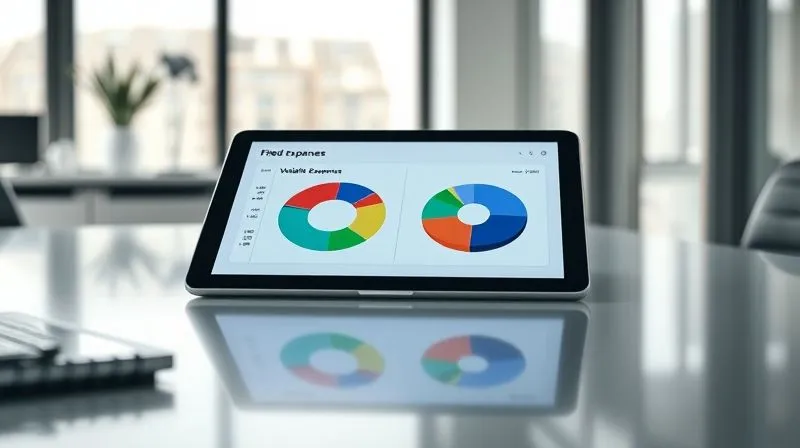
The first step in dynamic budgeting is to categorize every expense. This distinction is paramount for small business owners budgeting for erratic income.
- Fixed Expenses: These generally remain constant regardless of your income or activity level. Examples include rent, insurance premiums, software subscriptions, and loan payments. You have to pay these no matter what.
- Variable Expenses: These fluctuate with your business activity. Examples include marketing spend, raw materials, subcontractor fees, travel expenses, and commissions. These are your levers for adjustment.
When income dips, your fixed expenses become a significant burden. Your variable expenses, however, are where you have immediate control. Being able to quickly identify and scale back variable costs without harming your core operations is a hallmark of financial resilience.
Case Study: Sarah's Boutique & Dynamic Expense Adjustment
Sarah owned a seasonal craft boutique. Her income spiked during holidays and summer, but dipped significantly in fall and winter. Initially, she struggled, often overspending during busy periods and then facing cash flow crises when sales slowed. I advised her to implement dynamic budgeting.
She categorized all her expenses. Her rent, insurance, and accounting software were fixed. Her marketing spend, seasonal inventory purchases, and part-time staff hours were variable. During her peak season, she'd allocate a higher percentage of revenue to marketing and inventory. Crucially, as the slower season approached, she'd proactively scale back her variable marketing campaigns, negotiate shorter shifts for part-timers, and postpone non-essential inventory orders. This allowed her to maintain profitability and build her buffer fund even through the lean months.
"A budget is not a straitjacket; it's a GPS for your financial journey. When the road gets bumpy, you adjust your route, not abandon the destination."
This dynamic approach enabled Sarah to predict and adapt, transforming her business from reactive to proactive, ensuring she could save effectively despite her erratic income.
Strategy 4: Automating Savings & Tax Provisions
The human tendency is to spend what's in the account. When income is erratic, this becomes even more dangerous. Automation removes emotion from the equation, ensuring that you consistently save and set aside funds for critical obligations.
Setting Up Automated Transfers
Just as with your buffer account, automate transfers for all your savings goals. This could include:
- Emergency Fund: A personal emergency fund for yourself, separate from your business buffer.
- Growth Fund: For future investments in equipment, training, or expansion.
- Personal Savings: For long-term personal goals like retirement or a down payment.
Even small, consistent transfers add up significantly over time. Make these transfers happen the moment money hits your account, or on a fixed schedule that aligns with your typical payment cycles.
The 'Tax Bucket' Approach
One of the biggest pitfalls for small business owners with inconsistent income is underestimating or failing to save for taxes. When a large chunk of revenue comes in, it's easy to forget that a significant portion isn't truly yours. I've seen countless entrepreneurs hit with massive tax bills they couldn't pay, simply because they spent the money as it came in.
Implement a 'tax bucket' or dedicated savings account. Based on your projected tax bracket and past tax liabilities, set aside a fixed percentage of *every* incoming payment into this account. For example, if you anticipate owing 25% in taxes, transfer 25% of every payment into your tax account immediately. Consult with a tax professional to determine an accurate percentage for your specific situation. This ensures that when tax season arrives, you have the funds ready, avoiding stress and potential penalties. Resources like the IRS website provide guidance on estimated taxes for self-employed individuals.
Strategy 5: Diversifying Income Streams & Client Base
While the previous strategies focus on managing existing erratic income, this strategy aims to reduce the *erraticism* itself. Diversification is key to building financial resilience and stability.
Reducing Reliance on Single Clients
Putting all your eggs in one basket is incredibly risky. If a major client leaves or cuts back, your income can plummet overnight. Aim for a client portfolio where no single client accounts for more than 20-30% of your total revenue. This reduces your vulnerability significantly.
Strategies for broadening your client base include:
- Proactive outreach and networking.
- Investing in targeted marketing campaigns.
- Seeking referrals from existing satisfied clients.
- Exploring new niches or markets for your services/products.
Exploring New Revenue Avenues
Think beyond your primary service or product. Can you create complementary offerings? Can you productize a service that was once purely custom? For example:
- A consultant could create online courses or templates.
- A photographer could offer stock photos or prints in addition to client shoots.
- A service provider could offer retainer packages for ongoing work, providing more predictable monthly income.
These additional income streams not only add to your overall revenue but can also help smooth out the peaks and valleys, making it easier to budget for erratic income and save consistently.
Strategy 6: Strategic Pricing & Value-Based Selling
Many small business owners, especially those with erratic income, fall into the trap of underpricing their services or products out of fear of losing clients. This is a self-defeating cycle that perpetuates financial instability. Strategic pricing allows you to earn more, which directly impacts your ability to budget and save.
Moving Beyond Hourly Rates
If you're still billing by the hour, I urge you to reconsider. Hourly billing often caps your earning potential and doesn't reward efficiency. Instead, explore value-based pricing or project-based fees. This means charging based on the outcome or value you deliver to the client, rather than the time you spend.
For instance, if your service helps a client save $10,000, charging $2,000 for that outcome is far more equitable and profitable than charging $100/hour for 10 hours of work. This approach can significantly increase your average project value, providing larger, more stable payments that are easier to budget for and save from.
Communicating Value Effectively
The key to strategic pricing is effectively communicating the value you provide. This isn't about being expensive; it's about demonstrating the return on investment your clients will receive. Highlight the benefits, solutions, and long-term impact of your work.
As Harvard Business Review emphasizes, value-based pricing requires a deep understanding of your customer's needs and how your offering addresses them. By mastering this, you can command higher prices, leading to more predictable and substantial revenue streams, which in turn makes it far easier to manage your finances and build your savings.
Strategy 7: Leveraging Technology for Financial Clarity
In today's digital age, relying on manual spreadsheets for complex financial management is inefficient and prone to error. Technology offers powerful tools to bring clarity and automation to your budgeting and saving efforts, especially when dealing with erratic income.
Accounting Software & Integrations
Cloud-based accounting software like QuickBooks Online, Xero, or FreshBooks are indispensable. They automate data entry, categorize transactions, reconcile bank accounts, and generate essential financial reports in real-time. This immediate visibility is crucial when your income fluctuates.
- Automated Invoicing: Ensures you get paid faster and track receivables.
- Expense Tracking: Categorizes every dollar spent, making dynamic adjustments easier.
- Bank Feeds: Connects directly to your bank accounts, providing an up-to-the-minute view of your cash flow.
- Reporting: Generates profit & loss statements, balance sheets, and cash flow reports with a click, allowing you to quickly assess financial health.
Many of these platforms also integrate with payment processors, CRM systems, and payroll services, creating a holistic view of your business finances.
Real-time Reporting & Dashboards
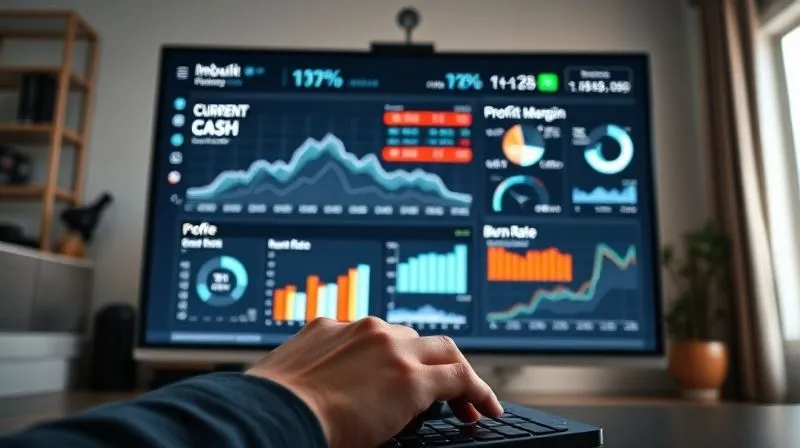
Beyond basic accounting, leveraging software that provides visual dashboards can be a game-changer. These dashboards distill complex financial data into easily digestible charts and graphs, offering instant insights into your current financial standing. You can see your cash balance, outstanding invoices, recent expenses, and even projected cash flow at a glance.
| Feature | QuickBooks Online | Xero | FreshBooks |
|---|---|---|---|
| Cash Flow Tracking | Excellent | Excellent | Good |
| Automated Invoicing | Excellent | Excellent | Excellent |
| Expense Categorization | Excellent | Excellent | Good |
| Bank Reconciliation | Excellent | Excellent | Fair |
| Budgeting Tools | Good | Good | Fair |
This real-time visibility empowers you to make quick, informed decisions. If you see a dip in projected cash flow, you can immediately explore options like adjusting variable expenses or accelerating invoicing. This proactive control is vital for small business owners who budget for erratic income and want to build savings.
Frequently Asked Questions (FAQ)
How much should I aim to have in my buffer account? I typically recommend 3-6 months of essential business operating expenses. For businesses with highly erratic income, aiming for the higher end (5-6 months) provides greater peace of mind and flexibility. This buffer is critical for managing unpredictable cash flow.
Is the Profit First method suitable for all types of small businesses? While highly effective for many, Profit First is particularly beneficial for service-based businesses, freelancers, and small product businesses. It's adaptable, but its core principle of micro-allocations works best when you have regular (even if small) income deposits. It’s an excellent framework for how small business owners budget for erratic income and save.
What if my income is so low I can't even cover my basic expenses? This is a critical situation. First, focus intensely on increasing revenue and cutting non-essential variable costs. Second, review your pricing strategy and client acquisition. If the situation persists, it might indicate a fundamental business model issue, requiring a deeper strategic pivot or re-evaluation. Your buffer fund is designed for temporary dips, not prolonged unprofitability.
How often should I review my budget and cash flow forecast? For businesses with erratic income, I strongly recommend reviewing your cash flow forecast weekly. Your dynamic budget should be reviewed monthly, or whenever there's a significant change in your income or expense patterns. Regular review is key to successfully managing unpredictable revenue.
What's the biggest mistake small business owners make when budgeting with erratic income? The biggest mistake is operating without a clear system or buffer. Many treat their business bank account like a personal checking account, spending as money comes in without allocating for future expenses, taxes, or profit. This leads to constant stress and missed opportunities for growth and savings. Learning how small business owners budget for erratic income and save requires adopting a disciplined system.
Key Takeaways and Final Thoughts
Navigating erratic income as a small business owner is undoubtedly one of the toughest financial challenges you'll face. However, it is not an insurmountable one. I've seen countless entrepreneurs transform their financial fortunes by implementing disciplined, proactive strategies. The journey from financial anxiety to stability and growth begins with a commitment to these core principles.
- Build a Robust Buffer: Your 3-6 month operating expense buffer is your first line of defense against lean periods.
- Prioritize Profit: Implement a system like Profit First to ensure you and your business are paid first, fostering consistent savings.
- Forecast with Agility: Utilize 13-week cash flow projections for proactive decision-making.
- Budget Dynamically: Understand and leverage the distinction between fixed and variable expenses to adapt quickly.
- Automate Everything: Remove emotion from saving and tax provisions through automated transfers.
- Diversify Relentlessly: Reduce risk and smooth income by expanding client bases and revenue streams.
- Price Strategically: Charge for the value you deliver, not just your time, to boost earning potential.
- Embrace Technology: Use accounting software and dashboards for real-time financial clarity and control.
Remember, financial mastery isn't about having a perfectly predictable income; it's about having a perfectly resilient system. By adopting these strategies, you're not just learning how small business owners budget for erratic income and save; you're building a foundation for sustainable growth, reduced stress, and true financial freedom. Take action today, and watch your financial landscape transform.
Recommended Reading
- Unlock Stock Market Success: Machine Learning Analysis Secrets
- 7 Proven Strategies to Mitigate Rising Interest Rate Risks in Your CRE Portfolio
- 5 Proven Strategies to Shield Your Business Capital from Inflation Erosion
- Debt Collector Harassment: What Are Your Rights? (Protect Yourself!)
- Unlock Tax Savings: Optimize Business Expenses with This Ultimate Guide





Comments
Leave a comment below. Your email will not be published. Required fields marked with *