



Which Budgeting App Solves Professional Complex Expense Tracking?
For over 15 years in the financial technology and budgeting sector, I've witnessed firsthand how even the most brilliant businesses can falter not due to a lack of vision, but a lack of visibility into their own finances. The seemingly simple task of 'expense tracking' morphs into a monstrous, time-consuming beast once you introduce professional complexities like multiple projects, diverse teams, international transactions, and stringent compliance requirements.
The common pain points are palpable: mountains of receipts, manual data entry errors, delayed reimbursements, lack of real-time spending insights, and the sheer frustration of compiling reports for tax season or investor updates. Many businesses find their existing tools, often cobbled-together spreadsheets or basic personal finance apps, completely inadequate for the sophisticated demands of professional financial oversight. This often leads to missed opportunities, budget overruns, and a general sense of financial chaos.
Today, I want to cut through the noise and provide a definitive answer to the pressing question: Which budgeting app solves professional complex expense tracking? We'll not just list tools, but delve into the critical features, strategic implementation, and advanced practices that empower businesses to transform their financial management from a burden into a powerful strategic asset. By the end of this guide, you'll have a clear framework to select and deploy the perfect solution for your unique professional needs.
Understanding the Nuances of Professional Expense Tracking
Before we dive into specific apps, it’s crucial to understand what truly differentiates professional, complex expense tracking from its personal counterpart. It's not just about bigger numbers; it's about a fundamentally different operational landscape.
Beyond Personal Budgets: The Professional Landscape
In a professional setting, expenses are rarely singular. They are often tied to specific projects, departments, clients, or even regulatory frameworks. This introduces layers of complexity that a simple 'food' or 'transport' category can't capture. Here are some key differentiators:
- Multi-User & Team Dynamics: Tracking expenses across multiple employees, departments, or even legal entities.
- Project-Based Accounting: Allocating costs accurately to specific projects, clients, or grants for profitability analysis and billing.
- Compliance & Policy Enforcement: Adhering to internal spending policies, regional tax laws, and industry-specific regulations.
- Multi-Currency & International Operations: Managing expenses incurred in various currencies, handling exchange rates, and international tax implications.
- Integration Requirements: Seamlessly connecting with existing accounting software, payroll systems, and ERPs for a unified financial ecosystem.
- Approval Workflows: Implementing multi-level approval processes for spending and reimbursements to maintain control and accountability.
- Advanced Reporting & Analytics: Generating detailed, customizable reports for internal analysis, investor relations, and tax compliance.
Without robust systems to handle these complexities, businesses risk inaccurate financial statements, compliance penalties, and a severe lack of insight into where their money is truly going. This is precisely why a specialized budgeting app for professional complex expense tracking becomes not just a convenience, but a necessity.
Essential Features for Complex Expense Management Apps
When evaluating potential solutions, it's easy to get lost in a sea of features. Based on my years of experience, I’ve distilled the absolute must-have functionalities that an app needs to genuinely solve professional complex expense tracking.
- Automated Receipt Capture & OCR: The ability to snap a photo of a receipt, have the app extract all relevant data (vendor, amount, date), and automatically categorize it. This eliminates manual data entry and reduces errors significantly.
- Customizable Categories & Tags: Beyond basic categories, the app must allow for granular tagging (e.g., project codes, client IDs, departmental cost centers) to ensure precise allocation.
- Multi-Level Approval Workflows: Configurable approval routes based on expense amount, department, or project, ensuring compliance and control before reimbursement.
- Real-Time Spending Insights & Dashboards: Instant visibility into current spending against budgets, with customizable dashboards that provide a holistic view of financial health.
- Multi-Currency Support & Exchange Rate Management: Essential for international businesses, automatically converting foreign expenses to your base currency using up-to-date exchange rates.
- Integration with Accounting Software: Seamless two-way synchronization with popular accounting platforms like QuickBooks, Xero, Sage, or even custom ERPs via API. This is non-negotiable for streamlining financial operations.
- Expense Policy Enforcement: Features that flag out-of-policy spending in real-time or during the approval process, guiding employees towards compliant behavior.
- Robust Reporting & Analytics: Generating detailed, customizable reports on spending trends, project costs, vendor analysis, and tax-ready summaries.
- Mobile Accessibility: A user-friendly mobile app for employees to submit expenses on the go, ensuring timely data capture.
- Security & Compliance: Enterprise-grade security protocols, data encryption, and compliance with relevant financial regulations (e.g., GDPR, SOC 2).
An app that ticks most, if not all, of these boxes is truly equipped to handle the intricacies of professional complex expense tracking.
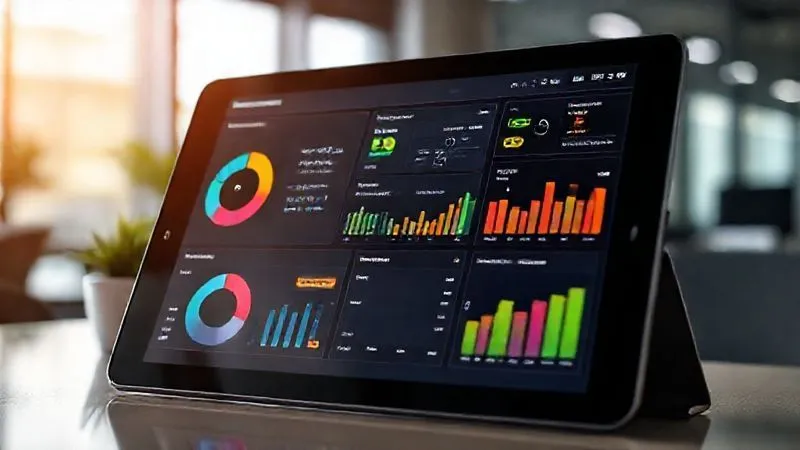
Top Contenders: Apps Tailored for Professional Complexity
Now that we understand the requirements, let's explore some of the leading budgeting apps that truly excel at professional complex expense tracking. These aren't just personal finance tools; they are robust platforms built for businesses.
1. Expensify: The Workflow Powerhouse
Expensify is often lauded for its intuitive interface and powerful SmartScan technology. It's a fantastic option for businesses prioritizing automation and streamlined workflows. Its strength lies in its ability to automate nearly every step of the expense reporting process.
- SmartScan: Automatically reads receipts and creates expense reports.
- One-Click Reimbursement: Fast direct deposit reimbursements.
- Policy Enforcement: Flags out-of-policy spending instantly.
- Integrations: Connects with QuickBooks, Xero, NetSuite, and more.
- Corporate Card Reconciliation: Easily matches card transactions with submitted expenses.
I've seen many clients, particularly those with remote teams or frequent travelers, significantly reduce their reimbursement cycles and administrative burden with Expensify. It truly shines for companies looking to minimize manual intervention.
2. Spendesk: Control & Visibility for Teams
Spendesk offers a holistic spend management solution, going beyond just expense reports to include company cards, invoice management, and budget control. It’s ideal for growing businesses that need tight control over company spending at every level.
- Corporate Cards: Physical and virtual cards with customizable spending limits.
- Budget Management: Allocate budgets to teams and projects, with real-time tracking against those budgets.
- Invoice Processing: Streamlines vendor invoice payments and approvals.
- Pre-Approvals: Employees can request spending approval before making a purchase.
- Comprehensive Reporting: Detailed insights into company-wide spending.
Spendesk provides an excellent solution for businesses that want to empower their employees to spend while maintaining strict centralized control and real-time visibility. It's a strong contender for those who need a more proactive approach to spending management.
3. Rydoo (formerly Xpenditure): Streamlined Global Expenses
Rydoo specializes in simplifying expense management for companies with an international footprint. Its focus on user experience and global compliance makes it a strong choice for multi-national organizations.
- Global Compliance: Adapts to local tax regulations in various countries.
- Multi-Currency Support: Handles numerous currencies with ease.
- Intuitive Interface: Designed for quick and easy expense submission.
- Robust Integrations: Connects with major ERPs and accounting systems.
- Travel Management Integration: Often used in conjunction with travel booking platforms.
When I work with clients who have employees traveling or operating across different countries, Rydoo consistently comes up as a top recommendation for its ability to navigate the complexities of international expense reporting without a hitch.
4. Zoho Expense: Comprehensive & Integrated Solution
Part of the larger Zoho ecosystem, Zoho Expense offers a comprehensive and highly integrated solution for businesses of all sizes. It’s particularly appealing for companies already utilizing other Zoho products or those looking for an all-in-one suite.
- Automatic Expense Creation: From receipts, credit cards, or mileage tracking.
- Budgeting: Create and track budgets for categories, departments, or projects.
- Customizable Workflows: Flexible approval processes.
- Deep Integrations: Seamlessly connects with Zoho Books, Zoho CRM, and other Zoho applications, as well as external accounting software.
- Per Diem Management: Simplifies daily allowances for travel.
Zoho Expense offers remarkable value, especially for SMBs and mid-market companies seeking a scalable solution that can grow with their needs and integrate tightly with other business functions. Its comprehensive feature set makes it a strong answer to which budgeting app solves professional complex expense tracking for a wide range of use cases.
Expert Insight: The 'best' app isn't a universal truth. It's the one that aligns most closely with your specific organizational structure, compliance needs, team size, and existing financial ecosystem. Prioritize features that directly address your biggest pain points.
Implementing Your Chosen App: A Strategic Approach
Selecting the right app is only half the battle; successful implementation is where the real value is unlocked. I've seen many companies invest in powerful software only to underutilize it due to a haphazard rollout. Here’s a strategic approach to ensure a smooth transition and maximize adoption.
Step-by-Step Deployment Guide
- Conduct a Thorough Needs Assessment: Before anything else, clearly define your organization's specific expense tracking challenges, compliance requirements, and desired outcomes. Involve key stakeholders from finance, HR, and departmental leads.
- Define Clear Policies & Workflows: Document your expense policies, approval hierarchies, and reimbursement procedures. The app should be configured to enforce these rules, not just track them.
- Pilot Program with a Small Group: Roll out the app to a small, diverse group of users first. Gather feedback, identify bottlenecks, and refine configurations before a wider launch.
- Comprehensive Training & Support: Provide hands-on training for all employees on how to use the app for submission, and for managers on how to approve. Offer ongoing support and clear FAQs.
- Integrate with Existing Systems: Work closely with your IT and finance teams to ensure seamless integration with your accounting software, payroll, and any other relevant systems. Test data flow thoroughly.
- Communicate Benefits & Expectations: Clearly articulate how the new system will benefit employees (faster reimbursements, less paperwork) and the organization (better insights, compliance). Set clear expectations for usage.
- Regular Review & Optimization: Periodically review usage, compliance rates, and reporting accuracy. Gather feedback and make adjustments to policies or app configurations as needed to ensure continuous improvement.
Remember, technology is an enabler. Its success hinges on thoughtful planning, clear communication, and consistent reinforcement of its value.

Maximizing ROI: Advanced Strategies and Best Practices
Once your chosen budgeting app is up and running, the goal shifts from mere functionality to maximizing its return on investment. This involves leveraging its advanced capabilities and embedding best practices into your organizational culture.
Case Study: How 'Innovate Solutions' Streamlined Project Budgeting
Innovate Solutions, a mid-sized consulting firm with 70 employees, faced significant challenges in accurately tracking project-specific costs. Their previous system, a mix of spreadsheets and email approvals, led to delayed client billing, inaccurate project profitability reports, and frequent budget overruns. After implementing Spendesk, they adopted a strategy of issuing virtual corporate cards for each project, with pre-set spending limits and mandatory categorization for every transaction.
By enforcing real-time expense capture and integrating Spendesk directly with their project management software, Innovate Solutions achieved 95% real-time expense visibility. This allowed project managers to monitor budgets daily, identify potential overspends proactively, and reallocate resources as needed. Within six months, they reported a 15% reduction in project cost overruns and a 20% acceleration in client billing cycles due to instant access to validated expense data. This resulted in improved cash flow and more accurate project profitability analysis, directly demonstrating the power of a well-implemented professional complex expense tracking solution.
Expert Insight: Don't just track expenses; *analyze* them. Use the data your app collects to identify spending trends, negotiate better vendor contracts, optimize operational costs, and inform future budgeting decisions. Your expense data is a goldmine for strategic financial planning.
To truly maximize your ROI, consider:
- Custom Reporting for Strategic Insights: Go beyond standard reports. Create custom dashboards that track KPIs relevant to your specific business goals, such as cost-per-project, departmental spending trends, or vendor efficiency.
- Leveraging Data for Vendor Negotiations: Use aggregated expense data to identify your top vendors and negotiate better terms or bulk discounts.
- Continuous Policy Review & Adjustment: As your business evolves, so should your expense policies. Use the app's data to inform these adjustments, ensuring policies remain relevant and effective.
- Employee Empowerment & Accountability: Foster a culture where employees understand the importance of timely and accurate expense submission. The app should make this process easy, not burdensome.
According to a Deloitte study on the Future of Finance, organizations that embrace digital solutions for expense management not only improve efficiency but also gain a significant competitive edge through enhanced financial intelligence.
Integrating with Your Existing Financial Ecosystem
The true power of a professional expense tracking app is unleashed when it seamlessly integrates with your broader financial ecosystem. Disjointed systems lead to data silos, manual reconciliation, and an increased risk of errors. Integration is paramount for efficiency and accuracy.
Seamless Data Flow: The Key to Financial Harmony
Your budgeting app should act as a central hub for all spending data, feeding it directly into your accounting software, payroll, and potentially even your ERP system. This eliminates the need for manual data export and import, saving countless hours and drastically reducing the potential for human error. Look for apps with robust API capabilities and pre-built integrations with popular platforms.
| App Feature | Benefits | Impact on Efficiency |
|---|---|---|
| Automated Receipt Capture | Reduces manual entry, improves accuracy | High |
| Multi-Currency Support | Simplifies international transactions, accurate conversions | High |
| Approval Workflows | Ensures policy compliance, enhances control | Medium |
| Accounting Software Integration | Seamless data sync, eliminates manual reconciliation | Very High |
| Customizable Reporting | Tailored insights, better strategic decisions | High |
As marketing guru Seth Godin often says, "The market rewards connection." In finance, this translates to connected systems. A well-integrated expense management system means your general ledger is always up-to-date, payroll runs smoothly with accurate reimbursements, and financial reports reflect real-time spending with precision. This level of synchronization is what truly answers which budgeting app solves professional complex expense tracking with long-term strategic value.
For deeper insights into financial technology integrations, you might find resources from FinTech Magazine particularly useful.
Overcoming Common Challenges in Expense Tracking
Even with the best app, challenges can arise. Being prepared for them is part of expert-level implementation.
- User Adoption: Employees might resist new tools. Combat this with clear communication of benefits, thorough training, and consistent support. Make it easier for them, not harder.
- Policy Compliance: If policies are unclear or too rigid, employees might find workarounds. Ensure policies are fair, well-communicated, and the app is configured to gently guide users towards compliance.
- Data Accuracy: While apps automate much, GIGO (Garbage In, Garbage Out) still applies. Emphasize the importance of timely and accurate input from users. Regular audits can also help maintain data integrity.
- Integration Issues: Sometimes integrations don't work perfectly out of the box. Have a dedicated IT or finance team member to troubleshoot and liaise with app support.
- Security Concerns: Handling sensitive financial data requires robust security. Ensure your chosen app has enterprise-grade security, regular audits, and compliance certifications (e.g., SOC 2, ISO 27001).

The Future of Professional Expense Tracking: AI & Automation
The landscape of professional complex expense tracking is continuously evolving. Artificial intelligence (AI) and further automation are not just buzzwords; they are rapidly becoming integral components of next-generation solutions.
We're seeing AI-powered categorization becoming even more sophisticated, predicting expense types with higher accuracy based on past behavior and context. Predictive analytics will help businesses forecast future spending and identify potential budget shortfalls before they occur. Robotic Process Automation (RPA) will further streamline repetitive tasks, freeing up finance teams for more strategic work.
The goal is an autonomous finance function, where routine expense management is handled almost entirely by intelligent systems, allowing human experts to focus on analysis, strategy, and business growth. Keeping an eye on these emerging trends, as discussed in publications like Forbes Finance, will ensure your business remains at the forefront of financial efficiency.
Frequently Asked Questions (FAQ)
Question? Can a small business truly benefit from these advanced expense tracking apps, or are they overkill?
Answer: Absolutely, small businesses can benefit immensely. While some enterprise-level features might seem excessive, even a small team can struggle with complex expense tracking if they have project-based costs, client billing, or international transactions. The key is scalability and starting with an app that offers robust core features and can grow with your business. Many of the apps mentioned offer tiered pricing suitable for smaller teams, providing significant time savings and accuracy improvements from day one.
Question? How do these apps handle mileage tracking for business travel?
Answer: Most professional expense tracking apps include integrated mileage tracking features. This often involves GPS tracking via the mobile app, allowing employees to log their journeys automatically and calculate reimbursements based on internal policies or government rates. Some apps also allow for manual entry with route mapping for verification, ensuring accurate and compliant mileage claims.
Question? What if my company has very specific, non-standard expense categories or approval rules? Can these apps adapt?
Answer: This is where the 'customizable' aspect of professional apps shines. The top contenders offer extensive customization options for expense categories, tags, and multi-level approval workflows. You can usually configure rules based on amount, department, project, or even specific vendors. For truly unique requirements, look for apps with robust API access, allowing for custom integrations or extensions to meet your exact needs.
Question? Is it safe to link my corporate credit cards and bank accounts to these third-party apps?
Answer: Security is paramount. Reputable professional expense tracking apps employ enterprise-grade security measures, including data encryption, multi-factor authentication, and regular security audits (e.g., SOC 2 compliance). They typically use read-only access to bank accounts for transaction feeds, meaning they can see your transactions but cannot initiate any transfers. Always verify the app's security certifications and data privacy policies before connecting sensitive financial information.
Question? How do these apps assist with tax preparation and audits?
Answer: This is one of their biggest advantages. By meticulously categorizing and storing all expense data and associated receipts digitally, these apps simplify tax preparation significantly. They can generate detailed, audit-ready reports, often broken down by tax-relevant categories. In the event of an audit, all necessary documentation is centralized and easily retrievable, saving immense time and reducing stress.
Key Takeaways and Final Thoughts
Navigating the complexities of professional expense tracking doesn't have to be a daunting task. The right budgeting app, when strategically implemented and leveraged, can transform your financial operations from a reactive burden into a proactive strategic advantage.
- Prioritize Features that Matter: Focus on automated receipt capture, robust categorization, customizable workflows, and seamless integrations.
- Strategic Implementation is Key: Don't just install; plan, train, and integrate for maximum adoption and effectiveness.
- Data is Your Asset: Use the insights gained from your app to make smarter spending decisions, optimize budgets, and improve profitability.
- Embrace Continuous Improvement: Regularly review your policies and app usage to adapt to evolving business needs and leverage new features.
Ultimately, the answer to Which budgeting app solves professional complex expense tracking? lies in finding a solution that not only streamlines your daily operations but also provides the clarity and control needed to drive your business forward. Invest wisely, implement thoughtfully, and watch your financial clarity grow. Your future self, and your bottom line, will thank you.

Recommended Reading
- Shielding Clients: 7 Defenses Against Sophisticated AI Voice Phishing Scams
- 7 Pillars: Preparing Heirs for Responsible Inherited Wealth Management
- Layoff Looms? 7 Steps to Secure Your 6-Month Emergency Fund NOW!
- 7 Reasons Your Short-Term Trading Strategy Fails: Fix It Now
- Denied Professional Liability Claim? 6 Steps to Dispute & Win Effectively





Comments
Leave a comment below. Your email will not be published. Required fields marked with *