



What to do when low personal credit limits block business loans?
For over 15 years in the financial lending sector, I've witnessed countless aspiring entrepreneurs and small business owners hit a frustrating roadblock: their personal credit profile, specifically low credit limits, derailing their pursuit of crucial business funding. It's a common, yet often misunderstood, predicament.
Many assume their personal finances are entirely separate from their business's ability to secure capital. However, especially for startups and small businesses without a long operational history, lenders frequently scrutinize the personal credit of the principal owners. A low personal credit limit, often indicative of a shorter credit history or a conservative lending approach by personal creditors, can signal perceived risk, making traditional business loans seem out of reach.
But here's the good news: this isn't an insurmountable obstacle. In this comprehensive guide, I'll walk you through expert-backed strategies, actionable frameworks, and invaluable insights to navigate this challenge. You'll learn how to strengthen your financial standing, explore alternative funding, and ultimately secure the capital your business needs to thrive, even when low personal credit limits block business loans.
Understanding the Lender's Perspective: Why Personal Credit Matters So Much
Before we dive into solutions, it's crucial to grasp why lenders place such a heavy emphasis on your personal credit, particularly when your business is young or lacks substantial assets. They're not just being nosy; they're mitigating risk.
The Intertwined Nature of Personal and Business Finances
For many small businesses, especially sole proprietorships or early-stage LLCs, there's often a blurred line between personal and business finances. Lenders view your personal credit history as a strong indicator of your financial responsibility and your ability to manage debt. If you've struggled with personal credit, they might infer similar struggles with business debt.
“In the eyes of a lender, your personal credit score is a crystal ball, offering a glimpse into your future financial behavior. For new businesses, it's often the most reliable predictor they have.”
Your personal credit utilization, payment history, and the types of credit you hold (or lack thereof) all paint a picture. Low personal credit limits can suggest that other lenders have been hesitant to extend significant credit to you, which in turn makes a business lender cautious. According to a U.S. Small Business Administration (SBA) report, personal credit scores are a primary factor in over 80% of small business loan decisions.
Strategic Steps to Fortify Your Personal Credit Profile
Even if your personal credit limits are currently low, there are proactive steps you can take to improve your overall personal credit health, making you a more attractive borrower for business loans.
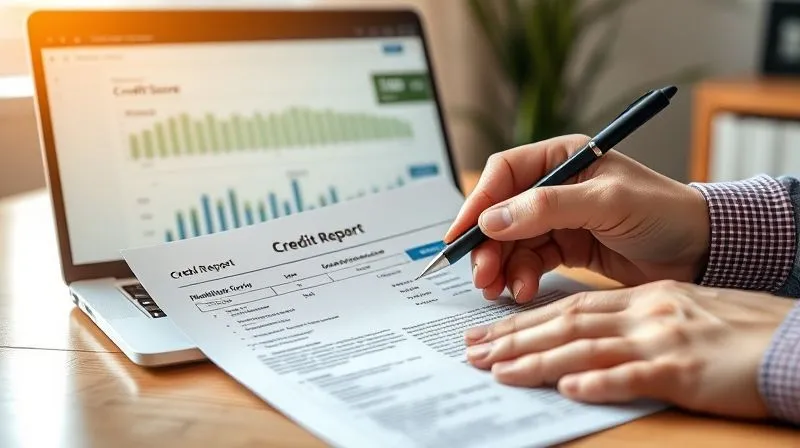
- Review Your Credit Reports Rigorously: Obtain your free credit reports from Equifax, Experian, and TransUnion. Look for any inaccuracies, errors, or fraudulent activity. Disputing these can significantly boost your score.
- Prioritize Debt Reduction: Focus on paying down high-interest credit card debt. High credit utilization (using a large percentage of your available credit) is a major score dampener. Aim to keep your utilization below 30% on all cards.
- Maintain a Consistent Payment History: This is the single most important factor. Pay all your bills on time, every time. Set up automatic payments to avoid missing due dates.
- Avoid Opening Too Many New Accounts: While it might seem counterintuitive, opening multiple new credit lines in a short period can lower your score due to hard inquiries and a shorter average age of accounts.
- Consider a Secured Credit Card or Credit Builder Loan: If your credit history is thin, these tools can help you establish a positive payment history without requiring a high initial credit score.
By diligently working on these areas, you're not just improving your personal credit; you're building a stronger financial foundation that will eventually reflect positively on your business loan applications.
Unlocking Alternative Funding Avenues Beyond Traditional Banks
When traditional bank loans are out of reach due to low personal credit limits, it's time to explore the diverse landscape of alternative financing options. These lenders often have more flexible criteria or focus on different aspects of your business.
SBA-Backed Loans:
The Small Business Administration doesn't lend directly but guarantees a portion of loans made by approved lenders. This reduces risk for the lender, making them more willing to approve loans for businesses that might not qualify for conventional financing. Programs like the SBA 7(a) loan can be a lifesaver.Microloans:
Offered by non-profit organizations, microloans are typically smaller amounts (up to $50,000) designed for startups and small businesses. They often have more lenient credit requirements and offer business support services.Community Development Financial Institutions (CDFIs):
CDFIs are mission-driven financial institutions that provide credit and financial services to underserved markets and populations. They are often more flexible and focused on community impact.Crowdfunding:
Platforms like Kickstarter or Indiegogo allow you to raise capital from a large number of individuals, often in exchange for rewards or equity. Your personal credit is less of a factor here; your business idea and marketing prowess are key.Invoice Factoring/Financing:
If your business has outstanding invoices, you can sell them to a factoring company at a discount to get immediate cash. The lender assesses the creditworthiness of your customers, not primarily your personal credit.Business Credit Cards (with a twist):
Some business credit cards cater to businesses with fair or limited credit history. While they might start with lower limits, responsible use can help build business credit and potentially lead to higher limits.
My advice? Don't dismiss these options. Many successful businesses have started by leveraging alternative funding before transitioning to traditional bank loans as their credit profiles improved. Look for lenders who understand your industry and are willing to look beyond just your personal FICO score.
Building a Strong Business Credit Profile from Scratch
This is where you start to create separation between your personal and business finances, a critical step for long-term growth and securing larger loans. A strong business credit profile can eventually overshadow a less-than-perfect personal one.
- Establish Your Business Legally: Obtain an Employer Identification Number (EIN) from the IRS. This is your business's social security number and is essential for opening business accounts.
- Open a Dedicated Business Bank Account: Keep your personal and business finances strictly separate. This demonstrates professionalism and makes financial tracking easier.
- Get a D-U-N-S Number: Dun & Bradstreet provides a D-U-N-S number, which is widely used by lenders and suppliers to assess your business's creditworthiness. It's often free for small businesses.
- Apply for Vendor Credit (Trade Lines): Seek out suppliers who report to business credit bureaus (e.g., Net 30 accounts). Pay these invoices on time or early to establish a positive payment history.
- Secure a Business Credit Card: Even if it has a low limit initially, consistent and responsible use will build your business credit score. Ensure the card reports to major business credit bureaus like Experian Business, Equifax Business, and Dun & Bradstreet.
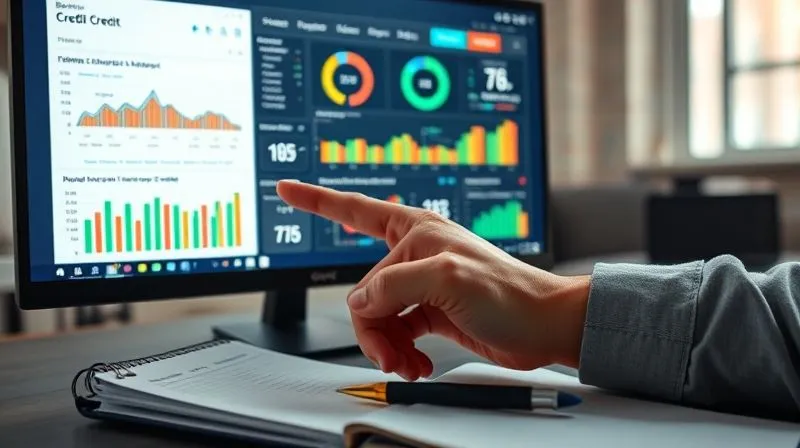
- Monitor Your Business Credit: Regularly check your business credit reports from the major bureaus. Just like personal credit, errors can occur.
This process takes time and discipline, but the payoff is immense. As your business credit score grows, you'll gain access to better lending terms and larger credit lines, reducing your reliance on your personal credit history.
The Power of a Robust Business Plan & Financial Projections
Even with less-than-ideal personal credit, a compelling business plan and realistic financial projections can significantly sway a lender's decision. This is your chance to demonstrate foresight, viability, and a clear path to profitability.
What Lenders Look For in Your Plan:
- Executive Summary: A concise overview of your business, its mission, and your funding request.
- Company Description: What your business does, its legal structure, and its history.
- Market Analysis: A thorough understanding of your industry, target market, competition, and competitive advantages.
- Organization & Management: Details about your team, their expertise, and how the business is structured.
- Service or Product Line: What you sell, its lifecycle, and any intellectual property.
- Marketing & Sales Strategy: How you plan to reach customers and generate sales.
- Funding Request: The exact amount you need, how you'll use it, and your repayment plan.
- Financial Projections: This is critical. Detailed forecasts for at least 3-5 years, including income statements, balance sheets, and cash flow statements.
“A well-crafted business plan isn't just a formality; it's your business's story, strategy, and financial blueprint. It shows a lender you've done your homework and have a clear vision, even if your personal credit isn't spotless.”
I've seen many cases where a solid business plan, demonstrating strong cash flow potential and a clear understanding of the market, has helped businesses secure funding despite initial personal credit concerns. Focus on realistic, data-backed projections, and be prepared to defend your numbers.
| Projection Item | Low Estimate | High Estimate |
|---|---|---|
| Year 1 Revenue | $150,000 | $200,000 |
| Year 1 Net Profit | $25,000 | $40,000 |
| Cash Flow (End of Year 1) | $10,000 | $20,000 |
| Break-Even Point | 6 months | 8 months |
Leveraging Collateral and Guarantees Wisely
If your personal credit limits are hindering your loan application, offering collateral or a personal guarantee can significantly reduce the risk for lenders, making them more amenable to approval. However, it's crucial to understand the implications.
Types of Collateral:
- Accounts Receivable: Your outstanding invoices.
- Inventory: Goods held for sale.
- Equipment: Machinery, vehicles, or other assets owned by your business.
- Real Estate: Commercial or even personal property (though this should be a last resort due to the high risk).
A personal guarantee means you are personally liable for the business debt if the business defaults. While this increases your personal risk, it can be a necessary step to secure funding when other options are limited. Many SBA loans, for instance, require a personal guarantee from owners with a significant equity stake.
Case Study: How 'Green Thumb Landscaping' Secured Funding
Green Thumb Landscaping, a startup with a promising business model but an owner (Sarah) with limited personal credit history and low credit limits, initially struggled to get a traditional bank loan. Sarah approached a local community bank with a robust business plan, demonstrating strong projected cash flow. Crucially, she offered her new, paid-off landscaping equipment (valued at $70,000) as collateral for a $50,000 working capital loan. The bank, seeing the tangible asset and the solid plan, approved the loan, allowing Green Thumb to purchase necessary supplies and hire staff. This resulted in a successful first year, and Sarah is now building strong business credit, reducing her reliance on personal guarantees.

The Art of the Loan Application: Presentation and Persistence
Even with challenges, how you present your application and your persistence can make a difference. Lenders appreciate thoroughness and a proactive approach.
- Be Transparent: Don't try to hide your low personal credit limits or other financial challenges. Address them head-on in a cover letter, explaining the steps you're taking to improve, and highlighting your business's strengths.
- Organize Your Documents: Have all required documents (business plan, financial statements, tax returns, personal financial statement) neatly organized and readily available. A disorganized application can signal disorganization in your business.
- Craft a Compelling Narrative: Beyond the numbers, tell your business's story. What problem does it solve? What's your vision? Why are you passionate about it?
- Research Lenders Thoroughly: Don't just apply to every bank. Research lenders who specialize in small business loans, startups, or your specific industry. Some lenders are more flexible with personal credit if the business potential is strong.
- Prepare for Questions: Anticipate what lenders will ask, especially regarding your personal credit. Have well-thought-out answers.
- Follow Up Professionally: If initially denied, ask for specific reasons. This feedback is invaluable. Address the issues and reapply, or seek out a different lender.
As Harvard Business Review often emphasizes, perseverance and adaptability are key traits of successful entrepreneurs. Don't let one 'no' define your journey. Learn, adapt, and keep pushing forward.
| Document Category | Required Items |
|---|---|
| Business Plan & Strategy | Executive Summary, Company Description, Market Analysis, Marketing Plan, Financial Projections |
| Financial Statements (Business) | Profit & Loss Statements (3 years), Balance Sheets (3 years), Cash Flow Statements (3 years) |
| Financial Statements (Personal) | Personal Financial Statement, Personal Tax Returns (3 years), Bank Statements (personal) |
| Legal & Operational | Business Legal Documents (e.g., Articles of Incorporation), Licenses & Permits, Resumes of Key Management |
Navigating Co-Signers and Guarantors
Bringing in a co-signer or guarantor with a strong credit profile can be a viable path to securing a business loan, especially when your own personal credit limits are a hurdle. However, this decision comes with significant considerations.
Pros and Cons:
- Pro: Increased Approval Chances: A co-signer's good credit history and higher limits can satisfy lender requirements, making your loan application much stronger.
- Pro: Potentially Better Terms: With reduced risk, you might qualify for lower interest rates and more favorable repayment terms.
- Con: Shared Liability: The co-signer becomes equally responsible for the debt. If your business defaults, their credit will be negatively impacted, and they will be legally obligated to repay the loan.
- Con: Strain on Relationships: Financial agreements between friends or family can put a significant strain on personal relationships if things go wrong.
If you choose this route, ensure all parties fully understand the legal obligations and potential risks. Have a clear, written agreement outlining responsibilities, even if it's with a trusted family member. Transparency and open communication are paramount.
Frequently Asked Questions (FAQ)
Can I get a business loan with a low personal credit limit? Yes, it's challenging but absolutely possible. You'll need to focus on strengthening other aspects of your application, exploring alternative lenders, building business credit, and potentially offering collateral or a personal guarantee. It's not an automatic 'no' but requires a strategic approach.
How long does it take to improve personal credit for a business loan? Improving personal credit is a gradual process. Minor improvements from correcting errors might be seen within weeks, but significant score increases from paying down debt or establishing new credit can take 6-12 months or even longer. The key is consistent, responsible financial behavior over time.
Will opening a business credit card help my personal credit score? Generally, no. A dedicated business credit card, when used responsibly, helps build your business credit score. Most business credit cards do not report to personal credit bureaus unless you default, at which point it could negatively impact your personal score. This separation is precisely what you want for long-term financial health.
What's the difference between a personal guarantee and collateral? A personal guarantee makes you, the individual, personally responsible for the business debt if the business cannot repay it. Collateral, on the other hand, is a specific asset (like equipment or real estate) pledged to the lender. If the business defaults, the lender can seize and sell that asset to recover their funds. Both reduce lender risk but in different ways.
Should I use personal assets as collateral for a business loan? This is a high-risk strategy and should be approached with extreme caution. While it can help secure a loan when low personal credit limits block business loans, it puts your personal assets (like your home) at risk. Only consider this if you have a highly confident repayment plan and fully understand the worst-case scenarios. Always seek legal and financial advice before making such a decision.
Recommended Reading
- Unlock Financial Peace: How to Build an Emergency Fund for Unexpected Costs
- 7 Proven Strategies to Slash Estate Tax on Your Family Business Legacy
- Stop Cash Flow Crises: Your Adapted Envelope Budget Blueprint?
- Urgent Business Travel: 7 Ways to Snag Cheap Flights Fast
- Quantify Your Impact: Measuring Values-Based Investments' Real Effect
Main Points and Final Considerations
Navigating the world of business financing with low personal credit limits can feel daunting, but it's a hurdle many entrepreneurs successfully overcome. Remember these critical takeaways:
- Your personal credit is a significant factor for new businesses; work diligently to improve it.
- Don't limit yourself to traditional banks; explore alternative lenders and SBA-backed options.
- Actively build a separate, strong business credit profile from day one.
- A compelling business plan and robust financial projections can speak volumes to lenders.
- Leveraging collateral or a co-signer can mitigate risk for lenders, but understand the implications.
- Transparency, organization, and persistence are your greatest allies in the application process.
The journey of entrepreneurship is rarely a straight line. Challenges like low personal credit limits are opportunities to learn, adapt, and build resilience. By applying these expert strategies, you're not just seeking a loan; you're building a stronger, more financially savvy business capable of securing the capital it needs to thrive. Keep learning, keep pushing, and your efforts will undoubtedly pave the way to success.





Comments
Leave a comment below. Your email will not be published. Required fields marked with *