



What to Do When an Employee Has a Medical Emergency Abroad?
For over 15 years in the international insurance and travel risk management sector, I've witnessed firsthand the sheer panic and operational chaos that can ensue when an employee faces a medical emergency abroad. It's a scenario no employer wants to contemplate, yet it's an inevitable risk in our increasingly globalized business landscape.
The immediate aftermath of such an event can feel overwhelming. Questions race through your mind: Is our employee safe? What's the best course of action? Are we legally compliant? The stakes are incredibly high, not just for the individual's well-being but also for your company's reputation, financial stability, and legal standing.
This article isn't just a guide; it's a comprehensive framework built on years of practical experience and industry best practices. I'll walk you through the critical steps, from immediate response to long-term prevention, equipping you with the actionable insights and expert strategies needed to navigate a medical emergency abroad with confidence and competence. You'll learn how to safeguard your employees and your business when it matters most.
The Critical First 60 Minutes: Immediate Actions
When an employee has a medical emergency abroad, the initial moments are crucial. Your rapid, informed response can significantly impact the outcome, both for the employee's health and your company's ability to manage the crisis effectively. This isn't just about reacting; it's about activating a pre-defined, well-rehearsed protocol.
1. Establish Contact and Assess Urgency
The very first step is to confirm the situation and establish reliable contact. This might sound obvious, but in the fog of an emergency, communication can quickly break down.
- Verify the Incident: Confirm that a medical emergency has indeed occurred. Is the information reliable? Who is the source?
- Establish Communication: Attempt to contact the employee directly. If unsuccessful, reach out to their designated emergency contacts, on-site colleagues, or local partners.
- Gather Initial Details: Ascertain the nature of the emergency, the employee's location, their current condition (if known), and any immediate medical attention received. Is it life-threatening? Does it require immediate hospitalization?
- Document Everything: Start an incident log. Note times, dates, who was contacted, what information was received, and what actions were taken. This log will be invaluable for later review and potential insurance claims.
2. Verify Insurance Coverage & Assistance Providers
Once you have a clearer picture, your next immediate priority is to understand the resources at your disposal. This primarily means verifying your corporate travel insurance policy and identifying the associated travel assistance provider.
Expert Insight: Never assume your standard health insurance covers international medical emergencies adequately. Corporate travel insurance, especially policies designed for business travel, often includes specific provisions for medical evacuation, repatriation, and 24/7 assistance services that are vital in these situations.
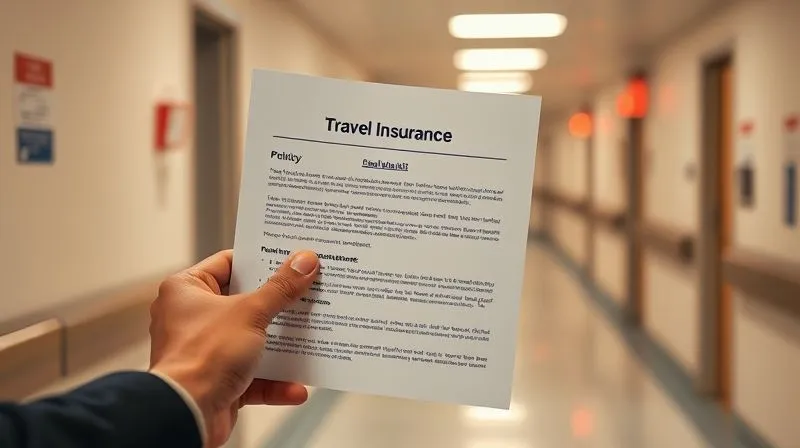
Locate the policy number and the contact details for the international assistance hotline. These numbers should be readily accessible to your travel risk management team, HR, and even the traveling employee themselves as part of their pre-trip briefing. Time is of the essence, and fumbling for policy documents can cause critical delays.
Activating Your Emergency Response Protocol
With initial contact made and insurance details at hand, it's time to activate your company's predefined emergency response protocol. If you don't have one, this incident highlights the urgent need to develop one.
3. Engage Your Travel Assistance Provider
This is arguably the most critical step. Your corporate travel insurance policy likely comes with access to a 24/7 global travel assistance provider. These providers are specialists in managing international medical emergencies.
- Call the Hotline Immediately: Provide them with all the details gathered in step 1 and your policy information.
- Leverage Their Expertise: They can provide immediate medical advice, locate appropriate local medical facilities, arrange for direct billing (avoiding out-of-pocket expenses for the employee), and coordinate language interpretation if needed.
- Coordinate Care: The assistance provider will liaise with local medical staff, your company, and the employee's family. They can also arrange for medical transfers if the local facility is inadequate.
- Understand Their Scope: Clarify what services are covered and what requires additional authorization or might fall outside the policy. Don't hesitate to ask questions.
For more insights on comprehensive travel risk management and the role of assistance providers, consider resources from global leaders in the field, such as International SOS or similar organizations that specialize in duty of care for international travelers. Learn more about global assistance services.
4. Communicate with the Employee and Family
While the assistance provider handles the medical logistics, your company's role shifts to support and communication. This requires a delicate balance of empathy, transparency, and adherence to privacy protocols.
Ensure a designated company representative (HR, travel manager, or a senior leader) is the primary point of contact for the employee and their family. This avoids multiple people contacting them and provides a consistent source of information. Prioritize empathy and reassurance. This is a highly stressful time for the employee and their loved ones.
Regularly update the family on the employee's condition, the medical care being received, and the steps being taken. Be mindful of data privacy regulations (e.g., GDPR, HIPAA if applicable) when sharing medical information. Always obtain consent from the employee before sharing detailed medical information with family members, if possible.
Navigating Medical Care & Logistical Challenges
Once the initial crisis is managed, the focus shifts to ensuring optimal medical care and handling the complex logistics of an international incident. This phase requires strategic thinking and collaboration with your assistance provider.
5. Understanding Local Healthcare Systems and Standards
Healthcare quality and accessibility vary dramatically around the world. What might be standard in one country could be subpar or unavailable in another. Your assistance provider will be invaluable here, but it's wise to have a general understanding.
Consider the differences in public vs. private systems, the availability of specialists, language barriers, and even the cultural norms around medical treatment. These factors can significantly impact the employee's experience and recovery. For instance, in some regions, direct billing might be less common, requiring upfront payment and reimbursement.
| Country/Region | Healthcare Standard | Key Challenge |
|---|---|---|
| North America | High, private insurance dominant | Cost, navigating networks |
| Western Europe | High, public/private mix | Language barriers, administrative differences |
| Developing Nations | Varies widely | Quality of care, availability of specialists, medical evacuation logistics |
According to a study by the World Health Organization, disparities in healthcare infrastructure remain a significant challenge globally, emphasizing the need for robust international support when medical emergencies occur abroad. Understanding these nuances helps you manage expectations and make informed decisions about care.
6. Managing Medical Repatriation and Evacuation
In severe cases, or if local medical facilities are inadequate, medical evacuation or repatriation might be necessary. This is a complex, costly, and highly specialized operation, typically coordinated by your travel assistance provider.
Case Study: How GlobalTech Handled a Repatriation
GlobalTech, a mid-sized IT firm, had an employee suffer a severe accident in a remote part of Southeast Asia. Local medical care was basic. Their corporate travel insurance included robust medical evacuation. Within 24 hours of the incident report, their assistance provider activated an air ambulance. They facilitated the employee's transfer to a high-standard facility in a neighboring country for stabilization, and then, once medically cleared, repatriated them to their home country for ongoing care. This seamless coordination, primarily handled by the assistance provider, saved GlobalTech immense logistical headaches and ensured the employee received the best possible care, minimizing long-term health complications and demonstrating the company's commitment to their well-being.
Medical evacuation involves transporting an employee from their current location to the nearest appropriate medical facility. Repatriation means returning them to their home country for continued treatment or recovery. Both require careful medical assessment, logistical planning, and often specialized transport (e.g., air ambulance with medical staff). This is where the value of a comprehensive corporate travel insurance policy truly shines. For more information on the complexities of medical evacuation, reputable sources like the CDC offer guidelines on medical emergencies abroad.

Post-Emergency & Prevention: Strengthening Your Duty of Care
The incident doesn't end when the employee is safe or back home. Responsible employers extend their duty of care beyond the immediate crisis, focusing on recovery and preventing future occurrences.
7. Post-Incident Support and Review
Upon the employee's return, ensure they receive appropriate follow-up care and support. This might include:
- Medical Follow-up: Coordinating with local doctors for ongoing treatment.
- Psychological Support: Offering access to counseling or therapy, as a medical emergency abroad can be highly traumatic.
- Return-to-Work Planning: Gradually reintegrating the employee into their role, with accommodations if necessary.
- Administrative Assistance: Helping with insurance claims, paperwork, and any financial implications.
Conduct a thorough post-incident review. What worked well? What could be improved? Update your emergency protocols, pre-travel briefings, and insurance coverage based on lessons learned. This continuous improvement cycle is vital for robust risk management. As Forbes notes, supporting employee well-being post-crisis is crucial for morale and retention. Read more on post-crisis employee support.
Building a Robust Pre-Travel Preparedness Framework
Prevention and preparedness are your best defenses. A proactive approach significantly reduces the severity and complexity of international medical emergencies. Here's what you should consider:
- Comprehensive Corporate Travel Insurance: Ensure your policy covers medical emergencies, evacuation, repatriation, and 24/7 assistance. Understand its limits and exclusions.
- Pre-Travel Briefings: Educate employees on health risks in their destination, local emergency numbers, how to contact the assistance provider, and what to do in an emergency.
- Medical Declarations: Encourage employees to declare pre-existing conditions confidentially to HR or the assistance provider, ensuring appropriate care can be arranged.
- Emergency Contact Information: Maintain up-to-date emergency contacts for all traveling employees.
- Travel Risk Assessments: Conduct assessments for specific destinations, especially high-risk regions, to inform pre-travel advice and resources.
A well-prepared employee is a safer employee. Investing in these proactive measures is an investment in your team's well-being and your company's resilience.

The Indispensable Role of Corporate Travel Insurance
I cannot overstate the importance of robust corporate travel insurance. It's not merely a financial safeguard; it's a comprehensive support system designed to navigate the intricate challenges of international incidents. For an employee medical emergency abroad, it's your primary line of defense.
Beyond Basic Coverage: What to Look For
When selecting a policy, don't just opt for the cheapest option. Look for comprehensive coverage that aligns with your company's travel profile and duty of care obligations. Key features include:
- High Medical Expense Limits: International healthcare costs, especially for serious conditions or long hospital stays, can be astronomical.
- Emergency Medical Evacuation and Repatriation: This is non-negotiable. Ensure it covers transport to appropriate medical facilities and back home.
- 24/7 Global Assistance Services: Access to medical professionals, language interpreters, and logistical support around the clock.
- Personal Accident Coverage: Provides benefits in case of accidental death or dismemberment.
- Trip Interruption/Cancellation: Covers costs if an emergency forces an early return or cancellation.
- Pre-Existing Conditions: Understand how the policy handles pre-existing medical conditions. Some policies require declaration or offer waivers.
| Feature | Description |
|---|---|
| Emergency Medical Expenses | Covers hospital stays, doctor fees, medication. |
| Medical Evacuation/Repatriation | Transport to appropriate medical facility or home country. |
| Trip Interruption/Cancellation | Costs for unforeseen early return or cancelled trip. |
| 24/7 Global Assistance | Access to medical advice, provider networks, logistical support. |
| Personal Accident Coverage | Benefits for accidental death or dismemberment. |
Choosing the right policy is a strategic decision that protects both your employees and your company's bottom line. It transforms a potential catastrophe into a manageable incident.
Legal & Ethical Obligations: Your Duty of Care
Beyond the practical steps, employers have a fundamental legal and ethical 'duty of care' to their employees, especially when they are traveling for business. This duty doesn't stop at your national borders.
Understanding Employer Liability Overseas
The concept of duty of care extends to ensuring the safety, health, and well-being of employees while they are on company business, regardless of location. Failure to uphold this duty can lead to significant legal repercussions, including lawsuits, regulatory fines, and severe reputational damage. This is particularly true when an employee has a medical emergency abroad.
Key Insight: Your duty of care requires not just reacting to an emergency, but actively preparing for and mitigating potential risks. This includes providing adequate insurance, conducting risk assessments, and establishing clear emergency protocols.
It's not just about what you can do, but what you must do. Proactive measures, comprehensive insurance, and clear communication are pillars of fulfilling your duty of care. Consult legal experts specializing in international labor law to ensure your policies are robust and compliant in all relevant jurisdictions. For a deeper dive into employer responsibilities, resources like the Harvard Business Review often publish articles on global HR and duty of care. Explore articles on global duty of care.
Frequently Asked Questions (FAQ)
What if the employee doesn't have their insurance details handy? This is a common challenge. Your company should maintain a centralized, easily accessible record of all traveling employees' corporate travel insurance details, including policy numbers and emergency contact hotlines. This information should be part of your pre-travel checklist and accessible to your designated emergency response team 24/7.
Who typically pays for the medical expenses upfront in an international emergency? Ideally, your corporate travel assistance provider will arrange for direct billing with the medical facility, meaning the insurance company pays the provider directly. However, in some regions or for minor incidents, the employee might need to pay upfront and seek reimbursement. Always advise employees to keep all receipts and medical reports.
How does a pre-existing condition affect coverage for an employee medical emergency abroad? Most corporate travel insurance policies will have specific clauses regarding pre-existing conditions. Some may cover them if declared and approved, others may exclude them, or require a medical review. It's crucial to understand your policy's stance on this and communicate it clearly to employees before travel. This is a key point to discuss with your insurance broker.
What's the difference between medical evacuation and medical repatriation? Medical evacuation involves transporting an ill or injured person from their current location to the nearest appropriate medical facility capable of providing the necessary care. Medical repatriation, on the other hand, is the process of returning the patient to their home country for ongoing medical treatment or recovery, often after initial stabilization. Both are vital components of comprehensive travel insurance.
How can we ensure our employees are mentally prepared for potential emergencies abroad? Beyond physical health, mental preparedness is crucial. Provide pre-travel briefings that cover not just logistics but also potential stressors and cultural differences. Offer access to mental health resources and clearly communicate that seeking support for stress or trauma is encouraged and supported by the company. Acknowledge the emotional toll an employee medical emergency abroad can take.
Key Takeaways and Final Thoughts
Navigating an employee medical emergency abroad is undoubtedly one of the most challenging situations an employer can face. However, with the right preparation, protocols, and partnerships, it's a challenge that can be managed effectively and empathetically. Remember these critical points:
- Prioritize Immediate Action: The first hour sets the tone. Establish contact, assess, and engage your assistance provider.
- Leverage Your Travel Insurance: It's more than a policy; it's your global support network. Understand its full capabilities.
- Communicate with Empathy: Support the employee and their family through clear, consistent, and compassionate communication.
- Uphold Your Duty of Care: This is a legal and ethical obligation that requires proactive risk management and robust emergency planning.
- Learn and Adapt: Every incident is an opportunity to refine your protocols and strengthen your preparedness for the future.
As a veteran in this field, I've seen companies emerge stronger from these crises, not just because they had insurance, but because they had a plan and a deep commitment to their employees' well-being. By implementing these strategies, you're not just reacting to a crisis; you're building a resilient, responsible, and caring organization that stands by its people, no matter where in the world their work takes them.
Recommended Reading
- Market Turmoil: What to Do When Volatility Erodes HNW Client Trust?
- Urgent: Fix Business Tax Errors! 7 Steps to Amend Returns Now
- Professional Travel: 7 Proven Strategies to Optimize Spending for Value
- 7 Pillars: Fortifying Your Open Banking API Integrations Against Threats
- Slash Business Bank Fees 20% Annually: 7 Expert Strategies & Tools





Comments
Leave a comment below. Your email will not be published. Required fields marked with *