



How can a professional optimize travel spending for value?
For over 15 years in the finance and budget travel sector, I've witnessed firsthand the common pitfalls professionals and their organizations fall into when it comes to business travel. It’s not just about cutting costs; it’s about extracting maximum value from every dollar spent, ensuring productivity, comfort, and strategic advantage. I’ve seen companies bleed thousands unnecessarily, not because they lacked a budget, but because they lacked a strategic approach to spending.
The modern professional faces a unique dilemma: how to balance the necessity of travel for networking, client meetings, and project execution with the ever-present pressure to control expenses. It’s a tightrope walk where one misstep can lead to either budget overruns or a compromise on the travel experience, impacting morale and effectiveness. The problem isn't just the expense itself, but the lost opportunity for optimization and the lack of a clear framework for value assessment.
This article will serve as your definitive guide, offering actionable strategies, expert insights, and real-world frameworks to transform your approach to business travel. You'll learn not just how to save money, but how can a professional optimize travel spending for value, ensuring every trip contributes meaningfully to your professional goals and your organization's bottom line. We’ll delve into strategic planning, technological leverage, negotiation tactics, and the often-overlooked human element of travel.
1. Strategic Planning: The Foundation of Value-Driven Travel
True optimization begins long before you pack your suitcase. It starts with a comprehensive, forward-thinking strategy that aligns travel with business objectives. Without a clear plan, spending becomes reactive and inefficient, eroding potential savings and value.
Early Booking & Flexibility: The Cost-Saving Paradox
One of the most fundamental principles I advocate is the power of early booking. Airfares and accommodations often escalate closer to the travel date. Booking weeks or even months in advance can yield significant savings, sometimes up to 30-50% on air tickets alone. However, this must be balanced with the need for flexibility, especially in dynamic professional environments.
- Advantage of Early Booking: Lower prices, wider selection of seats/rooms, less stress.
- Advantage of Flexibility: Ability to adapt to last-minute changes, avoiding cancellation fees with flexible tickets/reservations.
My advice? Prioritize early booking for confirmed travel dates and consider flexible options only when uncertainty is high. The premium for flexibility can sometimes outweigh the savings from early booking if not used judiciously.
Leveraging Comprehensive Travel Policies
A well-defined corporate travel policy is not merely a rulebook; it's a strategic tool. It sets clear expectations, guides employees towards cost-effective choices, and streamlines the approval process. I've seen organizations with robust policies consistently outperform those with vague or non-existent guidelines.
- Define Spending Limits: Clearly outline maximum spending for flights, hotels, meals, and ground transportation.
- Preferred Vendors: Establish relationships with airlines, hotel chains, and car rental companies to secure corporate rates.
- Approval Workflow: Implement an efficient system for travel requests and expense approvals to prevent unauthorized spending.
- Duty of Care: Include provisions for traveler safety, insurance, and emergency protocols.
A strong policy ensures that every professional understands how can a professional optimize travel spending for value within organizational parameters, fostering a culture of fiscal responsibility. For more insights on crafting effective policies, consider resources like Forbes Advisor on Travel Policies.
2. Harnessing Technology: Tools for Smart Spending
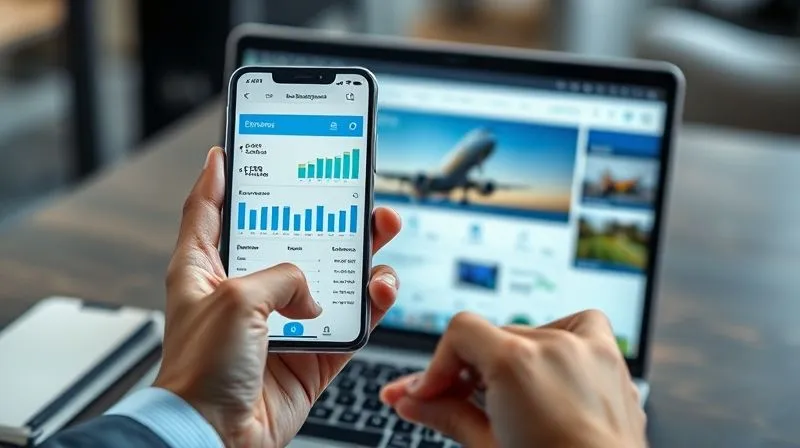
In today's digital age, technology is an indispensable ally for optimizing travel spending. From booking platforms to expense management software, these tools provide transparency, efficiency, and significant cost-saving opportunities. Relying on manual processes is not only time-consuming but also prone to errors and missed savings.
Expense Management Software: The Digital Accountant
Modern expense management software automates the entire reporting process, from receipt capture to reimbursement. This reduces administrative burden, minimizes human error, and provides real-time insights into spending patterns. Tools like SAP Concur, Expensify, or Rydoo are transformative.
- Automated Receipt Capture: Employees can simply snap photos of receipts, eliminating manual data entry.
- Policy Enforcement: The software can flag out-of-policy spending automatically, prompting immediate action.
- Data Analytics: Provides detailed reports on travel spend, helping identify areas for further optimization.
Price Comparison & Alert Tools: Your Personal Bargain Hunter
Utilizing online travel agencies (OTAs) and specialized price comparison websites is crucial. Beyond just booking, many tools offer price alerts, notifying you when prices for your desired route or hotel drop. This proactive approach ensures you never miss a potential saving.
- Utilize Metasearch Engines: Sites like Google Flights, Skyscanner, or Kayak aggregate prices from multiple sources.
- Set Price Alerts: Most major booking sites and metasearch engines offer email notifications for price changes.
- Browser Extensions: Install extensions that automatically apply coupon codes or compare prices across sites.
By effectively integrating these technological solutions, a professional can dramatically streamline their travel planning and expense tracking, ensuring that every booking is made at the most competitive price available.
3. Negotiation & Loyalty: Building Long-Term Savings
Beyond individual bookings, significant savings come from cultivating strategic relationships and leveraging loyalty. This long-term perspective is key to truly understanding how can a professional optimize travel spending for value.
Corporate Rates & Vendor Relationships
For organizations with frequent travelers, negotiating corporate rates directly with airlines, hotels, and car rental agencies is a game-changer. These rates often provide substantial discounts over public prices and may include added perks like free upgrades or flexible cancellation terms.
Building strong relationships with key vendors can lead to:
- Volume Discounts: The more you spend with a single vendor, the more leverage you have for discounts.
- Dedicated Account Managers: Personalized service and quicker resolution of issues.
- Value-Added Services: Free Wi-Fi, breakfast, late check-out, or lounge access.
Loyalty Programs & Perks: Turning Points into Savings
Encourage professionals to enroll in airline frequent flyer programs, hotel loyalty schemes, and credit card reward programs. Accumulating points and miles can lead to free flights, hotel stays, upgrades, and other valuable benefits, directly reducing future travel costs.
Case Study: How Apex Consulting Streamlined Travel Costs
Apex Consulting, a mid-sized firm with 50 consultants traveling frequently, faced escalating travel expenses. By consolidating their bookings with a preferred airline and hotel chain, they negotiated a 15% corporate discount. Simultaneously, they mandated that all consultants join the loyalty programs. Within 18 months, they accrued enough points to cover over $50,000 in flights and hotel stays for internal training and non-billable travel, effectively reducing their travel budget by 10% annually without compromising quality of travel.
| Loyalty Tier | Benefits | Cost Savings Potential |
|---|---|---|
| Basic | Earn points, basic discounts | Low |
| Silver | Priority boarding, free Wi-Fi, minor upgrades | Medium |
| Gold | Lounge access, free breakfast, significant upgrades | High |
| Platinum | Dedicated support, guaranteed availability, premium upgrades | Very High |
4. Optimizing Accommodation & Transportation
These two categories typically represent the largest portion of a travel budget. Strategic decisions here can yield substantial savings without sacrificing comfort or efficiency.
Alternative Accommodation Options
While traditional hotels remain a staple, exploring alternatives can significantly reduce costs, especially for longer stays or specific needs. Consider:
- Serviced Apartments: Often more spacious and cost-effective than hotels for extended trips, with kitchen facilities.
- Boutique Hotels: Sometimes offer better value and unique experiences compared to large chains, depending on location.
- Corporate Housing: Ideal for relocations or projects lasting several months, providing home-like amenities.
Always weigh the cost against the convenience, location, and amenities required for the specific trip.
Smart Flight & Ground Transport Choices
Choosing the right flight and ground transportation involves more than just selecting the cheapest option. It's about finding the most efficient and value-driven solution.
- Consider Layovers: Direct flights are convenient but often more expensive. A well-timed layover can save money if it doesn't significantly impact productivity or add undue stress.
- Off-Peak Travel: Flying mid-week or during off-season periods generally offers better rates.
- Public Transportation: Utilize trains, subways, or buses instead of taxis or ride-shares, especially in major cities with efficient public transport networks.
- Car Rental Alternatives: For short distances, consider ride-sharing apps, but for longer trips or multiple stops, a rental might be more cost-effective. Always compare total cost including parking and fuel.
The goal is to minimize time wasted and maximize comfort within budget, ensuring the professional arrives ready and refreshed.

5. Per Diem vs. Actuals: A Strategic Choice
When it comes to daily expenses like meals and incidentals, organizations often choose between a fixed per diem rate or reimbursement based on actual expenses. Each approach has its merits and drawbacks, and understanding them is crucial for effective budget management.
Understanding the Trade-offs
Per Diem: A fixed daily allowance provided to the traveler, regardless of actual spending. It simplifies expense reporting and forecasting.
- Pros: Easy administration, predictable costs, reduces need for detailed receipts, empowers traveler autonomy.
- Cons: Can be over or under generous, no visibility into actual spending habits, potential for misuse if not monitored.
Actuals: Reimbursement for every expense incurred, requiring detailed receipts and often itemized reporting.
- Pros: Accurate reflection of spending, ensures no overpayment, better data for future budget planning.
- Cons: High administrative burden, requires meticulous record-keeping by travelers, slower reimbursement process.
When to Choose Which
In my experience, per diems work best for routine, shorter trips where daily expenses are fairly predictable and consistent. They empower the professional to manage their own spending, encouraging thriftiness. However, for longer, more complex trips with varying daily needs, or for high-level executives where detailed spending analysis is critical, actuals might be preferable. Many organizations opt for a hybrid model, using per diems for meals and incidentals, but requiring actuals for major expenses like accommodation and airfare. Always consult official guidelines, such as those provided by the GSA for per diem rates, to ensure compliance.
Expert Insight: "The most effective approach often involves setting a reasonable per diem, then allowing exceptions for legitimate, pre-approved circumstances where actuals would significantly exceed the per diem due to specific business needs. This balances control with flexibility."
6. The Hidden Costs: Mitigating Unforeseen Expenses
Travel budgets are frequently derailed by expenses that aren't immediately obvious during the planning phase. Addressing these 'hidden costs' proactively is a hallmark of truly optimized travel spending.
Travel Insurance & Risk Management
While an upfront cost, comprehensive travel insurance is a critical investment. It protects against unforeseen circumstances such as trip cancellations, medical emergencies abroad, lost luggage, or travel delays. The cost of a single incident can far outweigh the premium.
- Trip Cancellation/Interruption: Covers non-refundable expenses if a trip is cut short or cancelled.
- Medical Emergencies: Essential for international travel where domestic health insurance may not apply.
- Baggage Loss/Delay: Reimburses for lost items or essential purchases during delays.
According to a Deloitte report, travel insurance can be a significant factor in mitigating financial risk for businesses and individuals alike.
Data Roaming & Connectivity
Staying connected is non-negotiable for professionals, but exorbitant international roaming charges can quickly inflate expenses. This is an area where proactive planning offers significant savings.
- Local SIM Cards: Purchase a local SIM card upon arrival for significantly cheaper data and calls.
- Portable Wi-Fi Hotspots: Renting or purchasing a portable hotspot can provide secure, unlimited internet for multiple devices.
- E-SIMs: For newer phones, an e-SIM allows you to switch to local data plans digitally without needing a physical SIM.
- Hotel/Airport Wi-Fi: Utilize free Wi-Fi where available, but always be mindful of cybersecurity risks on public networks.
Expert Insight: "Never assume your domestic data plan will suffice internationally. A few days of unchecked roaming can easily add hundreds to a travel bill. Plan your connectivity as diligently as your flights."
7. Post-Travel Analysis: Learning and Adapting
The optimization process doesn't end when the traveler returns. The data collected from each trip is a goldmine for refining future strategies and ensuring continuous improvement in how can a professional optimize travel spending for value.
Expense Report Audits: The Devil is in the Details
Thoroughly auditing expense reports is crucial. This isn't about micromanaging, but about identifying trends, enforcing policies, and catching discrepancies. Automated expense management systems greatly assist this process by flagging out-of-policy spending automatically.
- Policy Compliance Checks: Ensure all expenses align with the established travel policy.
- Receipt Verification: Cross-reference reported expenses with uploaded receipts.
- Fraud Detection: Identify any suspicious patterns or duplicate claims.
Data Analytics for Future Planning
The real power of post-travel analysis lies in leveraging data to inform future decisions. By analyzing aggregated travel spend, organizations can identify areas of overspending, negotiate better vendor contracts, and refine their travel policies.
- Categorize Spending: Break down expenses by category (flights, hotels, meals, ground transport) to see where the bulk of the budget goes.
- Identify Peak Travel Times/Routes: Understand when and where travel is most expensive to plan alternatives or negotiate better rates.
- Traveler Behavior Analysis: Identify which travelers or departments are most efficient in their spending.
- ROI Assessment: For major trips, evaluate if the business outcome justified the travel expense.
This data-driven approach allows for agile adjustments to travel strategies, ensuring continuous optimization.

| Expense Category | Q1 Spend | Q1 Savings Potential |
|---|---|---|
| Airfare | $150,000 | 15% |
| Accommodation | $90,000 | 10% |
| Ground Transport | $30,000 | 20% |
| Meals & Incidentals | $40,000 | 5% |
8. Employee Well-being: The ROI of Comfort
While cost-cutting is vital, it must never come at the expense of employee well-being. A miserable traveler is an unproductive traveler, and the hidden costs of burnout, stress, and decreased morale far outweigh any marginal savings from overly stringent policies.
Balancing Savings with Morale
Striking the right balance is an art. It involves understanding that not all comfort is a luxury; some aspects are essential for a professional to perform at their best. Forcing professionals into uncomfortable seating, inconvenient connections, or substandard accommodation can lead to fatigue, reduced focus, and ultimately, a negative impact on business objectives.
- Consider Travel Time: Long, arduous journeys for short meetings are counterproductive.
- Reasonable Accommodation: Ensure hotel safety, cleanliness, and proximity to meeting locations.
- Meal Allowances: Adequate per diems prevent professionals from feeling deprived or stressed about food costs.
Providing Essential Comforts
Investing in small comforts can have a significant return on investment in terms of employee satisfaction and productivity. This might include allowing business class for long-haul international flights, providing lounge access during long layovers, or offering a choice of preferred hotels within a budget. As a Harvard Business Review article highlights, employee satisfaction directly impacts business outcomes.
Expert Insight: "Don't view comfort as a perk; view it as a productivity enabler. A well-rested, comfortable professional is far more likely to close that deal or deliver that impactful presentation."

Frequently Asked Questions (FAQ)
Q: How do I get buy-in from my team for new, stricter travel policies? A: Transparency and communication are key. Explain the 'why' behind the changes – how optimizing travel spending for value ultimately benefits the company's long-term health and can even free up funds for other employee benefits. Involve key team members in the policy-making process to foster a sense of ownership, and emphasize tools that simplify their expense reporting.
Q: Is it always better to book the cheapest flight or hotel? A: Not always. While cost is a major factor, value is paramount. The cheapest option might involve inconvenient layovers, poor service, or a distant hotel, leading to lost productivity or increased stress. Evaluate the total cost of the trip, including time, comfort, and potential impact on business objectives, before making a decision. Sometimes, a slightly higher initial spend yields greater overall value.
Q: How can small businesses compete with larger corporations for corporate rates? A: Small businesses can leverage travel management companies (TMCs) that aggregate demand from multiple small clients to negotiate better rates. Alternatively, focus on building loyalty with a single airline or hotel chain to gain status and benefits, or explore business-specific credit cards that offer travel rewards and perks.
Q: What's the best way to track travel expenses effectively? A: Implement an automated expense management software. These tools allow travelers to capture receipts digitally, automatically categorize expenses, and flag out-of-policy spending. This not only streamlines the reporting process for employees but also provides finance teams with real-time data and robust auditing capabilities.
Q: Should I allow personal travel combined with business trips (bleisure travel)? A: Yes, with clear guidelines. 'Bleisure' travel can boost morale and retention, but the policy must clearly define what expenses are business-related and what are personal. Typically, the business covers the core business travel component (e.g., flight to/from destination, hotel during business days), and the employee covers all incremental costs associated with the personal extension. This requires meticulous expense tracking but can be a win-win.
Key Takeaways and Final Thoughts
- Strategy First: Optimize travel spending for value by starting with a clear, well-communicated travel policy and strategic planning.
- Embrace Technology: Leverage expense management software and price comparison tools for efficiency and cost control.
- Cultivate Relationships: Negotiate corporate rates and maximize loyalty programs for long-term savings.
- Holistic View: Consider all aspects of travel, from accommodation and transport to hidden costs like insurance and connectivity.
- Data-Driven Decisions: Utilize post-travel analysis to refine strategies and ensure continuous improvement.
- Prioritize Well-being: Balance cost-saving with traveler comfort and productivity; a happy traveler is a productive asset.
Optimizing travel spending isn't about nickel-and-diming every expense; it's about intelligent, value-driven decision-making that supports your professional goals and your organization's financial health. By implementing these expert strategies, you're not just cutting costs – you're investing smarter, traveling more effectively, and ultimately, driving greater success. Embrace these principles, and watch your travel budget transform from a necessary evil into a strategic asset.
Recommended Reading
- Crush Student Debt & Build Wealth: 7 Steps to Retire Early
- Fast Credit Fix: How To Remove Late Payments Hurting Your Score
- Unlock the Secret: How to Identify Undervalued Growth Stocks for Beginners
- Future-Proof Your Wealth: How Retirement Age Drastically Affects Finances
- Unlock Startup Funding: How to Get a Business Loan with Bad Credit





Comments
Leave a comment below. Your email will not be published. Required fields marked with *