



How to Get a Startup Business Loan with Bad Credit: Your Ultimate Guide
Imagine this: You've poured your heart and soul into a groundbreaking startup idea. You've meticulously crafted a business plan, identified a gaping market need, and assembled a passionate team. The only thing standing between you and launching your dream venture is funding. But then, a daunting question arises: What if your personal credit score isn't as pristine as your business vision?
Many aspiring entrepreneurs face this exact dilemma. A less-than-perfect credit history can feel like an insurmountable barrier when seeking the capital needed to get a new business off the ground. Traditional lenders often view startups as inherently risky, and when combined with a low credit score, the chances of approval can seem slim to none, leaving many feeling disheartened and stuck.
This comprehensive guide is your roadmap to understanding, navigating, and ultimately overcoming the challenges of securing a startup business loan with bad credit. We'll demystify the options available, equip you with strategies to improve your chances, and explore alternative funding avenues you might not have considered, ensuring your entrepreneurial journey doesn't end before it even begins.
Understanding Bad Credit in Business Lending
Before diving into solutions, it's crucial to grasp what 'bad credit' signifies in the context of business lending and why it poses a challenge. Lenders assess risk, and your credit score is a primary indicator of that risk.
What Constitutes "Bad Credit" for a Business?
For startups, especially those without an established business credit history, your personal credit score is often the primary factor lenders consider. A FICO score below 600-620 is generally considered 'bad' or 'poor' credit. This indicates a history of missed payments, high credit utilization, or even bankruptcies, signaling a higher risk of default to potential lenders.
While established businesses develop their own Paydex score (Dun & Bradstreet) or similar business credit scores, a new startup relies heavily on the owner's personal financial responsibility. Therefore, if you're looking to get a startup business loan with bad credit, it's your personal financial health that's under scrutiny.
The Lender's Perspective on Risk
Lenders are in the business of making money, and that means minimizing losses. When they see a low credit score, they interpret it as a higher probability that the borrower might not repay the loan. This increased risk translates into either higher interest rates, stricter terms, or outright denial of funding. They are looking for stability and a demonstrated ability to manage debt responsibly.
Factors like your debt-to-income ratio, payment history on past and current debts, the presence of collections or charge-offs, and recent credit inquiries all contribute to this risk assessment. Understanding this perspective is the first step in addressing the challenge of how to get a startup business loan with bad credit.
Why Traditional Lenders Often Say No
Traditional banks and credit unions are often the first port of call for entrepreneurs seeking funding. However, their lending models are typically designed for established businesses with strong financial histories, making them less accessible for startups, especially those with credit challenges.
The Strict Criteria of Banks
Banks operate under stringent regulations and have a lower tolerance for risk. Their typical requirements for business loans include:
- Strong Personal Credit Score: Often 680 or higher, even for startup loans where the business itself has no credit history.
- Collateral: Assets that can be seized if the loan defaults, such as real estate, equipment, or accounts receivable.
- Established Revenue and Profitability: Banks prefer to see a track record of consistent income, which startups inherently lack.
- Time in Business: Many require at least two years of operation.
These criteria often create a Catch-22 for new businesses. You need funding to grow, but you need growth to get funding. When you add bad credit into the mix, the traditional banking door can seem firmly shut.
The "Startup" Dilemma
Even with good credit, startups face hurdles because they lack a proven business model, customer base, or revenue stream. Lenders have no historical data to evaluate the business's ability to generate profit and repay debt. This inherent uncertainty is amplified when the owner's personal financial history suggests a higher propensity for default. It's a double whammy that makes the question of how to get a startup business loan with bad credit even more pressing.
Alternative Funding Avenues for Bad Credit Startups
While traditional banks might be a tough nut to crack, the financial landscape has evolved, offering a variety of alternative options for entrepreneurs seeking a startup business loan with bad credit. These lenders often have more flexible criteria and focus on different aspects of your business's potential.
Online Lenders: A Flexible Option
Online lenders have revolutionized access to capital. They often have streamlined application processes, faster approval times, and are more willing to work with borrowers who have less-than-perfect credit scores. They use algorithms to assess risk, often considering factors beyond just credit scores, such as bank account activity, cash flow, and industry type.
- Pros: Quick access to funds, less stringent credit requirements, convenient application process.
- Cons: Generally higher interest rates and shorter repayment terms compared to traditional banks.
While they might not offer the cheapest rates, online lenders can be a lifeline for a startup business loan with bad credit, providing the necessary capital to get your operations off the ground.
Microloans: Small but Significant
Microloans are small loans, typically ranging from a few hundred to $50,000, often provided by non-profit organizations or Community Development Financial Institutions (CDFIs). These organizations are specifically designed to support underserved entrepreneurs, including those with bad credit, and foster economic development in communities.
CDFIs often provide not just capital but also business support, mentoring, and financial literacy training. Their focus is on the borrower's potential and the social impact of the business, making them a compassionate choice for how to get a startup business loan with bad credit.
SBA Loans (with a Caveat)
The U.S. Small Business Administration (SBA) doesn't directly lend money but guarantees a portion of loans made by participating lenders. This guarantee reduces the risk for lenders, making them more willing to approve loans to businesses they might otherwise reject. While SBA loans often have more favorable terms and lower interest rates, lenders still have their own credit requirements.
However, programs like the SBA Microloan Program and certain aspects of the SBA 7(a) Loan Program can be more accessible. Lenders participating in these programs might be more flexible if you have a strong business plan and can demonstrate repayment ability, even with a lower personal credit score. A personal guarantee is almost always required. You can explore more about these programs on the official SBA website.
Equipment Financing
If your startup requires specific machinery, vehicles, or technology, equipment financing can be a viable option. In this type of loan, the equipment itself serves as collateral, reducing the risk for the lender. This means that your personal credit score might be less of a barrier, as the lender can repossess the equipment if you default.
This is an asset-backed loan, making it easier to secure even when you have bad credit, as the lender has a tangible asset to recover. It's an excellent way to get the necessary tools without needing perfect credit.
Invoice Factoring/Receivable Financing
While not a traditional loan, invoice factoring or accounts receivable financing can provide immediate cash flow by allowing you to sell your outstanding invoices to a third party (the factor) at a discount. The factor then collects payment directly from your customers.
This option is less dependent on your credit score and more on the creditworthiness of your customers. It's particularly useful for B2B startups that have long payment terms with clients and need working capital to bridge the gap between providing a service and getting paid.
Strategies to Improve Your Chances of Loan Approval
Even with bad credit, there are proactive steps you can take to significantly improve your likelihood of securing a startup business loan. It's about mitigating risk for the lender and presenting your business in the best possible light.
Focus on Your Business Plan
A meticulously crafted business plan is your most powerful tool. It demonstrates your understanding of the market, your operational strategy, and your financial projections. Lenders want to see that you have a clear vision and a viable path to profitability. Even if your credit score is low, a compelling business plan can convince a lender of your business's potential.
Highlight your unique selling proposition, market analysis, competitive advantages, and a realistic financial forecast. This plan shows you're serious and have thought things through, which can outweigh some credit concerns.
Personal Guarantees and Collateral
Most lenders will require a personal guarantee for a startup business loan, especially with bad credit. This means you are personally liable for the loan if your business defaults. While it increases your personal risk, it significantly reduces the lender's risk, making them more comfortable extending credit.
Offering collateral, such as real estate, vehicles, or high-value equipment you own, can further strengthen your application. Collateral provides the lender with a safety net, making them more likely to approve your loan even if your credit score is a concern. It directly addresses how to get a startup business loan with bad credit by offering additional security.
Co-Signers: Leveraging Stronger Credit
If you have a business partner, friend, or family member with excellent credit who is willing to co-sign the loan, this can dramatically improve your chances. A co-signer essentially pledges their own creditworthiness and assets as a guarantee for the loan, sharing the responsibility for repayment.
This is a significant commitment for the co-signer, as their credit will be affected if your business defaults. Ensure all parties understand the implications before pursuing this route.
Improving Your Personal Credit Score
While you might need a loan now, taking steps to improve your personal credit score in the long run will open up more favorable lending opportunities. Strategies include:
- Pay Bills on Time: Payment history is the most critical factor in your credit score.
- Reduce Credit Card Balances: Aim for credit utilization below 30%.
- Address Derogatory Marks: Dispute inaccuracies on your credit report and work to resolve collections.
- Avoid New Credit Applications: Too many inquiries can temporarily lower your score.
Even small improvements can make a difference. Resources like Experian's guide to improving credit scores can provide detailed steps.
Building Business Credit (Even as a Startup)
Even as a startup, you can begin building a separate business credit profile. This separates your personal finances from your business and can eventually allow your business to qualify for loans based on its own merit, rather than your personal credit.
Steps include obtaining an Employer Identification Number (EIN), opening a dedicated business bank account, registering with business credit bureaus (like Dun & Bradstreet), and applying for vendor credit with suppliers who report to these bureaus.
Preparing Your Application: What Lenders Really Look For
Regardless of your credit score, a well-prepared application is paramount. Lenders, especially those considering a startup business loan with bad credit, will scrutinize every detail to assess risk and potential.
The Comprehensive Business Plan
As mentioned, this is your foundation. Ensure it includes:
- Executive Summary: A compelling overview of your business and its goals.
- Company Description: What your business does, its mission, and legal structure.
- Market Analysis: In-depth research on your target market, industry, and competition.
- Organization and Management: Details about your team's experience and roles.
- Service or Product Line: What you offer and its lifecycle.
- Marketing and Sales Strategy: How you plan to reach customers.
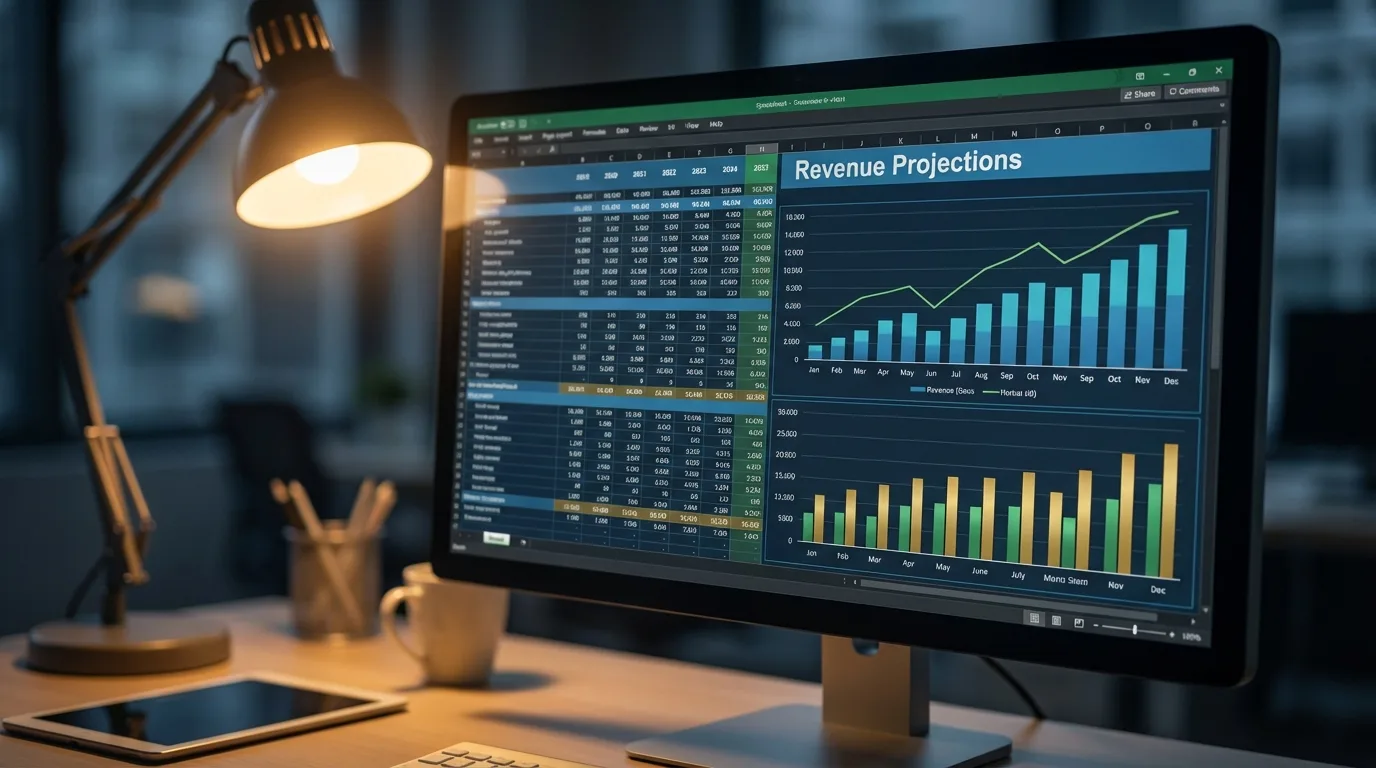
- Financial Projections: Detailed forecasts of income, expenses, and cash flow for at least the next 3-5 years.
Be realistic and transparent in your projections. Lenders appreciate honesty over overly optimistic figures.
Financial Documentation
Even as a startup, you'll need to provide financial documents. These typically include:
- Personal tax returns (last 2-3 years)
- Personal bank statements (last 6-12 months)
- Any existing business bank statements (if applicable)
- Detailed financial projections (profit & loss, cash flow, balance sheet)
- List of assets and liabilities (personal and business)
- Proof of any existing contracts or letters of intent from customers
Having these documents organized and readily available will streamline the application process and demonstrate your preparedness.
Demonstrating Repayment Ability
This is where your financial projections truly shine. Lenders want to see how you plan to generate enough revenue to cover your loan payments. Highlight:
- Cash Flow Projections: Show how you expect money to move in and out of your business.
- Revenue Streams: Clearly define where your income will come from.
- Break-Even Analysis: Demonstrate when your business is expected to become profitable.
- Contingency Plans: What will you do if sales are slower than expected?
A compelling narrative backed by solid numbers will reassure lenders, even when considering how to get a startup business loan with bad credit.
Beyond Loans: Other Funding Options to Consider
While our focus has been on how to get a startup business loan with bad credit, it's worth exploring other avenues that might not involve traditional debt, especially if loans remain out of reach or you prefer alternative funding models.
Bootstrapping: Self-Funding Your Dream
Bootstrapping means funding your business using personal savings, early sales revenue, and minimal outside capital. This is the leanest approach and avoids debt altogether. It requires discipline and often a slower growth trajectory, but it gives you complete control and proves your commitment to investors down the line.
Many successful companies started by bootstrapping, proving that significant external funding isn't always necessary from day one. It's a powerful way to demonstrate viability before seeking a startup business loan with bad credit.
Crowdfunding Platforms
Crowdfunding allows you to raise small amounts of money from a large number of people, typically via online platforms. There are several types:
- Reward-Based Crowdfunding: Donors receive a product or perk in exchange for their contribution (e.g., Kickstarter, Indiegogo). This is excellent for validating your idea and building a customer base.
- Equity Crowdfunding: Investors receive a small equity stake in your company in exchange for their money. This is more regulated but can provide significant capital without debt.
- Debt Crowdfunding (P2P Lending): Individuals lend money to your business with the expectation of repayment plus interest. Your credit score might still be a factor here, but often less stringent than traditional banks.
Crowdfunding focuses on your product's appeal and your story, rather than solely on your credit history.
Angel Investors and Venture Capital (with Bad Credit Nuance)
Angel investors are wealthy individuals who provide capital for a startup, usually in exchange for equity. Venture capitalists are firms that invest in high-growth potential startups, also for equity.
While these sources typically don't care about your personal credit score (they're investing in the business's potential for massive returns), they are highly selective. They look for disruptive ideas, strong teams, and scalable business models. If your credit is bad, you'll need to demonstrate exceptional potential in other areas to attract this type of investment. They focus on the 'why' behind your business, not your credit past.
Grants for Startups
Grants are non-repayable funds typically offered by government agencies, foundations, or corporations to support specific initiatives or industries. They are highly competitive and often come with strict eligibility criteria and reporting requirements.
While not a common solution for general operating capital, if your startup aligns with specific social, environmental, or technological goals (e.g., green tech, medical research, underserved communities), you might qualify. Searching for grants relevant to your industry or demographic can be a long shot but worth investigating. Resources like Grants.gov or specific industry associations can be a starting point.
Common Pitfalls to Avoid When Seeking Funding
Even with alternative options available, the path to securing a startup business loan with bad credit is fraught with potential missteps. Being aware of these pitfalls can save you time, effort, and even financial hardship.
Hiding Your Credit Issues
Transparency is key. Do not attempt to conceal or misrepresent your credit history. Lenders will conduct thorough background checks, and discovering discrepancies will immediately lead to a rejection and damage your credibility. Be upfront about your challenges and focus on how you plan to mitigate the risk for the lender.
It's better to address your bad credit head-on, explaining the circumstances (if appropriate) and outlining your plan to manage your finances responsibly moving forward. This demonstrates maturity and honesty.
Applying to Too Many Lenders Simultaneously
Each time you apply for a loan, a hard inquiry is typically made on your credit report. Too many hard inquiries in a short period can further lower your credit score, signaling to lenders that you are desperate for credit or are a higher risk. Research lenders carefully and apply only to those for whom you genuinely meet the basic (even if flexible) criteria.
Focus on a few promising options rather than a scattergun approach. This strategic approach is crucial when trying to get a startup business loan with bad credit.
Not Understanding Loan Terms
When you are approved for a loan, especially from alternative lenders, it's easy to get excited and overlook the fine print. Always read and fully understand the loan terms, including interest rates (APR vs. simple interest), repayment schedule, fees (origination fees, prepayment penalties), and any collateral requirements.
High interest rates or hidden fees can quickly make an affordable loan unaffordable. If something is unclear, ask for clarification before signing any agreement. Don't let desperation lead you into a financially unfavorable situation.
Lack of a Solid Business Plan
We've emphasized this throughout, but it bears repeating. Approaching lenders without a well-researched, detailed, and realistic business plan is a recipe for rejection. It signals a lack of seriousness and preparedness. Even if you have bad credit, a compelling plan can be your strongest asset.
Your business plan is your opportunity to sell your vision and demonstrate that, despite past credit issues, your future business endeavors are sound and capable of generating revenue to repay the loan.
Frequently Asked Questions (FAQ)
Can I get an SBA loan with bad credit? While SBA loans are guaranteed by the government, the lenders still have their own credit requirements. However, the SBA Microloan program and some 7(a) loan options are more flexible, often requiring a strong business plan and personal guarantee over perfect credit. It's challenging but not impossible.
What's the fastest way to get a startup loan with bad credit? Online lenders often offer the fastest application and approval processes, sometimes providing funds within days. Microloan providers can also be relatively quick, though they may involve more personal interaction and mentorship.
Do I need collateral for a bad credit startup loan? It depends on the lender and loan type. Many alternative lenders, especially online ones, may offer unsecured loans, but they often come with higher interest rates. Offering collateral, such as equipment or receivables, can significantly improve your chances and potentially lower interest rates, even with bad credit.
How long does it take to improve my credit for a business loan? Significant credit score improvement can take anywhere from 6 months to several years, depending on the severity of your bad credit. Consistent on-time payments, reducing debt, and addressing negative marks are key. Small improvements can be seen relatively quickly, but major changes take time.
Are business credit cards an option for bad credit startups? Some business credit cards are designed for those with fair or limited credit, but options for truly 'bad' credit are rare. They often require a personal guarantee and may have high interest rates. Secured business credit cards, requiring a deposit, might be a more accessible starting point to build business credit.
Recommended Reading
- Fix Credit Report Errors Myself? The Ultimate Guide
- Unlock Startup Success: Financial Projections for Funding Revealed
- The Smart Move: Knowing When to Drop Collision Car Insurance and Save
- Ethically Invest in Sustainable Brands: The Ultimate Guide
- Car Broke Down, No Money? Your Ultimate Guide to Getting Back on the Road!
Conclusion
Navigating the landscape of startup business loans with bad credit can seem daunting, akin to climbing a steep mountain with limited gear. However, as this guide has illuminated, the path is not insurmountable. By understanding the nuances of how lenders assess risk, exploring the diverse array of alternative funding sources, diligently preparing your business plan and financial documentation, and proactively implementing strategies to improve your financial standing, you can significantly increase your chances of securing the capital your startup needs.
Remember, securing a startup business loan with bad credit is challenging but not impossible. It demands patience, persistence, and a willingness to adapt your approach. With the right knowledge, diligent preparation, and a strategic exploration of alternative avenues, your entrepreneurial dream is within reach. Don't let past financial missteps define your future business success; instead, use this guide to forge a new path forward.




Comments
Leave a comment below. Your email will not be published. Required fields marked with *