



What Critical Due Diligence for Buying Occupied Foreclosures? A Veteran Investor's Guide
For over two decades in the real estate finance world, I've witnessed countless investors, both seasoned and novice, stumble when it comes to acquiring occupied foreclosures. It's a niche filled with immense potential, offering attractive discounts and equity opportunities, but it's also a minefield for the unprepared. The allure of a bargain can often blind buyers to the intricate layers of risk involved, particularly when a property is still inhabited.
The core problem isn't just identifying a good deal; it's understanding the unique challenges that come with an occupied asset. You're not just buying bricks and mortar; you're inheriting a human situation, often fraught with legal complexities, emotional distress, and unforeseen financial drains. Without a robust due diligence framework, what looks like a golden opportunity can quickly turn into a costly, protracted nightmare.
In this definitive guide, I'll walk you through the absolutely critical due diligence steps for buying occupied foreclosures. We'll delve into actionable frameworks, share real-world insights, and provide a clear roadmap to navigate these treacherous waters. My goal is to equip you with the expertise to confidently assess, acquire, and manage these unique investment opportunities, transforming potential pitfalls into profitable ventures.
Understanding the Occupancy Landscape: Tenants vs. Former Owners
The first and most fundamental step in your due diligence process is to clearly identify who is occupying the property and under what legal status. This isn't always straightforward, and making assumptions here is a critical mistake I've seen far too many times. The rights and responsibilities you inherit, and the path to gaining vacant possession, differ dramatically based on whether you're dealing with a former homeowner or a legitimate tenant.
Identifying the Occupant's Status
Start by gathering as much information as possible. Is the occupant the original homeowner who defaulted on the mortgage, or are they a tenant with a lease agreement? Public records might indicate the last owner, but won't tell you about current tenants. Often, the bank or servicer may have limited information, or it could be outdated. This is where your investigative work truly begins.
- Former Homeowner: If the previous owner is still in residence, they are typically considered a 'holdover' occupant. Their rights are generally more limited than those of a bona fide tenant, but the eviction process can still be lengthy and emotionally charged.
- Bona Fide Tenant: A tenant with a valid, unexpired lease agreement is usually protected by federal and state laws, most notably the Protecting Tenants at Foreclosure Act (PTFA), which was made permanent in 2018. This often means you must honor their lease for its duration or provide adequate notice.
- Other Occupants: Sometimes you might encounter squatters, family members without a formal lease, or even unknown individuals. Each scenario presents its own set of legal and practical challenges for removal.
Implications of "Cash for Keys"
Regardless of the occupant's status, one of the most effective, albeit often overlooked, strategies is "Cash for Keys." This isn't a legal requirement, but a negotiation tactic. Instead of pursuing a lengthy and costly eviction, you offer the occupant a sum of money to voluntarily vacate the property within a specified timeframe, leaving it in good condition. I've found this approach can save significant time, legal fees, and potential property damage.
However, implementing a "Cash for Keys" agreement requires careful planning and legal drafting. It's not just handing over cash; it's a contract with specific terms and conditions, often involving escrow and a final walkthrough. Understanding the psychology of the situation and approaching it with empathy can greatly improve your chances of a successful, peaceful resolution.
The Paramount Importance of Title Search & Lien Investigation
Before you even consider making an offer on an occupied foreclosure, a comprehensive title search is non-negotiable. I cannot stress this enough. In my years, I've seen deals collapse, and investors lose significant capital, due to unforeseen encumbrances that a cursory title check simply missed. This isn't just about ensuring clear ownership; it's about uncovering any financial liabilities that will transfer with the property.
Uncovering Hidden Liens and Encumbrances
A thorough title search will reveal all recorded interests against the property. This includes the obvious, like the foreclosing mortgage, but also the less obvious, such as:
- Junior Mortgages: Other lenders who had a lien on the property subsequent to the foreclosing mortgage. While often wiped out by a senior foreclosure, this isn't always guaranteed, and their presence can complicate things.
- Tax Liens: Unpaid property taxes or federal tax liens can survive foreclosure and become your responsibility. These are particularly dangerous as they often take priority over even senior mortgages.
- Mechanic's Liens: If work was done on the property and not paid for, contractors can place a lien. These can sometimes survive foreclosure, depending on state law and filing dates.
- HOA/Condo Liens: Unpaid homeowner association or condominium fees can accumulate rapidly and may have super-priority status in some states, meaning they can survive foreclosure.
- Utility Liens: In some jurisdictions, unpaid utility bills can attach to the property as a lien.
Each of these can represent a significant financial obligation that you, as the new owner, would inherit. Due diligence here means understanding the hierarchy of liens and the specific laws in your state regarding their survival post-foreclosure.
Navigating Junior Liens and Redemption Rights
While a primary foreclosure typically extinguishes junior liens, there are nuances. Some states have statutory redemption periods, allowing the foreclosed owner or junior lienholders to 'redeem' the property by paying off the foreclosure sale price plus costs within a certain timeframe. This is a critical risk factor for any investor. Imagine you've bought, renovated, and even found a new tenant, only for the previous owner to redeem the property.
"A clean title isn't a luxury in occupied foreclosures; it's the bedrock of your investment. Without it, you're building on quicksand, no matter how good the deal seems on paper."
I always advise clients to work with an experienced title company that specializes in foreclosures. They understand the intricacies of judicial vs. non-judicial foreclosures, the impact of various liens, and the potential for redemption. It's an investment that pays for itself many times over. For more insights on the complexities of title insurance, I recommend consulting resources like the American Land Title Association (ALTA).
Comprehensive Property Condition Assessment: Beyond the Visual
Inspecting any property is crucial, but for an occupied foreclosure, it becomes a high-stakes challenge. Unlike vacant properties where you can schedule a full inspection, access to an occupied home is often limited or impossible. This forces you to get creative and resourceful in your property condition assessment, piecing together clues to understand the true state of the asset you're considering.
The Challenges of Inspecting Occupied Homes
Occupants, particularly former owners facing eviction, are often uncooperative. They may deny access, obstruct views, or even intentionally damage the property. This means a standard, interior walkthrough with a licensed inspector is rarely feasible. You cannot rely on the seller (the bank or servicer) to provide a detailed property condition report, as their knowledge is often limited to what they can observe from the exterior or through outdated appraisals.
I've seen situations where investors bought properties sight unseen, only to discover extensive interior damage, missing fixtures, or severe deferred maintenance once they finally gained possession. These hidden issues can quickly erode any perceived discount and significantly inflate your renovation budget and timeline.
Utilizing Exterior Observations and Public Records
Given the access limitations, your due diligence must lean heavily on external observation and available documentation. Here's what I recommend:
- Drive-by Inspections: Conduct multiple drive-bys at different times of day. Look for signs of structural issues (sagging roof, cracked foundation), exterior maintenance (peeling paint, overgrown landscaping), and general upkeep. Are utilities active? Is there trash accumulating?
- Drone Photography/Satellite Imagery: For difficult-to-access areas like roofs or large lots, consider using drone photography. Satellite imagery (Google Maps, etc.) can provide historical context and current roof conditions.
- Permit History Research: Check local building department records for any past permits issued for renovations, additions, or major repairs. This can reveal previous issues or improvements.
- Previous Appraisal/BPO: If available, review any Broker Price Opinions (BPOs) or appraisals conducted for the bank. While not a full inspection, they often include exterior photos and basic condition notes.
- Neighbor & Community Intelligence: Discreetly speak to neighbors (without revealing your intent to buy or discussing the occupants) about the general condition of homes in the area and any known issues with the property.
Remember, your goal is to identify red flags that warrant further investigation or to factor in significant repair costs into your offer. Always budget for the worst-case scenario when interior access is denied.

Deciphering Tenant Rights and Eviction Protocols
This is arguably the most complex and potentially costly aspect of buying an occupied foreclosure. The legal landscape surrounding tenant rights is intricate and varies significantly by jurisdiction. Failing to understand these protections can lead to lengthy, expensive, and emotionally draining eviction processes. As an investor, you must approach this with both legal precision and strategic empathy.
Federal and State Tenant Protections (PTFA)
The Protecting Tenants at Foreclosure Act (PTFA) is a federal law that grants specific rights to bona fide tenants in foreclosed properties. If a tenant has a lease that predates the notice of foreclosure, you, as the new owner, generally must:
- Honor the remainder of the lease, unless you intend to occupy the property as your primary residence.
- If you intend to occupy, or if the lease is month-to-month, you must provide at least 90 days' notice to vacate.
However, the PTFA is a baseline. Many states and even local municipalities have their own, often stronger, tenant protection laws. These can include extended notice periods, relocation assistance requirements, stricter definitions of "for cause" evictions, and rent control ordinances. You must research the specific laws that apply to the property's location. A failure to comply can result in fines, legal fees, and significant delays in gaining possession.
Understanding Lease Agreements and Estoppel Certificates
If you suspect a tenant is in place, your due diligence must include attempting to obtain a copy of their lease agreement. This document is critical as it outlines the terms of their tenancy, rent amount, security deposit, and expiration date. The foreclosing bank may or may not have this on file, or it may be outdated.
A powerful tool in this scenario is an Estoppel Certificate. This is a legally binding document signed by the tenant, verifying the current terms of their lease, the amount of rent paid, the security deposit held, and any outstanding issues. It essentially prevents the tenant from later claiming different terms than those stated. Requesting an estoppel certificate, even if through the bank or a third party, is a crucial step to confirm the tenant's claims and mitigate future disputes.
Navigating these legal waters requires expert guidance. I strongly recommend consulting with a real estate attorney who specializes in landlord-tenant law in the specific jurisdiction where the property is located. They can help you understand your obligations and outline the correct legal procedures for gaining possession, whether through a "Cash for Keys" negotiation or a formal eviction process. For more detailed information on tenant rights, government housing resources are invaluable, such as those provided by the U.S. Department of Housing and Urban Development (HUD).
| Scenario | Key Challenge | Eviction Process | Average Timeline (approx.) |
|---|---|---|---|
| Former Owner Occupied | Emotional resistance, potential for damage | Typically unlawful detainer, no tenant protections | 30-90+ days |
| Bona Fide Tenant (PTFA) | Honoring lease, 90-day notice requirement | Post-lease expiration or 'for cause' eviction | 90-180+ days |
| Tenant (Strong Local Laws) | Extended notice, relocation assistance, rent control | Highly regulated, specific grounds required | 120-365+ days |
| Squatters/Unauthorized Occupants | Proving lack of legal right to occupy | Varies by state, often quicker than tenant eviction | 15-60+ days |
Financial Projections and Risk Mitigation: The True Cost
Many investors focus solely on the purchase price of an occupied foreclosure, overlooking the significant holding costs and potential expenses associated with gaining vacant possession. This tunnel vision is a recipe for financial distress. Your due diligence must extend to a meticulous financial projection that accounts for every possible cost, transforming potential risks into quantifiable figures.
Calculating Holding Costs and Eviction Expenses
The moment you close on an occupied foreclosure, your holding costs begin, even if you're not generating rental income. These can include:
- Property Taxes: These accrue regardless of occupancy.
- Insurance: You'll need hazard insurance, and potentially vacant property insurance once the occupant leaves, which can be more expensive.
- HOA Dues: If applicable, these are non-negotiable.
- Utilities: You may need to pay for utilities to keep them active, especially during winter months to prevent burst pipes.
- Loan Interest: If you're financing the purchase.
- Legal Fees: For eviction proceedings, attorney consultations, and drafting "Cash for Keys" agreements. This can easily run into thousands of dollars.
- Eviction Costs: Sheriff fees, court costs, and potential costs for clean-out and repairs after the occupant vacates.
- Relocation Assistance: If required by local laws or offered as part of "Cash for Keys."
I always advise clients to project these costs for at least 6-12 months, even if they anticipate a quicker resolution. It's better to overestimate and be pleasantly surprised than to underestimate and face a cash crunch.
The "Cash for Keys" Strategy: A Cost-Benefit Analysis
While offering "Cash for Keys" involves an upfront expense, it's crucial to view it through a cost-benefit lens. Compare the potential cost of an eviction (legal fees, court costs, sheriff fees, property damage, lost rental income during the process) against a reasonable "Cash for Keys" offer. In my experience, a well-executed "Cash for Keys" agreement is almost always cheaper and faster than a contested eviction.
Case Study: How an Investor Avoided a Costly Eviction
Consider the case of Sarah, an investor who purchased an occupied foreclosure in a jurisdiction with strong tenant protections. Her initial plan was to serve a 90-day notice and then proceed with eviction if the tenant didn't leave. However, during her due diligence, her attorney informed her that local laws mandated relocation assistance of $5,000 for any tenant evicted without cause, in addition to a 120-day notice period. Factoring in potential legal fees and 4 months of lost rent, her projected costs exceeded $10,000.
Instead, Sarah offered the tenant $3,000 through a "Cash for Keys" agreement, contingent on the property being left clean and vacant within 30 days. The tenant accepted, and Sarah saved over $7,000 in direct costs and gained possession 90 days earlier than if she had pursued eviction. This resulted in a quicker renovation and earlier rental income, significantly boosting her ROI. This demonstrates the power of comprehensive due diligence and strategic negotiation.

Securing the Property: Transition and Occupancy Management
Once you've successfully navigated the complexities of gaining possession, the next critical step in your due diligence is securing the property. This isn't just about changing locks; it's a comprehensive strategy to protect your new asset from potential vandalism, theft, or unauthorized re-occupancy. A smooth transition is vital for preserving your investment and preparing for renovation or re-tenanting.
Strategies for Peaceful Vacancy
Even after an occupant vacates, the transition period can be vulnerable. If you've used a "Cash for Keys" agreement, ensure the terms include a final walkthrough to verify the property's condition and that all personal belongings have been removed. Document everything with photos and videos. It's also wise to schedule the lock change immediately after the walkthrough, or even while you are conducting it, to prevent any last-minute issues.
Post-Eviction Property Security
Upon gaining full possession, immediate security measures are paramount. I've seen properties stripped of copper piping, appliances, and even entire HVAC units in the short window between an occupant leaving and the new owner securing the premises. Don't delay in implementing these steps:
- Re-key All Locks: This is non-negotiable. Ensure all exterior doors and windows are securely locked.
- Secure All Entry Points: Board up broken windows or doors immediately. Consider adding security bars to vulnerable access points if the property will be vacant for an extended period.
- Install a Security System: Even a basic, motion-sensor alarm system can deter intruders. Smart home systems with remote monitoring are increasingly affordable and effective.
- Remove Valuables: If any fixtures or appliances were left behind and are valuable, remove them for safekeeping during renovations.
- Regular Property Checks: Arrange for frequent checks by yourself, a trusted contractor, or a property management company, especially during the initial weeks.
- Inform Neighbors: If appropriate and safe to do so, inform trusted neighbors that the property is now vacant and ask them to report any suspicious activity.
Remember, an unsecured vacant property is an open invitation for trouble. Proactive security measures are an essential part of protecting your investment and minimizing future headaches.
Legal Counsel: Your Indispensable Partner
While I've provided a wealth of information, I must emphasize that I am not an attorney. In the complex world of occupied foreclosures, legal counsel isn't just a recommendation; it's an absolute necessity. Attempting to navigate the legal intricacies without expert guidance is akin to performing self-surgery – highly risky and often with dire consequences. Your real estate attorney is your indispensable partner in this specialized niche.
Why a Real Estate Attorney is Non-Negotiable
A seasoned real estate attorney specializing in foreclosures and landlord-tenant law will provide invaluable guidance across multiple stages of your due diligence:
- Title Review: They can interpret complex title reports, identify potential clouds on title, and advise on the implications of various liens and redemption rights.
- Occupancy Assessment: They will help you understand the specific federal, state, and local laws governing tenant rights and eviction procedures in your jurisdiction.
- Drafting Agreements: From "Cash for Keys" agreements to notices to vacate, an attorney ensures all documentation is legally sound and protects your interests.
- Eviction Proceedings: If an eviction becomes necessary, your attorney will handle the court process, ensuring compliance with all legal requirements and minimizing delays.
- Risk Mitigation: They can identify potential legal pitfalls before they become problems, saving you time, money, and stress.
The cost of good legal counsel is a small fraction of what you could lose by making a single legal error in an occupied foreclosure scenario. Think of it as an insurance policy for your investment.
Understanding Local Jurisdictional Nuances
Real estate law is highly localized. What's permissible in one county or state may be strictly prohibited in another. Your attorney's deep understanding of these jurisdictional nuances is critical. They will be familiar with local court procedures, timelines, and judge's tendencies, which can significantly impact the outcome and duration of any legal action. Don't rely on general advice; seek counsel specific to the property's location. For finding qualified legal professionals, reputable resources like the American Bar Association can be a starting point, but always seek attorneys with specific real estate and landlord-tenant expertise.
Building Your Due Diligence Checklist: An Actionable Framework
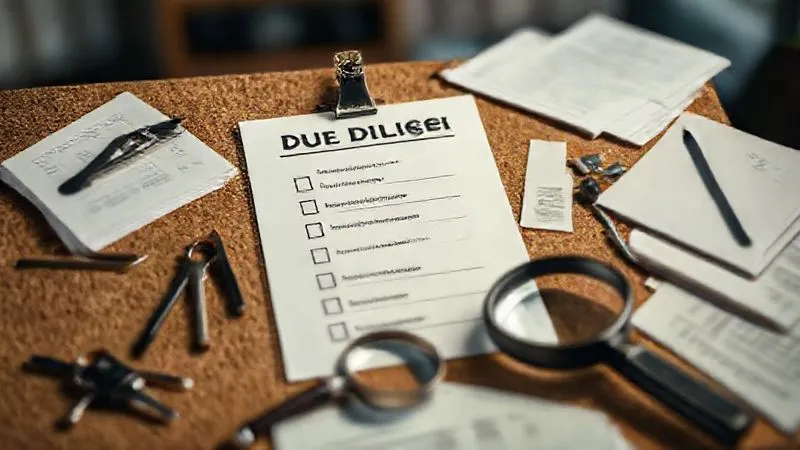
To synthesize all the critical points we've discussed, I've developed an actionable due diligence checklist. This isn't just a list of tasks; it's a systematic framework designed to ensure no critical step is overlooked when buying occupied foreclosures. Print it, use it, and adapt it to your specific situation, but never bypass these fundamental investigations.
- Identify Occupant Status:
- Determine if it's a former owner, bona fide tenant, or other.
- Attempt to obtain lease agreement and/or estoppel certificate.
- Research federal (PTFA), state, and local tenant protection laws.
- Conduct Comprehensive Title Search & Lien Investigation:
- Order a full title report from a specialist.
- Identify all existing liens (tax, HOA, junior mortgages, utility, mechanic's).
- Understand state-specific redemption rights.
- Obtain title insurance commitment.
- Perform Extensive Property Condition Assessment (Exterior-Focused):
- Conduct multiple drive-by inspections (different times).
- Utilize drone/satellite imagery for roof and inaccessible areas.
- Research local building permit history.
- Review any available BPOs or appraisals.
- Budget for unknown interior repairs.
- Analyze Financial Projections & Holding Costs:
- Calculate estimated monthly holding costs (taxes, insurance, utilities, HOA).
- Estimate potential legal fees for eviction.
- Project "Cash for Keys" offer costs vs. eviction costs.
- Factor in lost rental income during vacancy.
- Develop Occupancy Transition Strategy:
- Plan for "Cash for Keys" negotiation (if applicable).
- Outline formal eviction process with legal counsel.
- Schedule immediate lock changes upon gaining possession.
- Implement Property Security Measures:
- Plan for re-keying all locks.
- Budget for securing all entry points (windows, doors).
- Consider temporary security systems.
- Arrange for regular property checks.
- Engage Specialized Legal Counsel:
- Retain a real estate attorney experienced in foreclosures and landlord-tenant law.
- Consult them on every major decision point.
Frequently Asked Questions (FAQ)
Q: Can I evict tenants immediately after buying an occupied foreclosure? No, not typically. Under the Protecting Tenants at Foreclosure Act (PTFA), bona fide tenants with a lease must generally be allowed to remain for the remainder of their lease term, or be given at least 90 days' notice if you intend to occupy the property as your primary residence or if it's a month-to-month lease. State and local laws can provide even stronger protections, so always consult local legal counsel.
Q: What if the previous owner is still living there and won't leave? If the previous owner is still in the property after the foreclosure sale, they become a 'holdover' occupant. They do not have the same protections as a bona fide tenant. You will typically need to initiate an unlawful detainer or eviction lawsuit to remove them. This process can still take time and incur legal fees, but it is generally less complex than evicting a tenant. "Cash for Keys" is often a good strategy here to incentivize a voluntary departure.
Q: How much does "cash for keys" typically cost? The cost of "Cash for Keys" varies widely based on local market conditions, the occupant's financial situation, the perceived difficulty of eviction, and the property's condition. It can range from a few hundred dollars to several thousand. The key is to offer an amount that is less than your projected costs and time for a formal eviction, making it a win-win for both parties. Your attorney can help you determine a reasonable offer.
Q: What are the biggest risks I face when buying an occupied foreclosure? The biggest risks include unforeseen legal costs and delays in gaining possession (due to tenant rights or a protracted eviction), significant property damage or theft by disgruntled occupants, and hidden liens or title issues that survive foreclosure. Without thorough due diligence, these risks can quickly erode your investment's profitability.
Q: Is it ever worth buying an occupied foreclosure given the complexities? Absolutely. Despite the complexities, occupied foreclosures often present significant equity opportunities due to the inherent risks and the fewer buyers willing to take them on. By meticulously performing the critical due diligence steps outlined in this guide and engaging expert legal counsel, you can mitigate these risks and turn these challenging properties into highly profitable investments. The key is preparation and understanding the full scope of your responsibilities and potential challenges.
Key Takeaways and Final Thoughts
Navigating the terrain of occupied foreclosures is undoubtedly one of the more challenging, yet potentially rewarding, ventures in real estate investment. As I've underscored throughout this guide, the difference between a lucrative acquisition and a costly mistake lies squarely in the depth and diligence of your preparation. It's not a game for the faint of heart, nor for those who cut corners on critical research and expert consultation.
- Prioritize Occupant Status: Your first step must always be to understand who is in the property and their legal rights.
- Master the Title: A clean title is paramount; invest in expert title review to uncover all potential encumbrances.
- Assess Creatively: When interior access is limited, leverage every external and public record resource for property condition assessment.
- Know the Law: Understand federal, state, and local tenant protection laws inside and out.
- Budget for the Worst: Account for all holding costs, potential eviction expenses, and "Cash for Keys" offers in your financial projections.
- Secure Immediately: Have a robust plan for securing the property the moment you gain possession.
- Engage Expert Legal Counsel: A specialized real estate attorney is your most valuable asset in this process.
My hope is that this guide empowers you to approach occupied foreclosures not with trepidation, but with a clear, actionable strategy. By embracing thorough due diligence, you're not just mitigating risk; you're building a foundation for sustainable success. Go forth, investigate meticulously, and transform these unique opportunities into powerful additions to your real estate portfolio. The rewards are there for those who are prepared.

Recommended Reading
- Part-Time College Jobs: No Experience? No Problem! (Your Guide)
- 7 Urgent Steps: Prevent Foreclosure with Looming Debt
- Fixed Income: Navigating Global Rate Hikes – 7 Strategies to Adjust
- Unlock Crypto Tax Clarity: Can Tax Software Handle Crypto Transactions Effectively?
- 7 Proven Strategies to Slash Bitcoin Mining Electricity Costs by 30%




Comments
Leave a comment below. Your email will not be published. Required fields marked with *