



Urgent: My zero based budget implementation is failing, what now?
For over 20 years in the finance and budgeting space, I've witnessed firsthand the exhilaration and the exasperation that comes with implementing a zero-based budget (ZBB). It's a powerful tool, a financial superpower even, when wielded correctly. But I've also seen countless individuals and businesses, with the best intentions, hit a wall, feeling their meticulously planned ZBB crumbling around them. The initial enthusiasm gives way to frustration, confusion, and a gnawing sense of failure.
If you're reading this, chances are you're in that exact spot. You committed to the discipline of ZBB, meticulously allocating every dollar, only to find your budget consistently off-track, your accounts out of sync, and the promised financial clarity replaced by a new kind of stress. You might be asking yourself, "Is this even worth it?" or more urgently, "My zero based budget implementation is failing, what now?"
Rest assured, you're not alone, and this isn't an insurmountable problem. In this definitive guide, I'll walk you through a proven, step-by-step framework to diagnose the root causes of your ZBB struggles, recalibrate your approach, and implement sustainable solutions. We'll explore actionable strategies, real-world insights, and expert advice to not just fix your failing budget but to transform it into a robust foundation for your financial success.
Understanding Why Your Zero-Based Budget Might Be Stumbling
Before we can fix something, we must understand why it broke. A zero-based budget, by its very nature, demands meticulous attention and a proactive stance. When it falters, it's rarely due to a single catastrophic error but often a confluence of smaller, manageable issues. Let's peel back the layers and identify the common culprits.
Overly Ambitious or Unrealistic Allocations
One of the most frequent mistakes I observe is an initial budget that's simply too aggressive. In the zeal to cut costs and optimize, people often underestimate essential expenses or fail to account for the true cost of their lifestyle. This leads to constant overspending in certain categories, forcing you to pull funds from elsewhere and effectively breaking the 'zero' principle.
Lack of Regular Review and Adjustment
A ZBB isn't a set-it-and-forget-it system. Life happens. Unexpected expenses arise, income fluctuates, and priorities shift. Without a dedicated schedule for reviewing and adjusting your budget – ideally weekly or bi-weekly – it quickly becomes irrelevant. Think of it like navigating a ship; you need constant course corrections, not just one initial setting.
Ignoring Unexpected or Irregular Expenses
This is a major pitfall. Many ZBBs focus on recurring monthly bills but neglect the less frequent but inevitable costs: annual insurance premiums, car maintenance, holiday gifts, home repairs, or even quarterly utility spikes. These 'surprise' expenses can derail an otherwise perfect budget, leaving you scrambling and feeling defeated.
Complex or Inconsistent Tracking Methods
If your method for tracking spending is cumbersome, confusing, or inconsistent, you'll inevitably fall behind. Whether it's a complicated spreadsheet, an app you don't understand, or simply forgetting to log transactions, poor tracking means you lose visibility into where your money is actually going, making ZBB impossible.
Misalignment with Financial Goals and Values
A budget isn't just about numbers; it's a reflection of your financial goals and personal values. If your ZBB doesn't actively support what truly matters to you – whether it's saving for a down payment, investing, or funding a passion project – it will feel restrictive and unsustainable. This disconnect can lead to a lack of motivation and adherence.
Step 1: The Emergency Stop – Pausing and Assessing the Damage
When your zero based budget implementation is failing, the first, most crucial step is to hit the brakes. Stop trying to force a broken system. This isn't about giving up; it's about gaining control before you can rebuild. Think of it as triage in an emergency.
- Acknowledge the Problem, Without Judgment: Recognize that your budget isn't working as intended. Avoid self-blame. This is a learning opportunity.
- Gather All Financial Statements: Collect bank statements, credit card statements, loan statements, and pay stubs for the last 1-3 months. This is your raw data.
- Temporarily Halt Non-Essential Spending: For the next week or two, focus only on absolute necessities (housing, food, transportation, minimum debt payments). This creates a financial 'breathing room' and prevents further damage while you assess.
- Identify the Biggest Discrepancies: Compare your actual spending in the collected statements against your last ZBB plan. Where are the largest variances? Which categories are consistently over budget?
- Note Your Emotional State: How does this process make you feel? Frustrated? Overwhelmed? Understanding your emotional response is key to building a sustainable budget.
This initial assessment provides a clear, unvarnished picture of your current financial reality. It’s the foundation upon which we’ll rebuild.

Step 2: Re-establishing Your 'Zero' – A Realistic Recalibration
The core of ZBB is that every dollar has a job. When your budget is failing, it means some dollars are freeloading, or worse, working against you. It's time to redefine 'zero' with a realistic lens.
Differentiating Needs vs. Wants
This is a foundational exercise. Go through every single expense from your assessment in Step 1 and rigorously categorize it as a 'Need' (essential for survival/work/basic living) or a 'Want' (discretionary, improves quality of life but not essential). Be brutally honest. That daily coffee? Probably a want. Your rent? A need.
| Expense Category | Need/Want | Monthly Average |
|---|---|---|
| Housing | Need | $1,500 |
| Groceries | Need | $450 |
| Dining Out | Want | $200 |
| Utilities | Need | $180 |
| Entertainment | Want | $100 |
| Transportation | Need | $120 |
| Subscriptions | Want | $50 |
Building an Emergency Buffer (Even a Small One)
A common reason ZBBs fail is the lack of a buffer for the inevitable unexpected. While the ideal is 3-6 months of expenses, even allocating a small amount ($50-$100) each month to an 'Unexpected Expenses' or 'Buffer' category can make a huge difference. This isn't about breaking ZBB; it's about creating a dedicated 'job' for those dollars to handle life's curveballs, preventing them from derailing your entire plan.
"The purpose of a budget is not to restrict you, but to give you permission to spend, knowing you've accounted for everything." - Dave Ramsey (paraphrased for ZBB context)
Step 3: Streamlining Your Tracking – Simplicity Breeds Success
If your tracking method is a chore, you won't stick to it. The key to long-term ZBB success lies in making tracking as effortless and consistent as possible. This is where many excellent ZBB intentions go awry.
Digital Tools vs. Manual Spreadsheets
There's no single 'best' method; it's about what works for *you*. Digital budgeting apps (like YNAB, Mint, Personal Capital) offer automation, categorization, and visual dashboards, significantly reducing manual effort. They sync with your bank accounts, allowing for real-time tracking. However, some prefer the tactile control and detailed customization of a spreadsheet. If using a spreadsheet, ensure it's simple, clearly organized, and you commit to updating it daily or every other day. The best tool is the one you will consistently use.
The Power of Categorization and Sub-Categorization
Effective categorization is the backbone of ZBB. Don't just have 'Food'; break it down into 'Groceries' and 'Dining Out'. Instead of 'Utilities', consider 'Electricity', 'Water', 'Internet'. This granular view helps you see exactly where your money is going and where adjustments can be made. It also makes your budget more flexible, as you can shift funds between sub-categories without impacting the main category significantly.
Case Study: Sarah's ZBB Turnaround
Sarah, a freelance graphic designer, found her ZBB constantly failing despite her best efforts. Her main issue was inconsistent tracking. She'd use a spreadsheet for a week, then forget for two, leading to massive discrepancies. After implementing Step 1 and 2, she switched to a dedicated budgeting app that automatically imported transactions. She committed to reviewing and categorizing transactions for just 10 minutes every morning. Within a month, her budget was back on track, and she finally understood her spending patterns. This small shift in tracking method made her ZBB sustainable and significantly reduced her financial anxiety.
Step 4: Embracing Flexibility – The Iterative Nature of ZBB
A rigid budget is a broken budget. The world is dynamic, and your finances are too. Your ZBB must be a living document, not a stone tablet.
Quarterly vs. Monthly Reviews
While daily or weekly tracking is essential, a deeper, more strategic review should happen monthly or quarterly. Monthly reviews allow you to adjust for variances, reallocate funds, and ensure your budget still aligns with your short-term goals. Quarterly reviews are for bigger picture adjustments: reassessing major categories, planning for seasonal expenses (holidays, vacations, annual fees), and realigning with long-term financial objectives. According to a Harvard Business Review article on financial agility, organizations that regularly review and adapt their financial models are far more resilient.
The 'Buffer' Category for the Unknown
Beyond the emergency fund, consider a small, flexible 'Miscellaneous' or 'Buffer' category within your monthly ZBB. This isn't a slush fund, but a small allocation (e.g., $20-$50) specifically for minor, unforeseen expenses that don't fit neatly into other categories – a forgotten birthday card, an unexpected toll fee, etc. This prevents these small items from breaking your carefully planned categories and making you feel like your ZBB is failing. If you don't use it, roll it over to savings or your emergency fund.
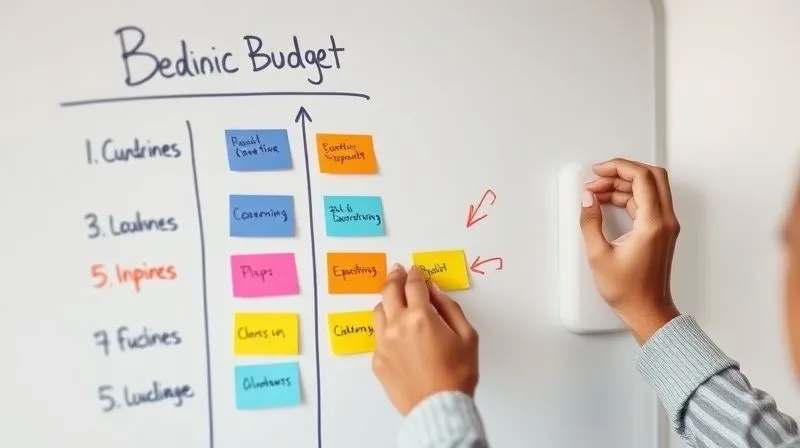
Step 5: Cultivating a Mindset Shift – Beyond Just Numbers
Many people view budgeting as a punishment or a restriction. This negative mindset is a significant barrier to success. For your zero based budget implementation to truly thrive, you need a mental recalibration.
Financial Discipline as a Habit, Not a Sacrifice
Shift your perspective. Discipline isn't about deprivation; it's about empowerment. It's the conscious choice to align your spending with your values and goals. Think of it like building a physical fitness habit. It requires consistent effort, but the long-term rewards (financial freedom, reduced stress) are immense. As Forbes often highlights, successful people cultivate financial habits, not just one-off efforts.
Celebrating Small Wins and Learning from Setbacks
Don't wait until you've hit a major financial milestone to celebrate. Did you stick to your grocery budget this week? That's a win! Did you successfully reallocate funds to cover an unexpected expense without derailing your ZBB? Celebrate it! Conversely, when you have a setback, treat it as a data point, not a failure. Analyze what went wrong, adjust your plan, and move forward. This positive reinforcement loop is crucial for long-term adherence.
"A budget tells your money where to go instead of wondering where it went." - John C. Maxwell
Step 6: Seeking External Wisdom – When to Get a Second Opinion
Sometimes, despite our best efforts, we get stuck. An outside perspective can offer invaluable clarity and guidance, especially when your zero based budget implementation is failing and you feel overwhelmed.
Financial Coaches and Planners
For complex situations, or if you simply need accountability and expert advice, consider consulting a certified financial coach or planner. They can help you identify blind spots, optimize your ZBB for your specific goals, and provide personalized strategies. They can also help with broader financial planning, investment strategies, and debt management, integrating these with your ZBB.
Peer Support Groups and Online Communities
Don't underestimate the power of community. Join online forums, local budgeting groups, or even start a small accountability group with trusted friends. Sharing challenges, successes, and tips with others on a similar journey can provide motivation, practical solutions, and a sense of shared experience that reduces feelings of isolation. Sites like Reddit's r/personalfinance or specific budgeting communities can be great resources.

Step 7: Automating for Success – Setting It and Forgetting It (Almost)
The less manual intervention required, the higher the chance of consistent adherence. Automation is your friend in ZBB, ensuring your money goes where it's supposed to without daily effort.
Automated Transfers for Savings and Debt Payments
Set up automatic transfers from your checking account to your savings, investment, and debt repayment accounts immediately after you get paid. Treat these as non-negotiable budget line items. This 'pay yourself first' strategy is incredibly effective and removes the temptation to spend those funds elsewhere. Many banks offer robust automated transfer options. For deeper insights into automation's role in personal finance, Investopedia offers excellent resources.
Automated Bill Pay Systems
Utilize online bill pay for all your recurring fixed expenses (rent/mortgage, utilities, insurance, subscriptions). This ensures bills are paid on time, avoiding late fees and preventing them from slipping through the cracks of your ZBB. Most banks and service providers offer this feature. Combine this with calendar reminders for irregular bills to ensure nothing is missed.
| Automated Task | Benefit |
|---|---|
| Direct Deposit Split | Immediate savings/investment allocation |
| Recurring Bill Payments | Avoid late fees, consistent expense management |
| Savings Transfers | Consistent growth of emergency/goal funds |
| Debt Repayment Transfers | Accelerated debt reduction |
| Investment Contributions | Long-term wealth building, dollar-cost averaging |
Frequently Asked Questions (FAQ)
Question: How long should I give my ZBB to 'settle in' before I expect it to work perfectly? It's a common misconception that ZBB should be perfect from day one. Realistically, expect the first 1-3 months to be a learning and adjustment period. You'll uncover hidden expenses, realize some allocations were off, and get used to the tracking rhythm. Don't aim for perfection; aim for consistent improvement and learning. Each month, your budget will become more accurate and aligned with your actual spending and goals.
Question: What if I consistently go over budget in one category, even after adjusting? This indicates a deeper issue. First, re-evaluate if your allocation for that category is truly realistic. Are you underestimating? Second, look for behavioral patterns. Are there triggers for overspending? Can you find cheaper alternatives or reduce consumption? If it's a 'want' category, consider if the value you get from that spending outweighs its impact on your overall financial goals. Sometimes, a temporary 'spending freeze' in that category can reset habits.
Question: Is it okay to use my emergency fund to cover a ZBB shortfall? No, ideally not. Your emergency fund is for true emergencies (job loss, medical crisis, major home repair). A ZBB shortfall, while urgent, usually indicates a budgeting problem, not an emergency. Using your emergency fund for this can create a dangerous precedent. Instead, go back to your budget, find areas where you can cut (even temporarily), or reallocate funds from less critical categories to cover the shortfall. This reinforces the discipline of ZBB.
Question: How do I handle variable income with a zero-based budget? Variable income requires a slightly different ZBB approach. Instead of budgeting based on expected income, budget based on your lowest historical income, or last month's actual income. Any income above that baseline can then be allocated strategically: first to an income smoothing fund (to cover months with lower income), then to savings goals, debt repayment, or discretionary spending. Always prioritize essential expenses with your baseline income.
Question: My partner and I constantly disagree on budget allocations. How can ZBB help? ZBB can be incredibly effective for couples because it forces every dollar to be assigned a job, promoting transparency. Sit down together during your budget review (Step 4). Each partner should identify their 'needs' and 'wants'. Discuss discrepancies openly and compromise. The goal isn't to perfectly align every preference, but to ensure that all shared income covers shared needs and goals, and that individual discretionary spending is within agreed-upon limits. Regular, unemotional discussions are key.
Key Takeaways and Final Thoughts
When your zero based budget implementation is failing, it's not a sign of personal failure, but a signal that your system needs attention and adjustment. As an experienced industry specialist, I've seen ZBB transform countless financial lives, but only when approached with realism, flexibility, and persistence. Remember, the journey to financial mastery is iterative, not a one-time event.
- Diagnose First, Then Treat: Understand the specific reasons your ZBB is struggling before attempting fixes.
- Embrace Realism: Your budget must reflect your actual income and expenses, not just your aspirations.
- Simplify and Automate: Make tracking and execution as easy as possible to ensure consistency.
- Be Flexible: Your budget is a living document; regularly review and adjust it to life's changes.
- Cultivate a Positive Mindset: View budgeting as empowerment, not restriction.
- Seek Support: Don't hesitate to leverage tools, communities, or professional advice.
You have the power to regain control. By following these seven steps, you're not just fixing a budget; you're building a resilient financial framework that will serve you for years to come. Take a deep breath, commit to the process, and watch as your zero-based budget transforms from a source of stress into a powerful tool for achieving your financial dreams. The path ahead requires discipline, but the destination—financial clarity and peace of mind—is absolutely worth it.
Recommended Reading
- Payroll Panic? 7 Critical Steps When Online Banking Crashes
- Slash Commercial Property Taxes: 7 Proven Strategies to Cut Overpayments
- Build Your 3-6 Month Emergency Fund: The Ultimate Guide
- Debt Restructuring: 5 Proven Ways to Protect Your Business Credit
- 5 Urgent Steps: Quickly Replenish Your Business's Depleted Safety Net





Comments
Leave a comment below. Your email will not be published. Required fields marked with *