



Urgent Credit Repair After Professional Practice Debt Crisis: A Path Forward
For over two decades in the finance and credit realm, I've witnessed firsthand the devastating impact a professional practice debt crisis can have, not just on a business, but on the personal lives and credit scores of dedicated professionals. It's a unique crucible, often blending personal guarantees with business liabilities, creating a complex web that can feel impossible to untangle. I've seen accomplished doctors, lawyers, and consultants, pillars of their communities, brought to their knees by unexpected financial downturns, bad investments, or simply the brutal realities of practice management.
The problem isn't just the debt itself; it's the ripple effect on your credit score, which then impacts everything from securing a mortgage to even simple personal loans, often at the worst possible time. The shame and stress can be overwhelming, making it difficult to see a clear path forward when your professional reputation and personal finances feel intertwined and under siege. Many feel isolated, believing their situation is unique, but I assure you, it is not; it is a challenge many successful professionals have faced.
This article isn't just another generic guide; it's a definitive framework, born from years of experience helping professionals navigate these treacherous waters. We'll delve into actionable strategies, real-world insights, and a step-by-step blueprint for urgent credit repair after a professional practice debt crisis, designed to help you not only recover but emerge stronger. My promise is to arm you with the knowledge and confidence to rebuild your financial foundation and reclaim your peace of mind.
Understanding the Unique Impact of Professional Practice Debt on Your Credit
When you operate a professional practice, the lines between personal and business finances often blur. This isn't just about accounting; it's about how lenders perceive your creditworthiness and how a crisis in one area inevitably bleeds into the other. Understanding this interconnectedness is the first critical step toward effective credit repair.
The Blended Financial Identity
Many professionals, especially those running sole proprietorships or smaller partnerships, find their personal credit directly tied to their business's health. Business loans often require personal guarantees, meaning if your practice defaults, you are personally liable. This can lead to business debt appearing on your personal credit report, or creditors pursuing your personal assets, even if your business is incorporated.
This blending means that a downturn in your practice, perhaps due to declining patient numbers, unexpected litigation, or a shift in the market, can quickly translate into missed payments on business lines of credit or equipment leases. These delinquencies then get reported to personal credit bureaus, causing your personal FICO score to plummet. It’s a harsh reality, but one that must be confronted directly.
The Ripple Effect: Personal vs. Business Credit
While business credit scores exist, for many small professional practices, personal credit is the dominant factor in securing funding. A damaged personal credit score after a practice debt crisis can severely limit your ability to access capital for future ventures, refinance personal debts, or even secure favorable insurance rates. It creates a domino effect that impacts every financial decision you make.
Moreover, the stress of a professional practice debt crisis can lead to neglecting personal bills, compounding the problem. I've seen this mistake countless times: focusing solely on stemming the business bleeding while inadvertently creating new wounds on the personal side. It's vital to address both simultaneously, understanding their symbiotic relationship.

Immediate Triage: Stabilizing Your Financial Bleeding
When a professional practice debt crisis hits, the immediate priority is to stop the financial bleeding. Think of it like an emergency room; you need to stabilize the patient before you can diagnose and treat the underlying condition. This phase requires swift, decisive action and a clear-eyed assessment of your current financial state.
- Inventory All Debts: Create a comprehensive list of every single debt, both personal and business. Include creditors, original amounts, current balances, interest rates, minimum payments, and due dates. Don't forget any personal guarantees you've signed for business loans.
- Assess Your Cash Flow: Conduct an immediate, brutally honest analysis of your current income and expenses. Where is money coming in, and where is it going? Identify all non-essential expenditures that can be cut immediately, both personally and professionally.
- Prioritize Critical Payments: Determine which payments are absolutely critical to maintain operations and avoid immediate legal action. Often, secured debts (like mortgages or auto loans) and essential utilities fall into this category. Unsecured debts, while important, might need to be strategically managed in the short term.
- Communicate with Creditors: Do NOT ignore calls or letters. Proactive communication is key. Explain your situation honestly and explore options like temporary forbearance, reduced payments, or interest-only periods. Many creditors are more willing to work with you if you reach out before you default.
- Freeze Non-Essential Spending: Implement a strict spending freeze on anything not absolutely necessary for survival or basic business operations. This might mean postponing investments, delaying equipment upgrades, or cutting back significantly on personal luxuries.
Expert Insight: In a crisis, time is your most valuable asset. Every day you delay action is another day your financial situation deteriorates. Swift, decisive, and honest action with creditors can often prevent a bad situation from becoming catastrophic.
Strategic Debt Assessment: Identifying the Root Causes
Once the immediate crisis is stabilized, the next step is to conduct a thorough strategic debt assessment. This isn't just about listing debts; it's about understanding *why* the crisis occurred and categorizing your debts to inform the most effective repayment or resolution strategy. Without understanding the root causes, you risk repeating the same mistakes.
Categorizing Debt: Good, Bad, and Ugly
Not all debt is created equal. I often advise clients to categorize their debt to understand its nature and potential for resolution:
- Good Debt: Debt that helps generate income or appreciate in value (e.g., a mortgage on a primary residence, student loans that led to your professional career, strategic business investments). While these can become problematic, their underlying purpose was positive.
- Bad Debt: Debt for depreciating assets or consumption (e.g., credit card debt for personal spending, high-interest personal loans). This debt typically offers no return and compounds quickly.
- Ugly Debt: Debt that is overwhelming, unmanageable, or has severe consequences (e.g., tax liens, judgments, predatory loans). This requires the most aggressive and urgent intervention.
Understanding these categories helps you prioritize. Ugly debt often needs immediate attention, while bad debt should be targeted for rapid elimination to prevent further damage to your credit score.
Cash Flow Analysis: Where Did It Go Wrong?
A detailed forensic analysis of your cash flow is paramount. This goes beyond just knowing what you spend; it's about identifying the specific points of failure that led to the debt crisis. Was it:
- Declining revenue in your practice?
- Uncontrolled operating expenses?
- Poor personal financial management spilling into business funds?
- A single large, unexpected expense?
- A failure to adapt to market changes?
Pinpointing these issues allows you to implement targeted solutions, not just band-aid fixes. This often involves reviewing past profit & loss statements, balance sheets, and personal bank statements with a fine-tooth comb. According to a Deloitte study on financial stability, proactive financial health checks are crucial for sustained business success, a principle that applies equally to individual practices.
| Debt Type | Balance | Interest Rate | Minimum Payment | Category |
|---|---|---|---|---|
| Credit Card A | $15,000 | 22% | $300 | Bad |
| Business Line of Credit | $50,000 | 10% | $1,000 | Good (turned problematic) |
| Personal Loan | $8,000 | 18% | $180 | Bad |
| Tax Lien | $25,000 | Varies | Negotiable | Ugly |
Crafting Your Customized Credit Repair Blueprint
With a clear understanding of your debts and their origins, it's time to craft a precise, actionable credit repair blueprint. This isn't a one-size-fits-all solution; it requires a tailored approach based on your specific situation, debt types, and available resources. The goal is to systematically address each debt, beginning with the most damaging to your credit.
Negotiating with Creditors: The Art of the Deal
Many professionals shy away from negotiating, fearing it signals weakness. In my experience, it signals proactivity and a desire to resolve the situation. Creditors, particularly for unsecured debts, often prefer to recover *some* money rather than *no* money, which is the risk if you default entirely or file for bankruptcy.
- Gather Your Documentation: Have your debt inventory and cash flow analysis ready. Creditors will want to see proof of your financial hardship and your ability to make a reduced payment.
- Know Your Limits: Determine the maximum amount you can realistically afford to pay, both as a lump sum or in monthly installments. Don't overpromise.
- Start with a Lower Offer: For debt settlement, begin with an offer lower than what you're willing to pay, typically 25-30% of the balance, and be prepared to negotiate upwards. For payment plans, propose a sustainable monthly amount.
- Get Everything in Writing: Any agreement, especially a settlement for less than the full amount, MUST be documented in writing before you make any payments. This protects you from future claims.
- Address Charge-Offs: For older, charged-off accounts, you might be able to negotiate a 'Pay For Delete' agreement, where the creditor agrees to remove the negative mark from your credit report in exchange for payment. This is rare but worth attempting for severely damaging items.
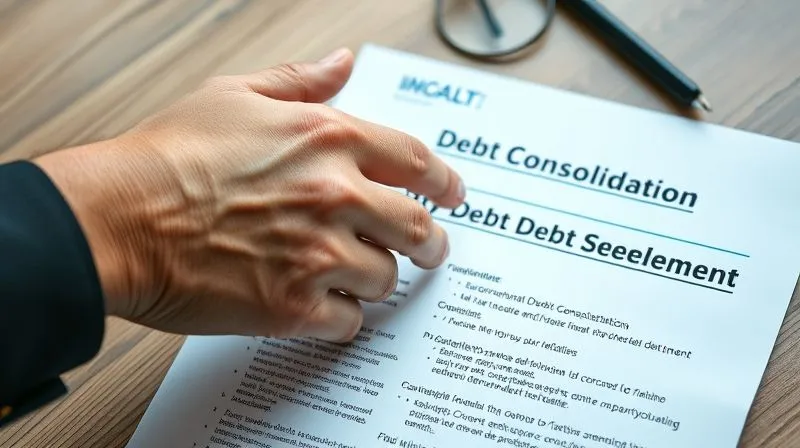
Debt Consolidation vs. Debt Settlement: Which Path?
- Debt Consolidation: Combines multiple debts into a single, often lower-interest loan or payment plan. This can simplify payments and reduce interest, but requires good enough credit to qualify for a new loan. Examples include personal loans or balance transfer credit cards.
- Debt Settlement: Involves negotiating with creditors to pay a lump sum that is less than the total amount owed. This can significantly reduce the amount you pay but will negatively impact your credit score (often marked as 'settled for less than full amount'). It's typically considered when debts are overwhelming and other options are exhausted.
Rebuilding Your Credit Score: Beyond Just Paying Bills
Paying down debt is crucial, but true credit repair after a professional practice debt crisis involves understanding the mechanics of your credit score and strategically rebuilding it. This isn't a quick fix; it's a marathon, but one where consistent, smart actions yield significant results.
The Credit Score Algorithm: What Matters Most
Your FICO score, the most widely used credit score, is primarily influenced by five key factors:
- Payment History (35%): This is the most critical factor. Late payments, defaults, and bankruptcies severely damage your score. Consistent on-time payments are paramount for recovery.
- Amounts Owed (30%): Your credit utilization ratio (the amount of credit you're using compared to your total available credit) is key. Keeping this below 30% is ideal; below 10% is excellent.
- Length of Credit History (15%): The longer your accounts have been open and in good standing, the better.
- New Credit (10%): Opening too many new accounts in a short period can be seen as risky.
- Credit Mix (10%): Having a healthy mix of different credit types (e.g., installment loans, revolving credit) can be beneficial.
Understanding these percentages helps you focus your efforts. Prioritize on-time payments and reducing your credit utilization above all else. For more detailed information, I highly recommend consulting resources directly from the source, such as FICO's credit education page.
Secured Cards and Credit Builder Loans: Strategic Tools
After a significant credit hit, traditional credit products might be out of reach. This is where strategic tools come into play:
- Secured Credit Cards: These require a cash deposit, which becomes your credit limit. They report to credit bureaus like regular credit cards. Use them responsibly – make small purchases and pay them off in full every month – to demonstrate responsible credit behavior.
- Credit Builder Loans: You borrow a small amount, but the money is held in an account while you make payments. Once the loan is paid off, you receive the money. These are designed specifically to build payment history.
- Authorized User Status: If you have a trusted family member with excellent credit, becoming an authorized user on one of their long-standing, well-managed credit cards can sometimes provide a boost to your credit history.
Case Study: Dr. Emily's Credit Comeback
Dr. Emily, a dentist, faced a severe credit crisis after her practice struggled through a regional economic downturn, leading to significant business loan defaults that impacted her personal credit. Her score plummeted from 780 to 520. By implementing a strict payment plan negotiated with creditors, opening a secured credit card with a $500 deposit, and taking out a $1,000 credit builder loan, she systematically rebuilt her profile. Over 18 months, by consistently making all payments on time and keeping her secured card utilization under 10%, her score improved by over 150 points. This resulted in her qualifying for a personal loan at a reasonable interest rate to consolidate remaining high-interest debts, further accelerating her recovery.
Leveraging Professional Expertise: Credit Counselors and Financial Advisors
You don't have to navigate the complexities of urgent credit repair alone. In fact, for many professionals facing a debt crisis, seeking external expertise is not a sign of weakness but a strategic imperative. Credit counselors and financial advisors offer distinct but complementary services that can be invaluable.
When to Seek Professional Help
I always recommend seeking professional guidance when:
- You feel overwhelmed and don't know where to start.
- Your debt-to-income ratio is dangerously high, and you can't make minimum payments.
- Creditor calls and legal threats are escalating.
- You're considering extreme measures like bankruptcy.
- You need objective, third-party advice on complex financial decisions.
A non-profit credit counseling agency, for instance, can help you create a realistic budget, negotiate with creditors on your behalf through a Debt Management Plan (DMP), and educate you on financial literacy. These services are often free or very low-cost. The National Foundation for Credit Counseling (NFCC) is an excellent resource for finding certified counselors.
Choosing the Right Advisor
When selecting a financial advisor or credit counselor, consider:
- Credentials: Look for Certified Financial Planners (CFP®) or certified credit counselors.
- Experience: Find someone with experience specifically in professional practice finance or debt crisis management.
- Fee Structure: Understand how they charge (hourly, flat fee, commission-based) and ensure transparency.
- Reputation: Check reviews and professional affiliations.
- Fiduciary Duty: Ideally, choose an advisor who acts as a fiduciary, meaning they are legally bound to act in your best interest.
Expert Insight: As marketing guru Seth Godin often says, "The cost of admission is your discomfort." Stepping out of your comfort zone to ask for help is the first step towards a sustainable solution. Don't let pride prevent you from getting the support you need.
Long-Term Financial Health: Preventing Future Crises
Urgent credit repair is about fixing the immediate problem, but true financial resilience comes from implementing long-term strategies to prevent future crises. This involves cultivating robust financial habits, both personally and professionally, and building a strong buffer against unforeseen economic challenges.
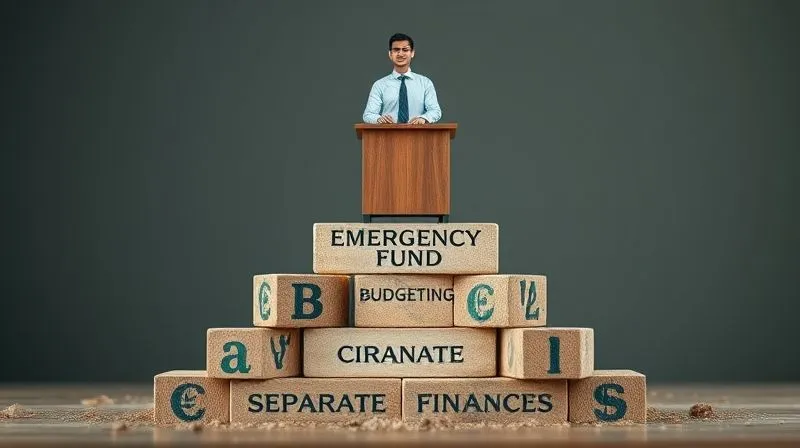
Building a Robust Emergency Fund
This is non-negotiable for any professional. An emergency fund acts as your financial shock absorber, protecting you from unexpected expenses or income disruptions without resorting to high-interest debt. I typically recommend having at least 3-6 months of essential living and business expenses saved in an easily accessible, separate account.
For professionals, this might mean two emergency funds: one for personal living expenses and another for critical business operating costs. This separation helps maintain clarity and prevents one crisis from immediately impacting the other. Start small, automate contributions, and prioritize building this fund above all but the most critical debt repayments.
Smart Business Practices and Personal Finance Integration
Preventing future crises requires a holistic approach:
- Regular Financial Reviews: Implement monthly or quarterly reviews of both your personal and practice finances. Monitor key performance indicators (KPIs) for your practice and track personal spending diligently.
- Separate Finances: Maintain strict separation between personal and business finances, even if you're a sole proprietor. Use separate bank accounts, credit cards, and accounting systems. This simplifies tax preparation and protects personal assets.
- Proactive Budgeting: Move beyond reactive spending. Create forward-looking budgets for both your practice and household, allocating funds for savings, investments, and debt repayment.
- Diversify Income Streams: Where possible, explore additional income streams or diversification within your practice to reduce reliance on a single source of revenue.
- Invest in Financial Literacy: Continuously educate yourself on personal finance, investment strategies, and business management. The more informed you are, the better equipped you'll be to make sound decisions.
Navigating Legal and Tax Implications of Debt Resolution
Resolving a professional practice debt crisis often involves legal and tax considerations that can be as complex as the debt itself. Ignoring these aspects can lead to further financial pitfalls, so it's crucial to understand the potential consequences of debt settlement, forgiveness, and bankruptcy.
Understanding Taxable Debt Forgiveness
One of the most common pitfalls I see is professionals unaware that forgiven debt can be considered taxable income. If a creditor forgives a portion of your debt (e.g., in a settlement), the amount forgiven generally must be reported to the IRS on Form 1099-C (Cancellation of Debt) and is usually treated as ordinary income. This can result in an unexpected tax bill, potentially negating some of the benefits of the settlement.
There are exceptions, such as insolvency (if your liabilities exceed your assets at the time the debt is forgiven) or qualified principal residence indebtedness. However, these rules are complex and often require the guidance of a tax professional or attorney. Always consult with a qualified expert before agreeing to any debt forgiveness plan. The IRS Tax Topic 431 on Canceled Debt provides more information, but professional advice is paramount.
Bankruptcy Considerations: A Last Resort
For some, bankruptcy becomes the only viable option when debt is truly insurmountable. It's a powerful legal tool that can provide a fresh start, but it carries significant long-term consequences for your credit and professional life.
- Chapter 7 (Liquidation): Generally for individuals and provides a quick discharge of most unsecured debts. However, it involves liquidating non-exempt assets.
- Chapter 13 (Reorganization): Allows individuals with regular income to repay all or a portion of their debts over 3-5 years through a court-approved plan. It allows you to keep your assets.
- Chapter 11 (Reorganization for Businesses/High-Net-Worth Individuals): More complex, often used by businesses or individuals with very high debt limits.
Bankruptcy stays on your credit report for 7-10 years and will make obtaining new credit difficult and expensive. It should always be considered a last resort after exploring all other options, including debt consolidation, settlement, and credit counseling. A bankruptcy attorney can help you understand the specific implications for your professional license and future.
| Option | Pros | Cons | Tax Implication |
|---|---|---|---|
| Debt Consolidation | Lower interest, single payment, less credit damage | Requires good credit, extends repayment | None |
| Debt Settlement | Reduces total owed, faster resolution | Damages credit, potential tax liability | Taxable income (Form 1099-C) |
| Bankruptcy (Ch. 7) | Discharge most debts, fresh start | Severe credit damage (7-10 years), asset liquidation | Exemption for insolvency |
| Bankruptcy (Ch. 13) | Keep assets, structured repayment | Severe credit damage (7 years), lengthy process | Exemption for insolvency |
Frequently Asked Questions (FAQ)
Q: How long does urgent credit repair typically take after a professional practice debt crisis? A: The timeline varies significantly based on the severity of the debt, your current income, and the strategies you employ. Immediate stabilization can happen in weeks, but rebuilding a strong credit score (e.g., from the 500s to the high 600s or 700s) typically takes 18-36 months of consistent, diligent effort. It's a marathon, not a sprint, but every positive action contributes to faster recovery.
Q: Can I still get a professional license or renew one after a major credit hit or bankruptcy? A: This depends heavily on your specific profession and state licensing board. Some boards have provisions regarding financial stability, especially for professions involving handling client funds (e.g., law, financial advising). While a debt crisis or bankruptcy can raise red flags, it doesn't always preclude licensure. Often, demonstrating a sincere effort to repay debts, complete a financial management course, or enter a repayment plan can mitigate concerns. Always consult with your licensing board or a legal professional specializing in professional licensing laws.
Q: Is it better to settle a debt or pay it in full, even if it's very old? A: If you can pay a debt in full, even an old one, it's generally better for your credit score. A 'paid in full' status looks much better than 'settled for less than full amount.' However, if paying in full is financially impossible and the debt is significantly impacting your ability to move forward, settlement might be the more practical option. Weigh the credit impact against your financial capacity and potential tax implications of forgiveness. For very old debts (past the statute of limitations), be cautious about making any payment, as it could 're-age' the debt.
Q: How do I protect my personal assets if my professional practice is facing severe debt? A: The level of protection depends on your business structure. A properly structured corporation (S-Corp, C-Corp) or LLC generally provides a liability shield, separating business debts from personal assets, assuming you've maintained proper corporate formalities (no 'piercing the corporate veil'). However, personal guarantees on business loans bypass this shield. Consulting with a business attorney to review your current structure and potential asset protection strategies is crucial. They can advise on proper entity maintenance and other legal safeguards.
Q: What role does mental health play in recovering from a professional debt crisis? A: A significant role. The stress, shame, and anxiety associated with a debt crisis can be paralyzing, impacting your decision-making, sleep, and overall well-being. I've seen professionals delay crucial actions due to mental exhaustion. Acknowledge the emotional toll, seek support from friends, family, or even a therapist, and remember that financial recovery is a process that requires a clear mind. Taking care of your mental health is an essential part of your financial recovery strategy. For further reading on managing financial stress, Forbes Advisor offers practical tips.
Key Takeaways and Final Thoughts
Navigating an urgent credit repair after a professional practice debt crisis is undoubtedly one of the most challenging experiences a professional can face. Yet, it is entirely surmountable with the right knowledge, disciplined action, and a resilient mindset. I've seen too many talented individuals falter not because of a lack of skill, but a lack of a clear, actionable plan.
- Acknowledge and Act Swiftly: Don't let shame paralyze you. Immediate triage and honest communication are your strongest initial tools.
- Understand the Interconnectedness: Recognize how your practice's debt impacts your personal credit and plan accordingly.
- Strategize Your Debt Resolution: Categorize debts, negotiate proactively, and choose between consolidation or settlement based on your unique situation.
- Rebuild Systematically: Focus on payment history and credit utilization, leveraging tools like secured cards and credit builder loans.
- Seek Expert Guidance: Don't hesitate to engage credit counselors, financial advisors, and legal/tax professionals. Their expertise is invaluable.
- Build Long-Term Resilience: Establish robust emergency funds, maintain strict financial separation, and cultivate strong financial literacy to prevent future crises.
This journey will test your resolve, but remember, every step you take, no matter how small, moves you closer to financial freedom and a revitalized professional standing. Your expertise and dedication are your greatest assets; protect them by mastering your financial health. The path to recovery is not always easy, but it is always possible. Take the first step today, and commit to rebuilding your future.
Recommended Reading
- Unmanageable Debt? 6 Expert Steps for Professionals to Clear It Fast
- What Are the Implications of Missing W-9s for 1099 Reporting?
- 5 Proven Ways: Quality Business Hotels Within Strict Per Diem Limits?
- Unlock the Secret: How to Identify Undervalued Growth Stocks for Beginners
- Business Account Frozen? 7 Steps to Unfreeze & Reclaim Control





Comments
Leave a comment below. Your email will not be published. Required fields marked with *