



Selecting Institutional Crypto Exchange to Minimize Risk?
For over 15 years, navigating the complex currents of financial technology, I've witnessed firsthand the seismic shifts brought about by digital assets. What started as a niche curiosity has matured into a formidable asset class, attracting significant institutional capital. Yet, this growth isn't without its perils, and I've seen countless institutions, eager to dive in, stumble over a fundamental challenge: the critical decision of selecting the right cryptocurrency exchange.
The institutional imperative isn't just about accessing liquidity; it's about safeguarding capital, ensuring regulatory adherence, and mitigating a spectrum of novel risks that traditional finance rarely encounters. The sheer volume of choices, coupled with varying security standards, regulatory landscapes, and operational efficiencies, can transform what should be a strategic move into a minefield of potential vulnerabilities. This isn't merely a technical hurdle; it's a strategic imperative that, if mishandled, can lead to significant financial and reputational damage.
In this definitive guide, I will share the distilled wisdom of my journey, offering you a robust framework built on seven foundational pillars. We'll delve into actionable strategies, real-world insights, and crucial due diligence steps to empower you in selecting an institutional crypto exchange to minimize risk effectively. My goal is to equip you with the knowledge to make informed decisions, ensuring your foray into digital assets is both secure and strategically sound.
The Evolving Landscape of Institutional Digital Assets
The digital asset space has rapidly evolved from speculative retail trading to a sophisticated ecosystem attracting hedge funds, asset managers, and corporate treasuries. This institutional influx brings with it a demand for enterprise-grade infrastructure, security, and regulatory clarity that many early-stage crypto platforms simply weren't designed to provide. The stakes are considerably higher when managing billions in client assets.
Why Traditional Approaches Fall Short
Relying on the same due diligence frameworks used for traditional stock or bond exchanges is a recipe for disaster in the crypto world. The underlying technology, market structure, and regulatory environment are fundamentally different. Concepts like self-custody, smart contract risk, and fork management are alien to conventional finance, demanding a bespoke approach to risk assessment.
Furthermore, the global, 24/7 nature of crypto markets means risks can materialize rapidly, often outside traditional market hours. This necessitates a proactive and technologically advanced risk management strategy that is always on. Ignoring these unique characteristics is a common pitfall I've observed among institutions new to the space.
The Unique Risks Institutions Face
Beyond market volatility, institutions contend with specific risks such as counterparty risk from unregulated entities, operational security vulnerabilities leading to hacks, and the complex legal implications of digital asset ownership and transfer. Regulatory uncertainty across jurisdictions also poses a significant challenge, requiring platforms that can adapt and comply with evolving frameworks. These are not minor considerations; they are existential threats if not properly addressed.
Pillar 1: Regulatory Compliance and Licensing
In my experience, the first and most critical filter for any institutional crypto exchange is its regulatory standing. Operating in a nascent and often ambiguous regulatory environment, an exchange's commitment to compliance is a direct indicator of its trustworthiness and long-term viability. This isn't just about avoiding fines; it's about protecting your institution from legal entanglements and reputational damage.
Understanding Jurisdictional Nuances
Different countries have vastly different approaches to digital asset regulation, from outright bans to embracing innovation. A truly institutional-grade exchange will hold licenses in multiple reputable jurisdictions, demonstrating a global commitment to legal operation. Always investigate where the exchange is incorporated, where its primary operations are based, and which regulatory bodies oversee its activities.
For instance, an exchange licensed by the New York Department of Financial Services (NYDFS) for a BitLicense or a Monetary Authority of Singapore (MAS) license often signals a higher bar for compliance and operational rigor. These licenses are hard-won and indicate a significant investment in regulatory infrastructure. As a rule, avoid exchanges operating solely in unregulated or loosely regulated offshore jurisdictions, as these often come with elevated risks of fraud and instability.
- Verify Licenses: Cross-reference any claimed licenses with the official regulatory databases of the respective jurisdictions.
- Assess AML/KYC Procedures: Ensure the exchange implements robust Anti-Money Laundering (AML) and Know Your Customer (KYC) protocols that meet or exceed international standards.
- Review Regulatory History: Investigate any past enforcement actions or regulatory penalties against the exchange. Transparency here is key.
- Understand Jurisdictional Scope: Confirm the exchange's legal ability to serve clients from your specific jurisdiction and asset class requirements.

"Regulatory compliance isn't a checkbox; it's the bedrock of institutional trust in the digital asset space. Without it, you're building on sand."
Pillar 2: Robust Security Architecture and Protocols
Security is non-negotiable. In the crypto world, 'code is law,' and a single vulnerability can lead to catastrophic losses. I've seen sophisticated firms brought to their knees by security breaches that could have been prevented with proper due diligence. When selecting institutional crypto exchange to minimize risk, scrutinize every layer of their security architecture.
Multi-Layered Defense: From Cold Storage to DDoS Protection
A truly secure exchange employs a multi-layered defense strategy. This begins with the segregation of assets, primarily through cold storage for the vast majority of funds. Cold storage means assets are held offline, inaccessible to online threats. The small portion of assets kept in hot wallets (online) for liquidity should be heavily protected with multi-signature authentication, hardware security modules (HSMs), and strict access controls.
Beyond asset storage, consider network security (firewalls, intrusion detection systems), application security (regular penetration testing, bug bounty programs), and physical security of data centers. Distributed Denial of Service (DDoS) attack protection is also crucial to ensure platform availability during high-stress events. Ask for details on their security audit history and the firms that conduct these audits. Independent, reputable security firms provide invaluable third-party validation.
| Security Feature | Description | Evaluation Metric |
|---|---|---|
| Cold Storage Percentage | Proportion of client assets held offline (target >90%) | Audit report, public disclosures |
| Multi-Sig Wallets | Requires multiple keys for transaction authorization | Technical specifications, security whitepaper |
| Hardware Security Modules (HSMs) | Physical devices protecting cryptographic keys | Certification (e.g., FIPS 140-2 Level 3+) |
| DDoS Protection | Measures to prevent service disruption from cyberattacks | Uptime statistics, vendor partnerships |
| Bug Bounty Program | Incentivizes security researchers to find vulnerabilities | Program existence, severity of past findings |
Case Study: Safeguarding Against a Major Breach
Consider the fictional case of "Genesis Capital," an institutional fund that, after a thorough review, chose an exchange boasting CCSS (Cryptocurrency Security Standard) Level 3 certification and annual SOC 2 Type II audits. In late 2022, this exchange faced a sophisticated phishing attempt targeting its internal systems, followed by a coordinated DDoS attack. Thanks to its multi-signature cold storage protocols, real-time threat detection, and a dedicated incident response team, the attack was neutralized within hours, with zero client funds compromised. This success wasn't accidental; it was the direct result of their proactive investment in a resilient security architecture, validating Genesis Capital's diligent selection process.
Pillar 3: Liquidity and Market Depth
For institutional players, the ability to execute large orders without significant price slippage is paramount. Liquidity is the lifeblood of efficient trading, and a lack thereof can dramatically increase trading costs and execution risk. When selecting institutional crypto exchange to minimize risk, assessing liquidity goes beyond merely looking at reported volumes; it requires a deeper dive into market depth and order book dynamics.
Measuring True Liquidity
True liquidity isn't just about the 24-hour trading volume; it's about the density of the order book around the current market price. A wide bid-ask spread or a thin order book means that large orders will "walk the book," executing at progressively worse prices and incurring significant slippage. I advise institutions to look for exchanges with tight spreads and substantial order sizes at various price points, especially for the assets they intend to trade. Some exchanges use market makers to artificially inflate liquidity, so look for organic, diverse participation.
Factors to consider when evaluating an exchange's liquidity:
- Order Book Depth: Analyze the volume of buy and sell orders at different price levels.
- Bid-Ask Spreads: Look for consistently tight spreads, indicating high demand and supply.
- Trading Volume: While not the only factor, consistently high volume for target assets is a positive sign.
- Number of Trading Pairs: A wider selection of liquid pairs can indicate a robust market.
- Market Maker Quality: Understand if the exchange relies heavily on internal market makers or has diverse external participants.
High liquidity also means better price discovery and reduced market manipulation risks. An exchange with deep order books is less susceptible to 'whale' activity causing disproportionate price swings. This stability is crucial for institutional strategies that often involve significant capital deployment.
Pillar 4: Custody Solutions and Asset Segregation
The question of where your digital assets are held is as critical as the exchange where they are traded. Custody is a specialized field within digital assets, fraught with its own set of risks and regulatory considerations. Institutions typically cannot, and should not, rely solely on an exchange for custody, especially for substantial holdings. The principle of 'not your keys, not your crypto' resonates strongly here.
Warm vs. Cold Storage Considerations
As mentioned, cold storage is the gold standard for security, keeping assets offline. However, it introduces latency in accessing funds. Warm storage balances security with accessibility, using online systems with advanced cryptographic protections. Hot wallets, while convenient for active trading, carry the highest risk. An institutional-grade setup will meticulously balance these, often through a hybrid approach.
When evaluating custody, look for solutions that offer robust key management, multi-signature authorization, geographic distribution of keys, and clear audit trails. Transparency regarding the proportion of assets held in each storage type is also a strong indicator of a trustworthy custodian.
Third-Party Custodians vs. Self-Custody
Many institutions opt for regulated third-party custodians (e.g., Fidelity Digital Assets, Coinbase Custody, BitGo). These entities specialize in securing digital assets, often providing insurance, regulatory compliance, and robust operational processes. They typically offer segregated accounts, meaning client assets are legally distinct from the custodian's own assets, providing protection in case of custodian insolvency. This separation is a crucial safeguard.
Self-custody, where the institution manages its own private keys, offers ultimate control but places the entire burden of security, operational resilience, and key management squarely on the institution. For many, the operational overhead and specialized expertise required for secure self-custody outweigh the benefits, making a reputable third-party custodian a more prudent choice, especially when selecting institutional crypto exchange to minimize risk.
Pillar 5: Operational Excellence and Client Service
Beyond the technical and regulatory aspects, the day-to-day operational efficiency and quality of client service can significantly impact an institution's experience. This pillar often gets overlooked but can be a major source of frustration and even risk if an exchange is poorly run. Institutions demand white-glove service, clear communication, and robust operational stability.
Onboarding, Reporting, and Support SLAs
A seamless and compliant onboarding process is the first sign of professionalism. Expect comprehensive KYC/AML procedures, but also efficient processing and clear communication. Once onboarded, the quality of reporting tools is paramount. Institutions require detailed transaction histories, real-time portfolio tracking, tax reporting capabilities, and audit-ready statements. These reports should be customizable and easily integrable with internal accounting and risk management systems.
Furthermore, assess their client support. What are their Service Level Agreements (SLAs) for response times? Do they offer dedicated account managers? Is support available 24/7 through multiple channels (phone, chat, email)? A responsive and knowledgeable support team is invaluable, especially when dealing with time-sensitive issues in a 24/7 market. I always recommend testing their support pre-engagement to gauge their responsiveness and expertise.

"The true measure of an institutional partner isn't just their technology, but how they perform when things inevitably go wrong. That's where operational excellence shines."
Pillar 6: Technology Stack and API Capabilities
For institutional trading, the underlying technology of the exchange is not merely a backend detail; it's a critical component of execution quality and operational efficiency. The ability to integrate seamlessly, execute trades with minimal latency, and scale operations is directly tied to the strength of an exchange's technology stack. This is especially important when selecting institutional crypto exchange to minimize risk, as technological shortcomings can introduce operational and financial vulnerabilities.
Integration, Latency, and Scalability
Institutions typically rely on sophisticated trading algorithms, risk management systems, and reconciliation tools. An exchange must offer robust, well-documented Application Programming Interfaces (APIs) that allow for efficient integration with these internal systems. Look for REST and WebSocket APIs that provide real-time market data, order placement, and account management functionalities. Low latency is crucial for high-frequency trading strategies, so inquire about their average order execution times and infrastructure setup (e.g., co-location options).
Scalability is another key consideration. Can the exchange handle sudden surges in trading volume without performance degradation or downtime? Stress tests and historical performance during periods of high market volatility can offer insights here. A platform prone to outages during critical market movements is an unacceptable risk for institutional capital. Check their uptime history and system architecture resilience.
- API Documentation Review: Thoroughly examine the API documentation for clarity, completeness, and available endpoints.
- Latency Testing: Conduct simulated trades or inquire about independent latency reports to gauge execution speed.
- Scalability Proof: Ask for evidence of platform stability during peak market activity or major network upgrades.
- Feature Set: Ensure the API supports all required order types (limit, market, stop-limit, iceberg) and advanced trading functionalities.
A modern, modular, and resilient technology stack minimizes operational risk and provides the necessary tools for sophisticated trading strategies. This is an area where cutting corners can quickly lead to substantial losses and missed opportunities.
Pillar 7: Insurance and Financial Guarantees
Even with the most robust security and operational protocols, risks can never be entirely eliminated. This is where insurance and other financial guarantees come into play, offering a critical layer of protection for institutional assets. Understanding the scope and limitations of these protections is vital when selecting institutional crypto exchange to minimize risk.
Understanding Coverage Limits and Exclusions
Many institutional exchanges now offer insurance policies to cover certain types of losses, typically related to hot wallet hacks, employee theft, or certain operational errors. It's imperative to scrutinize the details of these policies: What exactly is covered? What are the coverage limits? Are there specific exclusions (e.g., losses due to smart contract vulnerabilities, market fluctuations, or user error)? Often, insurance only covers a fraction of total assets, or only hot wallet funds, leaving cold storage assets uninsured. Always ask for proof of insurance and review the policy terms directly.
Some exchanges may also offer self-insurance funds or guarantee funds, where a portion of trading fees is set aside to cover potential losses. While these can provide an additional layer of comfort, their solvency and ability to cover major incidents should be independently verified. Transparency around these funds, including regular audits and public disclosures, is a good sign.
| Type of Guarantee | Description | Key Consideration |
|---|---|---|
| Hot Wallet Insurance | Covers assets held in online wallets against cyber theft | Coverage limits, exclusions (e.g., user error), insurer's reputability |
| Cold Storage Insurance | Less common, covers offline assets against physical theft or destruction | Extremely rare, often requires third-party custodian, high premiums |
| Crime Insurance | Covers losses from employee theft or internal fraud | Internal controls, audit processes, employee vetting |
| Self-Insurance Fund | Exchange-managed fund to cover certain losses | Fund size, audited solvency, transparency of usage |
For institutions, seeking an exchange that provides comprehensive insurance coverage, ideally from a reputable underwriter, can significantly reduce residual risk. This demonstrates the exchange's confidence in its security and its commitment to client protection. Always clarify if your specific assets are covered and to what extent, as policies can vary widely.
According to a Deloitte study on institutional digital asset adoption, risk mitigation and regulatory clarity remain top concerns, highlighting the importance of robust insurance and compliance frameworks.The Due Diligence Framework: A Holistic Approach
Successfully selecting institutional crypto exchange to minimize risk isn't a one-time event; it's an ongoing commitment to comprehensive due diligence. The framework I've outlined—covering regulatory compliance, security, liquidity, custody, operations, technology, and insurance—must be applied holistically and iteratively. Each pillar reinforces the others, creating a robust shield against the inherent volatilities of the digital asset market.
Beyond the Checklist: Continuous Monitoring
Your relationship with an exchange doesn't end after onboarding. Continuous monitoring of their regulatory landscape, security posture, operational performance, and financial health is crucial. Regularly review their audit reports, public disclosures, and any news related to their operations. Engage with their dedicated account managers to stay abreast of platform changes and new offerings. The digital asset space evolves rapidly, and what was secure and compliant yesterday might not be sufficient tomorrow.
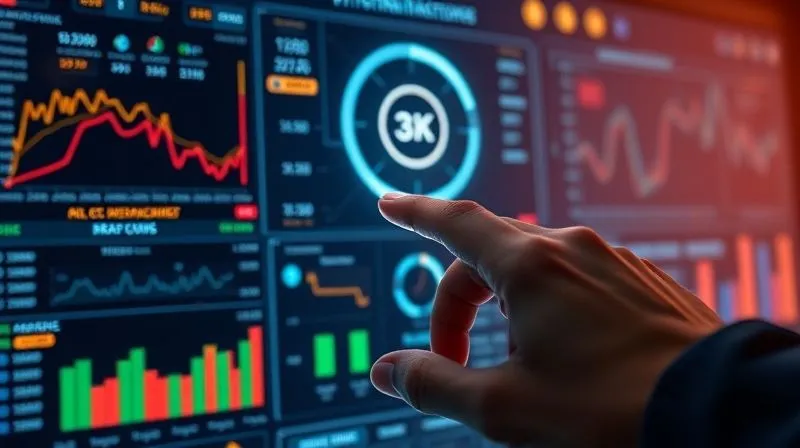
Institutions must establish internal protocols for periodic reviews of their chosen exchange(s). This includes re-evaluating their security practices, confirming insurance validity, and assessing any changes in their regulatory standing. A proactive stance on due diligence is your best defense against unforeseen risks.
"In the world of institutional crypto, vigilance isn't just a virtue; it's an operational necessity. The market never sleeps, and neither should your risk management."As Forbes often highlights, the institutional embrace of crypto necessitates rigorous risk management strategies, far beyond what retail investors consider.
Frequently Asked Questions (FAQ)
What is the difference between an institutional and a retail crypto exchange? Institutional crypto exchanges cater specifically to the needs of large organizations, offering features like deeper liquidity pools, advanced API access, dedicated account management, enhanced regulatory compliance, and robust custody solutions. They prioritize security, operational stability, and reporting capabilities that far exceed what a typical retail platform provides. Retail exchanges, conversely, focus on ease of use for individual investors, often with simpler interfaces and fewer advanced features.
How important is regulatory licensing for an institutional exchange? It's paramount. Regulatory licensing provides a crucial layer of trust and legal recourse. It signifies that the exchange operates under defined legal frameworks, adheres to AML/KYC standards, and is subject to oversight by financial authorities. For institutions, operating with an unlicensed exchange introduces unacceptable legal, compliance, and reputational risks.
Can institutions use multiple exchanges, and what are the benefits/risks? Yes, many institutions employ a multi-exchange strategy. Benefits include diversifying counterparty risk, accessing deeper liquidity across different platforms, and potentially optimizing trading costs by seeking the best execution venue for specific assets. However, this also introduces increased operational complexity, requiring more sophisticated reconciliation, risk management, and security protocols across multiple interfaces. It's a trade-off that requires careful management.
What role does third-party auditing play in assessing an exchange's security? Third-party security audits (e.g., SOC 2 Type II, ISO 27001, CCSS) are absolutely critical. They provide independent verification of an exchange's internal controls, security posture, and data protection practices. While internal claims are important, an unbiased assessment by a reputable auditing firm offers invaluable assurance regarding the platform's resilience against cyber threats and operational failures. Always request and review the latest audit reports.
How do I assess an exchange's liquidity for less common digital assets? Assessing liquidity for illiquid or less common assets requires a more granular approach. Look beyond reported volumes and examine the order book depth for those specific pairs. Check the bid-ask spread and the size of orders available within a reasonable percentage of the spot price. Consider using an OTC (Over-The-Counter) desk offered by institutional exchanges for large block trades of less liquid assets, as these trades are executed off-exchange and can minimize market impact.
Key Takeaways and Final Thoughts
Navigating the institutional digital asset landscape requires a meticulous and disciplined approach to risk management, with the selection of your crypto exchange being a foundational decision. I've outlined seven essential pillars that, in my extensive experience, form the bedrock of a secure and successful institutional engagement with digital assets.
- Prioritize Regulatory Compliance: Ensure your chosen partner operates within clear, reputable legal frameworks.
- Demand Robust Security: Multi-layered defenses, cold storage, and regular audits are non-negotiable.
- Seek Deep Liquidity: Efficient execution depends on genuine market depth, not just reported volumes.
- Secure Custody Solutions: Understand and verify asset segregation and protection mechanisms.
- Value Operational Excellence: Seamless onboarding, comprehensive reporting, and responsive support are crucial.
- Insist on Advanced Technology: Reliable APIs, low latency, and scalability are vital for sophisticated strategies.
- Verify Insurance & Guarantees: Understand the scope of protection against unforeseen events.
The journey into institutional digital assets is transformative, offering unprecedented opportunities for growth and portfolio diversification. However, it's a journey that demands unwavering diligence and a commitment to robust risk mitigation. By meticulously applying the framework I've shared, you can confidently make informed decisions when selecting institutional crypto exchange to minimize risk, paving the way for a secure and prosperous future in this exciting new financial frontier. Remember, foresight and preparation are your strongest assets in this evolving market.
Recommended Reading
- Replace Your High-Salary Job: 5 Sustainable Income Strategies
- Unlock Your Future: Proven Strategies to Avoid Student Loan Default Consequences
- Unlock Financial Freedom: How to Start Investing with Very Little Money Today
- 7 Steps: Overcoming Low Personal Credit to Secure Business Loans
- Unlock Global Savings: Your Ultimate Guide to Avoiding International ATM Fees




Comments
Leave a comment below. Your email will not be published. Required fields marked with *