


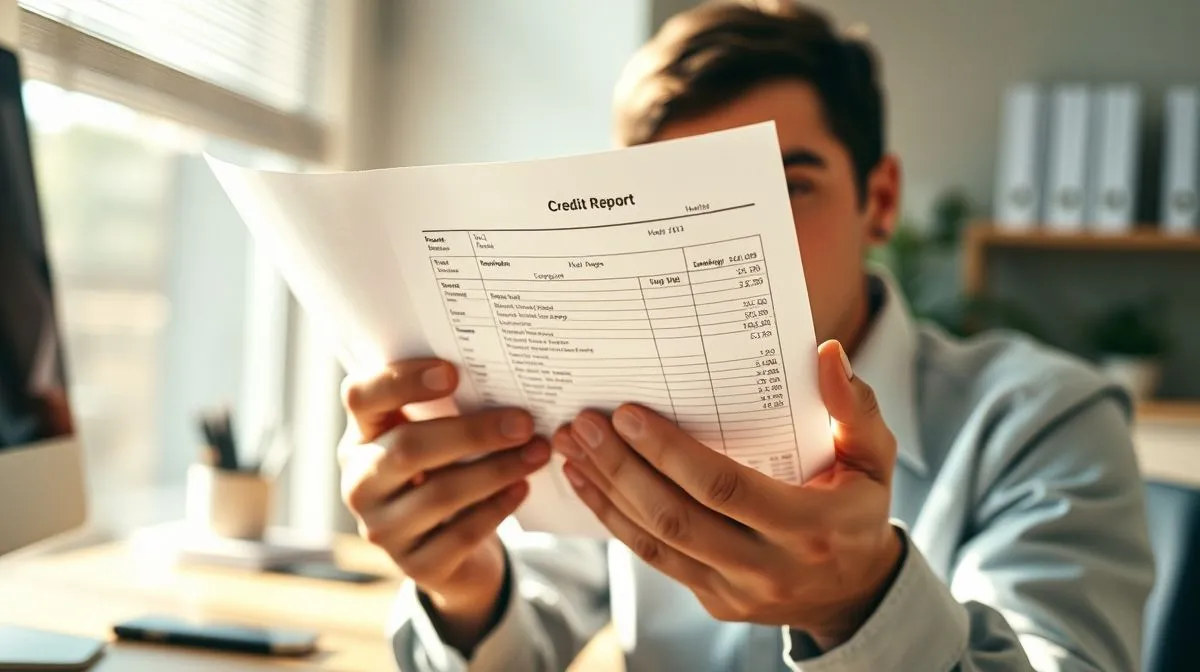
Mastering Your Financial Story: How to Understand Sections of Your Annual Credit Report
Have you ever received a document that felt like it was written in a foreign language, filled with acronyms and numbers that left you scratching your head? For many, their annual credit report feels exactly like that. It’s a comprehensive document, a detailed chronicle of your financial past, yet often remains unread or misunderstood.
The problem is, ignoring or misinterpreting this vital report can have profound consequences. Errors can linger, leading to denied loans, higher interest rates, or even missed opportunities for housing or employment. Without truly knowing how to understand sections of annual credit report, you're essentially navigating your financial life blindfolded.
This definitive guide will demystify every segment of your credit report, transforming it from a perplexing puzzle into a powerful tool. By the end of this reading, you will possess the knowledge to confidently review your report, identify discrepancies, and proactively manage your financial reputation, putting you firmly in control of your financial future.
The Foundation: What is an Annual Credit Report?
Before diving into its intricate sections, it’s crucial to grasp what an annual credit report truly is. It's not a single score, but rather a detailed summary of your credit history compiled by one of the three major credit bureaus: Experian, Equifax, and TransUnion. This report includes information on your borrowing and repayment habits, public records, and inquiries into your credit.
More Than Just a Score
While often conflated with a credit score, your credit report is the raw data from which your score is derived. It’s a living document that lenders, landlords, and even some employers use to assess your financial responsibility and risk. Understanding this distinction is the first step in mastering your financial narrative.
Your Right to Access
Thanks to the Fair Credit Reporting Act (FCRA), you are entitled to a free copy of your credit report from each of the three major credit bureaus once every 12 months. This right is fundamental to consumer protection, allowing you to monitor your financial health and protect against identity theft. The official source for these free reports is AnnualCreditReport.com.
Decoding Personal Information: The First Section
The very first section of your credit report is dedicated to your personal identifying information. This might seem straightforward, but it's a critical starting point for accuracy.
Verifying Your Identity
This segment typically includes your full name, current and past addresses, Social Security number, date of birth, and employment information. It's the bureau's way of confirming you are who you say you are. Take the time to meticulously check that all details are correct and up-to-date.
Common Issues to Spot
Look out for misspelled names, incorrect addresses, or outdated employer details. While seemingly minor, these inaccuracies could be signs of mixed files (where your information is mixed with someone else's) or even identity theft. Any discrepancies here warrant immediate attention.
Navigating Account Information: The Core of Your Report
This is arguably the most substantial and impactful part of your credit report, detailing every credit account you've ever held, from credit cards to mortgages.
Types of Accounts
You'll find various types of accounts listed, including: revolving accounts (like credit cards, where you can borrow up to a limit, repay, and borrow again), installment accounts (like car loans or mortgages, with fixed payments over a set period), and sometimes open accounts (like charge cards, which require full payment each month).
Payment History: Your Financial Footprint
Each account will display its payment history, usually in a grid format, showing whether payments were made on time or if they were 30, 60, 90, or 120+ days late. This is the single most important factor influencing your credit score. A consistent history of on-time payments demonstrates reliability, while late payments can significantly damage your creditworthiness.
Credit Limits and Balances
For revolving accounts, you'll see your credit limit and your current balance. This information is crucial for understanding your credit utilization ratio – the amount of credit you're using compared to your total available credit. Keeping this ratio low (ideally below 30%) is beneficial for your credit score.
Account Status: Open, Closed, or Charged Off
The status of each account is clearly indicated. An 'open' account is active. A 'closed' account means it's no longer active, either by your request or the lender's. A 'charged-off' account is a serious negative mark, indicating the lender has written off the debt as unlikely to be collected. Understanding these statuses helps you grasp the current state and health of your credit accounts.
Unveiling Public Records and Collections
This section is where severe financial events and unresolved debts are recorded. While less common, their presence has a profound negative impact.
Bankruptcies and Judgments
Public records include events like bankruptcies (which can stay on your report for 7 to 10 years depending on the type) and civil court judgments. These indicate significant financial distress and are viewed very negatively by lenders.
Collection Accounts: What They Mean
When a debt goes unpaid for an extended period, the original creditor may sell or transfer the debt to a collection agency. These 'collection accounts' appear on your report and signal a serious delinquency. Even if you eventually pay the collection, the original negative mark remains for up to seven years from the original delinquency date.
Understanding Inquiries: Who's Looking at Your Credit?
The inquiries section lists every entity that has accessed your credit report. This can be a surprising section for many, revealing who has been peeking at their financial data.
Hard vs. Soft Inquiries
There are two main types: hard inquiries and soft inquiries. Hard inquiries occur when you apply for new credit (e.g., a mortgage, car loan, or new credit card). They can slightly lower your credit score and remain on your report for two years. Soft inquiries, on the other hand, do not affect your score. These happen when you check your own credit report, when a lender pre-approves you for an offer, or when an employer conducts a background check.
Impact on Your Credit Score
While one or two hard inquiries won't devastate your score, a sudden surge of many inquiries in a short period can signal to lenders that you might be in financial distress or are taking on too much debt, potentially lowering your score.
The Importance of Accuracy: Identifying and Disputing Errors
Even a single error on your credit report can cost you money and opportunities. Knowing how to understand sections of annual credit report is paramount for identifying and rectifying these mistakes.
Common Types of Errors
Errors can range from simple data entry mistakes (incorrect account numbers or dates) to more serious issues like accounts that aren't yours (a sign of identity theft), accounts listed multiple times, or accounts that should have been removed (e.g., old negative items past their reporting period). According to a study by the Federal Trade Commission, roughly one in five consumers has an error on at least one of their credit reports.
The Dispute Process: A Step-by-Step Guide
- Review Thoroughly: Go through every section of each report from all three bureaus.
- Gather Evidence: Collect any documents that support your claim (e.g., payment confirmations, account statements).
- Contact the Bureau: Initiate a dispute directly with the credit bureau(s) reporting the error. Most bureaus offer online dispute processes, but you can also dispute by mail. For example, TransUnion provides a detailed guide on their dispute process: TransUnion Dispute Your Credit.
- Contact the Creditor: It’s also wise to contact the creditor or lender directly, as they are responsible for reporting accurate information to the bureaus.
- Follow Up: The bureaus typically have 30-45 days to investigate. Keep records of all correspondence.
Beyond the Basics: How Credit Report Information Impacts Your Life
Your credit report is far more than just a financial document; it's a key that unlocks various aspects of your adult life.
Loan Approvals and Interest Rates
This is the most obvious impact. Lenders use your credit report to decide whether to approve you for a loan (mortgage, car, personal) and what interest rate they will offer. A strong credit report can save you tens of thousands of dollars over the life of a loan.
Renting an Apartment and Employment Checks
Many landlords check credit reports to assess a prospective tenant's reliability. Similarly, some employers, particularly those in financial or high-trust positions, may review credit reports as part of their background checks. While they don't see your score, they see the underlying history.
Strategic Tips for Maintaining a Healthy Credit Report
Understanding your report is one thing; actively managing it is another. Here are some proactive steps:
Regular Monitoring
Make it a habit to check your credit reports at least once a year, using your free annual access. Consider using credit monitoring services offered by financial institutions or credit bureaus for more frequent updates.
Responsible Credit Usage
Always pay your bills on time. Keep your credit utilization low by using only a small portion of your available credit. Avoid opening too many new accounts in a short period, as this can appear risky to lenders.
Diversifying Credit
A healthy credit report often shows a mix of different types of credit (e.g., a credit card and an installment loan). This demonstrates your ability to manage various forms of debt responsibly. For more insights on building a diversified credit portfolio, resources like Investopedia provide excellent guidance on credit management strategies: Investopedia - Credit Mix.
Frequently Asked Questions (FAQ)
How often can I get my credit report for free? You are entitled to one free credit report from each of the three major credit bureaus (Experian, Equifax, and TransUnion) annually via AnnualCreditReport.com. Due to COVID-19, free weekly reports are currently available through 2026.
What's the difference between a credit report and a credit score? Your credit report is a detailed history of your credit accounts and payment behavior, while your credit score is a three-digit number derived from the information in your credit report, designed to predict your likelihood of repaying debt.
How long do negative items stay on my credit report? Most negative items, like late payments, collections, or charge-offs, typically remain on your credit report for seven years from the date of the original delinquency. Bankruptcies can stay for 7 to 10 years.
Can checking my own credit report hurt my score? No, checking your own credit report is considered a 'soft inquiry' and does not affect your credit score. Only 'hard inquiries' (when you apply for new credit) can slightly impact your score.
What should I do if I find an error on my credit report? If you find an error, you should dispute it directly with the credit bureau(s) reporting the information. It's also advisable to contact the creditor or lender that provided the incorrect information.
Recommended Reading
- The Ultimate Guide: How to Financially Prepare for Rental Property Vacancies
- Refinance Mortgage with Bad Credit? The Surprising Truth Revealed!
- Smart Saving Tips for Low-Income Families: Your Financial Guide
- How to Mitigate Investment Portfolio Risk: The Ultimate Guide
- Student Loan Grace Period Extension? Don't Miss This!
Conclusion
Your annual credit report is more than just a collection of financial data; it’s a living document that reflects your fiscal responsibility and profoundly influences your financial opportunities. By diligently learning how to understand sections of annual credit report, you transform from a passive observer to an active participant in managing your financial health. This comprehensive understanding empowers you to correct errors, prevent identity theft, and make informed decisions that pave the way for a more secure and prosperous future. Take the time to review your report regularly, because mastering its intricacies is a fundamental step toward achieving true financial freedom and peace of mind.





Comments
Leave a comment below. Your email will not be published. Required fields marked with *