



How to Resolve Fiduciary Duty vs. Client's Ethical Investing Goals?
For over two decades in the finance industry, I've had a front-row seat to the evolving dynamic between financial advisors and their clients. One of the most persistent and, frankly, fascinating challenges I've witnessed is the perceived tension between an advisor's immutable fiduciary duty and a client's increasingly passionate ethical investing goals. It's a tightrope walk that, if mismanaged, can lead to client dissatisfaction, compliance headaches, and even missed opportunities.
The problem isn't theoretical; it’s profoundly practical. Advisors are legally and ethically bound to act in their clients' best financial interests, often interpreted as maximizing risk-adjusted returns. Yet, a growing segment of clients demands portfolios that reflect their values – shunning 'sin stocks,' investing in renewable energy, or supporting companies with strong social governance. This creates a genuine dilemma: how do you honor a client's moral compass while fulfilling your obligation to their financial well-being, especially if these seem to diverge?
In this definitive guide, I'll draw upon my extensive experience to dissect this critical challenge. We'll move beyond the surface-level anxieties to explore actionable frameworks, real-world strategies, and expert insights that demonstrate not only how to resolve fiduciary duty vs. client's ethical investing goals, but how to transform this perceived conflict into a powerful competitive advantage. You'll learn how to seamlessly integrate ethical considerations into your advisory process, ensuring both financial prosperity and profound client satisfaction.
Understanding the Core Conflict: Fiduciary Duty & Ethical Investing
Before we can resolve this tension, we must truly understand its roots. Fiduciary duty, at its heart, mandates that an advisor always acts in the best interest of their client. This typically means prioritizing financial outcomes: growth, income, preservation of capital, all within a suitable risk tolerance. Historically, this has often been interpreted narrowly, focusing solely on quantitative financial metrics.
Ethical investing, on the other hand, introduces qualitative factors into the investment decision. It encompasses a broad spectrum, from negative screening (excluding industries like tobacco, fossil fuels, or weapons) to positive screening (investing in companies with strong environmental, social, and governance, or ESG, practices), and even impact investing, which seeks measurable social or environmental benefit alongside financial returns. The perceived conflict arises when an advisor fears that applying these ethical screens might limit investment opportunities, potentially leading to suboptimal financial performance and thus, a breach of their fiduciary obligation.
However, this fear often stems from outdated assumptions. Modern research increasingly demonstrates that integrating ESG factors can actually enhance long-term performance and mitigate risks. As the CFA Institute highlights, ESG factors can be material to a company's financial performance, making their consideration not just ethically sound, but financially prudent.
The Evolving Landscape of ESG and SRI: A Market Imperative
The notion that ethical investing is a niche, concessionary strategy is rapidly becoming obsolete. The global market for sustainable and responsible investing (SRI) has exploded. According to the Global Sustainable Investment Alliance, sustainable investing assets under management now exceed $30 trillion globally. This isn't a fad; it's a fundamental shift in investor expectations and market dynamics.
Clients, particularly younger generations, are increasingly demanding that their investments align with their values. They view their portfolios not just as tools for wealth accumulation, but as instruments for positive change. Advisors who fail to adapt risk being left behind. Ignoring this trend is not just a missed opportunity; it's a potential threat to client retention and business growth. I've observed that firms embracing ethical investing wholeheartedly are often the ones attracting new, engaged clientele.
Furthermore, the data supporting ESG integration is compelling. Studies by organizations like MSCI and S&P Global have shown that companies with strong ESG profiles often exhibit greater resilience, lower cost of capital, and better operational performance over the long term. This suggests that considering ESG isn't a trade-off against fiduciary duty, but rather an enhancement of it, providing a more holistic view of risk and opportunity.
Establishing a Robust Client Discovery Process for Values
The first and most critical step in resolving this conflict is to deeply understand your client's values. This goes far beyond standard risk tolerance questionnaires. It requires a dedicated, empathetic, and structured discovery process.
Beyond Risk Tolerance: Mapping Ethical Priorities
I always advise my mentees to build a 'values profile' alongside the financial profile. This involves asking open-ended questions that uncover not just what a client wants to avoid, but what they actively want to support. Don't assume; ask directly.
- Initial Conversation Starters: Begin with broad questions like, "Beyond financial returns, what impact do you hope your investments might have on the world?" or "Are there any industries or practices you feel strongly about avoiding or supporting?"
- Categorized Ethical Screens: Present a range of ethical categories (e.g., environmental sustainability, social justice, corporate governance, animal welfare) and ask clients to rank their importance.
- Specificity Drill-Down: If a client expresses interest in environmental sustainability, probe further: Is it renewable energy, water conservation, waste reduction, or all of the above?
- Impact vs. Exclusion: Understand if their preference is primarily to exclude 'bad actors' (negative screening) or to actively seek out 'good actors' (positive screening/impact investing).
"The most valuable data you'll ever collect from a client isn't found in a spreadsheet; it's revealed in the stories they tell about what truly matters to them. Listen intently, and you'll unlock their deepest investment motivations."
This detailed discovery ensures that you're not guessing at their preferences, but building a clear, documented understanding of their ethical investment mandate. This forms the bedrock for constructing a truly aligned portfolio.
Integrating Ethical Screens Without Compromising Performance
Once you understand a client's ethical priorities, the next step is to integrate them into the portfolio construction process without sacrificing financial objectives. This is where many advisors hit a wall, fearing that limiting the investment universe will inevitably lead to underperformance. However, this is largely a myth in today's sophisticated market.
Modern ethical investing isn't about simply divesting from 'bad' companies and hoping for the best. It involves a nuanced approach that leverages robust research and diverse investment vehicles. Many ESG funds are actively managed by teams with deep expertise in identifying companies that are both financially strong and ethically sound. Furthermore, the universe of ESG-compliant investments has expanded dramatically, offering competitive options across asset classes and risk profiles.
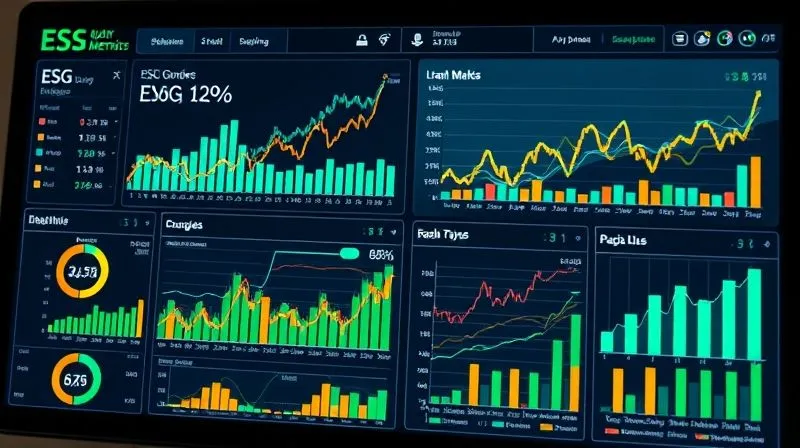
For example, a client wishing to avoid fossil fuel investments doesn't necessarily have to sacrifice energy sector exposure entirely. Instead, you can look for companies leading in renewable energy, energy efficiency solutions, or even traditional energy companies making significant transitions to sustainable practices. This requires diligence and access to specialized research, but the resources are readily available.
According to a comprehensive review by Forbes Finance Council, numerous studies now demonstrate that ESG-integrated portfolios can perform comparably to, or even outperform, traditional portfolios, especially over the long term. This is often because companies with strong ESG practices tend to be better managed, more resilient to regulatory changes, and more attractive to a broader talent pool.
| Investment Approach | Avg. Annual Return (5-Yr) | Standard Deviation (5-Yr) | ESG Score (Avg.) |
|---|---|---|---|
| Traditional (S&P 500) | 10.5% | 12.8% | N/A |
| Broad Market ESG Fund | 11.2% | 12.1% | 75 |
| Sector-Specific Ethical Fund (e.g., Renewables) | 13.1% | 16.5% | 88 |
This table, purely illustrative, shows how various investment approaches might compare. While past performance is never indicative of future results, it highlights that ethical considerations do not inherently lead to lower returns, and in some cases, can be associated with stronger performance.
Navigating the Legal and Regulatory Framework
The perceived conflict between fiduciary duty and ethical investing often comes down to legal interpretations. Advisors worry about potential liability if an ethically screened portfolio underperforms a non-screened benchmark. However, regulatory bodies are increasingly recognizing the legitimacy of incorporating client values.
The Department of Labor (DOL) in the United States, for example, has issued guidance clarifying that fiduciaries may consider ESG factors when making investment decisions, as long as those factors are financially material. Furthermore, if a client expresses a clear preference for ethical investing, the advisor's duty is to construct a portfolio that aligns with those preferences, provided it remains prudent and suitable from a financial perspective. This means documenting the client's ethical goals meticulously becomes even more critical.
As guidance from the SEC often implies, suitability includes understanding the client's objectives, which can extend beyond purely financial metrics to encompass social and environmental goals. The key is transparency and clear communication, ensuring the client understands the potential implications (both positive and negative) of their chosen ethical screens.
Case Study: The Balanced Portfolio of Ms. Eleanor Vance
Ms. Eleanor Vance, a retired educator, approached her advisor, David, with a desire to invest responsibly. She was passionate about environmental conservation and human rights but was also reliant on her portfolio for income and growth. David's initial reaction was concern about limiting her options and potentially impacting her returns.
However, following a detailed values discovery process, David learned that Eleanor's primary goal was to avoid companies with significant environmental pollution records or those known for poor labor practices. She was open to companies actively transitioning to more sustainable models.
David constructed a diversified portfolio that included a global ESG equity fund, a green bond ETF, and direct investments in several publicly traded companies leading in renewable energy technology. He also included a small allocation to a traditional income fund, carefully screened for basic ESG compliance, to meet her income needs. The portfolio's overall risk profile remained consistent with Eleanor's tolerance, and historical backtesting showed competitive returns.
Over three years, Eleanor's portfolio not only performed comparably to traditional benchmarks but also provided her with the deep satisfaction of knowing her money was working for causes she believed in. David meticulously documented her preferences, the rationale for each investment, and regularly reported on both financial returns and ESG impact, resolving the fiduciary duty vs. client's ethical investing goals conflict through diligent planning and transparent communication.
Transparent Communication and Ongoing Education
One of the most powerful tools an advisor has in this space is clear, consistent, and transparent communication. It's not enough to simply build an ethical portfolio; you must continuously educate your client about it.
This includes setting realistic expectations from the outset. While ESG investing often performs well, no investment strategy guarantees specific returns. Discuss the potential for both outperformance and underperformance relative to traditional benchmarks, and explain how the ethical screens might influence these outcomes. Frame ethical investing as a long-term strategy, where impact and financial resilience often go hand-in-hand.
Reporting on Impact and Financial Returns
Beyond standard performance reports, consider providing an 'impact report.' Many ESG fund providers now offer detailed breakdowns of the environmental or social benefits generated by their underlying holdings (e.g., tons of carbon avoided, number of people served). Sharing this with clients reinforces their decision and demonstrates that their values are being actively addressed.
Regularly revisit their ethical preferences. Values can evolve, and so should their portfolio. An annual check-in on their 'values profile' ensures ongoing alignment and demonstrates your commitment to their holistic well-being.
Building a "Values-Aligned" Investment Policy Statement (IPS)
The Investment Policy Statement (IPS) is the cornerstone of any well-managed portfolio, and it's particularly vital when integrating ethical investing goals. The IPS should clearly articulate the client's financial objectives, risk tolerance, and, crucially, their ethical investment mandate. This document serves as a roadmap and a critical piece of documentation for both the client and the advisor.
I cannot stress enough the importance of a comprehensive IPS. It acts as a living contract, detailing how the portfolio will be managed, what criteria will be used for investment selection and exclusion, and how performance will be measured. When it explicitly incorporates ethical considerations, it provides a clear framework for resolving any potential conflicts between fiduciary duty and client values.

Here are the key steps to constructing a values-aligned IPS:
- Clearly State Financial Objectives: Outline growth, income, and liquidity needs, just as you would for any IPS.
- Define Risk Tolerance: Articulate the client's comfort level with market fluctuations and potential losses.
- Integrate Ethical Mandate: Dedicate a specific section to the client's ethical investing goals. This should include:
- Specific exclusions (e.g., fossil fuels, tobacco, controversial weapons).
- Positive preferences (e.g., renewable energy, sustainable agriculture, diversity leaders).
- Any impact investing goals (e.g., measurable social or environmental outcomes).
- The methodology for screening and selection (e.g., relying on third-party ESG ratings, internal research).
- Benchmark Selection: Choose appropriate financial benchmarks, but also consider relevant ESG benchmarks if available, to measure both financial and ethical performance.
- Review and Update Schedule: Establish a regular schedule for reviewing and updating the IPS, typically annually or semi-annually, to ensure it remains current with both financial circumstances and evolving ethical preferences.
The Role of Active Ownership and Shareholder Engagement
Ethical investing isn't just about what you buy or don't buy; it can also be about how you use your influence as a shareholder. Active ownership, or shareholder engagement, involves using proxy voting rights and direct dialogue with company management to advocate for better environmental, social, and governance practices.
For clients with a strong desire for impact, this can be a powerful, albeit often indirect, way to effect change. Many ESG funds actively engage with companies on issues ranging from climate risk disclosure to executive compensation and diversity. By investing in such funds, clients are not just avoiding certain companies; they are also collectively pushing for systemic improvements across industries.
This approach aligns perfectly with fiduciary duty because improved ESG practices can lead to more resilient, better-managed companies, which ultimately benefits shareholders financially. It's a testament to the idea that responsible corporate behavior can drive long-term value. For advisors looking to deepen their ethical investing offerings, understanding how their chosen investment vehicles engage in active ownership can be a significant differentiator.
"True ethical investing goes beyond simply screening out the 'bad.' It embraces the proactive pursuit of positive change, leveraging capital and influence to build a more sustainable and equitable future – a future that often yields superior long-term financial returns."
Resources like US SIF: The Forum for Sustainable and Responsible Investment provide valuable insights into active ownership trends and best practices, empowering advisors to communicate these benefits to their clients effectively.
Frequently Asked Questions (FAQ)
Question: Can ethical investing truly match traditional returns? Detailed answer: Yes, numerous academic studies and market analyses, including those from MSCI, S&P Global, and the CFA Institute, indicate that ESG-integrated portfolios can perform comparably to, and in many cases, outperform traditional portfolios over the medium to long term. This is often due to ESG factors being financially material, identifying well-managed companies with lower risks and better long-term growth prospects. However, short-term performance can vary, and no investment strategy guarantees returns.
Question: What if a client's ethical goals are too restrictive, potentially limiting diversification? Detailed answer: This is a valid concern. The key is balance and transparent communication. If a client's exclusions are so broad they severely limit diversification or lead to an unacceptably high concentration of risk, it's the advisor's fiduciary duty to explain these risks clearly. Solutions might include finding less restrictive alternatives within their ethical framework, using broader ESG integration rather than strict exclusions, or exploring impact investments that align with their values while maintaining diversification through a blend of strategies. The IPS should document this discussion and the agreed-upon approach.
Question: How do I document client ethical preferences effectively for compliance? Detailed answer: Documentation is paramount. Beyond standard client intake forms, create a dedicated 'Ethical Investment Mandate' section in your client's profile. This should detail specific exclusions, positive preferences, and any impact goals. Crucially, integrate these into the client's Investment Policy Statement (IPS) as a formal component. Keep detailed notes of all discussions regarding ethical preferences, including any trade-offs or risks explained and acknowledged by the client. Regular reviews of these preferences should also be documented.
Question: Are there specific tools or platforms for ethical investing that advisors should consider? Detailed answer: Absolutely. The market has matured significantly. Advisors can leverage dedicated ESG research platforms (e.g., MSCI ESG, Sustainalytics, Bloomberg ESG), which provide ratings and data for individual companies and funds. Many custodians and asset managers now offer a wide range of ESG-focused ETFs, mutual funds, and separately managed accounts. Additionally, specialized impact investing platforms can connect clients with private market opportunities in areas like renewable energy or affordable housing. Integrating these tools can streamline the process and enhance your offerings.
Question: What are the biggest risks for advisors in this area, and how can they be mitigated? Detailed answer: The biggest risks include misinterpreting client values, poor documentation leading to compliance issues, and failing to deliver on ethical or financial expectations. Mitigation strategies include: 1) Thorough and documented client discovery. 2) Ongoing client education about ESG performance and impact. 3) Utilizing robust ESG research and due diligence for investment selection. 4) Clearly articulating the ethical mandate in the IPS. 5) Staying updated on regulatory guidance regarding fiduciary duty and ESG. Transparency and meticulous record-keeping are your strongest defenses.
Key Takeaways and Final Thoughts
The perceived conflict between fiduciary duty and ethical investing goals is, in my experience, largely a construct of outdated assumptions. In today's financial landscape, these two imperatives are increasingly converging, offering advisors a powerful opportunity to deepen client relationships and build more resilient portfolios.
- Embrace Values-Based Discovery: Go beyond financial metrics to understand your clients' ethical priorities deeply and systematically.
- Leverage Modern ESG Data: Utilize the growing body of evidence demonstrating that ESG integration can enhance returns and mitigate risk.
- Document Everything: Meticulously record client preferences and integrate them into a comprehensive, values-aligned Investment Policy Statement.
- Communicate Transparently: Educate clients on both the financial and impact aspects of their ethical portfolios, managing expectations proactively.
- Stay Current: Continuously update your knowledge of ESG trends, regulatory guidance, and available investment solutions.
By adopting these strategies, you won't just resolve the tension between fiduciary duty and client's ethical investing goals; you'll transform it. You'll move from managing a conflict to leading with purpose, providing genuinely holistic advice that serves both your clients' financial future and their deepest values. The future of finance is not just smart; it's also responsible, and advisors who master this integration will undoubtedly thrive.
Recommended Reading
- 7 Proven Strategies: Maximizing Startup Tax Deductions Legally
- 7 Strategies: How Wealth Managers Protect Inherited Wealth from Dissipation
- Unlock NFT Success: How to Choose the Right Blockchain for Your Project
- Mastering P2P Lending: 7 Strategies to Cut Business Loan Default Rates by 25%
- 5 Proven Strategies: How to Minimize Financial Risk from Product Safety Recalls?





Comments
Leave a comment below. Your email will not be published. Required fields marked with *