


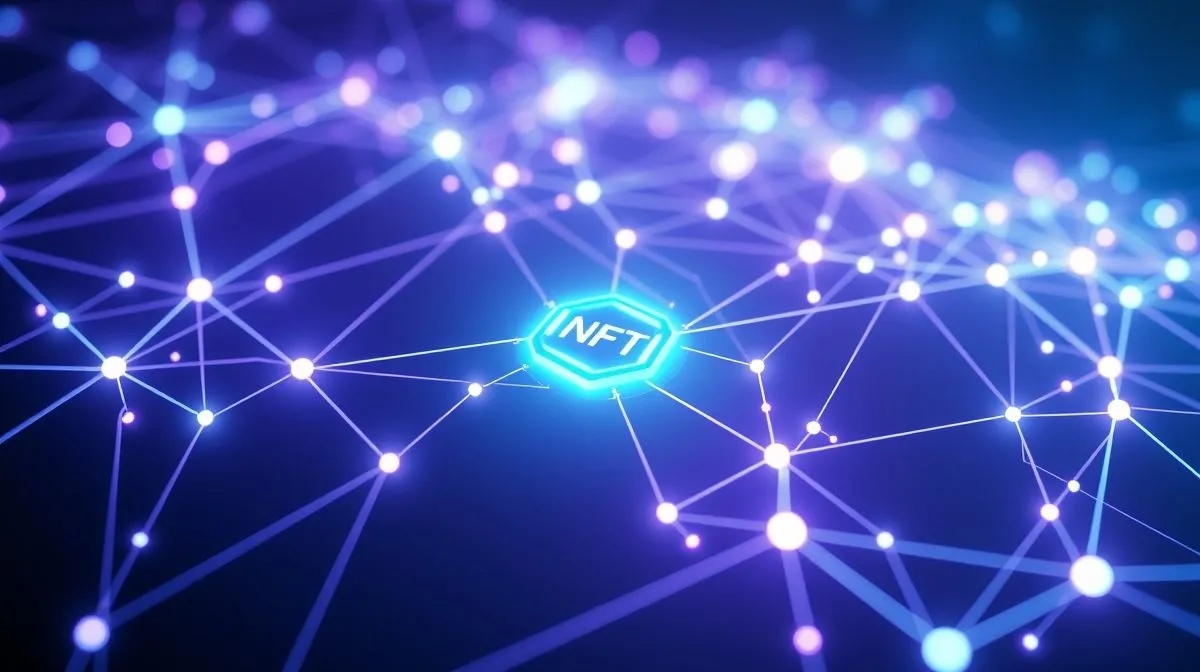
How to Choose the Right Blockchain for Your NFT Project?
Imagine Sarah, a brilliant digital artist, ready to launch her groundbreaking NFT collection. Her art was captivating, her community buzzing with anticipation. Yet, she found herself staring at a bewildering array of blockchain options: Ethereum, Solana, Polygon, Cardano, and many more. Each promised unique advantages, but also presented potential pitfalls. The choice felt overwhelming, a critical juncture that could make or break her project's future.
This scenario isn't unique. In the rapidly evolving world of Non-Fungible Tokens, selecting the foundational blockchain is arguably one of the most pivotal decisions an NFT creator or project team will face. A misstep here can lead to crippling transaction fees, network congestion, security vulnerabilities, or even alienate your target audience. The core problem lies in navigating the technical complexities and diverse ecosystems to find the perfect fit for your specific vision.
This comprehensive guide is designed to demystify that crucial decision. By the end of this reading, you will possess a robust framework for understanding the critical factors involved, exploring the leading blockchain contenders, and ultimately, confidently determining how to choose the right blockchain for your NFT project, ensuring its long-term success and widespread adoption.
Understanding the Core Pillars of Blockchain Selection for NFTs
Before diving into specific blockchain platforms, it's essential to grasp the fundamental attributes that differentiate them. These core pillars will serve as your compass, guiding your decision-making process.
Scalability: Can it Handle Growth?
Scalability refers to a blockchain's ability to handle an increasing number of transactions per second (TPS) without compromising performance or significantly increasing costs. For NFT projects, especially those expecting high demand or frequent interactions (like gaming NFTs or large collections), scalability is paramount. A congested network can lead to slow transactions and frustrated users. Consider the blockchain's current TPS and its roadmap for future scaling solutions, such as sharding or Layer 2 implementations.
Transaction Costs (Gas Fees): The Financial Burden
Gas fees are the costs associated with performing operations on a blockchain, such as minting an NFT, transferring it, or executing smart contract functions. These fees vary dramatically between blockchains and can fluctuate based on network congestion. High gas fees can be a significant barrier to entry for users and can make certain NFT utilities economically unfeasible. Projects targeting a broad audience or those with frequent micro-transactions must prioritize low-cost chains.
Security & Decentralization: Trust and Resilience
Security is non-negotiable for digital assets like NFTs. A blockchain's security is often tied to its decentralization – the extent to which control and decision-making are distributed across many participants rather than concentrated in a few hands. A highly decentralized network is more resistant to attacks and censorship. While some blockchains prioritize speed and low cost, they might make trade-offs in decentralization. It's crucial to balance these factors based on the value and nature of your NFT assets.
Community & Ecosystem: Developer Support and User Base
A vibrant and active community is invaluable. This includes developers, artists, collectors, and infrastructure providers. A strong ecosystem means more tools, better documentation, readily available support, and a larger potential user base for your NFTs. Consider the number of active projects, the quality of developer resources, and the overall health of the community surrounding a blockchain.
Interoperability: Future-Proofing Your Project
Interoperability refers to the ability of different blockchain networks to communicate and exchange data or assets. As the blockchain landscape becomes more fragmented, the ability to move NFTs or integrate with applications on other chains can be a significant advantage. While not always a primary concern for initial launch, considering a blockchain's potential for cross-chain compatibility can future-proof your project and expand its reach.
Deep Dive into Popular Blockchain Contenders for NFTs
Now, let's explore some of the most prominent blockchains currently being utilized for NFT projects, highlighting their unique characteristics.
Ethereum: The OG, Its Strengths and Weaknesses
Ethereum is the undisputed pioneer in the NFT space, home to the vast majority of high-value collections and the widely adopted ERC-721 and ERC-1155 token standards. Its strengths lie in its unparalleled decentralization, robust security, and the largest, most mature developer community and ecosystem. However, its primary weakness is its high and often volatile gas fees, which can make minting and trading expensive, especially during periods of high network activity. The transition to Ethereum 2.0 (now called the Consensus Layer, after The Merge) has significantly reduced its energy consumption but has not yet fully solved the scalability and gas fee issues, which are being addressed by Layer 2 solutions. You can learn more about understanding gas fees on Ethereum.
Solana: Speed and Low Cost
Solana emerged as a strong contender, boasting extremely high transaction speeds (up to 65,000 TPS) and remarkably low transaction costs, often fractions of a cent. These attributes make it highly attractive for gaming NFTs, large-volume collections, and projects requiring frequent interactions. While fast and cheap, some critics point to its relatively lower decentralization compared to Ethereum, and it has experienced occasional network outages. Despite this, Solana's ecosystem is rapidly growing, attracting significant developer interest.
Polygon (Matic): Ethereum's Scaling Solution
Polygon is not a standalone blockchain but a Layer 2 scaling solution built on top of Ethereum. It offers significantly lower gas fees and faster transactions than the Ethereum mainnet, while still benefiting from Ethereum's security. Polygon acts as a sidechain, allowing developers to deploy dApps and NFTs with reduced costs and increased throughput. It's an excellent choice for projects that want to leverage Ethereum's ecosystem but need more affordable operations, making it popular for gaming and DeFi-related NFTs.
Cardano: Peer-Reviewed Security, Growing Ecosystem
Cardano is a proof-of-stake blockchain known for its academic, peer-reviewed approach to development, emphasizing security and sustainability. While its NFT ecosystem is newer compared to Ethereum or Solana, it's rapidly expanding, offering lower transaction fees and a growing community. Cardano appeals to projects seeking a highly secure and methodologically sound foundation, often attracting those who prioritize long-term stability and scientific rigor over immediate speed. Its native token standard, while different from ERC-721, supports rich metadata for NFTs.
Avalanche: High Throughput, Subnets
Avalanche is a high-performance blockchain platform that supports custom, interoperable blockchains called 'subnets.' This unique architecture allows projects to launch their own application-specific blockchains with tailored rules and fees, offering immense flexibility and scalability. Avalanche boasts high transaction throughput and near-instant finality, making it suitable for complex decentralized applications and gaming NFTs. Its primary strength lies in its customizable subnet architecture and robust security model.
Tezos: Energy Efficiency, Formal Verification
Tezos is an energy-efficient, self-amending blockchain that prioritizes formal verification for smart contracts, enhancing security. It has a notable presence in the art NFT space, particularly among environmentally conscious artists, due to its low energy consumption. Tezos features an on-chain governance mechanism, allowing for smooth protocol upgrades without hard forks. Its transaction fees are consistently low, making it an attractive option for artists and collectors looking for a sustainable and cost-effective platform.
Flow: Designed for NFTs
Developed by Dapper Labs (creators of CryptoKitties and NBA Top Shot), Flow was built from the ground up specifically for NFTs and large-scale consumer applications. It offers a unique multi-role architecture that separates the tasks of a validator, leading to high throughput and low latency. Flow is known for its user-friendly experience and has successfully onboarded major brands. If your project aligns with high-volume consumer-facing NFTs, Flow presents a compelling, purpose-built solution.
Key Factors to Consider When Making Your Blockchain Choice
With a better understanding of the leading contenders, let's refine your decision-making process by considering these crucial factors specific to your project.
Project Type and Goals: Art, Gaming, Utility, Collectibles
The nature of your NFT project heavily influences the ideal blockchain. Are you creating static art collectibles (like a profile picture collection), dynamic gaming assets that require frequent updates, utility NFTs that unlock access, or large-scale digital identities? High-transaction volume projects (gaming) need fast, low-cost chains (Solana, Flow, Avalanche). High-value, immutable art might prioritize security and decentralization (Ethereum). Understanding your project's core functionality is paramount for how to choose the right blockchain for your NFT project.
Target Audience: Where Are They? What Do They Value?
Consider your prospective NFT buyers. Are they seasoned crypto enthusiasts who are comfortable with high gas fees on Ethereum, or are they mainstream consumers new to Web3 who need a seamless, low-cost experience? If your audience prioritizes accessibility and affordability, chains like Polygon, Solana, or Flow might be more suitable. If they value the prestige and security associated with Ethereum, then its ecosystem might be worth the higher cost.
Budget and Funding: Can You Afford the Fees?
Your project's budget, both for development and ongoing operations, is a critical factor. Factor in not just initial minting costs but also potential transaction fees for future royalties, transfers, and utility interactions. If your budget is limited or your business model relies on frequent, low-value transactions, a chain with consistently low gas fees is essential. Remember, these costs can impact your profitability and user engagement.
Technical Expertise: Your Team's Comfort Level
The blockchain you choose should align with your development team's existing skills and comfort level. While many chains support Solidity (Ethereum's language), others use different programming languages (e.g., Rust for Solana, Haskell for Cardano). The availability of development tools, documentation, and community support for your chosen language can significantly impact your project's development timeline and success.
Future-Proofing and Evolution: Long-Term Vision
Think beyond the initial launch. What are your long-term plans for the NFT project? Do you foresee expanding to other chains, integrating with specific DeFi protocols, or evolving the utility of your NFTs? Consider the blockchain's roadmap, its ability to scale, and its commitment to innovation. Choosing a platform that can grow with your vision will save significant headaches down the line.
Common Pitfalls to Avoid in Blockchain Selection
Navigating the blockchain landscape can be tricky. Here are some common mistakes to sidestep during your selection process.
Chasing the Hype: Don't Pick Based on Trends Alone
It's tempting to jump on the bandwagon of the latest trending blockchain. However, a platform's popularity doesn't automatically make it the right fit for your specific needs. Research thoroughly, understand its technical underpinnings, and ensure it aligns with your project's long-term goals rather than short-term hype cycles. What works for one project might be disastrous for another.
Ignoring Gas Fees: A Hidden Cost That Can Kill a Project
Many projects underestimate the cumulative impact of gas fees. While a single mint might seem cheap, consider the costs for users to buy, sell, or interact with your NFTs over time, especially if your project involves frequent on-chain actions. High fees can deter users, reduce trading volume, and undermine the utility of your NFTs, ultimately impacting your project's viability.
Underestimating Security Risks: Critical for Digital Assets
While all major blockchains prioritize security, some are more battle-tested and decentralized than others. Don't compromise on security for the sake of speed or lower costs. Research the blockchain's history of hacks, its consensus mechanism, and its overall resilience. The integrity of your digital assets and your community's trust depend on it.
Overlooking Community Support: Essential for Problem-Solving
A blockchain is more than just code; it's a living ecosystem. A lack of active developer forums, clear documentation, or responsive community support can leave your team stranded when encountering technical challenges. Engage with communities on Discord, Telegram, and Twitter to gauge their vibrancy and helpfulness before committing.
Lack of Long-Term Vision: What If Your Project Scales?
Choosing a blockchain that cannot scale with your project's success is a critical oversight. Imagine your NFT collection exploding in popularity, only to be bottlenecked by network congestion and exorbitant fees. Plan for success from the outset by selecting a blockchain with a clear scalability roadmap or proven ability to handle high transaction volumes.
A Step-by-Step Framework for Your Decision
To synthesize all the information, here’s a practical framework to guide your blockchain selection:
Define Your Project's Core Needs
Start by clearly outlining your project's unique requirements. What is the primary purpose of your NFTs? How many NFTs will there be? What level of transaction frequency do you anticipate? Who is your target audience? What is your budget for operational costs? Be as specific as possible.
Research and Compare Top Contenders
Based on your defined needs, narrow down the list of potential blockchains. Deep-dive into their technical specifications, fee structures, community size, and security models. Utilize reliable sources, whitepapers, and developer documentation. For instance, consider Solana's architecture if speed is a priority.
Conduct Small-Scale Tests (if possible)
If feasible, experiment with deploying a small test NFT or smart contract on your top 2-3 choices. This hands-on experience can provide invaluable insights into development ease, actual gas fees, and network performance that theoretical research might miss.
Consult Experts and Communities
Don't hesitate to reach out to experienced blockchain developers, consultants, or active members within various blockchain communities. Their practical insights can highlight nuances or potential issues you might not have considered. Participate in forums and ask targeted questions.
Make an Informed Decision
Armed with comprehensive research, practical experience, and expert advice, make your final decision. Document your rationale, outlining why you chose a particular blockchain over others, based on your project's specific needs and long-term vision. This clarity will be invaluable as your project progresses.
The Future Landscape: Cross-Chain and Layer 2 Solutions
The blockchain ecosystem is dynamic, and solutions are constantly evolving. Two significant trends are shaping the future of NFT deployment:
Bridging the Gaps: The Rise of Interoperability
As more blockchains emerge, the need for them to communicate and transfer assets (including NFTs) becomes critical. Cross-chain bridges and protocols are developing rapidly, allowing NFTs minted on one chain to be moved or utilized on another. While still nascent, this trend suggests that future NFT projects might not be confined to a single blockchain, offering greater flexibility and reach.
Layer 2 Scaling: Optimism, Arbitrum, zk-Rollups
For blockchains like Ethereum, Layer 2 scaling solutions are becoming increasingly sophisticated. Technologies like Optimistic Rollups (e.g., Optimism, Arbitrum) and Zero-Knowledge Rollups (e.g., zkSync, StarkNet) process transactions off the main chain but settle them securely on Layer 1. These innovations promise to bring significantly lower fees and higher throughput to Ethereum's ecosystem, potentially making it more viable for a broader range of NFT projects in the future without sacrificing its core security and decentralization. A comprehensive overview of these solutions can be found on reputable blockchain research sites like CoinMarketCap Alexandria.
Frequently Asked Questions (FAQ)
Which blockchain is best for beginners minting their first NFT? For beginners, Polygon or Tezos are often recommended due to their low transaction fees and growing user-friendly ecosystems, making the initial experience more accessible.
Are gas fees always high on Ethereum? Ethereum gas fees fluctuate significantly based on network congestion. While often high, they can be lower during off-peak hours or for simple transactions. Layer 2 solutions on Ethereum offer much lower fees.
Can I change the blockchain for my NFT project later? Generally, no. Once an NFT is minted on a specific blockchain, it is permanently tied to that chain. You can, however, create a new collection on a different chain, or explore cross-chain bridging solutions if available, but this is complex and not a simple 'switch'.
What is the most secure blockchain for NFTs? Ethereum is widely considered one of the most secure and decentralized blockchains due to its vast network of validators and battle-tested history. However, security is also dependent on smart contract audits and proper implementation.
How does a blockchain's energy consumption affect NFT choice? For environmentally conscious artists and collectors, a blockchain's energy consumption (Proof of Work vs. Proof of Stake) can be a significant factor. Proof-of-Stake chains like Tezos, Cardano, and the post-Merge Ethereum are significantly more energy-efficient than Proof-of-Work chains like Bitcoin.
Recommended Reading
- Fix Credit Report Errors Myself? The Ultimate Guide
- Master Financial Stewardship: Your Daily Practice Guide
- Unlocking Profit: The Ultimate Guide to Analyzing Commercial Real Estate Financials
- Boost Your Score: How to Improve My FICO Score Quickly and Effectively
- Smart Pricing: The Secret to Boosting Entrepreneur Profit Now!
Conclusion
The journey to launch a successful NFT project begins with a strategic choice of blockchain. There's no single 'best' option; rather, the optimal blockchain is the one that most perfectly aligns with your project's unique vision, technical requirements, target audience, and long-term goals. By diligently evaluating factors like scalability, cost, security, community, and future-proofing, and by understanding the strengths of leading platforms, you are now equipped to confidently determine how to choose the right blockchain for your NFT project. This informed decision will not only streamline your development process but also lay a robust foundation for your digital assets to thrive in the dynamic world of Web3. Embrace the power of choice, build wisely, and unleash your creative potential.

Comments
Leave a comment below. Your email will not be published. Required fields marked with *