



How to Remove a Bankrupt Business from Personal Credit History?
For over two decades in the finance and credit industry, I've witnessed the devastating ripple effect a failed business can have on an individual's personal financial life. It's a common misconception that incorporating a business automatically shields your personal credit from its demise. While often true in theory, the practical realities of business financing, especially for small and medium-sized enterprises, frequently blur these lines.
The pain point is palpable: you poured your heart, soul, and often your personal savings into a venture, only for it to falter. Now, years later, you're trying to buy a home, secure a loan, or even just get a new credit card, and that ghost of a bankrupt business resurfaces on your personal credit report, dragging down your score and closing doors. It feels unfair, a financial scar that refuses to heal.
But here's the crucial insight I want to share: this isn't necessarily a permanent sentence. With the right strategy, diligent effort, and a deep understanding of credit reporting laws, you absolutely can challenge, and often remove, the negative impact of a bankrupt business from your personal credit history. I'm here to provide you with a definitive, expert-backed roadmap, complete with actionable steps, real-world analogies, and the critical knowledge you need to reclaim your financial narrative.
Understanding the Interplay: When Business Bankruptcy Hits Personal Credit
Before we dive into removal strategies, it's vital to grasp precisely how a business's financial woes can intertwine with your personal credit. This isn't always straightforward, and understanding the nuances is your first line of defense.
The Sole Proprietor and General Partnership Dilemma
If your bankrupt business was structured as a sole proprietorship or a general partnership, the lines between personal and business finances are virtually non-existent in the eyes of the law and, consequently, credit bureaus. In these structures, you and your business are legally the same entity. Therefore, any business debts, defaults, or bankruptcies are inherently your personal responsibility. When the business fails, those liabilities directly appear on your personal credit report, reflecting negatively on your score. This direct link makes removal particularly challenging, as the entries are often accurate reflections of your legal obligations.
The LLC/Corporation Veil (and When It's Pierced)
For businesses structured as a Limited Liability Company (LLC) or a Corporation (S-Corp or C-Corp), there's typically a legal separation, often referred to as the 'corporate veil,' between the business entity and its owners. This means that, in theory, the business's debts and bankruptcy should not impact the owners' personal credit. However, this veil can be 'pierced' in certain circumstances.
"While an LLC or corporation offers liability protection, it's not an impenetrable shield. Poor record-keeping, commingling of funds, or undercapitalization can lead courts to disregard the entity's separate legal existence, making owners personally liable." - Legal expert insight.
Common scenarios for veil piercing include fraud, inadequate capitalization, or failing to observe corporate formalities. If a court pierces the veil, the business's bankruptcy can then be linked to your personal credit. This is where meticulous documentation and legal clarity become paramount.
Personal Guarantees: The Silent Assassin
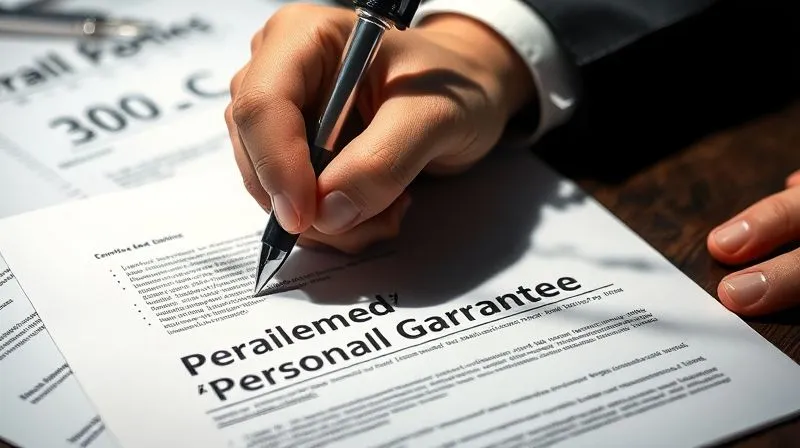
In my experience, the most common reason for a bankrupt business to impact personal credit, even for LLCs and corporations, is the personal guarantee (PG). Lenders, especially for small businesses, often require owners to personally guarantee business loans, lines of credit, or leases. This means that if the business defaults, you, as the guarantor, are personally responsible for repaying the debt. When the business declares bankruptcy, any debts you personally guaranteed will then show up as defaults on your personal credit report. These are legitimate entries and disputing them requires a different strategy than disputing inaccuracies.
Step-by-Step Guide: Identifying and Documenting Negative Entries
The first, and arguably most critical, phase in removing a bankrupt business from your personal credit history is a thorough, systematic investigation. You can't fix what you don't fully understand.
1. Obtain Your Credit Reports from All Three Bureaus
Your credit report is your battleground map. You must obtain reports from all three major credit bureaus: Experian, Equifax, and TransUnion. By law, you are entitled to a free report from each bureau once every 12 months via AnnualCreditReport.com. Do not skip this step, as information can vary significantly between bureaus.
2. Scrutinize for Inaccuracies and Unjustified Links
Once you have your reports, meticulously review every single entry. Look for:
- Accounts you don't recognize: Sometimes, errors occur, and accounts are mistakenly linked to your profile.
- Incorrect reporting of account status: Was an account reported as defaulted when it was settled? Or was it discharged in the business bankruptcy but still shows as active and delinquent on your personal report?
- Business debts without a personal guarantee: If your business was an LLC or corporation and you never signed a personal guarantee for a specific debt, yet it appears on your personal report, this is a prime candidate for dispute.
- Outdated information: Bankruptcy filings typically remain on your report for 7-10 years. If an entry is older than its legal reporting period, it should be removed.
3. Gather Supporting Documentation
This is where your meticulousness pays off. For every potentially inaccurate or disputable entry, you need evidence. Think of yourself as a detective building a case. Here’s a list of essential documents:
| Document Type | Purpose |
|---|---|
| Credit Reports (All 3) | Baseline for identifying errors and discrepancies |
| Business Formation Documents | Proof of LLC/Corporation structure (Articles of Incorporation/Organization) |
| Business Bankruptcy Filings | Official court documents, discharge papers, schedule of creditors |
| Personal Guarantee Documents | Copies of any agreements you signed (or lack thereof for disputed debts) |
| Correspondence with Creditors | Any letters, emails, or settlement agreements related to the business debt |
| Bank Statements (Personal & Business) | To demonstrate separation of funds, if applicable |
According to the Consumer Financial Protection Bureau (CFPB), the burden of proof often falls on the credit bureaus and furnishers once you initiate a dispute, but providing your own compelling evidence significantly strengthens your position.
Leveraging Legal Rights: Disputing Inaccurate Information
Once you've identified the discrepancies and gathered your evidence, it's time to formally challenge the entries. The Fair Credit Reporting Act (FCRA) is your most powerful ally here.
Crafting a Compelling Dispute Letter
Don't just send a generic letter. Your dispute letter needs to be clear, concise, and backed by evidence. Send it via certified mail with a return receipt requested – this provides proof of delivery. Address your letters to both the credit bureau and the original creditor (the 'furnisher' of the information). Each letter should:
- Clearly identify yourself: Full name, address, Social Security Number.
- State the specific item you are disputing: Account number, creditor name, why it's inaccurate.
- Explain why it's inaccurate: Reference your supporting documents.
- Request removal or correction: Clearly state your desired outcome.
- Include copies of your supporting documents: Never send originals.
For example, if a business loan from your LLC (where you had no PG) is on your personal report, your letter would state that the account belongs solely to the business entity, not you personally, and that you never provided a personal guarantee. You would attach your LLC formation documents and a statement affirming no PG was signed.
Following Up and Escalating Your Dispute
Credit bureaus generally have 30 days (sometimes 45 days if you provide additional information during that period) to investigate your dispute. If they fail to investigate, or if they investigate and don't remove the inaccurate entry, you have further recourse. You can:
- Re-dispute: Sometimes a second, more detailed letter can yield results.
- File a complaint with the CFPB: The CFPB acts as a watchdog and can pressure bureaus and creditors to comply with the FCRA.
- Consult with an attorney: If the bureaus are unresponsive or dismiss your legitimate dispute, legal action might be necessary.
Case Study: Sarah's LLC and the Erroneous Entry
Case Study: Sarah's LLC and the Erroneous Entry
Sarah, a client I advised, started an LLC for her graphic design business. When the business unfortunately failed during a recession, a minor business credit card account (under $5,000) for which she had not signed a personal guarantee, somehow ended up on her personal TransUnion report. It showed as 'charged off,' severely impacting her score.
Following my guidance, Sarah first obtained her business formation documents and carefully reviewed all her credit card agreements, confirming no personal guarantee existed for that specific card. She then sent a certified dispute letter to TransUnion and the credit card company, clearly stating the account was a business liability, not personal, and provided copies of her LLC articles of organization. Within 28 days, TransUnion responded, confirming the investigation found the entry to be erroneous and it was removed from her personal credit report. This immediate removal boosted her score by over 50 points, clearing a major hurdle for her home loan application.
The Role of Personal Guarantees: Negotiation and Settlement Strategies
As I mentioned, personal guarantees are often the biggest hurdle. If you signed one, the debt is legitimately yours. However, this doesn't mean you're without options. This is where strategic negotiation comes into play.
Assessing Your Personal Guarantee Liabilities
First, confirm which debts you personally guaranteed. Review all loan agreements, credit applications, and leases. Understand the exact amount owed, including any accumulated interest and fees. Knowing the full scope of your liability is crucial before engaging with creditors.
Negotiating with Creditors: A Strategic Approach
Creditors, especially after a business bankruptcy, often prefer to recover *something* rather than nothing. This gives you a negotiating window. Consider these tactics:
- Offer a Lump-Sum Settlement: If you have access to funds, offering a one-time payment for less than the full amount can be very appealing to creditors. They save on collection costs and get immediate cash.
- Propose a Payment Plan: If a lump sum isn't feasible, propose a structured payment plan you can realistically afford.
- 'Pay-for-Delete' (with caution): While not legally binding on creditors, some may agree to remove a negative entry in exchange for payment. Always get this agreement in writing *before* making any payment. As the Federal Trade Commission (FTC) advises, be wary of promises from credit repair organizations that guarantee removal of accurate information, but direct negotiation can sometimes yield results.
Understanding Debt Settlement vs. Debt Management
It's important to distinguish between these two approaches:
| Feature | Description | Impact on Credit |
|---|---|---|
| Debt Settlement | Negotiating with creditors to pay a reduced lump sum. Often leads to a 'settled for less' mark on credit, but removes the 'charged off' or 'default' status. | Negative initially, but better than full default; eventually improves. |
| Debt Management Plan (DMP) | Working with a credit counseling agency to create a structured payment plan with creditors, often with reduced interest rates. | Generally neutral to positive, as you're consistently paying down debt. |
Choose the strategy that best fits your financial situation and long-term goals. A debt settlement might offer quicker resolution but could have a temporary negative credit impact, while a DMP focuses on steady, managed repayment.
Rebuilding Your Credit: Post-Bankruptcy Strategies
Once you've addressed the immediate negative entries, the next crucial phase is actively rebuilding your credit. This isn't just about removing bad marks; it's about establishing new, positive credit behaviors.
Secured Credit Cards and Credit Builder Loans
These are excellent tools for re-establishing positive credit history:
- Secured Credit Cards: You provide a cash deposit that acts as your credit limit. This minimizes risk for the lender, making them easier to obtain. Use it responsibly – make small purchases and pay the balance in full every month.
- Credit Builder Loans: A small loan where the funds are held in a savings account while you make payments. Once paid off, you get access to the funds, and the payments are reported to credit bureaus.
Responsible Credit Usage and Monitoring
Consistency is key. Focus on these habits:
- Pay bills on time, every time: Payment history is the most significant factor in your credit score.
- Keep credit utilization low: Try to keep your credit card balances below 30% of your available credit.
- Avoid opening too many new accounts: This can signal risk to lenders.
- Regularly monitor your credit reports: Continue to check your reports for any new errors or lingering issues. Identity theft is also a persistent threat, so vigilance is always necessary.

Seeking Professional Assistance: When to Call in the Experts
While much of this process can be handled independently, there are times when professional help is not just beneficial, but essential. Navigating the aftermath of a business bankruptcy on your personal credit can be complex and emotionally draining.
Credit Repair Companies: What to Look For
If you're overwhelmed or unsure, a reputable credit repair company can assist. However, proceed with extreme caution. The industry has its share of scams. Look for:
- Transparency: They should clearly explain their services, fees, and what they can and cannot do.
- No upfront fees: Legitimate companies only charge for services rendered after they've been performed.
- Realistic promises: No one can guarantee specific results or instantly remove accurate negative information.
- Client reviews and accreditation: Check with the Better Business Bureau (BBB) and look for positive, genuine client testimonials.
Remember, a credit repair company essentially does what you can do yourself: dispute inaccuracies and negotiate with creditors. Their value lies in their expertise, time-saving capabilities, and understanding of the legal frameworks.
Legal Counsel: Navigating Complex Scenarios
In cases involving disputed personal guarantees, allegations of corporate veil piercing, or persistent refusal by credit bureaus to remove clearly inaccurate information, a qualified attorney specializing in consumer law or bankruptcy can be invaluable. They can:
- Interpret complex legal documents: Especially personal guarantee clauses.
- Represent you in negotiations: With creditors or collection agencies.
- Initiate legal action: If your rights under the FCRA have been violated.
Consulting with an attorney, even for an initial consultation, can provide clarity on your specific legal standing and the best course of action. This is particularly true if you believe you are being held responsible for a debt you genuinely do not owe or did not personally guarantee.
Preventative Measures: Shielding Your Personal Credit in Future Ventures
The best defense is a good offense. If you plan to embark on future entrepreneurial endeavors, or if you're currently running a business, implement these strategies to protect your personal credit from future business risks.
Establishing Clear Business Entities
Always operate your business as a separate legal entity like an LLC or a corporation. This is the fundamental step in creating a firewall between your personal and business liabilities. Ensure all contracts, invoices, and legal documents are in the business's name, not yours personally.
Diligent Record Keeping and Financial Separation
This is where many entrepreneurs falter. Maintain absolute separation between business and personal finances:
- Separate Bank Accounts: Never commingle funds. Use a dedicated business checking and savings account.
- Dedicated Business Credit: Establish business credit in the business's name, distinct from your personal credit. This means applying for business credit cards and loans that report to business credit bureaus (like Dun & Bradstreet, Experian Business, Equifax Business), not personal ones.
- Formalize Owner Compensation: Pay yourself a salary or draw from the business, rather than just pulling money from the business account whenever needed.

As the Small Business Administration (SBA) consistently advises, choosing the right business structure and maintaining strict financial separation are cornerstones of responsible business ownership and personal financial protection.
Frequently Asked Questions (FAQ)
Q: How long does a business bankruptcy typically stay on my personal credit report?
A: Chapter 7 and Chapter 11 bankruptcies typically remain on your credit report for 10 years from the filing date. However, individual accounts that were part of the bankruptcy, or personal guarantees that defaulted, will usually fall off after 7 years from the date of delinquency or discharge. It's crucial to distinguish between the bankruptcy filing itself and individual defaulted accounts.
Q: Can a dissolved business still affect my credit if it’s no longer active?
A: Absolutely. The dissolution of a business doesn't automatically erase its debts or any associated personal guarantees. If debts were outstanding or defaulted, they can continue to appear on your personal credit report for the standard reporting period (typically 7 years) from the date of the last activity or default, regardless of the business's operational status.
Q: What if I signed a personal guarantee for a business debt? Is there any way to remove it?
A: If you signed a personal guarantee, the debt is legally yours. Removing it from your credit report isn't about disputing accuracy but about resolving the debt. Your options include paying the debt in full, negotiating a settlement (often for a lower amount than owed), or, in some extreme cases, filing for personal bankruptcy. As mentioned, a 'pay-for-delete' agreement might be possible, but it's rare and requires careful negotiation and a written agreement before payment.
Q: Should I use a credit repair company to help with this specific issue?
A: A reputable credit repair company can be helpful if you feel overwhelmed, lack the time, or need expert guidance on complex disputes. They understand credit laws and dispute processes. However, be vigilant against scams. No company can remove accurate, verifiable information, and you can perform most of their services yourself. Always research thoroughly, verify credentials, and avoid any company demanding upfront fees or making unrealistic promises.
Q: What's the difference between business credit reports and personal credit reports?
A: Personal credit reports (Experian, Equifax, TransUnion) track your individual credit history, including personal loans, credit cards, mortgages, and any personally guaranteed business debts. Business credit reports (Dun & Bradstreet, Experian Business, Equifax Business) track your business's credit history, including trade lines with suppliers, business loans, and payment history specific to the entity. Ideally, a well-structured business will have a robust business credit profile entirely separate from the owner's personal credit.
Key Takeaways and Final Thoughts
Navigating the aftermath of a bankrupt business on your personal credit history can feel like an uphill battle, but it's a fight you can win with the right knowledge and persistence. Here are the most critical takeaways:
- Understand the 'Why': Know how your business structure and personal guarantees dictate the link between business and personal credit.
- Be a Detective: Meticulously scrutinize all three credit reports for inaccuracies and gather irrefutable documentation.
- Leverage Your Rights: Use the FCRA to dispute erroneous entries with precision and follow-through.
- Negotiate Strategically: For personally guaranteed debts, explore settlement options with creditors.
- Rebuild Proactively: Implement sound credit-building strategies like secured cards and credit builder loans.
- Seek Expert Help When Needed: Don't hesitate to consult reputable credit repair services or legal counsel for complex situations.
- Prevent Future Issues: Maintain strict financial separation for any future business ventures.
Your financial future isn't defined by past setbacks. With a clear strategy and unwavering determination, you can effectively challenge and remove the negative impact of a bankrupt business from your personal credit history, paving the way for a stronger, healthier financial outlook. Take that first step today, and remember, every positive action contributes to reclaiming your financial power.
Recommended Reading
- Unlock Free Education: What Non-Repayable Funding Exists for Students?
- 7 Proven Strategies to Slash Bitcoin Mining Electricity Costs by 30%
- Don't Get Burned: Understanding Crypto Tax Law Changes for 2024
- Why VCs Reject Your Funding Pitch? 7 Fixes to Secure Investment
- Rainy Day Fund vs. HELOC: Your Guide to Smart Emergency Funding





Comments
Leave a comment below. Your email will not be published. Required fields marked with *