


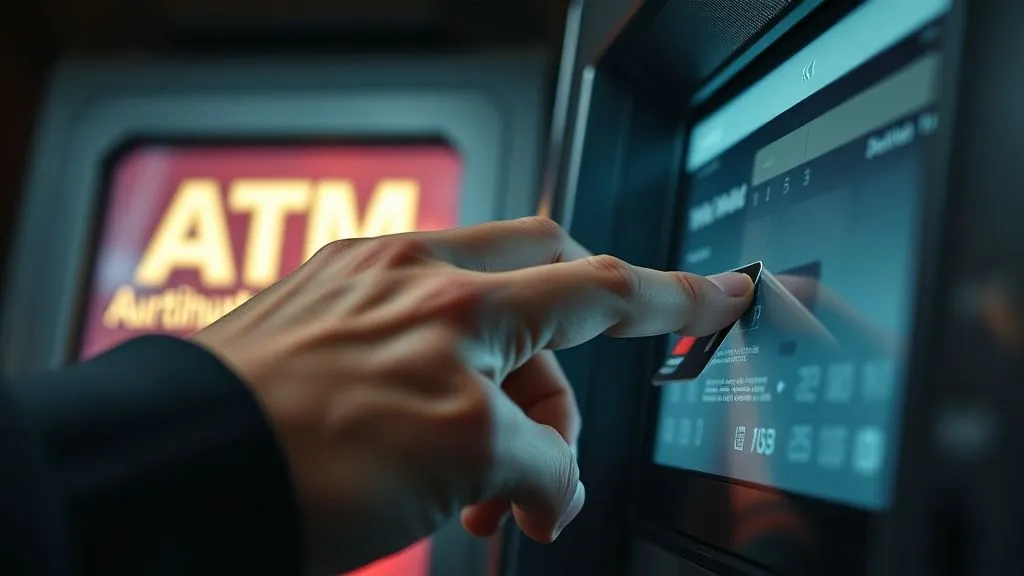
How to Prevent ATM Card Skimming Attacks on Vulnerable Machines?
For over two decades in the banking sector, I've had a front-row seat to the relentless evolution of financial fraud. While technology has brought unparalleled convenience, it has also opened doors for sophisticated criminals. I've witnessed countless institutions and individuals fall victim to ATM card skimming, an insidious threat that preys on trust and often goes undetected until it's too late.
The pain points are palpable: significant financial losses for customers, reputational damage for banks, and the constant anxiety of a compromised financial ecosystem. The vulnerability isn't always in cutting-edge tech; often, it lies in older, less protected machines or human oversight, creating perfect targets for these organized crime syndicates.
In this definitive guide, I'll draw upon my extensive experience to provide you with a comprehensive framework. You'll learn not just what ATM skimming is, but actionable strategies, technological safeguards, and crucial insights on how to prevent ATM card skimming attacks on vulnerable machines, ensuring both institutional integrity and customer security.
Understanding the Skimming Threat: Evolution and Modus Operandi
ATM skimming isn't a new phenomenon, but its methods have grown increasingly sophisticated. Initially, crude devices were glued over card readers. Today, we face everything from sophisticated overlays that mimic legitimate hardware to internal skimmers installed directly into the machine's wiring. Criminals are constantly innovating, often leveraging readily available technology to steal card data and PINs.
The modus operandi typically involves two key components: a device to capture card data (the skimmer itself) and a method to record the PIN. This could be a hidden camera aimed at the keypad, a fake keypad overlay, or even 'shoulder surfing'. Once both pieces of information are obtained, criminals can clone cards and drain accounts within hours.
The critical insight here: Skimmers are designed to be inconspicuous. They are often indistinguishable from legitimate ATM components to the untrained eye, making vigilance absolutely paramount for both operators and users.
Vulnerable Machines: Identifying High-Risk ATM Locations
Not all ATMs are created equal in the eyes of a skimmer. Based on my observations, certain locations and machine types present higher vulnerabilities. These are the ATMs that often lack consistent monitoring, are in secluded areas, or are older models with less integrated security features.
- Off-Premise ATMs: Machines located in convenience stores, gas stations, bars, or standalone kiosks are often prime targets. They typically have less foot traffic from bank personnel and fewer security cameras.
- Older Models: Legacy ATM hardware might not support the latest anti-skimming technologies or might have easier access points for internal tampering.
- Poorly Lit or Remote Locations: ATMs in areas with low visibility or limited public interaction provide criminals with more time and cover to install their devices.
- High-Traffic Tourist Areas: While seemingly paradoxical, the high volume of transient users often means less familiarity with the specific ATM, making detection less likely.
Operators must conduct regular risk assessments, prioritizing these vulnerable machines for enhanced security measures and more frequent inspections. Ignoring these hotspots is like leaving the back door unlocked.

First Line of Defense: What Banks Must Implement (Physical Security)
Physical security remains the cornerstone of any effective anti-skimming strategy. I've always emphasized that even the most advanced tech can be bypassed if basic physical safeguards are neglected. It starts with making the ATM itself a harder target.
Hardening the ATM Casing and Card Reader
The physical design of the ATM is crucial. Manufacturers have made strides, but older machines might need retrofitting. This includes:
- Anti-Skimming Card Reader Bezels: Installing hardened, tamper-resistant bezels that make it difficult for skimmers to be attached or to blend in. Some even have internal sensors that detect foreign objects.
- Secure Panel Access: Ensuring all access panels, especially those near the card reader and PIN pad, are securely locked and sealed with tamper-evident tape or holographic stickers.
- Recessed Card Readers: Card readers that are deeply recessed make it harder to attach external skimming devices.
Enhanced Surveillance and Lighting
Visibility is a powerful deterrent. Criminals prefer to operate in the shadows, both literally and figuratively.
- High-Definition CCTV: Deploying high-resolution cameras that cover the ATM, the user, and the surrounding area. These cameras should be regularly monitored and footage archived.
- Optimal Lighting: Ensuring the ATM area is brightly and consistently lit, discouraging criminals from loitering or attempting to install devices.
- Strategic Mirror Placement: Convex mirrors can help users see their surroundings and deter shoulder surfing.
"The simplest deterrents are often the most effective. A well-lit, highly visible ATM under constant surveillance is far less appealing to a skimmer than one shrouded in darkness and anonymity."
Technological Safeguards: Advanced Anti-Skimming Devices and Software
Beyond physical hardening, technology offers powerful layers of defense. I've seen how banks that invest in these advanced solutions significantly reduce their risk profile.
Anti-Skimming Technologies
Modern ATMs come equipped with, or can be retrofitted with, sophisticated anti-skimming tech:
- Jamming Devices: These emit electronic noise to disrupt skimmers' ability to read card data.
- Shutter/Motorized Card Readers: These readers pull the card entirely inside the machine during the transaction, making external skimming impossible. They also make it harder for skimmers to be installed internally.
- EMV Chip Card Readers: While not directly anti-skimming, EMV (Europay, MasterCard, and Visa) chip technology makes cloned cards significantly harder to use due to dynamic data encryption. The liability shift has also pushed banks to adopt these. Learn more about EMV standards from EMVCo.
- Color-Changing Bezels: Some innovative solutions feature bezels that change color or flash if tampered with.
Software-Based Fraud Detection
The fight against skimming isn't just at the hardware level. Data analytics and AI play a crucial role behind the scenes:
- Transaction Monitoring Systems: These systems analyze real-time transaction data for unusual patterns, such as multiple withdrawals from a newly issued card, transactions in geographically disparate locations within a short timeframe, or unusually high withdrawal amounts.
- Behavioral Biometrics: While still evolving, this can analyze user interaction with the ATM (e.g., typing speed, pressure) to detect anomalies that might indicate a fraudulent user.
Proactive Monitoring: Leveraging Data Analytics and AI for Anomaly Detection
In my banking career, I've seen a paradigm shift from reactive security to proactive threat intelligence. This is where data analytics and Artificial Intelligence become indispensable in the fight against skimming.
Predictive Analytics for ATM Vulnerability
By analyzing historical data of skimming incidents, transaction patterns, and ATM locations, banks can build predictive models to identify machines or areas at higher risk. This allows for targeted deployment of resources for surveillance and physical checks. For instance, an ATM that has seen a sudden spike in failed PIN attempts followed by successful withdrawals might be flagged.
AI-Powered Anomaly Detection
AI algorithms can sift through vast amounts of transaction data, CCTV footage, and ATM sensor data far more efficiently than humans. They can detect subtle anomalies that might indicate a skimming device:
- Unusual Transaction Volumes: A sudden increase in small, identical withdrawals from multiple cards at a single ATM could signal a test run for cloned cards.
- Image Recognition: AI can be trained to recognize foreign objects attached to card readers or PIN pads in real-time CCTV feeds.
- Sensor Data Analysis: Modern ATMs have sensors that can detect vibrations, unauthorized panel openings, or even changes in the magnetic field around the card reader, which AI can then correlate with potential skimming activity.
According to a FICO report on global ATM skimming trends, proactive fraud detection systems are crucial in minimizing losses, often detecting compromised accounts before large-scale fraud occurs.
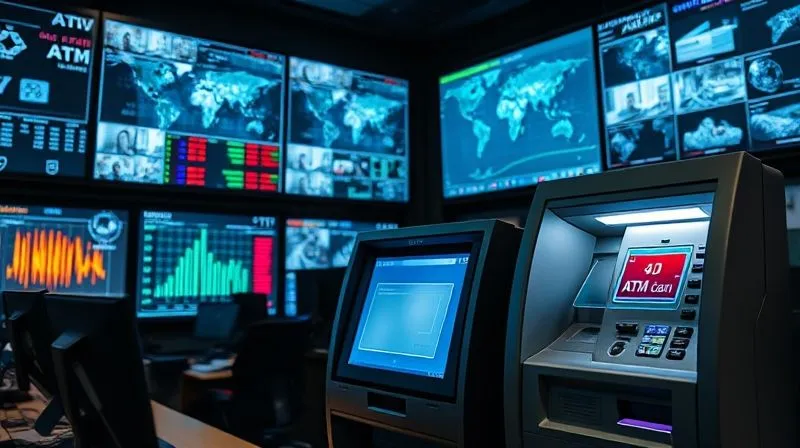
Case Study: How Zenith Bank Drastically Reduced Skimming Incidents
Case Study: How Zenith Bank Drastically Reduced Skimming Incidents
Zenith Bank, a regional institution with over 300 ATMs, faced a growing problem with skimming, particularly at their off-premise locations. Their existing security relied heavily on manual inspections and reactive fraud alerts. After two significant skimming sprees that cost them millions and customer trust, they decided on a multi-pronged, proactive approach based on my recommendations.
They implemented a new strategy focusing on three pillars: enhanced physical security for all high-risk ATMs (recessed card readers, tamper-evident seals, and improved lighting), deployment of real-time AI-powered transaction monitoring that flagged suspicious withdrawal patterns, and a robust customer education campaign. Within 12 months, Zenith Bank reported a 70% reduction in successful skimming attacks and a 90% decrease in related financial losses. This success was largely attributed to the AI's ability to detect anomalous activity within minutes, allowing for rapid intervention and card blocking, alongside customers' increased vigilance.
Empowering the User: Educating Customers on Skimming Prevention
The user is often the last line of defense. In my experience, an informed customer is a powerful asset in the fight against financial crime. Banks have a responsibility to educate their patrons.
Key Customer Awareness Points
- "Wiggle Test": Advise customers to physically wiggle the card reader, PIN pad, and cash dispenser before use. If anything feels loose, uneven, or like an add-on, it's a red flag.
- Cover the PIN Pad: Always use one hand to cover the PIN pad while entering the PIN, protecting it from hidden cameras or shoulder surfers.
- Inspect the ATM: Encourage users to look for any signs of tampering, such as unusual signs, stickers, or wires.
- Review Bank Statements Regularly: Prompt customers to check their bank statements frequently for unauthorized transactions and report them immediately.
Effective Communication Channels
- ATM Screens: Display rotating messages on ATM screens about skimming prevention tips.
- Bank Website & Mobile App: Dedicated sections with detailed guides, videos, and FAQs.
- Social Media Campaigns: Short, impactful videos and infographics.
- Branch Signage: Posters and brochures at physical locations.
A well-informed customer base not only helps detect skimming but also builds trust, showing that the bank genuinely cares about their security.
Rapid Response Protocols: Minimizing Damage Post-Attack
Even with the best prevention, some attacks might slip through. The speed and effectiveness of the response are critical in minimizing damage and mitigating customer impact. I've developed and refined numerous incident response plans over the years.
Elements of an Effective Response Plan
- Immediate ATM Shutdown: As soon as a skimming device is detected or suspicious activity is confirmed, the ATM must be taken offline immediately to prevent further data compromise.
- Forensic Investigation: A trained team must thoroughly examine the ATM for all components of the skimming device (skimmer, camera, internal wiring). All evidence must be preserved for law enforcement.
- Customer Notification and Card Reissuance: Promptly identify and notify all potentially affected customers. Block compromised cards and expedite the issuance of new ones. Clear communication is key to maintaining trust.
- Law Enforcement Collaboration: Share all findings and evidence with local and national law enforcement agencies (e.g., FBI, Secret Service) to aid in the apprehension of criminals. The FBI provides resources on reporting financial fraud.
- Post-Incident Review: Analyze what went wrong and update security protocols to prevent recurrence. This continuous improvement loop is vital.
| Phase | Action | Timeframe |
|---|---|---|
| Detection | AI anomaly alert or customer report | Immediate |
| Containment | ATM shutdown, evidence collection | Within 1 hour |
| Eradication | Forensic analysis, device removal | Within 24 hours |
| Recovery | Customer notification, card reissuance | Within 48 hours |
| Post-Incident | Law enforcement liaison, security review | Ongoing |
The Future of ATM Security: Biometrics and Cardless Transactions
Looking ahead, the landscape of ATM services is poised for significant transformation, driven by the need for enhanced security and convenience. I foresee a future where the traditional card and PIN method becomes less dominant, replaced by more secure and seamless alternatives.
Biometric Authentication
Biometrics offers a powerful solution to the vulnerabilities of physical cards and PINs. Options include:
- Fingerprint Scanners: Already in use in some markets, these provide a unique and difficult-to-replicate authentication method.
- Facial Recognition: Advanced cameras can authenticate users by scanning their faces, often linked to their bank profiles.
- Iris Scanners: While more niche, iris recognition offers extremely high accuracy.
These methods eliminate the need for a physical card, thus negating card-skimming altogether. However, they introduce new privacy concerns and require robust secure storage of biometric data. Forbes often discusses the future of banking and security innovations.
Cardless ATM Transactions
Many banks are already implementing cardless withdrawal options, typically via mobile banking apps:
- QR Code Scanning: Users generate a unique QR code on their banking app, which the ATM scans to authorize the transaction.
- NFC (Near Field Communication): Similar to contactless payments, users can tap their phone to an NFC-enabled ATM.
- One-Time Passcodes: The app generates a temporary code that the user enters into the ATM.
These methods bypass the physical card reader entirely, making skimming impossible for these types of transactions. As an industry, we must continue to innovate, leveraging these advancements to stay ahead of the criminals and ensure the integrity of our financial systems.
Frequently Asked Questions (FAQ)
What is the most common type of ATM skimming device? From my observations, external card reader overlays remain highly prevalent due to their ease of installation and ability to blend in. However, internal skimmers that require direct access to the machine's wiring are increasingly sophisticated and harder to detect without physical inspection or advanced sensors.
How can I tell if an ATM is compromised? The 'wiggle test' is your best immediate defense – tug at the card reader, PIN pad, and cash dispenser. Look for anything that seems loose, ill-fitting, or out of place. Also, check for unusual signage, hidden cameras (often tiny holes near the PIN pad), or sticky residue. Trust your instincts; if something feels off, find another ATM.
Are newer ATMs less vulnerable to skimming? Generally, yes. Newer ATMs often come with integrated anti-skimming technology, such as jammers, recessed card readers, and EMV chip compatibility, making them significantly harder targets. However, no machine is entirely immune, especially if physical security protocols or monitoring are lax.
What should I do if I suspect an ATM has a skimmer? Do NOT use the ATM. If it's a bank-owned machine, immediately go inside and report it to staff. If it's an off-premise ATM, call the bank's customer service number (usually listed on the machine or your card) and report it to local law enforcement (non-emergency number). Provide the exact location and any details you observed.
Does using a debit card or credit card make a difference regarding skimming vulnerability? The method of skimming doesn't typically differentiate between debit or credit cards; both are vulnerable to data theft. However, credit cards generally offer stronger fraud protection and liability limits than debit cards, which are directly linked to your bank account. Using a credit card, where possible, can offer an extra layer of financial protection post-skimming.
Key Takeaways and Final Thoughts
The battle against ATM card skimming is a continuous one, demanding vigilance, technological prowess, and a collaborative effort between financial institutions and their customers. My years in this industry have taught me that complacency is the greatest enemy.
- Layered Security is Paramount: No single solution will prevent all attacks. A combination of physical hardening, advanced anti-skimming tech, and proactive monitoring is essential.
- Educate and Empower Users: An informed customer base is a crucial defense mechanism. Teach them to 'wiggle it' and protect their PIN.
- Rapid Response is Non-Negotiable: When an attack occurs, swift action minimizes financial damage and preserves customer trust.
- Embrace Future Technologies: Biometrics and cardless transactions are not just conveniences; they are the future of secure ATM operations, effectively eliminating the skimming threat at its source.
As the financial landscape evolves, so too must our defenses. By adopting these expert-driven strategies, institutions can significantly enhance their security posture and truly master how to prevent ATM card skimming attacks on vulnerable machines, fostering a safer, more trustworthy environment for everyone. Stay vigilant, stay secure, and keep innovating.
Recommended Reading
- Unlock Elite Talent: 7 Strategies for Single Family Office Retention
- 5 Reasons Why Traditional Credit Monitoring Fails to Detect Fraud
- High Income, Low Net Worth? 7 Traps Slowing Your Wealth Growth
- Student Loans & Home Buying: 7 Pro Strategies to Balance Both
- Unlock Smart Savings: The Ultimate Guide to Cutting Vacation Food Costs



Comments
Leave a comment below. Your email will not be published. Required fields marked with *