


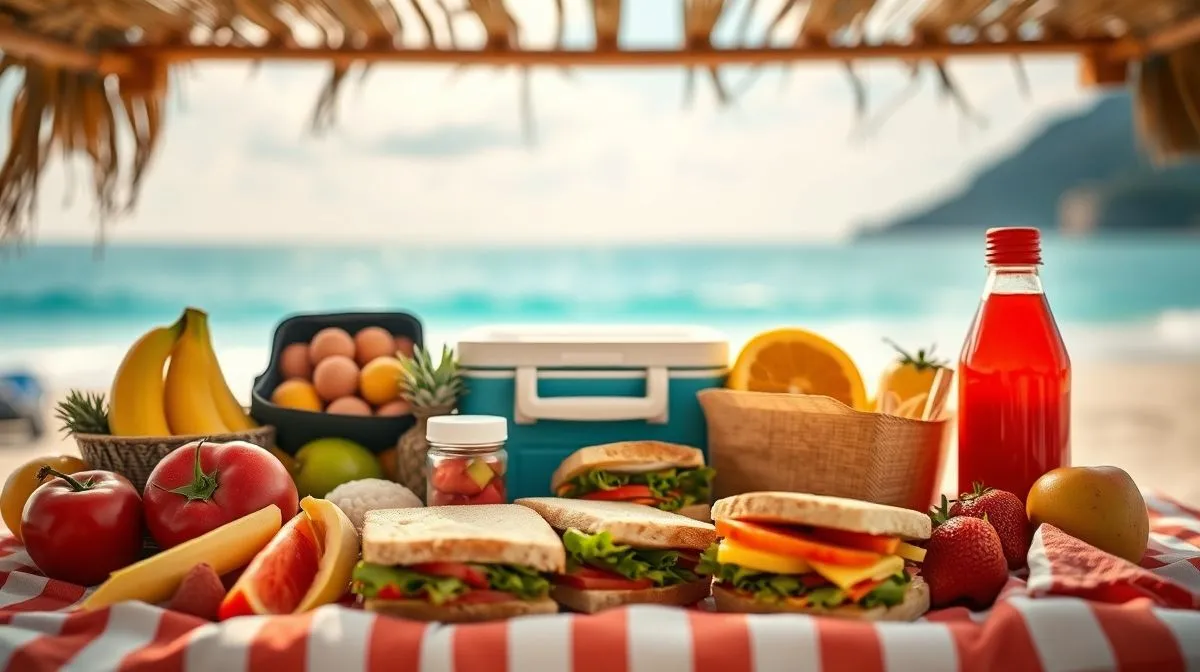
What are the Best Ways to Cut Costs on Vacation Food?
Imagine this: You've saved diligently, planned your dream itinerary, and finally arrived at your idyllic vacation spot. The sun is shining, the air is fresh, and then reality hits – that casual lunch by the beach costs more than your entire day's budget back home. Sound familiar? For many travelers, the hidden culprit behind ballooning vacation expenses isn't flights or accommodation, but the often-underestimated cost of food.
The allure of spontaneous dining, exotic flavors, and the sheer convenience of not cooking can quickly deplete your travel fund. From overpriced tourist traps to constant snacking and drink purchases, food expenses can silently sabotage even the most meticulously planned budget, leaving you with less to spend on experiences or even cutting your trip short.
But what if there was a way to savor your vacation without constantly worrying about your food bill? This comprehensive guide will reveal what are the best ways to cut costs on vacation food, empowering you with practical strategies, smart choices, and insider tips to significantly reduce your culinary spending while still enjoying delicious meals and authentic local experiences. By the end of this reading, you'll be equipped to turn food from a budget buster into a manageable, enjoyable part of your travel adventure.
The Unseen Cost: Why Vacation Food Bills Skyrocket
Before diving into solutions, it's crucial to understand why vacation food often becomes such a significant expense. It's not just about the higher prices in tourist areas; it's a combination of factors that, when combined, create a perfect storm for overspending.
The Convenience Premium
- On-the-Go Purchases: Grabbing a coffee, a pastry, a bottle of water, or a quick snack multiple times a day adds up rapidly. Each small transaction, seemingly insignificant, contributes to a larger daily total.
- Restaurant Reliance: Eating out for every meal, especially breakfast, lunch, and dinner, is inherently more expensive than preparing your own food. Restaurants have overheads, staff wages, and profit margins built into their prices.
Tourist Traps and Price Gouging
- Prime Locations: Restaurants and cafes situated directly on popular squares, beaches, or next to major attractions often charge significantly more for the same food you might find a few blocks away.
- Lack of Local Knowledge: Unfamiliarity with local pricing norms or the best local eateries can lead travelers to fall into tourist traps where quality is low and prices are high.
Impulse and Indulgence
- "You're on Vacation" Mindset: The desire to treat oneself and relax often leads to a relaxed attitude towards spending, making it easy to justify expensive meals or drinks.
- Unplanned Eating: Hunger strikes at inconvenient times, leading to hasty, often expensive, decisions without considering cheaper alternatives.
Mastering the Pre-Trip Prep: Your Kitchen Away From Home
One of the most impactful strategies for reducing food costs begins long before you even leave your home. Strategic pre-trip preparation can save you hundreds, if not thousands, over the course of your vacation.
Packing Smart Snacks and Staples
Consider what non-perishable food items you can comfortably pack in your luggage or carry-on. This is especially useful for those initial days when you might not have time to grocery shop immediately upon arrival.
- Snacks: Granola bars, nuts, dried fruit, crackers, and protein bars are excellent for warding off hunger between meals or for quick breakfasts.
- Beverages: Reusable water bottles are a must. You can fill them up at airports, hotels, or public fountains, drastically cutting down on bottled water purchases.
- Condiments/Spices: If you plan to cook, small packets of salt, pepper, sugar, or even tea bags can save you from buying full-sized versions for a short stay.
Meal Planning and Research
Even if you don't plan to cook every meal, having a general idea of your eating strategy can prevent impulse spending.
- Research Local Grocery Stores: Before you go, use Google Maps to locate supermarkets near your accommodation. Look for larger chains, which often offer better prices than small convenience stores.
- Identify Affordable Eateries: Use apps like Yelp, TripAdvisor, or Google Maps to find highly-rated, budget-friendly restaurants or local markets known for prepared foods. Look for places popular with locals.
- Breakfast Strategy: Decide if your accommodation includes breakfast. If not, plan to buy simple breakfast items (oatmeal, fruit, yogurt) from a grocery store.
Savvy Grocery Shopping: Local Flavors, Local Savings
Once you arrive at your destination, making smart choices at the local supermarket or market is paramount. This is where you can truly implement what are the best ways to cut costs on vacation food.
Embrace the Local Supermarket
Make your first stop a visit to a local grocery store. This allows you to stock up on essentials at local prices, which are almost always lower than tourist-centric mini-marts.
- Buy Bulk Staples: Items like bread, eggs, milk, cheese, and fresh produce are much cheaper here.
- Pack Lunches: Prepare simple sandwiches, salads, or wraps for lunch to avoid expensive restaurant meals.
- Dinner Solutions: If your accommodation has a kitchen, consider cooking dinner a few nights. Even simple pasta or stir-fry can be significantly cheaper than dining out.
Farmers' Markets and Local Delis
Beyond supermarkets, explore local farmers' markets or delis. These can offer fresh, delicious produce, baked goods, and sometimes even ready-to-eat meals at excellent prices.
- Fresh Produce: Enjoy seasonal fruits and vegetables at their peak freshness and often for less than in a supermarket.
- Prepared Foods: Many delis or market stalls offer pre-made sandwiches, salads, or hot meals that are cheaper and often more authentic than sit-down restaurants.
- Picnic Supplies: Gather an assortment of local cheeses, cured meats, bread, and fruits for an idyllic and inexpensive picnic lunch.
According to a survey by AAA, food and beverage costs can account for 20-25% of a typical travel budget. By shifting even a portion of your meals from restaurants to grocery store purchases, you can significantly reduce this percentage. For more insights on general travel budgeting, consider resources like TripSavvy's guide on travel costs.
Dining Out Smart: When to Indulge, How to Save
While cooking can save money, part of the joy of vacation is experiencing local cuisine. The trick is to do it smartly, maximizing flavor without breaking the bank.
Strategic Restaurant Choices
- Lunch Specials: Many restaurants offer significantly cheaper lunch menus or prix fixe options compared to their dinner prices. This is an excellent way to sample a high-end restaurant without the high-end cost.
- Off-the-Beaten-Path: Venture a few blocks away from major tourist areas. Prices tend to drop, and you're more likely to find authentic, local eateries with better food and value.
- Read Menus Online: Before committing, check online menus for prices. This helps you avoid sticker shock and choose places within your budget.
- Look for Local Chains: In some destinations, local fast-casual chains offer good quality, affordable meals that are a step up from typical fast food.
Mindful Ordering
- Share Dishes: Portions in many countries (especially the U.S.) can be enormous. Consider sharing an appetizer and an entrée, or two appetizers, among your group.
- Skip the Drinks: Alcoholic beverages and even soft drinks can significantly inflate your bill. Opt for water (tap if safe) or bring your own reusable bottle.
- Avoid Appetizers and Desserts: These add-ons, while tempting, quickly pile up. Focus on the main course.
- Happy Hour Deals: If you enjoy alcoholic drinks, seek out happy hour specials for discounted beverages and sometimes even appetizers.
Snacks and Drinks: Your Secret Weapon Against Impulse Buys
It's often the small, impulsive purchases that erode a budget. A cold drink here, a bag of chips there, and suddenly you've spent a significant sum without a proper meal.
Always Be Prepared
The golden rule for saving on snacks and drinks is simple: always have them with you. This prevents you from buying overpriced items out of convenience or desperation.
- Carry a Reusable Water Bottle: This is perhaps the single most effective tip. Fill it up before you leave your accommodation. Many airports, museums, and public spaces now have water refill stations.
- Pack Your Own Snacks: Keep a supply of non-perishable snacks (granola bars, fruit, nuts) in your day bag. When hunger strikes, you're prepared.
- Coffee/Tea from Accommodation: If your hotel or rental offers complimentary coffee or tea, take advantage of it before heading out for the day.
Consider Portable Coolers
For beach days, road trips, or long excursions, a small, collapsible cooler can be a game-changer. Stock it with drinks, sandwiches, and perishable snacks from the grocery store.
For tips on staying hydrated and healthy while traveling, which often involves smart drink choices, the CDC offers valuable advice on healthy travel habits.
Embracing Local Markets and Street Food: An Authentic and Affordable Feast
Beyond supermarkets, truly immersing yourself in a destination often means exploring its vibrant local markets and street food scenes. This isn't just about saving money; it's about experiencing the local culture through its cuisine.
The Charm of Public Markets
Many cities boast fantastic public markets that are not just for groceries but also offer a wide array of prepared foods, often at incredibly reasonable prices.
- Food Stalls: Discover a variety of local dishes, from savory pastries to fresh seafood, often cooked right in front of you.
- Fresh Produce & Baked Goods: Purchase fresh fruit, vegetables, and local bread for picnics or simple meals back at your accommodation.
- Authentic Experience: Eating at a market allows you to mingle with locals and observe daily life, offering a more genuine experience than a typical restaurant.
The Thrill of Street Food
In many parts of the world, street food is a cornerstone of the culinary landscape, offering incredible flavors at unbeatable prices.
- Variety and Value: From tacos in Mexico to Pad Thai in Thailand or crepes in France, street food provides a diverse range of delicious and budget-friendly options.
- Quick and Convenient: Perfect for a quick bite while exploring, allowing you to save sit-down meals for special occasions.
- Safety First: While generally safe, always look for stalls with long lines (indicating popularity and freshness), good hygiene practices, and food cooked to order.
The Power of Accommodation Choices: Kitchens and Complimentary Breakfasts
Your choice of accommodation plays a surprisingly large role in your ability to manage food costs. Selecting the right type of lodging can provide built-in savings opportunities.
Kitchen Facilities: Your Best Friend
Staying in an Airbnb, a vacation rental, or a hotel suite with a kitchenette or full kitchen is one of the most effective strategies for cutting food costs. This allows you to prepare some or all of your meals.
- Breakfast Savings: Easily prepare your own breakfast, which can be the most repetitive and often overpriced meal when eating out.
- Lunch Prep: Pack lunches for your day trips, saving you from expensive tourist area eateries.
- Dinner Options: Cook simple dinners, enjoy a home-cooked meal, and significantly reduce restaurant spending. This is especially beneficial for longer trips or family vacations.
Complimentary Breakfasts
Many hotels, especially mid-range and budget options, offer complimentary breakfast. This perk should not be underestimated.
- Fuel Up for Free: A good breakfast can keep you full until lunchtime, eliminating the need for expensive mid-morning snacks or early lunches.
- Save Time: No need to search for a breakfast spot, allowing you to start your day of sightseeing sooner.
Leveraging Technology: Apps and Deals for Food Savings
In the digital age, your smartphone can be a powerful tool for finding budget-friendly food options and deals, helping you discover what are the best ways to cut costs on vacation food with minimal effort.
Restaurant Deal Apps
Before you even step out for a meal, check if there are any local deals or discounts available through various apps.
- Coupon Apps: Apps like Groupon, LivingSocial, or local equivalents often feature discounts for restaurants, cafes, and even food tours.
- Restaurant Specific Apps: Some restaurant chains or local eateries have their own loyalty programs or apps that offer first-time user discounts or points that translate to free food.
- Reservation Platforms: Platforms like OpenTable or TheFork (especially popular in Europe) sometimes offer discounts for booking at certain times or on specific days.
Food Waste Apps
In some cities, apps designed to reduce food waste can offer incredible deals on food that would otherwise be thrown away.
- Too Good To Go: This popular app allows you to buy 'surprise bags' of surplus food from restaurants, bakeries, and grocery stores at a fraction of the original price, typically at the end of the day.
- Flashfood: Similar to Too Good To Go, this app focuses on discounted groceries nearing their best-by date.
Meal Planning & Recipe Apps
If you have a kitchen, apps can help you plan meals around ingredients you can buy cheaply or have on hand.
- Recipe Generators: Apps that suggest recipes based on ingredients you have can help you maximize your grocery purchases and minimize waste.
- Budget Trackers: While not food-specific, a general travel budget app can help you monitor your daily food spending and keep you accountable.
Frequently Asked Questions (FAQ)
Is it always cheaper to cook than to eat out on vacation? Generally, yes, especially for breakfast and lunch. While a single home-cooked meal might not always be cheaper than a very low-cost street food item, consistently preparing your own meals, particularly dinners, will lead to significant overall savings compared to daily restaurant dining.
How can I find good, affordable local restaurants that aren't tourist traps? Look for places a few blocks away from major attractions. Use online reviews (Google Maps, Yelp, TripAdvisor) but pay attention to reviews from locals. Ask your accommodation staff or trusted locals for their personal recommendations. Look for restaurants with menus exclusively in the local language, or those with many locals dining there.
What are the easiest meals to prepare in a hotel room with minimal equipment? Without a full kitchen, you can still make simple meals. Think no-cook options like sandwiches, salads (with pre-washed greens), yogurt with granola and fruit, instant oatmeal, or ramen noodles (if you have a kettle). Many hotels also have microwaves.
Should I bring food from home internationally to save money? You can, but be very cautious about customs regulations. Most countries have strict rules about bringing in fresh produce, meat, dairy, or even certain packaged goods. Non-perishable, commercially sealed items like granola bars or nuts are usually fine, but always check the specific country's customs website before packing.
How much should I budget for food per day on vacation? This varies wildly by destination and your spending habits. For budget travelers, $20-40 USD per person per day might be achievable in cheaper regions, focusing on groceries and street food. For mid-range, expecting a mix of some restaurant meals, $50-100+ USD per person per day is more realistic in many popular destinations. Always research typical food costs for your specific destination.
Recommended Reading
- The Ultimate Guide: How to Protect Your Wealth from Inflation and Taxes
- Unraveling the Tax Implications of Settled Debt Amounts: Your Ultimate Guide
- Unlock Your Financial Future: How to Establish Credit with No Prior Debt
- Unlock Sustainable Growth: How to Fix Common Cash Flow Issues for Startups
- How Long Do Derogatory Marks Hurt Credit? The Surprising Truth
Conclusion
Navigating the culinary landscape of your vacation doesn't have to mean sacrificing delicious experiences for the sake of your budget. By understanding what are the best ways to cut costs on vacation food, you gain the power to significantly reduce your expenses without feeling deprived. From the strategic pre-trip planning and savvy grocery shopping to making smart choices when dining out and leveraging technology, every small decision contributes to a more financially sustainable and enjoyable trip. Embrace these strategies, and you'll not only save money but also likely discover more authentic local flavors and create richer, more memorable travel experiences, proving that a truly fulfilling vacation doesn't have to break the bank.





Comments
Leave a comment below. Your email will not be published. Required fields marked with *