



How to Prepare for Impending Global Recession Financially?
For over 20 years in the intricate world of global finance, I've navigated countless economic cycles, from boom times to sharp downturns. What I've consistently observed is that those who weather the storms best aren't necessarily the wealthiest, but the most prepared and strategically agile.
Today, the whispers of an impending global recession are growing louder, fueled by geopolitical tensions, persistent inflation, and tightening monetary policies. This uncertainty can feel overwhelming, leading to anxiety about job security, investment portfolios, and the overall financial well-being of our families and businesses.
In this definitive guide, I will share the actionable frameworks and expert insights I've honed over two decades, designed to empower you to not just survive, but potentially thrive during an economic contraction. We'll move beyond fear, focusing on concrete steps to fortify your finances and build lasting resilience.
Fortify Your Financial Foundation: The Emergency Fund Imperative
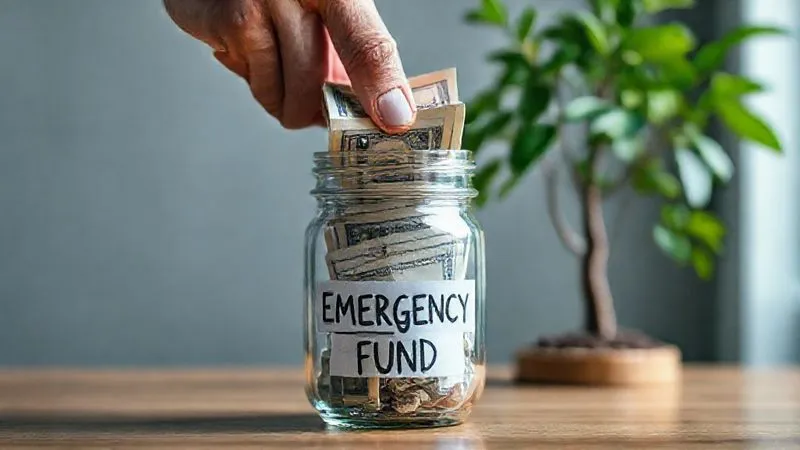
The bedrock of any robust financial strategy, especially when facing economic headwinds, is a strong emergency fund. I've seen countless individuals and small businesses flounder not because of poor investments, but due to a lack of readily available cash when unexpected expenses or income disruptions hit.
The 'Why' Behind the Buffer
An emergency fund acts as your personal financial shock absorber. It prevents you from resorting to high-interest debt or liquidating investments at a loss when you face job loss, medical emergencies, or unforeseen home repairs. In a recession, these unexpected events become more probable and their impact more severe.
How Much is Enough? Customizing Your Cash Cushion
While the traditional advice suggests 3-6 months of living expenses, I advocate for a more nuanced approach. If you're in a highly volatile industry, have dependents, or are self-employed, I strongly recommend aiming for 6-12 months of essential expenses. This includes housing, utilities, food, transportation, and insurance, but not discretionary spending.
- Calculate Your Essential Monthly Expenses: Go through your bank statements and credit card bills for the last few months. Identify recurring, non-negotiable costs.
- Set a Target Amount: Multiply your essential monthly expenses by your chosen buffer (e.g., 6 or 9 months).
- Automate Your Savings: Set up automatic transfers from your checking to a separate, easily accessible savings account each payday. Treat this transfer as a non-negotiable bill.
- Prioritize Aggressive Contributions: Cut back on non-essential spending temporarily to accelerate building this fund. Every extra dollar saved now is a dollar of peace of mind later.
- Keep it Liquid and Safe: Your emergency fund should be in a high-yield savings account, not in volatile investments. Its purpose is safety and accessibility, not growth.
Debt Management: A Strategic Retreat
High levels of debt can be an anchor in calm waters, but in an economic storm, they can sink you. As someone who's advised on countless financial restructuring efforts, I can tell you that proactive debt management is absolutely critical when preparing for an impending global recession financially.
Prioritizing High-Interest Debts
Focus your efforts on eliminating or significantly reducing variable-rate, high-interest debts first. This primarily means credit card balances, personal loans, and potentially some lines of credit. These debts can quickly spiral out of control if interest rates rise further or your income decreases.
Renegotiating Terms & Consolidating
Don't be afraid to communicate with your creditors. Many lenders are more willing to work with you on modified payment plans or lower interest rates if you approach them proactively, especially before you miss payments. Consider debt consolidation for high-interest debts into a single, lower-interest loan if your credit score allows. However, ensure the new loan doesn't extend the repayment period unnecessarily or add new fees.
In my experience, the biggest mistake people make with debt during economic uncertainty is inaction. Ignoring it makes it worse. Confronting it, even in small steps, gives you back control.
| Debt Type | Interest Rate Range | Recession Risk | Action |
|---|---|---|---|
| Credit Card Debt | 15-25%+ | High (variable, compounding quickly) | Prioritize aggressive repayment, balance transfers, negotiation |
| Personal Loans | 5-15% | Medium (fixed but can be substantial) | Accelerate payments, consider consolidation |
| Mortgage | 3-7% | Low (fixed, secured, long-term) | Maintain payments, avoid refinancing unless rates drop significantly |
| Student Loans | 3-8% | Medium (often fixed, but large principal) | Explore income-driven repayment, maintain payments |
Optimizing Your Investment Portfolio for Resilience
Recessions are often characterized by market volatility and asset depreciation. While it's impossible to perfectly time the market, strategic adjustments can significantly reduce risk and position you for recovery. I've guided clients through multiple downturns, and the key is always a thoughtful, long-term perspective.
Diversification Beyond the Obvious
True diversification goes beyond just holding different stocks. It means diversifying across asset classes (stocks, bonds, real estate, commodities), geographies, and industries. If your portfolio is heavily concentrated in growth stocks or a single sector, now is the time to re-evaluate.
Consider Defensive Assets
During downturns, certain asset classes tend to perform relatively better. These 'defensive' assets often include: high-quality bonds (especially government bonds), utilities, consumer staples (companies that sell everyday necessities), and sometimes precious metals like gold. These typically offer lower growth potential but greater stability.
The Power of Dollar-Cost Averaging
If you're still contributing to your investments (e.g., 401k, IRA), continue doing so consistently. Dollar-cost averaging – investing a fixed amount regularly – allows you to buy more shares when prices are low and fewer when prices are high, smoothing out your average purchase price over time. This strategy has proven incredibly effective in turbulent markets.
- Review Your Asset Allocation: Compare your current allocation to your target risk profile. Are you overexposed to risky assets?
- Rebalance if Necessary: Sell a portion of overperforming assets and buy into underperforming ones to bring your portfolio back to your desired allocation.
- Evaluate Holdings for Quality: Focus on companies with strong balance sheets, consistent cash flow, and low debt.
- Don't Panic Sell: Unless your financial situation has drastically changed, avoid making emotional decisions to sell off your entire portfolio. Market recoveries often follow downturns, and missing the rebound can be detrimental.
According to the International Monetary Fund's World Economic Outlook, global economic growth is projected to slow, underscoring the need for prudent investment strategies.
Income Stream Diversification: Your Recession Shield
Relying on a single source of income can be precarious, especially when preparing for an impending global recession financially. I've seen firsthand how diversifying income streams can provide a critical safety net and even open new opportunities during economic contractions.
Cultivating Side Hustles & Skill Development
Consider developing a side hustle or monetizing a skill you possess. This could be freelance writing, graphic design, consulting, tutoring, or even selling handmade goods. The goal is to create an additional, independent revenue stream that isn't tied to your primary employment. Simultaneously, invest in acquiring new skills that are in demand, making you more indispensable in your current role or more marketable for new opportunities.
Passive Income Exploration
Explore avenues for passive income, which requires initial effort but then generates ongoing revenue with minimal additional work. Examples include rental properties, dividend stocks, royalties from creative works, or even high-yield savings accounts (though less 'passive' in scale). While these often require upfront capital or significant time, they can provide crucial financial stability.
Case Study: Sarah's Side Hustle Success
Sarah, a marketing manager in her late 30s, felt uneasy about her sole income source. She decided to leverage her passion for photography, offering weekend portrait sessions and selling prints online. When her company faced layoffs during an economic slowdown, her photography income, initially just a few hundred dollars a month, became her primary support for three months until she secured a new role. This experience not only provided financial relief but also boosted her confidence and opened doors to a more flexible career path.

Strategic Budgeting and Expense Control
Recessions demand a sharp focus on where your money goes. As an expert in financial planning, I've always emphasized that budgeting isn't about deprivation, but about intentionality. Now, more than ever, intentionality is key to navigating economic uncertainty.
Identifying Non-Essential Spending
Perform a meticulous audit of your monthly expenses. Categorize everything as 'essential' or 'non-essential.' Be ruthless in identifying areas where you can cut back. This might include subscriptions you don't use, dining out frequently, or discretionary entertainment. Even small cuts can add up significantly over time.
The Zero-Based Budgeting Approach
Consider implementing a zero-based budget, where every dollar has a job. This means assigning every dollar of your income to a specific category (savings, debt repayment, housing, food, entertainment) until your income minus your expenses equals zero. This method forces you to be highly conscious of your spending and ensures no money is unaccounted for.
- Track Everything for a Month: Use an app, spreadsheet, or notebook to record every single expense.
- Categorize and Analyze: Group your expenses and see where your money is actually going versus where you *think* it's going.
- Set Realistic Limits: Allocate funds to each category. Be honest about what you need and what you can reduce.
- Review Regularly: Your budget isn't static. Review it monthly and adjust as your circumstances or priorities change.
- Find Alternatives: Can you meal prep instead of ordering takeout? Can you find free or low-cost entertainment?
For further insights on effective budgeting, I often recommend resources from reputable financial planning institutions such as the Certified Financial Planner Board of Standards.
Real Estate and Asset Protection in Turbulent Times
Real estate often represents a significant portion of an individual's wealth, and its dynamics during a recession are complex. My experience has taught me that understanding its role in your overall financial picture is crucial for asset protection.
Assessing Your Real Estate Position
If you own a home, evaluate your equity position. A substantial amount of equity provides a buffer against potential price declines. If you're considering buying, exercise extreme caution. Recessions can lead to price corrections, and it's vital to ensure you're not overpaying or taking on a mortgage you can't comfortably afford if interest rates rise or income falls.
Understanding Liquidity vs. Long-Term Value
Real estate is generally an illiquid asset, meaning it cannot be quickly converted to cash without significant effort or potential loss. While it can be a great long-term investment, it's not suitable for emergency funds. Ensure you have sufficient liquid assets before relying on real estate for wealth protection during a downturn.
Protecting your assets isn't just about what you own, but how accessible and diversified those holdings are. Don't put all your eggs in one basket, especially if that basket is hard to open quickly.
| Asset Type | Liquidity | Recession Value | Recommendation |
|---|---|---|---|
| Emergency Fund (Cash/Savings) | Very High | Stable, provides immediate access | Essential, 6-12 months expenses |
| Stocks/ETFs (Public Market) | High | Volatile, potential for loss/gain | Diversify, dollar-cost average, long-term view |
| Bonds (High-Quality) | Medium-High | Generally stable, defensive asset | Consider for portfolio stability |
| Real Estate (Primary Residence) | Low | Can decline, but long-term value often returns | Assess equity, ensure affordable mortgage |
| Real Estate (Investment Property) | Low | Rental income can be stable, but vacancy risk increases | Evaluate cash flow, tenant quality |
| Precious Metals (Gold/Silver) | Medium | Often seen as a safe haven, can appreciate | Small allocation for diversification |
Mental Fortitude and Navigating Economic Anxiety
Beyond the spreadsheets and investment strategies, preparing for an impending global recession financially also involves cultivating mental resilience. The psychological toll of economic uncertainty can be significant, and I've witnessed how fear can lead to poor financial decisions.
The Psychology of Recession
It's natural to feel anxious when the economic outlook darkens. However, allowing fear to dictate your actions – like panic-selling investments or making impulsive, drastic cuts – often backfires. Understand that market downturns are a normal part of economic cycles. Focus on what you can control: your spending, saving, and strategic planning.
Seeking Professional Guidance
If the anxiety becomes overwhelming, or if your financial situation is particularly complex, don't hesitate to seek professional help. A certified financial advisor can provide objective advice tailored to your specific circumstances, helping you see through the noise and make rational decisions. Sometimes, an objective third party is exactly what you need to stay on track.
Resources like the Federal Reserve and other central banks provide extensive economic data and analyses that can help inform your perspective, but personalized advice from a planner is invaluable.

Frequently Asked Questions (FAQ)
Is it too late to prepare for an impending global recession financially? Absolutely not. While proactive planning is always best, it's never too late to start implementing sound financial strategies. Even small steps taken now can make a significant difference in your resilience. Focus on building your emergency fund, reducing high-interest debt, and reviewing your budget immediately.
Should I sell all my stocks and convert everything to cash? For most long-term investors, panic-selling is one of the worst decisions you can make. You risk locking in losses and missing the inevitable market recovery. Instead, review your asset allocation, consider rebalancing towards more defensive assets, and continue dollar-cost averaging if you can. Consult with a financial advisor before making drastic changes.
How will a recession affect my retirement savings? Recessions can cause a temporary dip in the value of your retirement accounts, especially if you're heavily invested in stocks. However, for those years away from retirement, these downturns can present opportunities to buy assets at lower prices. If you're nearing retirement, consider shifting a larger portion of your portfolio into less volatile assets like bonds to protect your principal.
What about real estate during a recession? Should I buy or sell? Real estate markets can be localized, but generally, a recession may lead to slower appreciation or even price declines. If you own, focus on maintaining your mortgage payments and building equity. If you're looking to buy, exercise caution and ensure you have a stable income and a significant down payment. Avoid speculative buying.
Where can I get reliable information about the global economy? For macroeconomic data and forecasts, I recommend trusted sources like the International Monetary Fund (IMF), the World Bank, and the Federal Reserve (or your country's central bank). For personal finance advice, seek out reputable financial news outlets like The Wall Street Journal, Bloomberg, and established financial planning organizations. Always cross-reference information.
Key Takeaways and Final Thoughts
- Build a Robust Emergency Fund: Aim for 6-12 months of essential expenses in a liquid, safe account.
- Aggressively Manage Debt: Prioritize paying down high-interest, variable-rate debts to free up cash flow.
- Optimize Your Investment Portfolio: Diversify across asset classes, consider defensive assets, and stick to dollar-cost averaging.
- Diversify Income Streams: Explore side hustles or passive income to create multiple revenue sources.
- Practice Strategic Budgeting: Implement a zero-based budget and cut non-essential spending.
- Assess Real Estate & Assets: Understand liquidity and long-term value; don't over-rely on illiquid assets.
- Cultivate Mental Fortitude: Avoid emotional decisions and seek professional guidance when needed.
Navigating an impending global recession financially requires discipline, foresight, and a willingness to adapt. While the future is always uncertain, the steps you take today can profoundly impact your financial security tomorrow. By implementing these strategies, you're not just reacting to fear; you're proactively building a more resilient, robust financial future. Stay informed, stay disciplined, and remember that even in challenging times, opportunity often arises for those who are prepared.
Recommended Reading
- Unlock Peace: How to Discuss Legacy Planning with Adult Children Seamlessly
- Refinance Mortgage with Bad Credit? The Surprising Truth Revealed!
- Breaking a Business CD Early? 5 Tax Implications You Must Know
- 7 Steps to Build a Robust Financial Cushion & Combat Inflation Effectively
- Student Loans Crushing Your Career? 7 Strategies to Break Free





Comments
Leave a comment below. Your email will not be published. Required fields marked with *