



How to Fix Professional Credit After One Late Payment Entry?
For over two decades in the intricate world of business finance and credit, I've witnessed the devastating ripple effects a single misstep can have on a company's financial health. It's a common misconception that only serial defaults or bankruptcies truly mar a professional credit profile. In reality, a solitary late payment entry, especially for a burgeoning business, can feel like a financial anchor, dragging down opportunities and casting a long shadow over future aspirations.
I understand the frustration, the panic, and the sheer bewilderment that can follow when you discover a late payment entry on your business credit report. Perhaps it was an administrative oversight, a forgotten invoice, or a timing issue with a payment processor. Regardless of the reason, the immediate impact can be significant, potentially jeopardizing vendor relationships, increasing borrowing costs, and even hindering growth prospects.
But here's what I want you to know: one late payment is not a death sentence for your professional credit. It's a challenge, yes, but one that is absolutely surmountable with the right strategy and swift, decisive action. In this definitive guide, I'll walk you through an expert-backed, step-by-step framework, complete with actionable strategies, real-world insights, and the precise tools you need to not only mitigate the damage but to emerge with a stronger, more resilient business credit profile. We're going to tackle how to fix professional credit after one late payment entry, turning a setback into a springboard.
1. Immediate Assessment: Understanding the Damage
The first step in any effective credit repair strategy, whether personal or professional, is to fully understand the extent and nature of the damage. You can't fix what you don't fully comprehend. This isn't just about seeing the 'late payment' flag; it's about understanding its specific impact on your various business credit scores.
Get Your Business Credit Reports
Unlike personal credit, there isn't one central place to pull all business credit reports. You need to check with the primary business credit bureaus. Each bureau generates its own report and score, and they may not all reflect the same information instantly.
- Dun & Bradstreet (D&B): This is often considered the gold standard, especially for larger corporations and government contracts. Your PAYDEX score is crucial here.
- Experian Business: Experian offers a comprehensive business credit report and a range of scores, including the Intelliscore Plus.
- Equifax Business: While more known for personal credit, Equifax also maintains business credit files and offers scores like the Business Credit Risk Score.
Once you have these reports, meticulously review them. Identify the specific late payment entry: who reported it, when, and for what amount. Check for any other inaccuracies, as these are surprisingly common and can be addressed simultaneously.

Analyze the Impact on Your Scores
Each business credit score (PAYDEX, Intelliscore Plus, etc.) uses different methodologies. A single late payment can significantly ding these scores because payment history is a primary factor. For instance, a D&B PAYDEX score of 80 is generally considered excellent, indicating payments made promptly. A late payment, even just 30 days past due, can drop this score considerably.
"In the realm of business credit, consistency is king. A single late payment disrupts that consistency, signaling potential risk to future lenders and partners. Swift diagnosis and strategic intervention are paramount." - Industry Veteran Insight
2. Proactive Communication: Engaging the Creditor
The moment you identify the late payment, your next step should be to engage directly with the creditor. This isn't about assigning blame; it's about finding a resolution and demonstrating your commitment to financial responsibility.
The Goodwill Letter Strategy
If the late payment was a genuine anomaly, a one-off mistake, or due to extenuating circumstances, a goodwill letter can be incredibly effective. I've seen this work wonders for many clients.
- Prompt Payment: Ensure the outstanding payment (and any late fees) is immediately settled. You can't ask for goodwill if the debt is still open.
- Craft a Professional Letter: Address it to a specific person if possible (e.g., the accounts receivable manager or a senior credit representative).
- Explain Briefly: Clearly and concisely explain why the payment was late. Was it a new accounting system glitch? A key staff member on leave? A one-time cash flow issue that's now resolved? Be honest but avoid making excuses.
- Emphasize Your History: Highlight your otherwise stellar payment history with them. This is crucial. If you've been a reliable customer for years, they have an incentive to keep you happy.
- Request Removal: Politely request that they consider removing the late payment entry from your business credit reports as a gesture of goodwill.
- Follow Up: If you don't hear back, follow up politely via phone or email.
This approach leverages your relationship and their understanding that businesses, like people, sometimes make honest mistakes. While there's no guarantee, many creditors are willing to accommodate if you have a good track record.
Case Study: How 'Apex Solutions' Cleaned Up a Minor Blip
Case Study: How Apex Solutions Mitigated a Minor Credit Blip
Apex Solutions, a growing IT consultancy, had a stellar payment history with its primary software vendor for five years. Due to an unexpected transition in their internal accounting department, a single invoice for $5,000 was paid 45 days late. The CEO, Sarah Chen, immediately noticed the dip in their Experian Intelliscore Plus. Instead of panicking, Sarah followed my advice. She promptly paid the outstanding invoice with interest, then drafted a concise, professional goodwill letter explaining the administrative oversight and reiterating their long-standing, positive relationship. She attached a payment history summary. Within two weeks, the vendor agreed to remove the late payment flag from Apex's report as a one-time courtesy. This swift, proactive approach prevented long-term damage and maintained their strong vendor relationship.
3. Dispute Inaccurate Information
Sometimes, a late payment entry isn't even your fault. It could be an error, a duplicate entry, or a payment that was actually on time but incorrectly reported. This is where the dispute process comes in.
Steps for Disputing Errors
- Gather Evidence: Collect all documentation proving your payment was on time (bank statements, cleared checks, payment confirmations, emails with the vendor).
- Contact the Creditor First: While you can go directly to the credit bureaus, it's often faster to resolve it with the creditor who reported it. Provide your evidence and ask them to correct the error with the bureaus.
- Contact the Business Credit Bureaus: If the creditor doesn't resolve it, or if you suspect a broader error, formally dispute the entry with each relevant credit bureau (D&B, Experian, Equifax). They have specific dispute processes, usually online or via mail.
- D&B: Use their iUpdate portal.
- Experian: Utilize their Business Dispute Resolution Center.
- Equifax: Follow their online dispute instructions for business credit.
- Be Persistent: The bureaus are legally obligated to investigate disputes, but it can take time. Keep detailed records of all communication and follow up regularly.
The Fair Credit Reporting Act (FCRA) primarily governs personal credit, but business credit reporting agencies also strive for accuracy. Ensuring your report is pristine is fundamental to having a strong credit profile.
4. Strategic Credit Building: Diversify and Monitor
While addressing the late payment, simultaneously focus on actively building and strengthening your credit profile. This is a long-term play that will dilute the impact of any past negative marks.
Open New Trade Lines Responsibly
Adding new, positive payment history is like pouring fresh water into a murky pond. It gradually cleanses and clarifies. Look for vendor accounts that report to business credit bureaus. These are often 'net-30' or 'net-60' terms.
- Office Supply Vendors: Many large office supply companies offer net-30 accounts that report.
- Fuel Cards: Business fuel cards can be excellent for building credit, especially if you have a fleet.
- Business Credit Cards: Used responsibly, a business credit card can provide a strong, consistent reporting history. Ensure it reports to business bureaus, not just personal.
Always ensure you can pay these new trade lines on time, every time. The goal is to establish a pattern of flawless payment behavior.

Leverage Secured Business Credit Cards
If your credit profile has taken a hit, a secured business credit card can be a fantastic tool. You provide a deposit, which acts as your credit limit, and then use and pay off the card like a regular credit card. This demonstrates responsible credit usage without the high risk for the lender, and importantly, it reports positive payment history to the bureaus.
5. Understanding Professional vs. Personal Credit Impact
It's vital to differentiate between your personal and professional credit. While they are distinct, they often intertwine, especially for small businesses.
The Interplay of Personal Guarantees
Many small business loans, lines of credit, and even vendor accounts require a personal guarantee. This means if your business defaults, you are personally liable. In such cases, a late payment on a business account could indirectly affect your personal credit if the creditor decides to report it to personal bureaus after a default, or if the initial account was cross-reported from the start.
Conversely, a strong personal credit score can often offset weaknesses in your business credit, especially when starting out. Lenders often look at both. However, the goal is to build a robust business credit profile that can stand on its own, minimizing the need for personal guarantees.
| Aspect | Personal Credit | Business Credit |
|---|---|---|
| Reporting Agencies | Equifax, Experian, TransUnion | Dun & Bradstreet, Experian Business, Equifax Business |
| Primary Score | FICO Score, VantageScore | PAYDEX, Intelliscore Plus, Small Business Equifax Risk Score |
| Impact of Late Payment | Significant, affects individual borrowing | Significant, affects business funding, vendor terms |
| Public Accessibility | Private, requires permission | Generally public, accessible with D&B D-U-N-S number |
| Guarantees | N/A | Often requires personal guarantee for small businesses |
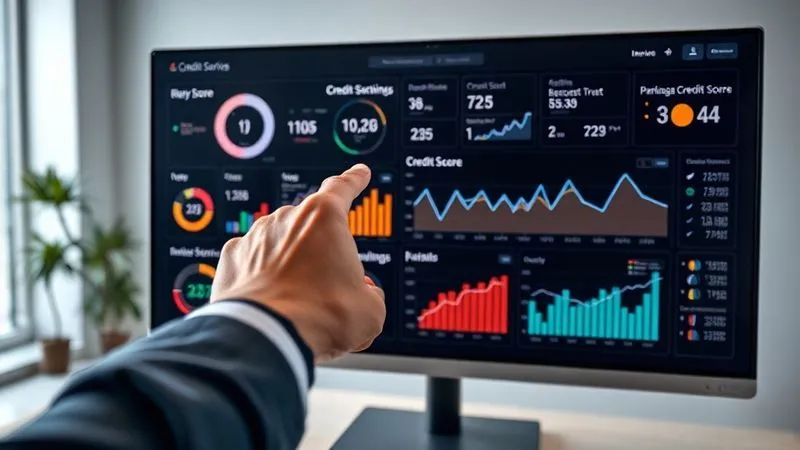
6. The Importance of Regular Credit Monitoring
You wouldn't drive a car without a dashboard, and you shouldn't run a business without monitoring its credit health. Regular monitoring is not just about spotting new problems; it's about tracking your progress and understanding trends.
Set Up Alerts and Review Reports Quarterly
Most business credit bureaus offer monitoring services that will alert you to significant changes. While these come with a fee, the investment is often worthwhile to catch issues early. Beyond alerts, make it a habit to pull and review your full business credit reports at least once a quarter.
- Check for New Accounts: Ensure no unauthorized accounts have been opened in your business's name.
- Verify Payment Status: Confirm that all your payments are being reported accurately and on time.
- Track Score Changes: Observe how your scores are trending. Are they improving? If not, why?
According to Dun & Bradstreet, businesses that actively monitor their credit are better equipped to identify and mitigate risks, leading to stronger financial standing and more favorable lending terms. It's a proactive defense against unforeseen issues.
7. Long-Term Strategies for Robust Business Credit
Repairing the damage from one late payment is a short-term goal. Building a truly robust and resilient business credit profile is a continuous journey. Here's how to ensure long-term success:
Maintain Low Utilization Rates
Just like personal credit, credit utilization plays a significant role in business credit scores. Aim to keep your credit utilization on revolving accounts (like business credit cards) below 30%, ideally even lower, around 10-15%. This signals that your business is not overly reliant on credit and manages its finances prudently.
Diversify Your Credit Mix
A healthy credit profile often includes a mix of different credit types: revolving credit (credit cards), installment loans (term loans for equipment or real estate), and trade lines. This demonstrates your ability to manage various forms of debt responsibly.
Establish a Strong Banking Relationship
Your business bank is more than just a place to hold funds. A strong, long-standing relationship with a commercial bank can be invaluable. Banks often consider your banking history, average daily balances, and overall relationship when assessing your creditworthiness for loans and lines of credit. They see your cash flow directly.
As marketing guru Seth Godin often says, "The market doesn't care about you, it cares about itself." In business credit, lenders and vendors care about their risk. By consistently demonstrating low risk and high reliability, you make yourself an attractive partner.
Ensure Your Business Information is Consistent
Inconsistencies in your business name, address, phone number, or D-U-N-S number across different records can cause confusion and hinder accurate credit reporting. Regularly verify that your information is identical across all legal documents, bank accounts, and credit bureau profiles. A simple mismatch can delay credit applications or even lead to inaccuracies being reported.
| Strategy | Action | Benefit |
|---|---|---|
| Low Credit Utilization | Keep revolving credit usage below 30%, ideally 10-15%. | Signals financial prudence, boosts scores. |
| Diverse Credit Mix | Maintain a balance of revolving, installment, and trade credit. | Shows ability to manage various debt types. |
| Strong Banking Relationship | Maintain consistent banking activity and balances with a commercial bank. | Provides positive financial insight to potential lenders. |
| Consistent Business Data | Regularly verify business name, address, phone (NAP) are identical everywhere. | Ensures accurate reporting, streamlines approvals. |
Frequently Asked Questions (FAQ)
How long does a late payment stay on my business credit report? Generally, negative entries like late payments can remain on business credit reports for up to 5 to 7 years, depending on the specific bureau and the severity (e.g., 30, 60, 90 days late). However, its impact diminishes over time as new, positive payment history is added. The goal is not just removal, but overwhelming it with good data.
Will one late payment prevent my business from getting a loan? Not necessarily, but it can make it harder and potentially increase your interest rates. Lenders look at your entire credit profile, not just one data point. A single late payment, especially if it's an isolated incident with a strong explanation and subsequent positive history, might be overlooked or mitigated. However, it will definitely raise a red flag that needs addressing.
Is there a difference in how personal vs. business credit bureaus handle disputes? Yes, there are differences. While both require investigation, personal credit disputes are governed by the FCRA, which provides specific timelines and consumer protections. Business credit disputes, while still investigated, may not have the same strict regulatory framework, often relying more on the policies of individual bureaus and creditors. It's crucial to be thorough and persistent.
Should I use a credit repair company for my business? For a single late payment, often no. The steps outlined above are largely manageable by business owners themselves. Credit repair companies can be helpful for more complex, multiple negative entries, but they come with a cost and often do nothing you couldn't do yourself with time and diligence. Always research any company thoroughly and be wary of those promising guaranteed results.
How quickly can I see an improvement in my business credit score after fixing a late payment? If the late payment is successfully removed or overwritten by new positive data, you could see an improvement within 30-90 days, as credit bureaus update their reports. However, building a truly strong score takes consistent, long-term effort. Don't expect an overnight miracle, but consistent good behavior yields results.
Key Takeaways and Final Thoughts
- Act Swiftly: The faster you address a late payment, the less impact it will have.
- Communicate Proactively: A goodwill letter or direct communication with the creditor can often lead to a resolution.
- Monitor Diligently: Regularly check your business credit reports for accuracy and to track progress.
- Build Positively: Actively open and manage new trade lines to establish a strong, consistent payment history.
- Understand the Nuances: Differentiate between personal and professional credit, but be aware of their interplay.
A single late payment entry on your professional credit report is a setback, not a permanent scar. By understanding the problem, taking immediate and strategic action, and committing to long-term financial diligence, you can not only fix professional credit after one late payment entry but also fortify your business's financial foundation for future success. Remember, every challenge is an opportunity to demonstrate resilience and build a stronger, more trustworthy enterprise. You have the tools; now, go forth and build that impeccable credit profile.
Recommended Reading
- 5 Strategies: How to Reduce Banking Customer Churn from Fintechs?
- Unveiling the Impact: How Core Inflation Drives Global Central Bank Policy
- Global Trade: Fueling or Foiling Small Business Growth?
- Mastering Diverse Project Expenses: 5 Steps for Accurate Client Billing
- VC Term Sheet Negotiation: Control Your Startup, Secure Your Future





Comments
Leave a comment below. Your email will not be published. Required fields marked with *