



How to build a personal emergency fund with erratic business cash flow?
For over two decades in financial consulting and budgeting, I've witnessed firsthand the incredible drive of entrepreneurs. Yet, I've also seen the silent stress that gnaws at them: the unpredictable income stream. It’s a common misconception that an emergency fund is a luxury only for those with stable paychecks, a belief that often leads to significant financial vulnerability when unforeseen circumstances strike.
If you're a business owner or freelancer, you know this challenge intimately. One month, revenue soars; the next, it barely trickles in. This erratic cash flow makes traditional savings advice feel utterly irrelevant, leaving many feeling vulnerable and constantly on edge about unexpected expenses, from a sudden car repair to a client project falling through.
But here's the truth: not only is it possible to build a robust personal emergency fund with erratic business cash flow, it's absolutely essential for your long-term success and peace of mind. In this definitive guide, I'll share battle-tested strategies, frameworks, and real-world insights I've gathered to help you forge financial stability, even when your income dances to its own unpredictable rhythm.
Understanding the Unique Challenge of Erratic Cash Flow
The Entrepreneurial Rollercoaster
The life of an entrepreneur is exhilarating, but it's also a rollercoaster of income peaks and valleys. Unlike salaried employees who can rely on a consistent paycheck, business owners face a unique set of financial uncertainties. Client payments might be delayed, project scopes can change, or market demand can shift without warning.
This inherent unpredictability isn't a flaw in your business; it's often a fundamental characteristic. However, it requires a fundamentally different approach to personal finance, especially when it comes to building a safety net. Ignoring this reality is akin to sailing without a life raft, hoping the seas remain calm.
Why Traditional Budgeting Fails
Most budgeting advice assumes a fixed monthly income. It tells you to allocate specific percentages to housing, food, savings, etc. This model crumbles when your income varies by thousands of dollars from one month to the next. Trying to force a variable income into a fixed budget is like trying to fit a square peg into a round hole – it creates frustration and ultimately leads to abandonment of the budgeting process altogether.
“The biggest mistake entrepreneurs make isn't a lack of effort, but a lack of a financial system designed for their reality. You can't budget for stability with tools built for predictability.”
My goal is to equip you with strategies that embrace this variability, turning it from a source of stress into a framework for proactive financial planning. This involves understanding your unique financial landscape and adopting flexible yet disciplined saving habits.
The Foundation: Knowing Your Numbers (Even When They Fluctuate)
Track Your Income and Expenses Religiously
Before you can build an emergency fund, you must understand your financial baseline. This isn't just about knowing what's in your bank account; it's about detailed historical data. I always advise my clients to track everything for at least three to six months to get a clear picture.
- Choose a Tracking Method: Whether it's a spreadsheet, budgeting software, or a dedicated app, pick a tool you'll actually use consistently.
- Categorize Everything: Don't just list transactions. Group them into meaningful categories like 'housing,' 'utilities,' 'groceries,' 'business supplies,' 'marketing,' etc. This helps identify spending patterns.
- Separate Business and Personal: This is non-negotiable. Use separate bank accounts and credit cards for business and personal expenses. This clarity is crucial for both tax purposes and understanding your true personal financial needs.
Calculate Your "Bare Minimum" Living Expenses
Once you have your tracking data, identify your absolute essential monthly personal expenses. This isn't your 'ideal' lifestyle; it's what you need to cover to keep a roof over your head, food on the table, and essential services running. This figure is your financial bedrock.
- Housing: Rent/mortgage, property taxes, essential repairs.
- Utilities: Electricity, water, gas, internet (often essential for business).
- Food: Groceries, not dining out.
- Transportation: Fuel, public transport, essential car maintenance.
- Insurance: Health, car, liability.
- Minimum Debt Payments: Credit cards, loans (only the minimum, not extra payments).
Knowing this bare minimum provides a target for your emergency fund. If your essential expenses are $2,500/month, a three-month emergency fund would be $7,500.
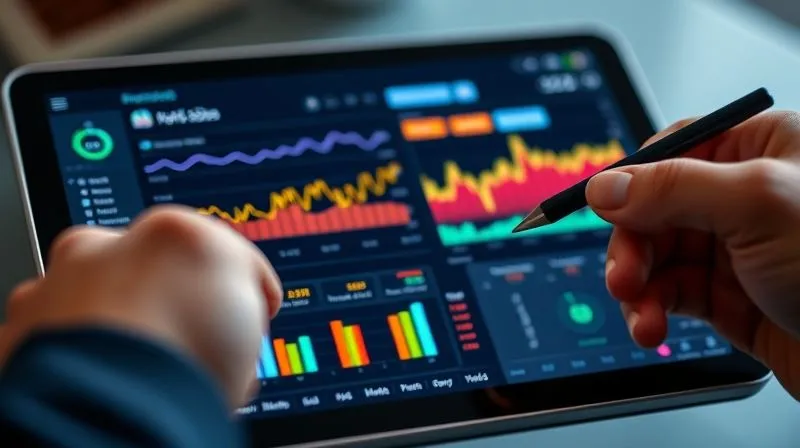
This foundational work, though tedious initially, provides the clarity needed to make informed decisions about your savings strategy. It moves you from guessing to knowing, which is the first step in regaining control over your finances.
| Expense Category | Monthly Minimum |
|---|---|
| Housing (Rent/Mortgage) | $1,500 |
| Utilities (Electric, Water, Internet) | $250 |
| Groceries | $400 |
| Transportation (Fuel/Public Transit) | $150 |
| Insurance (Health, Auto) | $300 |
| Minimum Debt Payments | $200 |
| Total Bare Minimum Monthly Expenses | $2,800 |
Strategic Savings Methods for Variable Income
The "Pay Yourself First, Profit First" Principle
This concept, popularized by Mike Michalowicz in his book Profit First, is a game-changer for entrepreneurs. Instead of paying expenses and hoping there's money left for savings, you allocate a percentage of every income deposit to your emergency fund (and other savings goals) first.
- Set up Dedicated Accounts: Have a separate bank account specifically for your personal emergency fund. Consider another for taxes, and another for operating expenses.
- Determine Your Allocation Percentages: Start small, perhaps 5-10% of every payment you receive goes directly to your emergency fund account. Adjust this as your income stabilizes or grows.
- Automate the Transfers: As soon as money hits your primary business account, set up an automatic transfer to your emergency fund account. Even if it's a small amount, consistency builds momentum.
Automate What You Can
Automation is your best friend when dealing with erratic cash flow. It removes the need for willpower and ensures your savings efforts are consistent, even when you're busy or stressed. Set up recurring transfers from your main business account to your emergency fund account whenever a payment comes in, or at least weekly/bi-weekly if payments are frequent. Consider using tools that round up your purchases and transfer the difference to savings.
The Income Waterfall Strategy
This is a more advanced strategy for highly variable income. You define a hierarchy for how incoming funds are distributed:
- Buffer Account: First, ensure your primary business checking account has a small buffer (e.g., one month of operating expenses).
- Emergency Fund: Next, a set percentage (or a fixed amount if possible) goes to your personal emergency fund.
- Taxes: Then, a percentage goes to your tax savings account.
- Operating Expenses: Funds for immediate business needs.
- Owner's Pay/Profit: Finally, what's left is your owner's pay or profit distribution.
“Automation isn't just about convenience; it's a strategic defense against the human tendency to prioritize immediate gratification over long-term security. Make your money work for you, not against you.”
By implementing these strategic methods, you're not just saving; you're creating a robust financial system that prioritizes your future security, regardless of your business's monthly ebb and flow. This proactive approach is key to building an emergency fund with erratic business cash flow effectively.
Building Your Emergency Fund: The "Buffer Zone" Approach
Define Your Emergency Fund Goal (3-6 Months Minimum)
The standard advice for an emergency fund is 3-6 months of living expenses. For entrepreneurs with erratic income, I often recommend aiming for 6-12 months. This extended buffer provides greater peace of mind during lean periods or significant business disruptions. Use your 'bare minimum' living expenses calculation to set this concrete target. For example, if your bare minimum is $2,800/month, aim for $16,800 to $33,600.
The "High-Income Month" Advantage
This is where erratic income can actually work in your favor. When you have a particularly good month – a large client project closes, or sales spike – resist the urge to immediately upgrade your lifestyle. Instead, channel a significant portion of that surplus directly into your emergency fund. Think of these high-income months as opportunities to supercharge your savings, compensating for months when income might be lower.
Case Study: Sarah's Seasonal Business Breakthrough
Case Study: Sarah's Seasonal Business Breakthrough
Sarah, a graphic designer specializing in wedding invitations, faced highly seasonal income. Her summer and fall bookings were booming, but winter and early spring were consistently slow. Initially, she struggled to maintain her personal finances. After adopting the 'High-Income Month' advantage, she started allocating 40% of all income received during her peak season directly to her emergency fund account. This meant tightening her belt slightly during busy times, but it built a substantial buffer. By the time winter arrived, she had accumulated enough to cover 8 months of her bare minimum living expenses, allowing her to weather the lean months without stress or dipping into credit. This resulted in a significant reduction in her financial anxiety and allowed her to focus on business development during slower periods, rather than constantly worrying about cash flow.

This approach transforms unpredictable income from a liability into a powerful asset for accelerated savings. It requires discipline, but the security it provides is invaluable.
Smart Money Management & Protecting Your Fund
Separate Business and Personal Finances
I cannot stress this enough: maintain distinct bank accounts and credit cards for your business and personal use. This isn't just for tax purposes; it's fundamental for clear financial tracking and preventing you from inadvertently spending your emergency fund on business expenses (or vice-versa). Commingling funds creates a muddy financial picture that makes effective budgeting and emergency fund building nearly impossible. For more insights on this, consider resources like Forbes Advisor's guide on separating finances.
Choosing the Right Account for Your Emergency Fund
Your emergency fund shouldn't be in your primary checking account. It needs to be easily accessible but not *too* easily accessible. A high-yield savings account (HYSA) is often the best choice. These accounts offer:
- Liquidity: You can access your money quickly if a true emergency arises.
- Higher Interest Rates: While not a get-rich-quick scheme, earning even a small amount of interest is better than nothing, especially over time.
- Separation: Keeping it in a separate account, often at a different bank, creates a psychological barrier against impulsive spending.
Resist the Urge to Dip In (Except for Real Emergencies)
Define what constitutes a 'real emergency' for you. A true emergency is an unexpected, urgent, and necessary expense that you cannot cover with your regular income. Examples include job loss, medical emergencies, or critical home/car repairs. It is NOT a sale on a new gadget, a spontaneous vacation, or a slow business month (unless that slow month directly threatens your ability to pay for essentials). Protecting your fund's integrity is paramount.
Diversifying Income & Mitigating Risk
Multiple Income Streams (Side Hustles, Passive Income)
One of the most effective ways to combat erratic business cash flow is to diversify your income sources. Relying on a single client or a single type of service can leave you vulnerable. Consider:
- Complementary Services: Offer related services that can attract a broader client base.
- Passive Income: Explore options like digital products, online courses, or affiliate marketing.
- Retainer Clients: Seek out clients who are willing to pay a fixed monthly fee for ongoing services, providing a baseline of stable income.
This diversification acts as an additional layer of security, meaning if one income stream slows down, others can help bridge the gap, reducing the pressure on your emergency fund. Insights from sources like the Harvard Business Review often highlight the importance of revenue diversification for business resilience.
Building a Client Buffer
Beyond income diversification, actively work to build a 'client buffer.' This means always having a pipeline of potential new clients or projects, even when you're busy. If a key client suddenly leaves or a project gets postponed, having other prospects ready to engage can significantly reduce the financial impact and prevent you from needing to tap into your emergency fund prematurely.
Leveraging Technology and Tools for Financial Control
Budgeting Apps & Software for Variable Income
Modern technology offers powerful solutions tailored for those with fluctuating incomes. These tools can automate tracking, categorize expenses, and provide visual insights into your cash flow patterns. Look for features like:
- Customizable Categories: To fit your unique business and personal expense structures.
- Cash Flow Forecasting: Some advanced tools can help predict future income based on historical data.
- Goal Tracking: To monitor your emergency fund progress.
- Integration: Connecting directly to your bank accounts for seamless data import.
Popular options include You Need A Budget (YNAB), Mint, or specialized small business accounting software that offers personal finance features. The key is to find a tool that simplifies the process, not complicates it.
Cash Flow Forecasting Tools
While often associated with business operations, understanding and forecasting your personal cash flow is vital. Many accounting software solutions for small businesses offer forecasting features. By inputting anticipated income and recurring expenses, you can project potential shortfalls or surpluses. This foresight allows you to proactively adjust your savings contributions or seek additional work before an emergency becomes critical.
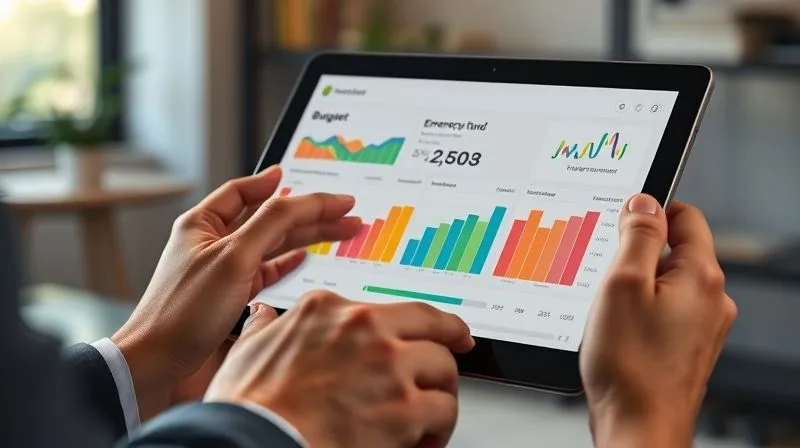
Embracing these technological aids transforms the daunting task of managing erratic income into a more manageable and even empowering process. They provide the data and insights needed to make informed decisions and maintain financial discipline.
The Psychological Aspect: Discipline and Resilience
Changing Your Money Mindset
Building an emergency fund with erratic business cash flow isn't just about numbers; it's about mindset. You must shift from a 'feast or famine' mentality to one of abundance and proactive planning. This means:
- Viewing Savings as a Non-Negotiable Expense: Just like rent or utilities, your emergency fund contribution is a mandatory line item.
- Embracing Delayed Gratification: Resisting the urge to spend windfalls immediately.
- Cultivating Patience: Building a substantial fund takes time, especially with variable income.
This psychological shift is often the hardest part, but it's the most impactful for long-term financial health. According to research on financial psychology, consistent small wins build momentum and reinforce positive habits. You can learn more about the psychology of saving from expert insights found on reputable financial planning sites like Ramsey Solutions.
Celebrating Small Wins
Don't wait until you hit your full emergency fund goal to acknowledge your progress. Celebrate every milestone: your first $1,000, your first month's expenses saved, or successfully resisting an impulse purchase to keep your fund intact. These small celebrations reinforce positive behavior and keep you motivated during the journey.
| Old Mindset | New Mindset |
|---|---|
| Income is unpredictable, so I'll save when I have extra. | I will prioritize saving a percentage of every income, no matter how small. |
| Good months mean I can spend more. | Good months are opportunities to accelerate my emergency fund growth. |
| Emergency fund is for big, rare disasters. | Emergency fund is a buffer for any unexpected personal financial need. |
| Budgeting restricts my freedom. | Budgeting provides clarity and empowers my financial freedom. |
| I'll worry about saving later, when things are stable. | I will build stability through saving, even with current fluctuations. |
Developing resilience is crucial. There will be tough months, but consistent effort and a strong mindset will ensure you stay on track toward your financial security goals. Remember, every dollar saved is a step towards greater peace of mind.
Frequently Asked Questions (FAQ)
What if my income is so low I can't even cover my bare minimum expenses? This is a critical situation that requires immediate action. First, focus intensely on increasing your income – whether through additional clients, a temporary side hustle, or reducing non-essential business expenses. Simultaneously, re-evaluate your personal 'bare minimum' to see if any costs can be temporarily reduced further. Saving even $50 a month is a start, but the primary focus must be on boosting income to a sustainable level.
Should I prioritize paying off debt or building an emergency fund? This is a classic dilemma. My expert advice is to build a small 'starter' emergency fund first, typically $1,000-$2,000 or one month of bare minimum expenses. This protects you from going into *more* debt for minor emergencies. Once you have this small buffer, aggressively pay down high-interest debt (like credit cards). After high-interest debt is cleared, shift your focus back to fully funding your 3-6 (or 6-12) month emergency fund.
How often should I review my emergency fund goal and contributions? I recommend reviewing your bare minimum expenses and emergency fund goal at least annually, or whenever there's a significant life change (e.g., new living situation, change in family size). Your contributions should be reviewed monthly or quarterly, especially if your income patterns change. This ensures your fund remains relevant and adequate.
Can I use my emergency fund for business emergencies? Ideally, no. Your personal emergency fund is strictly for personal financial emergencies. Your business should have its own operating capital and a separate business emergency fund. Commingling these funds defeats the purpose of separation and can leave both your business and personal finances vulnerable.
What if I have an emergency and have to use part of my fund? That's exactly what it's there for! Don't feel guilty. Once the immediate crisis is over, make replenishing your emergency fund your top financial priority. Re-evaluate your current income and expenses, and adjust your savings plan to rebuild the fund as quickly as possible.
Recommended Reading
- Professionals: 5 Steps to Inflation-Proof Your Retirement Savings
- 7 Steps to Professionally Dispute Complex Credit Report Errors for Clients
- Unlock Your Crypto's Safety: Defend Against Phishing Attacks Now!
- 7 Proven Strategies: How Businesses Hedge Against Central Bank-Driven Inflation?
- Unlock the Secret: How to Identify Undervalued Growth Stocks for Beginners
Main Points and Final Considerations
Building a personal emergency fund with erratic business cash flow is not just a possibility; it's a strategic imperative for every entrepreneur. It demands discipline, a tailored approach, and a resilient mindset. Let's recap the most critical takeaways:
- Know Your Numbers: Relentlessly track income and expenses to identify your true 'bare minimum' living costs.
- Prioritize Savings: Adopt the 'Pay Yourself First' mentality, allocating a percentage of every payment to your fund.
- Leverage High-Income Months: Use periods of surplus to significantly boost your savings.
- Separate & Protect: Keep business and personal finances distinct, and choose a dedicated, accessible-but-not-too-accessible account for your fund.
- Diversify & Forecast: Seek multiple income streams and use tools to anticipate cash flow, mitigating risk before it becomes an emergency.
- Cultivate the Right Mindset: View your emergency fund as a non-negotiable expense and celebrate every step of your progress.
This journey won't always be easy, but the peace of mind and financial resilience you'll gain are priceless. By implementing these strategies, you're not just saving money; you're investing in your future stability, allowing you to navigate the entrepreneurial landscape with confidence and focus. Remember, financial freedom begins with a strong foundation, and your emergency fund is that bedrock. For further guidance on financial planning, explore resources from official bodies like the Consumer Financial Protection Bureau, or trusted financial education platforms like Investopedia.




Comments
Leave a comment below. Your email will not be published. Required fields marked with *