



How to budget a solo trip without impacting professional savings?
For over 15 years in the finance and budget travel niche, I've seen countless aspiring solo travelers grapple with a common, yet solvable, dilemma: the intense desire to explore the world solo, coupled with the very real fear of jeopardizing their hard-earned professional savings, be it for retirement, a down payment, or an emergency fund. It's a tug-of-war between wanderlust and financial prudence, and often, prudence wins, leaving dreams unfulfilled.
The pain point is palpable: you want the freedom and self-discovery of solo travel, but you're unwilling to sacrifice your long-term financial security. The idea of depleting your emergency fund for a flight or dipping into your investment portfolio for accommodation can feel irresponsible, even reckless. This internal conflict often leads to procrastination, or worse, abandoning the idea of solo travel altogether.
But what if I told you there's a proven framework to budget a solo trip without impacting professional savings? In this definitive guide, I'll share expert strategies, actionable steps, and real-world insights to empower you to embark on your solo adventures while keeping your financial future intact. We’ll explore everything from dedicated travel funds and strategic income generation to smart travel hacks and leveraging rewards, ensuring your professional savings remain untouched and secure.
The Foundational Mindset: Separating Your Travel Fund from Professional Savings
The very first, non-negotiable step in budgeting for a solo trip without touching your professional savings is establishing a clear, impenetrable boundary between the two. Think of your professional savings—retirement accounts, emergency funds, investment portfolios—as sacred. Your travel fund, while important, is a separate entity entirely.
Why Dedicated Accounts Are Non-Negotiable
In my experience, commingling funds is the quickest way to financial stress and accidental overspending. When your travel money lives in the same account as your emergency fund, the temptation to borrow from one for the other becomes almost irresistible. A dedicated travel savings account creates a psychological barrier, making you more accountable for how you save and spend.
- Open a Separate Savings Account: Designate a high-yield savings account specifically for your travel fund. Name it something inspiring, like "[Your Name]'s Solo Adventure Fund." This helps solidify its purpose.
- Automate Transfers: Set up automatic weekly or bi-weekly transfers from your checking account into your travel savings. Even small, consistent amounts add up significantly over time.
- Resist the Urge to Dip In: Once money is in this account, consider it spent on travel. Do not transfer it back for everyday expenses or non-travel emergencies. Your professional emergency fund is for actual emergencies.
"Financial discipline isn't about deprivation; it's about intentional allocation. By creating a dedicated travel fund, you're not just saving money; you're funding a dream responsibly, without compromising your future." - Industry Specialist
This disciplined approach ensures that every dollar designated for travel is intentionally saved, preventing any accidental erosion of your professional safety nets. According to a Forbes Advisor report, utilizing multiple savings accounts for different goals is a key strategy for effective financial management.
Strategic Income Generation: Fueling Your Wanderlust Proactively
Once you've established your dedicated travel fund, the next step is to actively feed it without relying solely on your primary income, which is often earmarked for living expenses and professional savings. This is where strategic income generation comes into play.
Side Hustles Tailored for Travel Funds
The gig economy offers a plethora of opportunities to earn extra cash in your spare time. The key is to find something flexible that aligns with your skills and schedule.
- Freelance Services: Offer writing, editing, graphic design, web development, or virtual assistant services online. Platforms like Upwork or Fiverr connect you with clients globally.
- Online Tutoring/Teaching: Share your knowledge in a specific subject or language.
- Pet Sitting/House Sitting: A great way to earn money, and sometimes even get free accommodation, locally or abroad.
- Gig Economy Apps: Rideshare driving, food delivery, or task-based services can provide immediate income.

The beauty of these side hustles is that the income generated can be directly channeled into your travel fund, creating a separate stream of money specifically for your adventures. This ensures your main salary continues to support your professional savings and daily life.
| Side Hustle | Earning Potential (per hour) | Flexibility | Startup Cost | Travel Relevance |
|---|---|---|---|---|
| Freelance Writing/Editing | $25 - $75+ | High | Low | Remote work, laptop-friendly |
| Online Tutoring/Teaching | $20 - $50 | Medium-High | Low | Remote, schedule-flexible |
| Pet Sitting/House Sitting | $30 - $100+ | Medium | Low | Can be done while traveling, locals trust |
| Gig Economy Services (e.g., delivery, rideshare) | $15 - $30 | High | Medium (vehicle) | Local, immediate income |
Optimizing Existing Income Streams
Beyond side hustles, look for ways to optimize your current financial situation to free up cash for travel. This might involve reviewing your monthly subscriptions, negotiating bills, or temporarily cutting back on non-essential spending. Every dollar saved from your regular budget can be redirected to your travel fund.
- Budget Audit: Conduct a thorough review of your monthly expenses. Identify areas where you can cut back, even temporarily.
- Sell Unused Items: Declutter your home and sell items you no longer need on platforms like eBay, Facebook Marketplace, or local consignment shops.
- Temporary Frugality: For a few months leading up to your trip, adopt a more minimalist lifestyle. Cook at home, limit entertainment spending, and reduce impulse purchases.
Mastering the Art of Pre-Trip Budgeting and Expense Tracking
Once you have a dedicated fund and strategies to grow it, the next crucial step is meticulous pre-trip budgeting. This isn't just about guessing; it's about informed, data-driven planning that prevents nasty surprises.
Research-Driven Cost Estimation
Before you even book a flight, research the typical costs for your chosen destination. I've seen travelers fall into the trap of underestimating expenses, leading to a scramble for funds mid-trip. Don't be one of them.
- Destination-Specific Research: Use websites like Numbeo, BudgetYourTrip, or even travel blogs to get realistic estimates for accommodation, food, transportation, and activities in your target destination.
- Categorize Expenses: Break down your budget into main categories: flights, accommodation, food, local transportation, activities, insurance, and a buffer for emergencies.
- Factor in 'Hidden' Costs: Don't forget visa fees, travel insurance, vaccinations, international roaming charges, and ATM withdrawal fees.
| Budget Category | Estimated % of Total | Tips for Saving |
|---|---|---|
| Accommodation | 30-40% | Hostels, guesthouses, house-sitting, off-season rates |
| Transportation (Flights/Local) | 20-30% | Budget airlines, public transport, walking, points & miles |
| Food & Drink | 15-20% | Local markets, cook own meals, street food, limit restaurant dining |
| Activities & Sightseeing | 10-15% | Free walking tours, public parks, museum passes, prioritize free attractions |
| Miscellaneous (Insurance, Visa, Shopping) | 5-10% | Travel insurance, pack smart, avoid impulse buys |
Tools and Apps for Vigilant Tracking
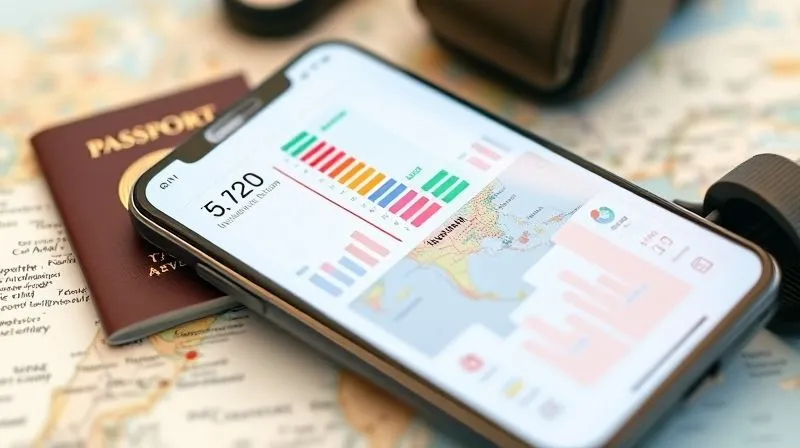
Once your trip begins, diligent expense tracking is paramount. This keeps you accountable and prevents overspending that could force you to dip into professional savings.
- Budgeting Apps: Use apps like Splitwise, Tripcoin, or even a simple spreadsheet to log every expense daily.
- Daily Spending Limit: Set a realistic daily spending limit and stick to it. This forces you to make conscious choices.
- Regular Reviews: Take 10-15 minutes each evening or morning to review your spending and adjust if necessary.
Smart Travel Hacks: Maximizing Value, Minimizing Spend
The beauty of solo travel on a budget is the freedom it affords to make choices that prioritize experience over luxury. Embracing smart travel hacks can dramatically reduce your costs without compromising the richness of your journey.
Accommodation Alternatives (Hostels, Couchsurfing, House-sitting)
Your biggest expense after flights will often be accommodation. Think beyond traditional hotels.
- Hostels: Modern hostels offer private rooms as well as dorms, and they're fantastic for meeting other solo travelers.
- Guesthouses/B&Bs: Often more affordable and offer a local experience compared to chain hotels.
- Couchsurfing: Stay for free with locals. It's not just about saving money; it's about cultural immersion.
- House-sitting: Look after someone's home (and often pets) in exchange for free accommodation. Websites like TrustedHousesitters are popular.
Frugal Food Strategies (Local markets, cooking)
Eating out for every meal quickly depletes your budget. Embrace local flavors in cost-effective ways.
- Local Markets: Buy fresh produce and snacks from local markets.
- Cook Your Own Meals: If your accommodation has a kitchen, cook some of your meals. This is often significantly cheaper than restaurants.
- Street Food: In many cultures, street food is delicious, authentic, and incredibly affordable.
- Picnics: Grab supplies from a grocery store and enjoy a scenic picnic.
Transportation Optimization (Public transport, walking, budget airlines)
Getting around can be a major cost if not planned wisely.
- Public Transport: Use buses, trains, and subways. They're usually efficient and cost-effective.
- Walk Everywhere: It's free, great exercise, and the best way to discover hidden gems.
- Budget Airlines: For longer distances, research budget airlines, but be aware of extra fees for luggage, seat selection, etc.
- Ride-Sharing/Carpooling: In some regions, apps or local groups facilitate shared rides.
These strategies are not about deprivation; they're about smart choices that allow you to extend your travels and experience more, all while safeguarding your professional savings. For more detailed insights on travel hacking, resources like The Points Guy offer invaluable advice.
Leveraging Rewards and Points: Travel for (Almost) Free
This is where your everyday spending can actually work for your travel fund, not against it. By strategically using credit card rewards and loyalty programs, you can cover significant travel expenses without touching your cash savings.
Strategic Credit Card Usage
I cannot stress enough: this strategy is only for those who are highly disciplined and pay their credit card balances in full, every single month. Carrying a balance negates any rewards earned due to interest charges.
- Travel Rewards Cards: Research credit cards that offer generous sign-up bonuses and ongoing rewards for travel-related spending (flights, hotels) or everyday categories (groceries, dining).
- Category Maximization: Use specific cards for specific spending categories if they offer higher rewards (e.g., one card for dining, another for groceries).
- Meet Minimum Spend: To earn sign-up bonuses, ensure you can comfortably meet the minimum spending requirement within the specified timeframe without overspending.
Loyalty Programs and Airline Miles
Beyond credit cards, actively participate in loyalty programs.
- Airline Loyalty: Join frequent flyer programs for airlines you use regularly. Even if you don't fly often, points can accumulate from partners.
- Hotel Loyalty: Sign up for hotel chain loyalty programs. Free nights can significantly reduce accommodation costs.
- Transferable Points: Some credit card points can be transferred to various airline or hotel partners, offering greater flexibility and value.
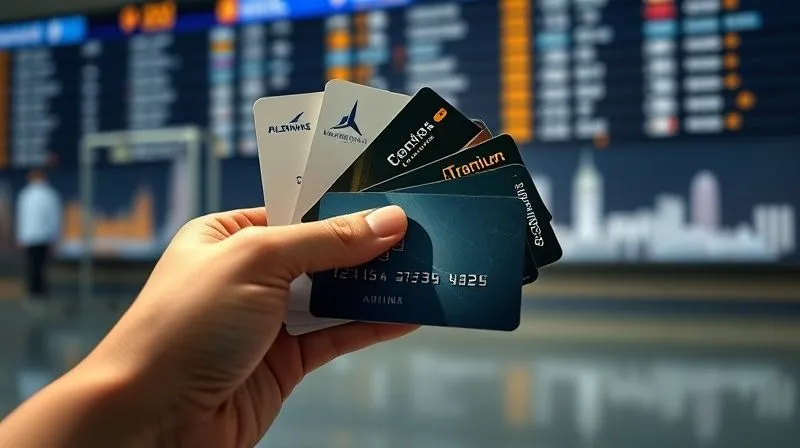
"Leveraging rewards points is like finding free money for your travel dreams. But remember, it's a tool for the financially savvy, not an excuse for debt. Pay your balance, always." - Industry Specialist
The Power of Pre-Booking and Off-Season Travel
Timing and foresight can be your best allies in budget solo travel. Proactive planning allows you to capitalize on lower prices and avoid peak-season surcharges, directly contributing to your ability to budget a solo trip without impacting professional savings.
Why Timing is Everything
The difference in cost between peak and off-season travel can be staggering. Flights, accommodation, and even tours can be significantly cheaper during shoulder seasons (just before or after peak) or the true off-season.
- Lower Prices: Fewer tourists mean lower demand, leading to reduced prices for almost everything.
- Fewer Crowds: Enjoy attractions and experiences without battling throngs of people.
- Authentic Experience: Interact more with locals and experience destinations in a more authentic way.
Advantages of Early Bird Deals
Booking certain elements of your trip well in advance can also yield substantial savings.
- Flights: Generally, booking 2-3 months in advance for international flights can get you better deals, though this varies.
- Accommodation: Many hostels and guesthouses offer discounts for early bookings.
- Tours/Activities: Some popular tours fill up or become more expensive closer to the date.
Case Study: How Sarah Saved 40% on Her Thailand Trip
Sarah, a 32-year-old marketing professional, dreamed of a three-week solo trip to Thailand. Her initial research for a December trip (peak season) showed costs upwards of $4,500 for flights, accommodation, and activities. Determined not to touch her emergency fund, she pivoted. By planning her trip for late September/early October (shoulder season) and booking her flights and first week's accommodation four months in advance, she secured a round-trip flight for $800 less and enjoyed significantly reduced rates on guesthouses. She saved an estimated $1,800 (over 40%) on her total budget, allowing her to extend her trip by an extra week, all funded by her dedicated travel savings.
Financial Safeguards While Abroad: Protecting Your Nest Egg
Even with meticulous planning, unexpected events can occur during solo travel. Having robust financial safeguards in place is crucial to ensure that unforeseen circumstances don't force you to tap into your professional savings.
Travel Insurance as a Non-Negotiable
I've seen firsthand how a medical emergency or a lost bag can derail a trip and create a huge financial burden. Travel insurance is not an optional extra; it's a fundamental part of responsible solo travel budgeting.
- Comprehensive Coverage: Ensure your policy covers medical emergencies, trip cancellation/interruption, lost luggage, and personal liability.
- Read the Fine Print: Understand what is and isn't covered, especially for adventure activities.
- Emergency Evacuation: For solo travelers, emergency medical evacuation coverage is especially vital.
Emergency Fund Best Practices
While your professional emergency fund should remain untouched, I strongly advise creating a separate, smaller "travel emergency fund" within your dedicated travel savings. This is for unexpected travel-specific issues.
- Allocate a Buffer: Aim to have 10-15% of your total travel budget allocated specifically as a buffer for unforeseen travel expenses.
- Accessible Funds: Keep these funds in an easily accessible but secure account, separate from your main professional emergency fund.
- Local Currency & Backup Cards: Carry a small amount of local currency, and always have at least two different debit/credit cards (from different banks) in case one is lost or compromised.
According to Investopedia, travel insurance can save you thousands in unexpected costs, making it a wise investment for any trip.
Post-Trip Financial Recovery and Future Planning
The adventure doesn't end when you return home; neither does the responsible financial planning. A crucial part of budgeting a solo trip without impacting professional savings is understanding the post-trip landscape and how to prepare for future journeys.
Rebalancing Your Budget
Upon your return, take time to review your financial situation. Your travel fund might be depleted, but your professional savings should be exactly where you left them.
- Replenish Travel Fund: Immediately restart your automated transfers to begin saving for your next adventure.
- Expense Review: Analyze your actual travel spending against your budget. What went well? Where did you overspend?
- Adjust Habits: Apply lessons learned from your trip's financial successes to your everyday budgeting.
Applying Lessons Learned to Future Adventures
Every trip is a learning experience, both culturally and financially. Document what worked and what didn't.
- Keep a Travel Finance Journal: Note down average costs for food, accommodation, and transport in different regions. This data is invaluable for future planning.
- Refine Side Hustles: If a side hustle was particularly effective, consider scaling it up. If one wasn't, explore new options.
- Optimize Rewards: Analyze your credit card and loyalty program usage. Are there better cards or programs for your future travel goals?
By consciously engaging in post-trip financial recovery and analysis, you're not just closing the book on one adventure; you're opening the door to many more, all while maintaining your long-term financial health and ensuring your professional savings remain untouched.
Frequently Asked Questions (FAQ)
How much should I save for a solo trip? This depends entirely on your destination, duration, and travel style. As an expert, I recommend starting with a daily budget (e.g., $50-$100/day for Southeast Asia, $100-$200+/day for Western Europe), then adding flight costs, insurance, and a 15% buffer. Multiply your daily budget by the number of days, add fixed costs, and you'll have a realistic target. Remember, this is your travel fund, separate from professional savings.
Is it okay to use a small portion of my emergency fund for travel? Absolutely not. Your emergency fund is for true emergencies like job loss, medical crises, or unforeseen home repairs. Using it for discretionary spending like travel, no matter how small the portion, blurs the line and compromises its integrity. This is precisely why we advocate for a dedicated travel fund and strategic income generation to keep your solo trip budget entirely separate.
What are the best budgeting apps for solo travelers? For pre-trip planning and general budgeting, apps like YNAB (You Need A Budget) or Mint are excellent for overall financial health. For on-the-go expense tracking during your trip, I highly recommend Tripcoin, Splitwise (even for solo, it helps categorize), or even a simple custom spreadsheet on Google Sheets. The key is consistency in logging expenses.
How do I handle unexpected expenses without dipping into professional savings? This is why a dedicated 'travel emergency buffer' within your travel fund is crucial (10-15% of your total trip cost). Additionally, rely on your travel insurance for covered incidents like medical emergencies or lost luggage. Having multiple payment methods (different debit/credit cards) also provides a safety net. Never use your primary emergency fund for travel-related surprises.
Can I really travel extensively without impacting my retirement? Yes, absolutely. The core principle is robust financial planning and strict adherence to separating your financial goals. By building a dedicated travel fund through smart saving, strategic side hustles, and leveraging rewards, you create an entirely separate financial ecosystem for your travels. Your retirement contributions and long-term investments should continue uninterrupted, ensuring both your wanderlust and your future security are well-funded.
Key Takeaways and Final Thoughts
Embarking on a solo travel adventure is a profoundly enriching experience, offering unparalleled opportunities for self-discovery and personal growth. The concern about impacting professional savings is valid, but as we've explored, it's a challenge that can be overcome with a strategic and disciplined approach.
- Dedicated Travel Fund: Create a completely separate savings account for your solo adventures, never commingling it with your professional savings.
- Proactive Income Generation: Fuel your travel fund with side hustles or optimized income streams, keeping your primary salary focused on long-term goals.
- Meticulous Budgeting & Tracking: Research costs thoroughly, set daily limits, and track every expense to stay within your dedicated travel budget.
- Smart Travel Hacks: Embrace budget-friendly accommodation, food, and transport options to maximize your travel duration and experiences.
- Leverage Rewards: Use credit card points and loyalty programs responsibly to cover significant travel costs.
- Strategic Timing & Booking: Capitalize on off-season travel and early bird deals to reduce expenses.
- Financial Safeguards: Invest in comprehensive travel insurance and maintain a travel-specific emergency buffer.
Remember, solo travel isn't just a vacation; it's an investment in yourself. By mastering these financial strategies, you're not just budgeting a solo trip; you're building a sustainable model for lifelong adventure, ensuring that your pursuit of wanderlust never comes at the expense of your professional security. Go forth, explore, and do so with confidence, knowing your financial future is as solid as your travel plans.
Recommended Reading
- 9 Expert Hacks: How Professionals Drastically Cut Travel Expenses
- The Ultimate Guide: How to Rebuild Finances After Overcoming Debt
- 7 Proven Steps: Fix Negative Cash Flow Despite Positive Revenue
- Mastering Debt: 7 Pillars for Finance Students Tackling Complex Client Cases
- 7 Steps to Optimize Debt Consolidation for Clients with Multiple Creditors





Comments
Leave a comment below. Your email will not be published. Required fields marked with *