


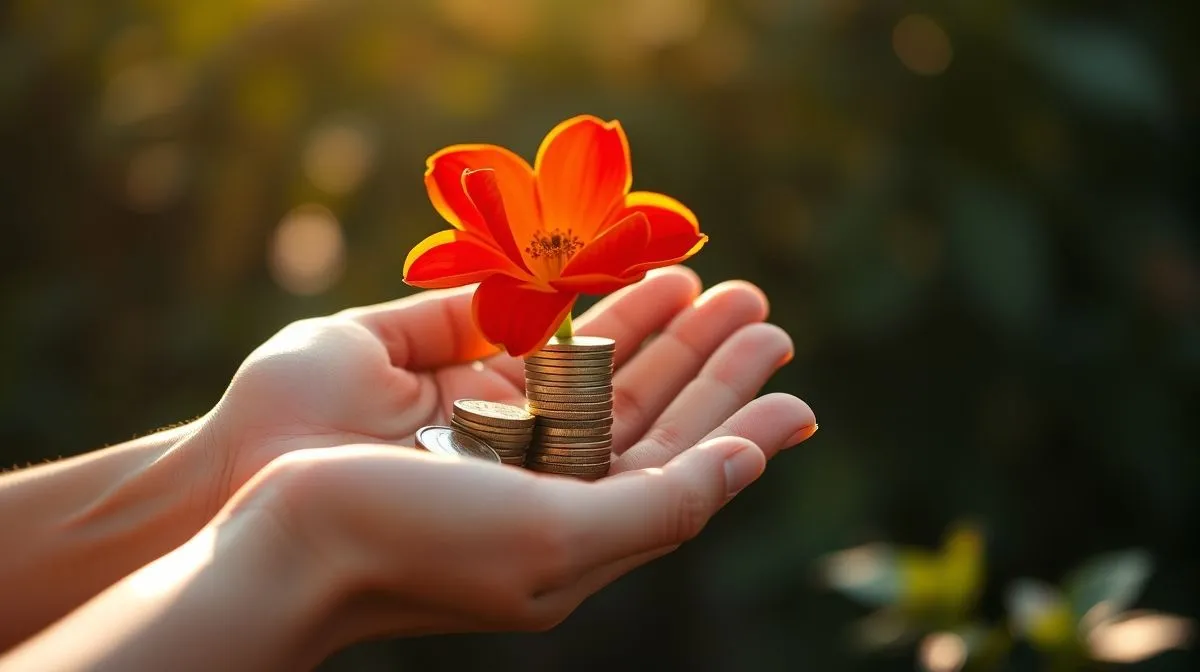
How to Balance Responsible Spending and Enjoyment: A Path to Financial Harmony
Have you ever found yourself caught in the perpetual tug-of-war between saving for tomorrow and living for today? It’s a common dilemma: the desire for financial security often clashes with the yearning for immediate gratification and meaningful experiences. Many people feel guilty about spending on pleasures, while others regret not saving enough for their future.
This internal conflict can lead to stress, anxiety, and an unfulfilling financial life. On one side, there's the fear of financial instability; on the other, the fear of missing out on life's joys. How can one truly thrive without feeling deprived or irresponsible? The core problem lies in perceiving these two aspects—responsible spending and enjoyment—as mutually exclusive.
This comprehensive guide will show you precisely how to balance responsible spending and enjoyment, transforming your financial habits into a seamless part of a more fulfilling life. By understanding key principles, adopting practical strategies, and shifting your mindset, you'll discover how to build wealth while genuinely savoring every moment.
Understanding the Core Conflict: Scarcity vs. Abundance Mindset
At the heart of the spending-enjoyment dilemma often lies a fundamental psychological battle between two distinct mindsets: scarcity and abundance. Recognizing which one dominates your financial thinking is the first step toward achieving harmony.
The Scarcity Trap
A scarcity mindset operates from the belief that there's never enough—not enough money, not enough time, not enough opportunities. This perspective often leads to fear-driven financial decisions: hoarding savings, avoiding any non-essential spending, and feeling guilt over even small indulgences. While prudence is valuable, extreme scarcity thinking can lead to a joyless existence, where life's rich experiences are constantly deferred or denied.
Individuals stuck in this trap might become overly frugal, missing out on opportunities for personal growth, connection, or simple pleasures. They often live in a state of perpetual anxiety about future financial shortfalls, even when their current situation is stable. This can hinder both financial progress and emotional well-being.
Embracing an Abundance Mindset
In contrast, an abundance mindset views resources as plentiful and opportunities as infinite. This doesn't mean reckless spending; rather, it's about making choices from a place of confidence and gratitude. It recognizes that money is a tool to create the life you desire, balancing future security with present enjoyment. Adopting this mindset allows you to see possibilities for both saving and spending wisely, without feeling deprived.
An abundance mindset encourages creativity in generating income, finding value in experiences, and giving back. It fosters a sense of trust in one's ability to manage finances effectively, leading to more intentional and joyful spending. This perspective is crucial for learning how to balance responsible spending and enjoyment effectively.
The Pillars of Responsible Spending
Responsible spending is not about deprivation; it's about intentionality. It's about ensuring your money aligns with your values and long-term goals. Building a solid foundation for responsible spending requires understanding and implementing several key principles.
Crafting a Realistic Budget That Works
A budget isn't a straitjacket; it's a roadmap. It helps you understand where your money goes and empowers you to direct it consciously. Start by tracking your income and expenses for a month or two to get a clear picture of your spending habits. Then, allocate funds to different categories: housing, food, transportation, savings, and, crucially, enjoyment.
The key is realism. If your budget is too restrictive, you're likely to abandon it. Make room for fun and spontaneous spending within your plan. Tools and apps can simplify this process, making budgeting less daunting and more empowering. For more detailed budgeting strategies, resources like Investopedia's guide to personal budgeting can provide excellent insights.
Distinguishing Needs from Wants
This fundamental distinction is vital for responsible spending. Needs are essential for survival and basic well-being (shelter, food, basic utilities, healthcare). Wants are everything else—luxuries, conveniences, and entertainment that enhance life but aren't strictly necessary. The line can sometimes blur, but a conscious effort to categorize your spending can reveal opportunities for savings.
Periodically review your 'wants' list. Are there items you can reduce or eliminate without significantly impacting your quality of life? This exercise helps you prioritize and ensures your essential needs are always met before discretionary spending.
The Power of Intentional Spending
Intentional spending means making conscious decisions about every dollar you spend, rather than letting money slip through your fingers thoughtlessly. Before making a purchase, ask yourself: "Does this align with my values? Will it bring me lasting joy or solve a genuine problem?" This simple pause can prevent impulse buys and ensure your money serves your true priorities.
It's about being proactive, not reactive, with your finances. When you spend intentionally, you gain a sense of control and purpose. This deliberate approach is a cornerstone of learning how to balance responsible spending and enjoyment.
Unlocking True Enjoyment: Beyond Material Possessions
Enjoyment isn't solely derived from accumulating material goods. In fact, studies consistently show that experiences often bring more lasting happiness than possessions. Shifting your focus can unlock a richer, more fulfilling life without breaking the bank.
Investing in Experiences, Not Just Things
Think about your fondest memories. Are they typically about a new gadget you bought, or a trip you took, a concert you attended, or a meal shared with loved ones? Experiences create lasting memories, foster connections, and contribute to personal growth. They offer novelty and often involve social interaction, both powerful drivers of happiness.
Allocate a portion of your 'enjoyment' budget to experiences. This could be anything from a weekend getaway, a cooking class, concert tickets, or even just a special dinner out. The anticipation, the event itself, and the memories afterward all contribute to a higher return on your investment in happiness.
The Value of Free and Low-Cost Pleasures
True enjoyment doesn't always come with a price tag. Many of life's greatest pleasures are free or very inexpensive. Consider:
- Spending time in nature: hiking, walking in a park, enjoying a sunset.
- Connecting with loved ones: board game nights, potluck dinners, meaningful conversations.
- Engaging in hobbies: reading, writing, drawing, playing an instrument, gardening.
- Learning new skills: online courses, library resources.
Actively seeking out these low-cost joys can significantly enhance your quality of life without straining your finances. They often provide deeper satisfaction than fleeting material purchases.
Mindful Consumption: Less is More
Mindful consumption is about being aware of the impact of your purchasing decisions—on your wallet, the environment, and your personal well-being. It encourages quality over quantity and valuing what you already have. Instead of constantly seeking the next new thing, focus on maximizing the utility and enjoyment from your existing possessions.
This approach often leads to decluttering, reducing waste, and a greater appreciation for simplicity. It frees up resources—both financial and mental—that can then be directed towards more meaningful experiences or long-term financial goals.
Practical Strategies for Balancing Your Financial Life
Moving beyond mindset, practical tools and techniques are essential for managing your money effectively while still allowing for life's pleasures. These strategies provide frameworks for conscious financial decision-making.
The 50/30/20 Rule and Other Budgeting Frameworks
One popular budgeting guideline is the 50/30/20 rule:
- 50% of your after-tax income for Needs: Housing, utilities, groceries, transportation, insurance, minimum debt payments.
- 30% for Wants: Dining out, entertainment, hobbies, shopping, vacations, subscriptions. This is your enjoyment budget.
- 20% for Savings & Debt Repayment: Retirement contributions, emergency fund, investments, paying down high-interest debt beyond the minimum.
This rule provides a flexible framework that explicitly allocates funds for enjoyment, preventing guilt while ensuring financial progress. Other frameworks like zero-based budgeting or envelope systems can also be effective, depending on your preferences.
Automating Savings and Investments
One of the most powerful strategies is to pay yourself first. Set up automatic transfers from your checking account to your savings, investment, or retirement accounts immediately after payday. This ensures that your financial goals are prioritized before you have a chance to spend the money.
Automating savings removes the need for willpower and makes saving a consistent habit. Even small, regular contributions can grow significantly over time due to compounding interest. This allows you to responsibly build your future while still having discretionary funds available.
Creating a 'Fun Fund' or 'Enjoyment Budget'
Designate a specific amount of money each month purely for enjoyment. This could be a separate bank account, a digital envelope, or even a physical jar. The crucial part is that once money is in this fund, it's guilt-free spending. Whether it's for a concert, a new gadget, or a fancy dinner, this fund is explicitly for pleasure.
This strategy provides psychological freedom. You know you're responsibly saving and managing your finances, so you can fully enjoy the money allocated to your fun fund without worry. It's a direct application of how to balance responsible spending and enjoyment.
Regular Financial Reviews and Adjustments
Your financial situation and goals will evolve. Life happens! Regularly reviewing your budget and spending (e.g., monthly or quarterly) is crucial. Are you sticking to your plan? Have your income or expenses changed? Are your financial goals still relevant?
These reviews allow you to make necessary adjustments, ensuring your financial plan remains realistic and effective. It's an iterative process, not a one-time setup. Flexibility is key to long-term financial success and sustained enjoyment.
Common Pitfalls and How to Avoid Them
Even with the best intentions, certain traps can derail your efforts to balance spending and enjoyment. Awareness is the first step to avoidance.
Lifestyle Inflation
As your income increases, so too does the temptation to spend more. This phenomenon, known as lifestyle inflation, can subtly erode your savings potential. You might upgrade your car, move to a bigger house, or start dining out more frequently, simply because you can afford to. While some upgrades are fine, uncontrolled lifestyle inflation can prevent you from building substantial wealth.
To combat this, commit to saving a significant portion of any pay raises or bonuses. Keep your fixed expenses relatively stable and resist the urge to immediately increase your discretionary spending proportionally with your income.
The Debt Trap
Using credit to fund wants rather than needs is a dangerous path. High-interest consumer debt, such as credit card debt, can quickly spiral out of control, making it impossible to save or enjoy your money. The interest payments alone can consume a large portion of your income, leaving little for anything else.
Prioritize paying off high-interest debt aggressively. If you must use credit, do so responsibly and pay off the full balance each month. Debt freedom is a significant enabler of both responsible spending and genuine enjoyment.
Comparing Yourself to Others
In the age of social media, it's easy to fall into the trap of comparing your financial situation and lifestyle to others. This often leads to feeling inadequate or pressured to spend money you don't have on things you don't truly value, just to keep up appearances. Remember that people often only share their highlights, not their financial struggles.
Focus on your own unique financial journey and goals. Your definition of a balanced and enjoyable life might be very different from someone else's. True financial well-being comes from within, not from external validation.
The Psychological Benefits of Balanced Financial Living
Beyond the tangible benefits of a healthy bank account, mastering the balance between responsible spending and enjoyment brings profound psychological advantages that significantly enhance overall well-being.
Reduced Stress and Anxiety
Financial worries are a leading cause of stress and anxiety for many individuals. When you have a clear understanding of your finances, a plan for the future, and the ability to enjoy life without guilt, a tremendous burden is lifted. Knowing you're prepared for emergencies and on track for your goals provides a sense of security that reduces daily stress levels.
According to the American Psychological Association, financial stress is a pervasive issue that can negatively impact physical and mental health. Adopting a balanced approach to spending and saving directly mitigates this stress, leading to greater peace of mind. You can explore more on this topic through resources like APA's insights on financial stress.
Increased Freedom and Control
When you master your money, you gain control over your life. You're no longer dictated by impulsive desires or the fear of financial ruin. This freedom allows you to make choices aligned with your values, whether it's pursuing a passion, taking a career break, or simply enjoying a spontaneous outing without checking your bank balance in dread.
This sense of agency empowers you to design a life that truly reflects your aspirations, rather than one limited by financial constraints. It's about consciously choosing your path, not being passively carried by circumstances.
Greater Overall Well-being
Ultimately, a balanced approach to spending and enjoyment contributes to a holistic sense of well-being. It combines the security that comes from responsible financial habits with the joy derived from experiences and intentional living. This synergy leads to a life where you feel both grounded and vibrant, secure in your future and present in your moments of pleasure.
It's about finding contentment and fulfillment, knowing that your financial decisions support your overall life goals, rather than hindering them. This integrated approach to life and money is the ultimate reward of achieving financial harmony.
Case Studies and Real-World Examples
To illustrate the principles, let's look at how different individuals might apply the balance.
The Young Professional's Dilemma
Sarah, a 28-year-old marketing professional, felt torn between saving for a down payment on a house and enjoying her vibrant city life. She adopted the 50/30/20 rule. She automated 20% of her income to a high-yield savings account for her house fund. Another 30% went into a 'fun fund' for dining out, concerts, and weekend trips with friends. By consciously allocating funds, she eliminated guilt from her enjoyment spending, knowing her long-term goal was still on track. She found that she actually enjoyed her experiences more, because they were planned and guilt-free.
The Family Budget Balancing Act
The Miller family, with two young children, struggled to balance saving for college and retirement with providing memorable experiences for their kids. They started by tracking every expense for a month. They identified areas where they could cut back on 'wants' (e.g., fewer streaming subscriptions, cooking more at home). They then created an 'Experience Fund' for family outings like zoo visits, camping trips, and local festivals. They prioritized free activities like park visits and library events, making sure their children had rich experiences without overspending, all while consistently contributing to their long-term savings goals.
Frequently Asked Questions (FAQ)
How do I start balancing my spending and enjoyment if I'm currently in debt? Focus on creating a debt repayment plan first. Allocate a significant portion of your budget to paying down high-interest debt aggressively. Once high-interest debt is managed, you'll free up more funds to allocate toward enjoyment without guilt. Even while in debt, allow for small, low-cost pleasures to avoid burnout.
Is it okay to splurge sometimes? Absolutely! Intentional splurging, when planned and budgeted for, is a healthy part of balancing enjoyment. The key is that it's not impulsive or debt-financed. If you have a 'fun fund' or have met your savings goals for the month, a planned splurge can be a rewarding experience.
How can I enjoy life more without spending a lot of money? Focus on experiences that don't require significant financial outlay. This includes spending time in nature, engaging in free hobbies, connecting deeply with loved ones, learning new skills from free resources, volunteering, or simply practicing mindfulness and gratitude for what you already have. Creativity is your best friend here.
What if my partner and I have different spending philosophies? Open and honest communication is crucial. Discuss your financial values, goals, and fears. Create a joint budget that respects both your individual needs and shared aspirations. Compromise is often necessary, perhaps by having individual 'fun money' allowances in addition to shared savings and spending goals. Financial advisors can also mediate these discussions.
Recommended Reading
- Don't Get Caught Off Guard: Emergency Fund Planning for Natural Disasters
- Keep Your Money Safe: How to Protect Your Bank Account Online
- Unlocking Stability: How Developed Economies Master National Debt Management
- Best Crypto Exchange for Beginners with Low Fees: Your Top Choices
- Build Credit on a Budget: Your Ultimate Guide (Even with Low Income)
Conclusion
Achieving financial harmony isn't about choosing between a life of deprivation and one of reckless indulgence. It's about finding the sweet spot where responsible financial habits empower you to genuinely enjoy life's moments. By adopting an abundance mindset, implementing intentional budgeting, prioritizing experiences, and learning how to balance responsible spending and enjoyment, you can build a secure future while living a rich, fulfilling present. Embrace these principles, make conscious choices, and unlock a life where your money works for your happiness, not against it.




Comments
Leave a comment below. Your email will not be published. Required fields marked with *