


How to Adjust Development Plans to Counter Sudden Material Cost Inflation Trends?
For over two decades in the real estate development sector, I've witnessed market cycles come and go, but few challenges are as universally disruptive and financially perilous as sudden material cost inflation. I've seen promising projects grind to a halt, profit margins evaporate overnight, and even established developers face existential threats when they fail to adapt swiftly.
The problem is often multifaceted: geopolitical events, supply chain disruptions, labor shortages, and unexpected demand surges can all conspire to send the price of essential building materials soaring. This isn't just a minor blip; it's a fundamental shift that can render meticulously crafted development plans obsolete, leaving developers grappling with escalating budgets and uncertain returns.
In this definitive guide, I will share the frameworks, strategies, and real-world insights I've gathered to not just survive, but thrive, in an inflationary environment. You'll learn how to adjust development plans to counter sudden material cost inflation trends, turning potential crises into opportunities for strategic innovation and stronger financial resilience.
The Unpredictable Landscape: Understanding Material Cost Volatility
Before we delve into solutions, it's crucial to grasp the underlying dynamics of material cost volatility. This isn't just about a few percentage points here and there; we're talking about significant, often rapid, price escalations that can dramatically impact a project's viability. I've tracked commodities like lumber, steel, and concrete seeing double-digit, sometimes triple-digit, percentage increases within months.
Why Material Costs Skyrocket: A Deeper Dive
Several interconnected factors contribute to this unpredictable environment. Understanding these helps in anticipating future movements.
- Global Supply Chain Disruptions: Events like pandemics, natural disasters, or geopolitical conflicts can severely bottleneck the movement of raw materials and finished goods, leading to scarcity and price hikes.
- Increased Demand: A sudden surge in construction activity, perhaps due to government stimulus or a booming housing market, can outstrip existing production capacities.
- Energy Prices: The cost of manufacturing and transporting materials is directly tied to energy prices. When oil and gas become more expensive, so do your bricks and mortar.
- Labor Shortages: A scarcity of skilled labor in manufacturing or logistics can slow production and distribution, contributing to higher costs and delays.
- Trade Policies & Tariffs: New tariffs or trade restrictions on imported materials can instantly inflate prices for developers reliant on global supply chains.
- Inflationary Pressures: Broad economic inflation reduces purchasing power, leading to higher input costs across the board for manufacturers and suppliers.
Expert Insight: "Ignoring the macro-economic signals is akin to sailing without a compass. Real estate developers must become amateur economists, keenly observing global trends that influence local material costs."
Proactive Planning: Building Resilience into Your Development Strategy
The best defense against material cost inflation is a robust offense. This means integrating resilience directly into your project's DNA from the earliest stages. In my experience, developers who anticipate potential cost surges are far better equipped to mitigate their impact.
Early-Stage Risk Assessment & Scenario Planning
This isn't just a checkbox exercise; it's a critical strategic imperative. Before breaking ground, you must stress-test your financial models against various inflationary scenarios.
- Identify Key Material Vulnerabilities: List the top 5-10 materials that constitute the largest portion of your project's budget (e.g., concrete, steel, lumber, drywall, roofing).
- Research Historical Volatility: For each key material, analyze its price fluctuations over the past 5-10 years. Are there seasonal patterns? Have there been sudden spikes?
- Develop Best-Case, Base-Case, and Worst-Case Scenarios: Model your project's profitability under scenarios where key material costs increase by 5%, 15%, and even 30% or more. What is the breaking point?
- Formulate Contingency Plans for Each Scenario: For each worst-case outcome, brainstorm specific countermeasures. This might include alternative materials, design modifications, or adjusted timelines.
- Integrate Supply Chain Mapping: Understand the origin and journey of your critical materials. Identify single points of failure and potential alternative suppliers.
This deep dive into potential risks allows you to bake flexibility into your budget and schedule, rather than reacting frantically when prices inevitably shift. According to a Deloitte report on real estate trends, proactive risk management is a hallmark of resilient organizations.

Strategic Procurement: Locking in Value, Not Just Price
Procurement is no longer just about getting the lowest bid. In an inflationary environment, it's about securing supply, managing risk, and locking in value. I've often advised clients that a slightly higher price today can be far cheaper than an unavailable material or a much higher price tomorrow.
Long-Term Supplier Relationships & Volume Contracts
Cultivate strong, trust-based relationships with your suppliers. They are your partners, not just vendors. Preferential treatment, early warnings about price changes, and flexible terms often stem from these relationships. Consider negotiating long-term, fixed-price contracts for high-volume materials, even if it means committing to a slightly higher price than current spot rates. This hedges against future spikes.
Hedging Strategies for Commodity Materials
For highly volatile commodities like steel or copper, explore financial hedging instruments. Futures contracts, for instance, allow you to lock in a price for a future delivery. While this requires a certain level of financial sophistication, it can be a powerful tool to mitigate exposure to extreme price swings. Consult with financial experts to understand the risks and benefits of such strategies.
Value Engineering: Smart Design for Cost Optimization
When material costs surge, simply absorbing them isn't an option. This is where value engineering becomes indispensable. It's not about cutting corners; it's about intelligent design choices that maintain or enhance functionality and aesthetics while reducing costs. I've seen value engineering save projects from financial ruin without compromising quality.
Re-evaluating Specifications Without Compromising Quality
Challenge every specification. Can a different grade of concrete be used in non-critical areas? Is there a more cost-effective insulation material with similar R-value? Can a standard window size replace a custom one without design impact? Engage your architects, engineers, and contractors in this process. Their expertise is invaluable in identifying alternatives.
Case Study: The 'Eco-Rise' Project's Material Pivot
Case Study: The 'Eco-Rise' Project's Material Pivot
A few years ago, a client, 'Eco-Rise Developments,' was midway through a multi-family project when steel prices surged by 40% due to global supply chain issues. Their initial structural design relied heavily on a specific type of structural steel beam. Faced with a potential $3 million budget overrun, they paused construction.
Working with their structural engineer and an experienced value engineering consultant, I helped them explore alternatives. We discovered that by slightly modifying the building's footprint and increasing the column spacing, they could substitute a significant portion of the structural steel with a combination of reinforced concrete and a readily available, domestically produced composite beam system. This required some re-design, but the material cost savings, coupled with a more stable supply chain for the new materials, brought the project back within budget. The overall structural integrity and aesthetic remained uncompromised, and they even gained a slightly better fire rating in certain sections. This foresight on how to adjust development plans to counter sudden material cost inflation trends was a game-changer.

Leveraging Technology: Data-Driven Decision Making
In today's fast-paced environment, intuition alone isn't enough. Technology provides the tools to monitor, predict, and react with precision. I emphasize to my clients that investing in robust data systems is no longer a luxury, but a necessity.
Real-time Cost Tracking & Predictive Analytics
Implement systems that provide real-time updates on material costs. This could involve subscription services that track commodity prices or integrating with supplier APIs. More advanced developers are utilizing predictive analytics tools that leverage historical data, economic indicators, and AI to forecast future price movements. This foresight allows for timely procurement decisions and proactive budget adjustments.
BIM and Digital Twins for Material Optimization
Building Information Modeling (BIM) and digital twin technologies are revolutionizing how we manage materials. BIM allows for precise quantity take-offs, minimizing waste and optimizing material usage during the design phase. Digital twins, which are virtual replicas of your physical asset, can simulate the impact of material changes, track inventory, and even monitor the performance of alternative materials post-construction, providing invaluable data for future projects.
Financial Safeguards: Contracts, Contingencies, and Funding
Even with the best planning, some inflation is inevitable. Your financial structure must be robust enough to absorb these shocks. This involves careful contractual agreements and prudent financial management.
Implementing Robust Escalation Clauses
For contracts that extend over a period where material prices are expected to fluctuate, include clear and fair escalation clauses. These clauses define how price increases will be handled, typically tied to an independent, verifiable index (e.g., the Bureau of Labor Statistics Producer Price Index for specific materials). Ensure these clauses are transparent and understood by all parties. This is a critical aspect of how to adjust development plans to counter sudden material cost inflation trends without jeopardizing relationships.
Maintaining Healthy Contingency Budgets
A contingency budget is your financial shock absorber. In times of high volatility, I strongly advocate for increasing your typical contingency from 5-7% to 10-15% of your total project cost, specifically earmarking a portion for material cost fluctuations. This isn't 'extra' money; it's a vital insurance policy that allows you to absorb unexpected increases without derailing the project.
| Category | Typical Contingency | Inflationary Contingency |
|---|---|---|
| Hard Costs (Construction) | 5-7% | 7-10% |
| Soft Costs (Permits, Fees) | 3-5% | 3-5% |
| Material Price Fluctuation (Dedicated) | 0% | 3-5% |
| Overall Project Contingency | 8-12% | 13-20% |
Furthermore, explore flexible financing options with your lenders. Can your loan structure accommodate potential draws for approved cost overruns related to inflation? Open communication with your financial partners is key.
Exploring Alternative Materials & Construction Methods
Innovation in materials and construction techniques offers a powerful avenue for mitigating inflation. The industry is constantly evolving, and what was once niche might now be mainstream and cost-effective.
Sustainable and Cost-Effective Substitutions
Beyond direct like-for-like swaps, consider materials that offer long-term cost benefits or are less susceptible to supply chain shocks. For instance, locally sourced timber or recycled aggregates might be more stable than imported steel. Explore advanced composites, engineered wood products, or high-performance insulation that, while potentially having a higher upfront cost, reduce operational expenses over the building's lifecycle or are less volatile in price. The National Association of Home Builders (NAHB) frequently publishes data on material price trends, which can guide your material selection.
Modular and Prefabricated Construction Advantages
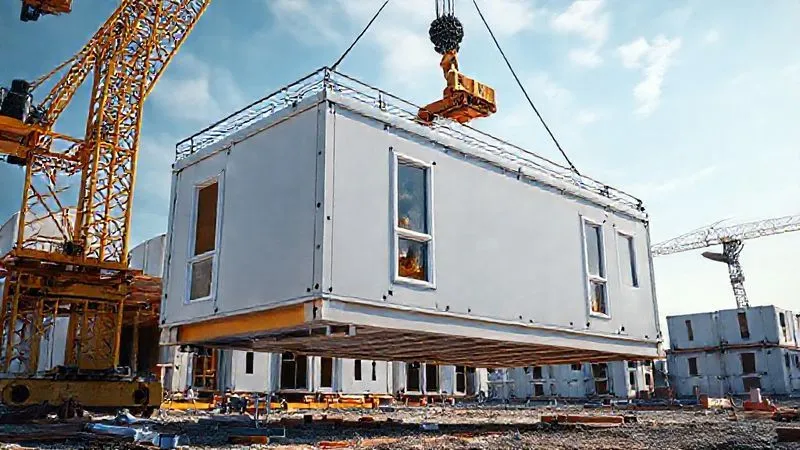
Modular construction, where components are built off-site in a controlled factory environment, offers significant advantages. It reduces on-site labor costs, minimizes waste, and crucially, allows for bulk purchasing of materials at fixed prices well in advance of on-site assembly. This approach isolates a significant portion of your material procurement from market volatility, offering greater cost certainty and faster project timelines.
Communication and Collaboration: Aligning All Stakeholders
In times of inflation, transparency and strong collaboration are paramount. Miscommunication can lead to distrust, delays, and further cost overruns. I've learned that open dialogue with all parties involved can often diffuse potential conflicts before they escalate.
Transparent Dialogue with Investors and Lenders
Keep your financial partners fully informed about potential cost increases and your strategies to mitigate them. Proactive communication, backed by data and revised projections, builds trust. They are more likely to support adjustments to your development plans if they feel they are part of the solution and understand the rationale.
Engaging Contractors Early and Often
Your general contractor and key subcontractors are on the front lines of material procurement. Engage them early in the planning process to leverage their market intelligence and supplier relationships. Discuss inflation risks openly during contract negotiations and explore mechanisms for shared risk and reward. A collaborative approach fosters a problem-solving mindset rather than an adversarial one.
| Stakeholder | Communication Frequency | Key Information Shared |
|---|---|---|
| Investors | Monthly/Quarterly | Cost projections, mitigation strategies, revised ROI |
| Lenders | Monthly/As needed | Budget updates, contingency usage, financing adjustments |
| General Contractor | Weekly/Daily | Material availability, price changes, alternative proposals |
| Architects/Engineers | Bi-weekly/As needed | Value engineering options, material specifications |
Monitoring and Adapting: The Iterative Process
Adjusting development plans to counter sudden material cost inflation trends is not a one-time fix; it's an ongoing, iterative process. The market is dynamic, and your strategy must be equally agile. What works today might need recalibration tomorrow.
Regular Market Intelligence Gathering
Establish a routine for monitoring economic indicators, commodity markets, and supplier forecasts. Subscribe to industry reports, set up alerts for key material prices, and maintain open lines of communication with your network. The more current your information, the faster and more effectively you can respond to emerging trends.
Flexibility in Project Timelines and Phasing
While delays are costly, sometimes a strategic pause or a re-phasing of your project can allow you to weather a temporary peak in material prices. If market intelligence suggests a short-term spike, delaying the procurement of specific materials for a few months might yield significant savings. This requires careful financial modeling to ensure the cost of delay doesn't outweigh the material savings.
Frequently Asked Questions (FAQ)
Question: How do I differentiate between a temporary material price fluctuation and a long-term inflationary trend? Differentiating requires looking beyond immediate headlines. Analyze multiple sources: commodity futures markets, central bank inflation outlooks, industry specific reports (e.g., from NAHB, RICS), and expert economic forecasts. Temporary spikes often correct within a quarter or two, while sustained inflationary trends are usually tied to broader economic policies, energy costs, and persistent supply chain issues. Your procurement team's daily intelligence is also vital for ground-level insights.
Question: What legal considerations should I be aware of when implementing escalation clauses in contracts? When drafting escalation clauses, ensure they are fair, clear, and tied to an objective, verifiable index that both parties agree upon. Specify the frequency of adjustments, the maximum percentage increase allowed, and the notification period required. It's crucial to have legal counsel review these clauses to ensure compliance with local contract law and to prevent disputes. Ambiguous clauses can lead to costly litigation.
Question: Can I pass on all material cost increases to the end-buyer in an inflationary market? While theoretically possible, practical market conditions often limit this. Your ability to pass on costs depends on market demand, competitor pricing, and buyer tolerance. In a strong seller's market, you might pass on more, but in a competitive environment, absorbing some costs or finding creative value-adds may be necessary to maintain sales velocity. Over-pricing can lead to stagnation, offsetting any material cost savings.
Question: What role do government policies play in mitigating or exacerbating material cost inflation for developers? Government policies can have a profound impact. Infrastructure spending can increase demand, driving up prices. Trade tariffs or restrictions on imported materials can directly inflate costs. Conversely, policies promoting domestic production, investing in supply chain resilience, or offering tax incentives for innovative, cost-effective materials can help mitigate inflation. Staying abreast of legislative changes at local, national, and international levels is crucial.
Question: How can small to mid-sized developers compete with larger firms for materials during inflationary periods? Smaller firms can leverage agility and strong local relationships. Focus on building deep, loyal relationships with local suppliers who might offer more flexible terms or preferential allocation during shortages. Explore joint purchasing agreements with other smaller developers to gain volume discounts. Emphasize value engineering and alternative materials more aggressively, as large firms might be slower to adapt their standardized designs. Niche market focus and speed of decision-making can also be competitive advantages.
Key Takeaways and Final Thoughts
- Proactive Planning is Non-Negotiable: Integrate risk assessment and scenario planning from day one.
- Strategic Procurement is Key: Focus on long-term relationships and explore hedging.
- Embrace Value Engineering: Innovate design to optimize costs without sacrificing quality.
- Leverage Technology: Use data for real-time insights and predictive capabilities.
- Build Financial Safeguards: Implement robust escalation clauses and healthy contingencies.
- Explore Alternatives: Be open to new materials and construction methods like modular building.
- Communicate Openly: Maintain transparent dialogue with all stakeholders.
- Stay Agile: Continuously monitor the market and adapt your strategies.
The real estate development landscape is perpetually evolving, and the challenge of material cost inflation is a testament to its dynamic nature. Rather than viewing these trends as insurmountable obstacles, I urge you to see them as catalysts for innovation and strategic refinement. By adopting these expert strategies on how to adjust development plans to counter sudden material cost inflation trends, you not only protect your investments but also position your projects for greater resilience and profitability in the long run. The developers who master this adaptability will be the ones who lead the industry forward.
Recommended Reading
- Employee Abroad Medical Emergency: 7 Crucial Steps for Employers
- 7 Proactive Strategies: Hedge Currency Risk in a Looming Global Recession
- Fix Wildly Inaccurate Startup Projections: 7 Expert Steps
- Facing Unexpected Senior LTC Costs? Your 6-Step Financial Shield
- 7 Proven Pathways: How Busy Professionals Build Truly Passive Income




Comments
Leave a comment below. Your email will not be published. Required fields marked with *