


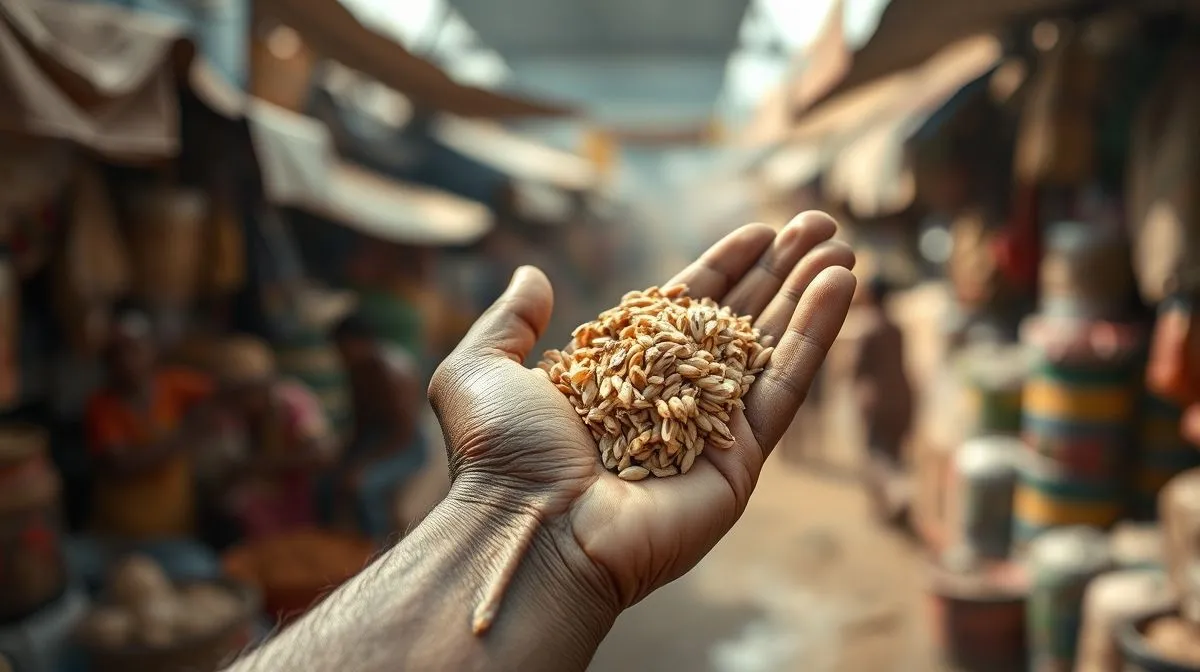
How Global Inflation Impacts Developing Countries: A Deep Dive
Imagine waking up one morning to find that the money in your pocket buys significantly less than it did yesterday. The staple foods you rely on have doubled in price, fuel costs are astronomical, and the prospect of a better future seems to slip further away. For millions in developing countries, this isn't a hypothetical scenario but a harsh, daily reality exacerbated by the relentless tide of global inflation.
While inflation affects economies worldwide, its repercussions are far from uniform. Developing nations, often characterized by fragile economic structures, high import dependencies, and limited fiscal buffers, find themselves disproportionately vulnerable. The question isn't just if they're affected, but rather, how does global inflation impact developing countries with such profound and often devastating consequences?
This comprehensive guide will unravel the intricate mechanisms through which global inflationary pressures ripple across the developing world. We will explore the specific vulnerabilities, the direct economic and social fallout, and the complex policy challenges faced by these nations, offering a definitive understanding of this critical global issue.
Understanding the Global Inflation Phenomenon
Before delving into the specific impacts, it's crucial to grasp the nature of global inflation itself. Inflation refers to the rate at which the general level of prices for goods and services is rising, and subsequently, purchasing power is falling.
What is Global Inflation?
Global inflation signifies a synchronized increase in price levels across a significant number of countries, rather than isolated instances in specific economies. This phenomenon is often driven by common international factors, making it a collective challenge.
Unlike localized inflation caused by domestic policies or supply shocks, global inflation suggests underlying systemic forces at play. These forces can originate from major economic blocs or interconnected supply chains that transmit price pressures across borders.
Drivers of Recent Inflationary Spikes
The recent surge in global inflation, particularly post-pandemic, has been multifaceted. Several key drivers have converged to create a challenging economic environment:
- Supply Chain Disruptions: Lockdowns, labor shortages, and geopolitical events severely hampered production and logistics, leading to scarcity and increased costs for everything from semiconductors to shipping containers.
- Energy Price Volatility: Fluctuations in global oil and gas prices, often triggered by geopolitical tensions or increased demand, directly impact transportation, manufacturing, and household energy bills worldwide.
- Commodity Price Surges: Prices of essential commodities like food grains, metals, and fertilizers soared due to supply constraints, adverse weather, and increased speculative activity.
- Fiscal Stimulus and Demand: Developed economies implemented massive fiscal stimulus packages during the pandemic, injecting significant liquidity into the global economy and boosting demand, which often outpaced supply.
- Monetary Policy: Years of ultra-low interest rates and quantitative easing in major economies contributed to a build-up of liquidity, setting the stage for inflationary pressures when demand rebounded.
The Unique Vulnerabilities of Developing Countries
While developed nations have tools and buffers to manage inflation, developing countries often face a far more precarious situation. Their structural characteristics amplify the negative effects of global price hikes.
Reliance on Imports
Many developing countries are heavily reliant on imports for essential goods. This includes:
- Food Staples: A significant number of low-income countries are net food importers, making their populations highly susceptible to global food price shocks.
- Energy: Most developing nations depend on imported oil and gas to power their industries, transportation, and homes. Rising global energy prices translate directly into higher domestic costs.
- Capital Goods and Raw Materials: Industrial development often requires imported machinery and raw materials, whose increased prices can cripple nascent manufacturing sectors.
This import dependency means that global inflation is often 'imported' directly into their economies, fueling domestic price increases regardless of internal economic conditions.
Weaker Currencies and Debt Burdens
When global inflation prompts major central banks (like the U.S. Federal Reserve) to raise interest rates, it strengthens their currencies (e.g., the U.S. dollar). This has a cascading effect on developing countries:
- Currency Depreciation: A stronger dollar makes imports more expensive in local currency terms, further fueling inflation within developing nations.
- Increased Debt Servicing Costs: Many developing countries hold significant portions of their public and private debt in foreign currencies, particularly U.S. dollars. A stronger dollar means more local currency is needed to repay these debts, straining national budgets and corporate balance sheets.
This dual pressure from currency depreciation and rising debt costs creates a vicious cycle, making it harder for these nations to manage their finances.
Limited Fiscal and Monetary Space
Developed economies have robust central banks and strong fiscal positions, allowing them to deploy a range of tools to combat inflation. Developing countries often lack this flexibility:
- Monetary Policy Constraints: Central banks in developing nations may hesitate to raise interest rates aggressively for fear of stifling economic growth, increasing debt burdens, or triggering capital flight.
- Fiscal Constraints: Limited tax revenues, high existing debt levels, and large informal sectors restrict governments' ability to provide subsidies or social safety nets to cushion the blow of inflation for their citizens.
Direct Economic Impacts on Developing Nations
The theoretical vulnerabilities translate into tangible, often painful, economic realities for developing countries. The impacts are widespread, affecting every segment of society.
Soaring Food and Energy Prices
This is perhaps the most immediate and devastating impact. For households in developing countries, a much larger proportion of income is spent on essential food and energy. When these prices rise:
- Reduced Purchasing Power: Families have less money for other necessities like healthcare, education, and transportation.
- Food Insecurity: Millions are pushed into hunger or extreme poverty, as staple foods become unaffordable. This can lead to malnutrition, especially among children.
- Business Closures: Small businesses, particularly those reliant on affordable energy or imported raw materials, face unsustainable operating costs, leading to closures and job losses.
The World Bank has repeatedly warned about the severe impact of rising food prices on the world's poorest, exacerbating existing food crises.
Increased Cost of Debt Servicing
As global interest rates rise and currencies depreciate, the cost of servicing foreign-denominated debt skyrockets. This applies to both sovereign debt (government loans) and private sector borrowings.
- Fiscal Strain: Governments are forced to allocate more of their limited budgets to debt repayments, diverting funds from crucial public services like health, education, and infrastructure development.
- Risk of Default: For highly indebted nations, the increased cost can push them to the brink of default, leading to economic instability and loss of investor confidence. According to the International Monetary Fund (IMF), many low-income countries are already at high risk of debt distress.
Capital Flight and Currency Depreciation
When global interest rates rise, investors tend to move their capital from riskier developing markets to safer, higher-yielding assets in developed economies. This 'capital flight' further weakens developing country currencies.
- Reduced Investment: Less foreign investment means fewer jobs and slower economic growth.
- Further Inflation: A depreciating currency makes imports even more expensive, creating a self-reinforcing inflationary spiral.
Erosion of Savings and Purchasing Power
For individuals, inflation acts as a hidden tax, eroding the value of their savings and wages. Those with fixed incomes or limited access to financial services are hit hardest. The purchasing power of their hard-earned money diminishes rapidly, making it difficult to maintain even basic living standards.
Social and Human Consequences
Beyond the direct economic impacts, global inflation has profound social and human costs in developing countries, often reversing years of progress in poverty reduction and human development.
Rising Poverty and Inequality
Inflation disproportionately affects the poor, who spend a larger share of their income on necessities. It pushes vulnerable households below the poverty line and widens the gap between the rich and the poor. The informal sector, which employs a large percentage of the population in many developing countries, offers little protection against rising costs.
Health and Education Setbacks
When household budgets are stretched, families often make difficult choices. This can mean:
- Skipping meals or opting for less nutritious food, leading to increased malnutrition and health problems.
- Withdrawing children from school to save on fees, uniforms, or transport, or to send them to work, jeopardizing their future prospects.
- Reduced access to essential healthcare services due to rising costs or reallocation of public funds.
Potential for Social Unrest
History shows that sustained periods of high inflation, particularly when coupled with food and energy price spikes, can lead to widespread public discontent, protests, and even political instability. When basic needs become unaffordable, social cohesion can quickly erode.
Policy Responses and Mitigation Strategies
Governments in developing countries are not powerless, but their policy options are often constrained. Effective responses require a delicate balance and, frequently, international support.
Monetary Policy Adjustments
Central banks may raise interest rates to cool down inflation. However, this is a double-edged sword:
- Pros: Can help stabilize the currency and curb demand-side inflation.
- Cons: Can stifle economic growth, increase borrowing costs for businesses and governments, and potentially lead to job losses.
Many central banks in developing economies have had to walk a tightrope, balancing inflation control with economic stability.
Fiscal Measures and Social Safety Nets
Governments can implement targeted fiscal policies to protect vulnerable populations:
- Targeted Subsidies: Providing subsidies on essential food items or fuel to low-income households.
- Cash Transfers: Direct financial assistance to the poorest families to help them cope with rising costs.
- Tax Adjustments: Reducing taxes on essential goods or increasing taxes on luxury items.
These measures, however, are often limited by budget constraints and the informal nature of many developing economies.
International Cooperation and Support
Global challenges require global solutions. International financial institutions like the World Bank and the IMF play a crucial role in providing:
- Financial Assistance: Loans and grants to help countries manage their debt and stabilize their economies.
- Policy Advice: Technical assistance and guidance on macroeconomic management and structural reforms.
- Debt Relief: Negotiating debt restructuring or relief for highly indebted nations to free up resources.
The United Nations (UN) also emphasizes the importance of global partnerships to achieve sustainable development goals, which are directly threatened by inflation.
Structural Reforms for Resilience
Long-term resilience against global shocks requires deeper structural changes:
- Diversifying Economies: Reducing reliance on a few commodity exports and developing a more diversified industrial base.
- Strengthening Domestic Food Production: Investing in agriculture to reduce dependence on food imports.
- Improving Energy Efficiency and Renewables: Decreasing reliance on volatile fossil fuel imports.
- Building Fiscal Buffers: Prudent fiscal management during good times to create reserves for crises.
Case Studies: Real-World Examples
The theoretical impacts of global inflation are vividly illustrated by recent events in various developing nations.
Sri Lanka: The island nation experienced a severe economic crisis, partly fueled by global energy and food price hikes, which exacerbated existing vulnerabilities like high debt and dwindling foreign reserves. This led to widespread shortages, hyperinflation, and social unrest.
Pakistan: Grappling with a severe balance of payments crisis, Pakistan has seen its currency plummet and inflation soar, driven by global commodity prices and a tightening of international financial conditions. The rising cost of living has put immense pressure on ordinary citizens.
Sub-Saharan Africa: Many countries in this region, heavily reliant on food and fuel imports, have faced significant challenges. Nations like Ghana and Nigeria have seen their currencies weaken considerably, pushing inflation into double digits and exacerbating poverty.
These examples underscore the varied but consistently severe ways in which global inflation impacts developing countries, often pushing them to the brink of crisis.
The Long-Term Outlook: Building Resilience
While the immediate challenges are daunting, the long-term imperative for developing countries is to build greater resilience against future global shocks. This involves a multi-pronged approach that goes beyond short-term fixes.
Diversifying Economies
Over-reliance on a narrow range of exports, especially volatile commodities, leaves economies vulnerable. Promoting diversification into manufacturing, services, and technology can create more stable revenue streams and reduce exposure to commodity price swings. This requires strategic industrial policies, investment in infrastructure, and fostering an environment conducive to innovation.
Strengthening Institutions
Robust and independent institutions, particularly central banks and fiscal authorities, are crucial for effective macroeconomic management. Good governance, transparency, and the rule of law attract sustainable investment and ensure that policy responses are sound and effectively implemented. Combating corruption also frees up resources that can be used for development and social safety nets.
Investing in Human Capital
Ultimately, a country's greatest asset is its people. Investing in education, healthcare, and skills development creates a more productive and adaptable workforce. A healthier, better-educated population is more resilient to economic shocks, more innovative, and better equipped to participate in a diversified economy. This long-term investment is fundamental to breaking cycles of poverty and vulnerability.
Frequently Asked Questions (FAQ)
Why do developing countries suffer more from global inflation? Developing countries suffer more due to higher reliance on imported food and energy, weaker currencies, limited fiscal space for subsidies, and higher debt burdens, making them less resilient to external price shocks.
What is 'imported inflation'? Imported inflation occurs when the prices of goods and services purchased from other countries increase, directly contributing to domestic inflation. This is common in developing nations heavily dependent on imports.
How does currency devaluation relate to inflation? When a country's currency devalues, it means foreign goods and services become more expensive in local currency terms. This directly increases the cost of imports, fueling inflation within the country.
Can international organizations help developing countries? Yes, international organizations like the IMF, World Bank, and UN provide financial assistance, policy advice, and debt relief to help developing countries manage economic crises and build long-term resilience against inflation.
What role do commodity prices play? Commodity prices, especially for food and energy, play a significant role as many developing countries are net importers of these essentials. Surges in global commodity prices directly translate into higher domestic costs and inflationary pressures.
Recommended Reading
- Should You Use a Personal Loan for Medical Debt? The Ultimate Guide
- Secure Your Future: Building an Emergency Fund for Unexpected Crises
- Emergency Fund: How Liquid Should It Be for Peace of Mind?
- Budgeting Basics: Common Budget Categories for Young Adults
- Fix Credit Report Errors Myself? The Ultimate Guide
Conclusion
The question of how does global inflation impact developing countries reveals a complex web of economic vulnerabilities, social hardships, and policy dilemmas. While global inflation is a universal challenge, its effects are profoundly asymmetrical, disproportionately burdening the world's most fragile economies and their most vulnerable populations. Understanding these mechanisms is the first step towards crafting effective, empathetic, and sustainable solutions.
As the global economy continues to navigate uncertainties, fostering international cooperation, implementing prudent domestic policies, and investing in long-term resilience will be paramount for developing nations. The path forward demands not just crisis management but a fundamental shift towards building stronger, more diversified, and equitable economies that can withstand the inevitable shocks of a interconnected world, ensuring a more stable and prosperous future for all.





Comments
Leave a comment below. Your email will not be published. Required fields marked with *