



How Can Busy Professionals Prevent Missing Critical Tax Deductions?
For over 15 years in personal finance, specializing in the unique challenges faced by high-achieving individuals, I've witnessed a recurring and disheartening scenario: brilliant, dedicated professionals leaving thousands of dollars on the table each tax season. It's not due to a lack of financial acumen, but rather a direct consequence of their demanding schedules and the sheer complexity of modern tax codes. The irony is, the very drive that propels their careers often leaves little bandwidth for the meticulous record-keeping required to maximize their tax savings.
The problem isn't just about forgetting a single receipt; it's about a systemic lack of an integrated, proactive approach to expense tracking that aligns with a busy lifestyle. You're juggling client meetings, project deadlines, and personal commitments, and the last thing you want to think about is categorizing that coffee meeting or mileage log. This oversight, however, translates directly into overpaying taxes – money that could otherwise be invested, saved, or used to improve your quality of life.
In this definitive guide, I'll share expert strategies, actionable frameworks, and real-world insights designed specifically for busy professionals. My goal is to equip you with the knowledge and systems to not only prevent missing critical tax deductions but to transform your approach to financial management, ensuring every legitimate deduction is captured, every dollar saved, and your financial future secured. Let's reclaim those dollars together.
The Silent Drain: Why Deductions Slip Through the Cracks
I've seen it countless times: a professional at the peak of their career, earning a substantial income, yet struggling to articulate their deductible expenses. The primary culprit is often a combination of chronic time scarcity, the perceived tediousness of record-keeping, and a general lack of understanding regarding what truly qualifies as a deductible expense. The sheer volume of transactions in a busy professional's life can feel overwhelming, making the prospect of sifting through bank statements at year-end a daunting, often abandoned, task.
Another significant factor is the evolving nature of work. Many professionals now operate with a blend of traditional employment, freelance projects, and side hustles, blurring the lines between personal and business expenses. Without a clear, systematic approach, these intertwined financial streams become a tangled mess, making it incredibly difficult to isolate and properly categorize deductible items. This complexity often leads to an understandable, but costly, paralysis.
"The cost of inaction in tax planning far outweighs the effort of proactive organization. Every missed deduction is a direct contribution to the government that could have been yours."
Furthermore, the tax landscape itself is not static. Tax laws change, interpretations evolve, and what was deductible last year might not be this year, or vice versa. Keeping abreast of these changes requires time and expertise that many busy professionals simply don't have. This knowledge gap, combined with poor record-keeping, creates the perfect storm for overlooked savings. It's a silent drain on your financial resources, eroding wealth one missed deduction at a time.

Foundation First: The Power of Proactive Record-Keeping
The cornerstone of preventing missed tax deductions is establishing a robust, proactive record-keeping system. This isn't about scrambling at tax time; it's about building habits and utilizing tools that seamlessly integrate into your daily life. Think of it as building a financial fortress, brick by brick, throughout the year.
Automate Everything Possible
In today's digital age, manual entry should be the exception, not the rule. Automation is your best friend when you're short on time.
- Expense Tracking Apps: Utilize apps like Expensify, Mint, or QuickBooks Self-Employed that link directly to your bank accounts and credit cards, automatically categorizing transactions. Many also allow you to snap photos of receipts, digitizing them instantly.
- Mileage Trackers: For professionals who travel for work, apps like MileIQ can automatically track your drives, classifying them as business or personal with a simple swipe. This is invaluable for vehicle-related deductions.
- Subscription Services: Set up recurring business expenses (software, professional memberships) to be paid from a dedicated business account for easy identification.
Here’s how to get started with automation:
- Choose Your Tools: Research and select 1-2 primary expense tracking apps that best fit your workflow and existing financial institutions.
- Link Accounts: Connect all relevant bank accounts and credit cards to your chosen tracking software.
- Set Up Rules: Configure automatic categorization rules within the app for recurring transactions (e.g., "Starbucks on Tuesdays = Client Meeting Expense").
- Regular Review: Dedicate 15-30 minutes weekly to review uncategorized transactions and verify automated ones. This prevents a massive backlog.
Digital vs. Physical: A Hybrid Approach
While I advocate heavily for digital record-keeping, a purely digital system can sometimes feel less secure or harder to audit. A hybrid approach offers the best of both worlds.
- Digital Dominance: All receipts should ideally be scanned and stored digitally. Cloud storage (Google Drive, Dropbox, Evernote) with clear folder structures (e.g., "2023 Tax Docs/Business Expenses/Client Meals") is essential.
- Physical Backup (Selective): For extremely critical documents (e.g., property deeds, major investment statements), a secure physical file is still prudent. However, for daily expenses, the digital copy should suffice, especially if you have multiple backups.
According to a study by the IRS, taxpayers are required to keep records that support items shown on their tax returns for at least three years from the date you filed your original return or two years from the date you paid the tax, whichever is later.
| Record-Keeping Method | Pros | Cons | Best For |
|---|---|---|---|
| Digital Only | Searchable, accessible anywhere, eco-friendly | Reliance on technology, potential for data loss if not backed up | Daily expenses, travel receipts |
| Physical Only | Tangible, no tech reliance | Bulky, easily lost/damaged, not searchable | Very few, highly critical original documents |
| Hybrid (Recommended) | Combines accessibility with security, redundant backups | Requires discipline for both systems | All professionals seeking comprehensive coverage |
Demystifying Deductible Expenses: What You Can Actually Claim
One of the biggest hurdles for busy professionals is simply knowing what's deductible. Many err on the side of caution and miss out, fearing an audit. Let me demystify some common categories.
Home Office Deductions: Navigating the Rules
If you use a portion of your home exclusively and regularly for business, you might qualify for a home office deduction. This applies whether you're self-employed or, in some specific cases, an employee. The key is exclusive and regular use.
- Exclusive Use: The area must be used solely for business. A guest bedroom that doubles as an office doesn't count.
- Regular Use: It must be used on an ongoing basis, not just occasionally.
- Principal Place of Business: It must be your primary place of business, or where you regularly meet clients, or store inventory.
You can choose between the simplified option ($5 per square foot, up to 300 sq ft) or the regular method (actual expenses like utilities, rent, depreciation). The regular method requires more detailed record-keeping but can yield a larger deduction.
Professional Development & Education
Investing in yourself is often deductible. Expenses related to maintaining or improving skills needed in your current trade or business are generally fair game.
- Continuing Education: Courses, seminars, and workshops that enhance your professional capabilities.
- Professional Memberships: Dues for professional organizations relevant to your career.
- Trade Publications: Subscriptions to journals, magazines, and online resources specific to your industry.
Be careful: expenses for education that qualifies you for a new trade or business are generally not deductible.
Travel, Meals, and Entertainment (The Nuances)
These categories are often misunderstood and can lead to significant deductions if documented correctly.
- Business Travel: Airfare, lodging, and transportation costs for business trips away from your tax home are 100% deductible.
- Business Meals: Generally 50% deductible if the meal is not lavish or extravagant, and the taxpayer (or an employee of the taxpayer) is present, and the food/beverages are provided to a business contact (or potential business contact) in a business setting.
- Entertainment: As of 2018, most entertainment expenses are no longer deductible. However, related meals (e.g., taking a client to dinner before a show) may still be 50% deductible under the meal rules.
"Many professionals mistakenly believe entertainment is entirely off-limits. While direct entertainment costs are out, the associated business meal often remains a valid 50% deduction. Documentation is paramount here."
Always keep detailed records for these expenses: who, what, when, where, and why (the business purpose).
Strategic Tracking: Tools and Techniques for the Modern Professional
Beyond simply knowing what to deduct, the 'how' of tracking is crucial for busy professionals. It needs to be efficient, accurate, and integrate seamlessly into your existing routines.
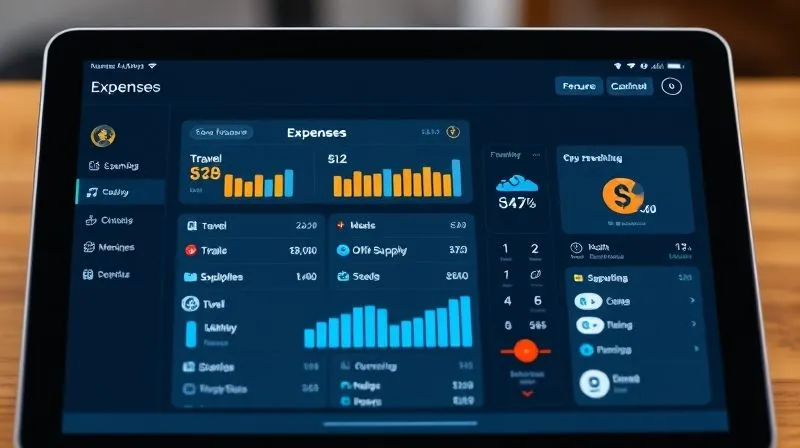
Leveraging Expense Tracking Software
I cannot overstate the importance of dedicated expense tracking software. These tools are designed to minimize manual effort and maximize accuracy.
- QuickBooks Self-Employed: Excellent for freelancers and small business owners, offering income/expense tracking, mileage tracking, and quarterly tax estimates.
- Expensify: Known for its 'SmartScan' receipt capture and robust reporting features, ideal for those with numerous receipts.
- Mint: More of a personal finance aggregator, but can be used to track and categorize expenses across multiple accounts, offering a holistic view.
When selecting a tool, consider:
- Integration: Does it connect with your bank accounts, credit cards, and other financial tools?
- Ease of Use: Is the interface intuitive? Can you quickly categorize expenses on the go?
- Reporting: Does it generate clear, exportable reports suitable for tax preparation?
- Receipt Capture: Does it have a reliable mobile app for scanning and storing receipts?
- Cost: Does the subscription fee fit your budget and offer sufficient value?
Once you've chosen, commit to using it consistently. The real power of these tools comes from continuous input, not sporadic bursts of activity.
Dedicated Bank Accounts & Credit Cards
This is a simple yet profoundly effective strategy for separating business and personal finances. It eliminates ambiguity and simplifies tracking dramatically.
- Business Checking Account: Open a separate checking account solely for business income and expenses.
- Business Credit Card: Use a dedicated credit card for all business-related purchases. This creates a clear, auditable trail.
By keeping these financial streams separate, you instantly reduce the headache of sifting through personal transactions to find business ones. When your bank statement arrives, every transaction on your business account/card is, by definition, a business expense.
The Monthly Review Ritual: Your Deduction Safeguard
Even with the best tools, a lack of regular review is where many professionals falter. I've consistently advised my clients to adopt a 'Monthly Review Ritual' – a non-negotiable appointment with their finances.
Scheduling Dedicated Time
Treat this like any other important business meeting. Block out 30-60 minutes in your calendar once a month. Make it a routine – perhaps the first Monday morning, or the last Friday afternoon. Consistency is key here.
During this time, you should:
- Review Transactions: Go through all business bank and credit card statements.
- Categorize Unassigned Expenses: Use your expense tracking software to categorize any transactions that automation missed.
- Attach Receipts: Ensure all expenses have corresponding digital receipts attached.
- Reconcile Accounts: Compare your software's records with your bank statements to catch any discrepancies.
- Update Mileage Logs: If not fully automated, review and update your mileage for the month.
Categorization and Reconciliation
This is where the magic happens. Proper categorization ensures you're applying expenses to the correct deduction categories, and reconciliation catches errors or missing items.
- Be Specific: Instead of 'Office Supplies,' use 'Printer Ink' or 'Ergonomic Keyboard.'
- Understand Categories: Familiarize yourself with common IRS categories (e.g., Travel, Meals, Professional Fees, Advertising).
- Flag Uncertainties: If you're unsure about a deduction, flag it for your tax professional. It's better to ask than to guess and miss out.
Mini Case Study: Sarah's Seamless System
Case Study: How Sarah, a Consulting Executive, Maximized Her Deductions
Sarah, a highly sought-after management consultant, used to dread tax season. Her expenses were a chaotic mix of client dinners, software subscriptions, and conference travel, all paid from a single personal credit card. She estimated she was missing 20-30% of her legitimate deductions due to disorganization. By implementing the monthly review ritual I described above, alongside dedicated business accounts, she transformed her approach. Each month, she'd spend 45 minutes on a Sunday morning reviewing Expensify, categorizing new transactions, and digitally attaching receipts. This resulted in a 15% increase in her total deductible expenses in the first year alone, translating to thousands of dollars in tax savings. More importantly, her stress around tax time vanished, allowing her to focus on her high-value work.
Professional Guidance: When to Call in the Experts
While these strategies empower you, there comes a point where professional expertise is invaluable. As a veteran in this space, I strongly advocate for building a relationship with a qualified tax professional.
The Value of a CPA/Tax Advisor
A Certified Public Accountant (CPA) or an Enrolled Agent (EA) is more than just someone who files your taxes. They are strategic partners who can offer personalized advice, navigate complex tax codes, and ensure compliance while maximizing your savings.
- Complex Scenarios: If you have multiple income streams, investments, real estate, or international income, their expertise is critical.
- Tax Law Changes: They stay updated on the latest tax laws and can advise you on how changes impact your deductions.
- Audit Support: In the rare event of an audit, having a professional who understands your financial picture can be a significant advantage.
- Proactive Planning: A good advisor will help you with year-round tax planning, not just year-end filing.
According to Forbes Advisor, CPAs undergo rigorous education and examination, making them highly qualified to handle complex financial situations.
Building a Relationship with Your Advisor
Don't just hand over a shoebox of receipts once a year. Engage your tax advisor proactively.
- Regular Check-ins: Schedule a brief consultation mid-year to discuss any significant financial changes or potential new deductions.
- Provide Clean Data: Present them with well-organized, categorized data from your tracking software. This saves them time and saves you money on their fees.
- Ask Questions: Don't hesitate to clarify anything you don't understand about your deductions or tax situation.
Beyond the Basics: Advanced Strategies for Maximizing Savings
Once you've mastered the fundamentals of expense tracking, there are additional avenues busy professionals can explore to further reduce their taxable income.
Retirement Contributions & Health Savings Accounts (HSAs)
These are powerful vehicles for both saving for the future and reducing your current tax burden.
- 401(k) / 403(b): Maxing out pre-tax contributions to employer-sponsored plans significantly lowers your taxable income.
- Traditional IRA: Contributions may be tax-deductible depending on your income and whether you're covered by an employer's retirement plan.
- SEP IRA / Solo 401(k): If you're self-employed, these options allow for much higher deductible contributions than a traditional IRA.
- Health Savings Accounts (HSAs): If you have a high-deductible health plan, HSAs offer a triple tax advantage: contributions are tax-deductible, earnings grow tax-free, and withdrawals for qualified medical expenses are tax-free.
These deductions often represent the largest single reduction in taxable income for many professionals.
Investment-Related Expenses
Certain expenses related to managing your investments can also be deductible, though rules vary.
- Investment Interest Expense: You can deduct investment interest expense up to your net investment income.
- Financial Advisor Fees: While previously deductible as miscellaneous itemized deductions, these are generally not deductible for tax years 2018 through 2025 due to the Tax Cuts and Jobs Act (TCJA). Always confirm current rules with your CPA.
Charitable Contributions: Documenting Generosity
Your generosity can also lead to tax savings. Keep meticulous records for all charitable giving.
- Cash Contributions: Keep bank records or written acknowledgments from the charity for contributions of any amount.
- Non-Cash Contributions: For donations of property (e.g., clothes, household goods), get a written acknowledgment and estimate fair market value. For items over $5,000, an appraisal may be required.
- Volunteer Expenses: While you can't deduct the value of your time, expenses incurred while volunteering (e.g., mileage to a charity event, cost of materials) can be deductible.
For more detailed insights on charitable giving and tax benefits, refer to Fidelity Charitable's guide.
Frequently Asked Questions (FAQ)
Can I claim a home office deduction if I rent my apartment? Yes, absolutely. The home office deduction isn't limited to homeowners. If you rent, you can still deduct a portion of your rent, utilities, and other related expenses, provided your home office meets the exclusive and regular use criteria set by the IRS. You'd calculate the percentage of your home used for business and apply it to these expenses.
Can I deduct my daily commute to my primary workplace? Generally, no. The IRS considers your daily commute between your home and your main workplace as a non-deductible personal expense, regardless of the distance. However, if you travel from your main workplace to a temporary work location (like a client site), or if you have a qualifying home office and travel from there to another business location, those miles can be deductible.
How long should I keep my tax records and receipts? The IRS generally recommends keeping records for three years from the date you filed your original return or two years from the date you paid the tax, whichever is later. However, for certain situations, like reporting worthless securities or bad debt deductions, you might need to keep records for seven years. For property records, keep them until the period of limitations expires for the year you dispose of the property. When in doubt, it's safer to err on the side of keeping records longer, especially digitally.
What if I don't have a physical receipt for a business expense? While physical receipts are ideal, the IRS understands that they aren't always available. For expenses under $75, a detailed credit card statement entry might suffice if it clearly shows the vendor, amount, and date, along with a written note of the business purpose. For larger expenses, or for meals and entertainment, you generally need more robust documentation like a bank statement combined with a calendar entry, email confirmation, or a detailed log. Digital receipts and photos are highly recommended to avoid this issue.
Can I claim professional attire as a tax deduction? Generally, no. The IRS states that clothing is deductible only if it's required for your work and not suitable for everyday wear. This means uniforms (like a doctor's scrubs or a firefighter's gear) are deductible, but a business suit, even if exclusively worn for work, is not, because it's adaptable for general use. The exception would be specific protective gear or costumes.
Key Takeaways and Final Thoughts
Preventing missed critical tax deductions isn't just about avoiding penalties; it's about optimizing your financial life and retaining more of your hard-earned money. As an experienced industry specialist, I've seen the transformative power of a disciplined approach, especially for busy professionals who often feel stretched thin. The strategies we've discussed are not just theoretical; they are practical, proven methods that, when implemented consistently, yield tangible results.
- Automate & Digitize: Embrace technology to streamline expense tracking and receipt management, reducing manual effort.
- Separate Finances: Use dedicated bank accounts and credit cards for business expenses to create clear audit trails.
- Understand Deductions: Educate yourself on common deductible categories like home office, professional development, and travel/meals.
- Implement a Monthly Review: Dedicate consistent time to categorize, reconcile, and verify your expenses throughout the year.
- Seek Expert Guidance: Partner with a qualified CPA or tax advisor for complex situations and proactive tax planning.
- Explore Advanced Strategies: Leverage retirement contributions, HSAs, and charitable giving for further tax savings.
Your time is your most valuable asset. By investing a small amount of it in setting up and maintaining these systems, you'll save countless hours of stress and potentially thousands of dollars in taxes. Don't let your busy schedule be a barrier to financial optimization. Take control, implement these strategies, and watch your financial health flourish. The money you save today is an investment in your future.
Recommended Reading
- Evicting a Non-Paying Tenant: 7 Legal Steps to Protect Your Rental Income
- Unlock the Future: How Private Banks Master Generational Wealth Transfer
- Verify Fair Trade Impact: A 7-Point Investor's Checklist for Genuine Portfolios
- Unlock the Secrets: Staying Motivated While Paying Off Large Debts
- Unlock Your Rights: How to Appeal a Financial Ombudsman Decision Successfully





Comments
Leave a comment below. Your email will not be published. Required fields marked with *