



How to Legally Evict a Non-Paying Tenant Without Financial Loss?
For over two decades in the real estate industry, I've witnessed firsthand the profound stress and significant financial strain that a non-paying tenant can inflict upon property owners. It's a common, yet deeply frustrating, scenario that can quickly erode your investment and peace of mind.
The problem extends beyond just missed rent; it often involves property damage, legal fees, and the emotional toll of dealing with a difficult situation. Many landlords, understandably, feel trapped, unsure how to proceed without digging themselves into an even deeper financial hole.
In this comprehensive guide, I will share the strategies, legal frameworks, and practical steps I've advised countless clients on to navigate the complex process of how to legally evict a non-paying tenant without financial loss. You'll gain expert insights, actionable frameworks, and the confidence to protect your valuable real estate assets.
Understanding the Core Problem: Why Tenants Stop Paying
Before diving into solutions, it's crucial to understand the underlying reasons why tenants might stop paying rent. While some cases involve deliberate evasion, many stem from unforeseen life events: job loss, medical emergencies, or family crises. Empathy, even in a business context, can sometimes open doors to communication that prevents a lengthy legal battle.
However, understanding the 'why' doesn't negate your right to receive rent or reclaim your property. The goal is to act decisively and legally, protecting your financial interests while adhering to all applicable landlord-tenant laws. Ignoring the issue, hoping it resolves itself, is a common and costly mistake I've seen far too often.
The Impact of Non-Payment on Your Investment
Unpaid rent directly impacts your cash flow, ability to cover mortgage payments, property taxes, and maintenance. Prolonged non-payment can lead to significant financial distress, potentially jeopardizing your entire investment portfolio. This is precisely why a proactive, legally sound approach is paramount.
The Critical First Steps: Communication & Documentation
The moment rent becomes overdue, your first action should be to attempt communication. A simple, polite reminder might be enough. However, regardless of the outcome of this initial outreach, meticulous documentation becomes your most powerful asset in any potential legal proceeding.
Every interaction, every missed payment, and every communication attempt must be logged. This includes dates, times, methods of communication (email, text, phone call), and a summary of the conversation. These records will form the backbone of your case should eviction become necessary.
Establishing a Clear Communication Protocol
- Send a Gentle Reminder: A day or two after rent is due, a friendly email or text can serve as a reminder.
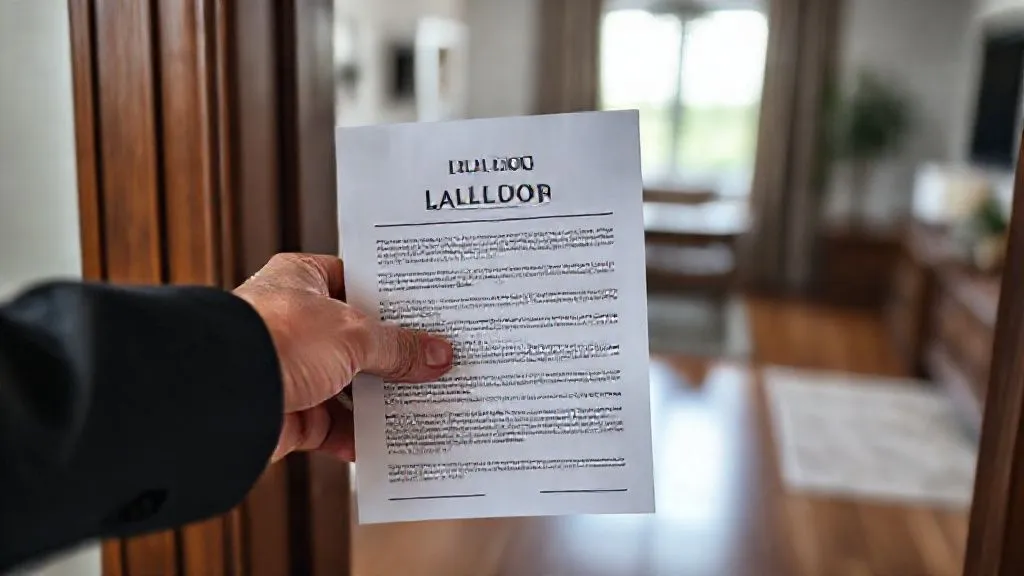
- Follow Up with a Formal Notice: If rent isn't paid within the grace period (if any), send a formal 'Pay or Quit' or 'Notice to Pay Rent or Vacate' notice. This is often the first legally required step.
- Document All Attempts: Keep a detailed log. Note who you spoke with, what was discussed, and any promises made (or not kept).
- Avoid Harassment: While firm, ensure your communication remains professional and respectful. Harassment can invalidate your eviction case.
“In real estate, documentation isn't just a best practice; it's your legal shield and sword. Every detail matters when protecting your assets.”
Serving the Right Notice: Your Legal Foundation
This is arguably the most crucial early step in how to legally evict a non-paying tenant without financial loss. The type of notice, how it's served, and the timeframes involved are strictly governed by state and local laws. A single procedural error here can lead to significant delays and additional costs.
Most jurisdictions require a 'Notice to Pay Rent or Quit' (also known as a '3-Day Notice,' '5-Day Notice,' or similar, depending on the state). This notice formally demands payment of overdue rent within a specific timeframe or requires the tenant to vacate the property.
Types of Notices and Proper Service
The exact type of notice varies. Some states allow for a 'Notice of Non-Payment of Rent' which solely demands payment, while others combine it with a 'Notice to Quit.' It's imperative to use the correct form for your jurisdiction.
- Notice to Pay Rent or Quit: Informs the tenant they must pay overdue rent by a certain date or move out.
- Notice to Cure or Quit: For lease violations other than non-payment (e.g., unauthorized pets).
- Unconditional Quit Notice: Used for severe lease violations where the tenant cannot remedy the situation (e.g., illegal activity).
Proper service methods are equally vital. Common methods include personal service, substituted service (leaving it with someone else at the property and mailing a copy), or posting and mailing. Always verify your local requirements. For detailed information on state-specific laws, I highly recommend consulting official state housing authority websites or reputable legal resources like Nolo's Landlord-Tenant Law section.
Case Study: The Procedural Pitfall
Case Study: How Sarah's Eviction Was Delayed by a Technicality
Sarah, a new landlord, sent her tenant a demand for overdue rent via email after the tenant failed to pay. When the tenant didn't respond, she filed for eviction. However, her state law explicitly required notices to be served via certified mail or personal delivery. Because her initial notice wasn't properly served, the court dismissed her eviction filing. This single procedural error cost Sarah an additional two months of unpaid rent, new filing fees, and the stress of restarting the entire process from square one. It highlights the absolute necessity of adhering to legal requirements meticulously.
Navigating the Court System: The Eviction Lawsuit
If the tenant fails to pay or vacate after the notice period expires, your next step is to file an eviction lawsuit (often called an Unlawful Detainer action). This is where the legal process truly begins, and it requires precision and a thorough understanding of court procedures.
The lawsuit is filed in the appropriate court (small claims, district, or housing court, depending on your jurisdiction). You'll typically need to provide copies of the lease agreement, the non-payment notice, and your detailed documentation of communication attempts and missed payments. This is where your diligent record-keeping pays off immensely.
The Court Hearing and Judgment
Both you and the tenant will have an opportunity to present your cases. As the landlord, you must demonstrate:
- A valid lease agreement exists.
- The tenant failed to pay rent as agreed.
- Proper notice was served.
- The notice period has expired.
The tenant may present defenses, such as claims of uninhabitable living conditions, improper notice, or retaliation. A well-prepared landlord with robust documentation is significantly more likely to succeed. If the court rules in your favor, they will issue a judgment for possession of the property and, often, a monetary judgment for the unpaid rent and potentially damages.
According to data from the National Association of Realtors, properly executed eviction filings significantly reduce the time and cost associated with tenant disputes, reinforcing the importance of legal accuracy from the outset.
Enforcement and Tenant Removal: Working with Law Enforcement
Even with a court order, you cannot physically remove a tenant yourself. This is illegal and can lead to severe penalties. The enforcement of an eviction judgment must be carried out by authorized law enforcement officials, typically the sheriff or marshal's department.
After receiving a judgment for possession, you will need to obtain a 'Writ of Possession' (or similar document) from the court. This writ is then delivered to the sheriff's department, who will schedule a date to serve the writ on the tenant and, if necessary, physically remove them from the property. They will also oversee the return of possession to you, the landlord.
Steps for Lawful Tenant Removal
- Obtain the Writ of Possession: This is the official court order authorizing the tenant's removal.
- Deliver to Sheriff/Marshal: File the writ with the appropriate law enforcement agency.
- Sheriff's Notice to Vacate: The sheriff will typically post a final notice on the property, giving the tenant a few more days (e.g., 24-72 hours) to vacate voluntarily.
- Scheduled Lock-Out: On the appointed day, the sheriff will oversee the removal of the tenant and their belongings, if they have not yet left.
“Patience and adherence to due process are not weaknesses; they are the hallmarks of a smart, legally compliant landlord. Never take matters into your own hands.”
Mitigating Financial Losses: Recovering Arrears and Damages
The goal of how to legally evict a non-paying tenant without financial loss extends beyond just regaining possession. It also includes recouping your lost income and any damages. Your security deposit is the first line of defense, but it may not cover all losses.
When the court issues a judgment for possession, it often includes a monetary judgment for unpaid rent, late fees, and sometimes even legal costs. While obtaining this judgment is one thing, collecting on it is another. However, having a judgment allows you to pursue various collection methods.
Strategies for Financial Recovery
- Security Deposit Application: Always apply the security deposit first to unpaid rent and documented property damage beyond normal wear and tear. Be sure to follow state laws regarding security deposit return timelines and itemized deductions.
- Small Claims Court: If the monetary judgment is within the limits, small claims court can be an effective avenue for collection.
- Wage Garnishment/Bank Levy: With a court judgment, you may be able to garnish wages or levy bank accounts, though this requires knowledge of the tenant's employment or banking information.
- Liens: In some cases, you can place a lien on the tenant's property (e.g., vehicles, future real estate) to secure the debt.
- Professional Collection Agencies: For larger debts, consider engaging a collection agency. While they take a percentage, they specialize in debt recovery.
For further insights into debt collection and recovery strategies, I recommend exploring resources from reputable financial publications like Forbes Advisor's Debt Collection section.
Preventative Measures: Screening & Lease Agreements
The best way to avoid the headache of how to legally evict a non-paying tenant without financial loss is to prevent it from happening in the first place. This starts with a robust tenant screening process and a meticulously drafted lease agreement.
A comprehensive tenant screening process should include background checks, credit checks, employment verification, and previous landlord references. Don't skip any steps; a thorough screening can reveal red flags that save you thousands in the long run.
Key Elements of a Strong Lease Agreement
Your lease agreement is your contract and your protection. It should clearly define:
- Rent Amount & Due Date: Unambiguous terms for payment.
- Late Fees: Clearly stated penalties for overdue rent.
- Grace Period: If applicable, the exact duration.
- Security Deposit Terms: How it's held, what it covers, and conditions for return.
- Maintenance Responsibilities: Clear delineation of landlord vs. tenant duties.
- Default Clauses: What constitutes a breach of lease and the consequences.
- Right of Entry: Conditions under which the landlord can enter the property.
- Applicable Laws: A statement that the lease adheres to local and state landlord-tenant laws.
Consulting legal counsel to draft or review your lease agreement is a wise investment. As a general rule, a well-structured lease can significantly reduce future disputes and protect your interests, as outlined by expert legal opinions found on sites like Cornell Law School's Legal Information Institute.
Strategic Considerations for Difficult Cases
Some eviction cases are more challenging. Tenants might intentionally damage property, falsely claim issues, or attempt to delay proceedings. In these situations, your resolve and legal preparedness are tested.
For instance, some tenants might try to claim the property is uninhabitable to avoid eviction. This is why regular property inspections (with proper notice) and documenting the property's condition before and during tenancy are critical. Photos and videos can serve as powerful evidence.
When to Seek Professional Legal Counsel
While this guide provides a solid framework, there are times when legal counsel is indispensable:
- Complex Cases: If the tenant has legal representation, or if the case involves severe property damage, illegal activity, or discrimination claims.
- Unfamiliar Laws: If you're dealing with a new jurisdiction or complex local ordinances.
- Time Constraints: If you lack the time or expertise to navigate the court system efficiently.
A good real estate attorney specializes in landlord-tenant law and can provide invaluable guidance, ensuring you follow every legal step correctly and maximize your chances of a swift resolution without unnecessary financial exposure. They can help you understand the specific nuances of how to legally evict a non-paying tenant without financial loss in your unique situation.
Frequently Asked Questions (FAQ)
Question? Can I change the locks or turn off utilities if my tenant isn't paying rent?
Answer: Absolutely not. This is known as 'self-help eviction' and is illegal in nearly every jurisdiction. It can lead to severe penalties, including hefty fines and even criminal charges, and will almost certainly result in the court ruling against you in any eviction case. All evictions must go through the proper legal channels, involving court orders and law enforcement.
Question? How long does the eviction process typically take?
Answer: The duration varies significantly by state and local jurisdiction, court backlogs, and whether the tenant contests the eviction. It can range from as little as 2-3 weeks in some streamlined processes to several months (3-6+) in more complex or delayed cases. Factors like proper notice service, court availability, and the tenant's response all play a role.
Question? What if the tenant claims the property is uninhabitable as a defense?
Answer: This is a common defense tactic. It's crucial to have documented evidence of your property's condition, including move-in inspection reports, photos, and records of all maintenance requests and repairs. If you've been diligent in maintaining the property and responding to valid repair requests, you'll be well-prepared to counter this claim.
Question? Can I recover legal fees and court costs?
Answer: Often, yes. Many lease agreements include clauses stating that the losing party in a legal dispute is responsible for the other party's legal fees and court costs. Even without such a clause, courts may award these costs as part of the monetary judgment for unpaid rent. However, collecting these amounts can be challenging, similar to collecting any other judgment debt.
Question? Is it better to offer a 'Cash for Keys' deal instead of pursuing eviction?
Answer: In some situations, a 'Cash for Keys' agreement can be a highly effective strategy to avoid the lengthy and costly eviction process. This involves offering the tenant a sum of money (e.g., a few hundred to a thousand dollars) in exchange for them vacating the property voluntarily and leaving it in good condition. If the cost of the offer is less than the anticipated legal fees, lost rent during eviction, and potential damages, it can be a smart business decision to mitigate your financial loss. Always get such agreements in writing.
Recommended Reading
- Unlock Stock Market Success: Machine Learning Analysis Secrets
- Master Your Money: How to Split Income for Needs and Wants
- Urgent: The Essential Steps to Take After Identity Theft Affects Your Credit
- Mastering Finance for Rapid Small Business Growth: Your Ultimate Guide
- Unlocking Innovation: How Regulatory Sandboxes Foster FinTech's Future
Key Takeaways and Final Thoughts
- Documentation is Paramount: Every communication, every payment, and every action must be meticulously recorded. This is your foundation.
- Adhere to Legal Procedures: State and local laws govern every step of the eviction process. One misstep can cause significant delays and costs.
- Proactive Prevention is Key: Rigorous tenant screening and a comprehensive, legally sound lease agreement are your best defenses against non-paying tenants.
- Seek Professional Guidance: Don't hesitate to consult a real estate attorney or a reputable property manager, especially in complex cases or if you're new to the process.
- Focus on Financial Mitigation: Beyond regaining possession, strategize to recover lost rent and damages through security deposits and legal judgments.
Dealing with a non-paying tenant is undeniably stressful, but it doesn't have to result in financial ruin. By understanding the legal framework, acting decisively, and maintaining meticulous records, you can navigate the process of how to legally evict a non-paying tenant without financial loss, safeguarding your investment and ensuring the long-term profitability of your real estate ventures. Your property is a valuable asset; treat it with the strategic care it deserves.




Comments
Leave a comment below. Your email will not be published. Required fields marked with *