



Navigating the Complexities of Developed Economies in the 21st Century
For over 15 years, I've had the privilege of observing the intricate dance of global finance, and a consistent theme throughout my career has been the evolving narrative of developed economies. What once seemed like an unshakeable bedrock of stability and predictable growth has, in recent decades, revealed layers of unprecedented complexity. From the bustling trading floors of London to the innovation hubs of Silicon Valley, I’ve witnessed firsthand the subtle yet profound shifts that challenge the very definition of economic advancement.
Today, these advanced nations find themselves at a critical juncture, grappling with a confluence of powerful forces: an aging demographic, the relentless march of technological disruption, persistent inflationary pressures, and a volatile geopolitical landscape. The traditional playbooks for prosperity are being rewritten in real-time, leaving policymakers, business leaders, and investors searching for new strategies. The pain points are palpable: slowing productivity growth, widening wealth gaps, and the immense fiscal burden of maintaining social safety nets.
This article isn't just a commentary; it's a deep dive into the core challenges confronting developed economies and, more importantly, a framework for understanding how to navigate them. I'll share expert insights, actionable strategies, and real-world examples to equip you with the knowledge needed to foster resilience, ignite innovation, and chart a course for sustainable growth in an increasingly uncertain world. My goal is to transform your understanding from mere observation to strategic foresight.
The Shifting Sands of Demographic Decline and Its Economic Fallout
One of the most persistent and often underestimated challenges facing many developed economies is the demographic time bomb. Low birth rates combined with increased longevity are creating populations that are older, smaller, and with a growing dependency ratio. I've seen how this trend, unfolding slowly over decades, suddenly manifests as acute labor shortages and unsustainable pension burdens.
The Graying Workforce and Productivity Gaps
As the workforce ages, countries face a dual challenge. First, there's a direct impact on labor supply, leading to shortages in critical sectors and upward pressure on wages without necessarily corresponding productivity gains. Second, an older workforce, while rich in experience, can sometimes be slower to adopt new technologies or adapt to rapidly changing industry demands, potentially stifling innovation.
- Labor Shortages: Key sectors like healthcare, manufacturing, and tech struggle to find sufficient skilled workers.
- Pension Strain: Fewer active workers contribute to social security systems, while more retirees draw from them, creating immense fiscal pressure.
- Innovation Lag: While not universal, some studies suggest an older demographic can correlate with slower rates of entrepreneurial activity.
"The demographic transition isn't just a social issue; it's an economic earthquake. Developed economies must innovate not only in technology but also in human capital management to avert stagnation."
Addressing the Dependency Ratio: Policy Levers
Tackling demographic shifts requires a multi-pronged approach, and I've advised numerous entities on how to build resilience here. It's not about reversing trends, but adapting to them intelligently.
- Strategic Immigration Policies: Attracting skilled workers and integrating them effectively into the economy can offset labor shortages and boost innovation. This requires robust support systems and clear pathways.
- Investing in Automation and AI: Embracing technologies that can augment human labor and fill gaps where human workers are scarce is crucial. This means significant investment in R&D and infrastructure.
- Reforming Retirement Systems: Adjusting retirement ages, incentivizing longer working lives, and promoting private savings can alleviate pressure on public pension funds.
- Promoting Lifelong Learning: Ensuring that workers of all ages have access to upskilling and reskilling programs keeps the workforce adaptable and productive throughout their careers.
Ignoring these demographic realities is not an option for any advanced nation aiming for sustained prosperity. The solutions are complex, requiring political will and long-term vision.
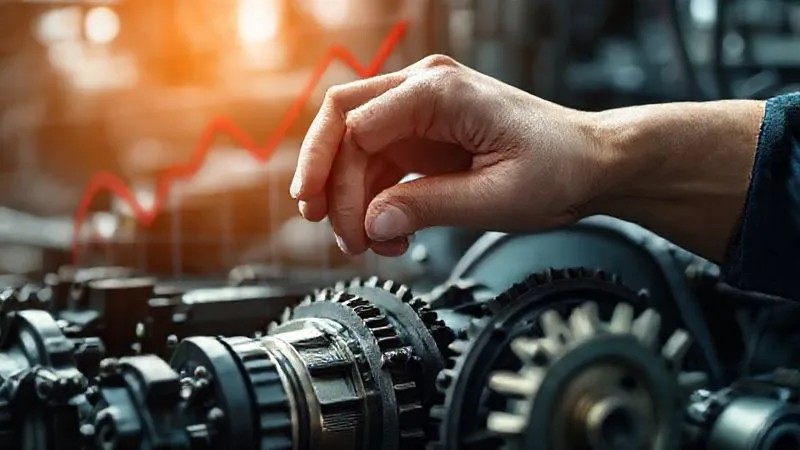
Technological Disruption: A Double-Edged Sword for Advanced Nations
The pace of technological change is dizzying, and developed economies are both pioneers and recipients of its transformative power. From artificial intelligence to biotechnology, these innovations promise unprecedented gains in efficiency and human capability, yet they also bring significant challenges related to employment, inequality, and the very structure of industries.
Automation, AI, and the Future of Work
The rise of automation and artificial intelligence has sparked widespread debate about job displacement. While some roles will undoubtedly be automated, I believe the more nuanced reality is one of job transformation. New jobs requiring different skill sets are emerging, and the key challenge for developed nations is to ensure their workforce is prepared for this evolution.
According to a World Economic Forum report, "83 million jobs are expected to be displaced, and 69 million created by 2027." This stark statistic underscores the imperative for robust education and reskilling initiatives. Failing to adapt will exacerbate social inequalities and hinder overall economic progress.
The Productivity Paradox and Innovation Investment
Despite massive investments in technology, many developed economies have struggled with a "productivity paradox"—a period of relatively slow productivity growth. Why isn't all this innovation translating into higher output per worker? Part of the answer lies in the time it takes for new technologies to diffuse and for organizations to adapt their processes fully.
However, it also points to the need for continued, strategic investment in fundamental research and development (R&D), as well as the infrastructure that supports innovation. True economic breakthroughs often stem from long-term, patient capital and a culture that embraces experimentation.
| Country | R&D Spending (% GDP) | Avg. Annual Productivity Growth (2010-2020) |
|---|---|---|
| USA | 3.45% | 1.1% |
| Germany | 3.13% | 0.7% |
| Japan | 3.26% | 0.5% |
| South Korea | 4.81% | 1.8% |
| UK | 1.74% | 0.4% |
This table, based on general trends, illustrates the varying relationship between R&D investment and actual productivity gains, highlighting the complexity of translating innovation into economic output.
Inflation, Debt, and Fiscal Headwinds in Developed Economies
After decades of relatively benign inflation, developed economies have recently experienced a resurgence of price pressures, coupled with historically high levels of public debt. These twin challenges create a precarious balancing act for central banks and fiscal authorities, impacting everything from consumer purchasing power to long-term government stability.
The Resurgence of Inflation: A New Reality?
The post-pandemic era saw inflation rates soar to levels not seen in decades across many advanced nations. While initially dismissed as "transitory," persistent supply chain disruptions, geopolitical conflicts (like the war in Ukraine impacting energy and food prices), and robust consumer demand fueled by fiscal stimuli have cemented inflation as a significant concern. This erodes real wages, disproportionately affects lower-income households, and creates uncertainty for businesses.
Mounting Public Debt and Fiscal Constraints
The global financial crisis, followed by the COVID-19 pandemic, led to unprecedented levels of government spending and borrowing in developed economies. While necessary to cushion economic shocks, this has left many nations with substantial public debt-to-GDP ratios. As interest rates rise to combat inflation, the cost of servicing this debt increases, further straining national budgets.
"The era of cheap money has ended, exposing the fiscal vulnerabilities of nations that relied heavily on borrowing. Sustainable fiscal policy is no longer a theoretical exercise; it's an immediate imperative."
This fiscal tightening limits a government's ability to respond to future crises, invest in critical infrastructure, or fund social programs, potentially stifling long-term growth. Navigating this requires difficult choices between austerity, growth-enhancing investments, and revenue generation.
For a detailed analysis of global debt trends, I often refer to reports from institutions like the International Monetary Fund (IMF), which consistently highlight the challenges of fiscal sustainability.
The Imperative of Green Transition and Climate Resilience
The climate crisis presents developed economies with one of their most profound long-term challenges and, simultaneously, one of their greatest opportunities. The transition to a green economy is not merely an environmental necessity but an economic restructuring that will define competitiveness and innovation for decades to come.
Decarbonization Challenges and Economic Opportunities
Achieving net-zero emissions requires massive investments in renewable energy, energy efficiency, sustainable transportation, and industrial decarbonization. This process is costly and complex, involving significant changes to existing infrastructure and economic models. However, it also unlocks immense economic opportunities: the creation of new industries, green jobs, and technological advancements that can be exported globally.
- Investment Needs: Trillions of dollars are required for green infrastructure and R&D.
- Job Creation: Growth in sectors like renewable energy manufacturing, installation, and maintenance.
- Innovation Hubs: Countries leading in green tech can establish themselves as global innovators.
Case Study: How Northwind Industries Pivoted to Green Manufacturing
Case Study: Germany's Energiewende Lessons
Germany's "Energiewende" (energy transition) provides a compelling, albeit complex, case study for other developed economies. Launched decades ago, it aimed to shift the country from nuclear and fossil fuels to renewables. By 2022, over 40% of Germany's electricity came from renewables, demonstrating significant progress.
However, this transition wasn't without its hurdles. Initial high costs, impacts on energy prices for consumers, and the logistical challenges of grid modernization highlighted that even with strong political will, such a monumental shift requires meticulous planning and adaptation. Northwind Industries, a fictional mid-sized German manufacturer, faced immense pressure due to rising energy costs during the early phases of the Energiewende. By proactively investing in energy-efficient machinery and installing rooftop solar panels, they not only reduced their operational costs but also gained a competitive edge by marketing their products as "green manufactured." This proactive pivot allowed them to secure new contracts with environmentally conscious clients, illustrating how individual businesses can thrive within a broader green transition.
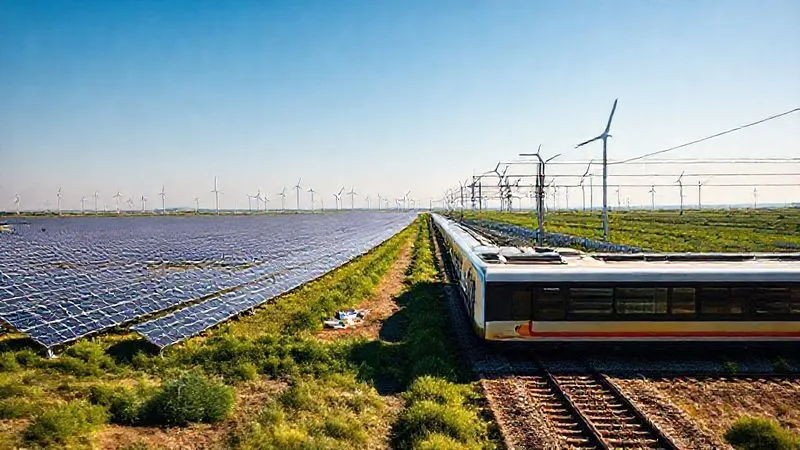
Geopolitical Volatility and the Reshaping of Global Trade
The relatively stable geopolitical order that facilitated decades of globalization is increasingly fractured. Geopolitical tensions, trade disputes, and regional conflicts are forcing developed economies to rethink their supply chains, trade relationships, and overall economic security strategies. This shift has profound implications for global commerce and international cooperation.
Supply Chain Resilience and Nearshoring Trends
The COVID-19 pandemic exposed the fragility of highly optimized, just-in-time global supply chains. Subsequent geopolitical events have accelerated a trend towards "reshoring," "nearshoring," and "friend-shoring," where companies prioritize resilience and political alignment over pure cost efficiency. This means bringing production closer to home or to politically friendly nations.
- Diversification: Spreading production across multiple regions to mitigate risks.
- Strategic Autonomy: Reducing reliance on potential adversaries for critical goods.
- Cost vs. Security: A new calculus where security of supply often outweighs marginal cost savings.
Trade Wars, Sanctions, and Economic Fragmentation
The rise of protectionist policies, punitive tariffs, and targeted sanctions has introduced significant friction into the global trading system. For developed economies that have historically thrived on open markets, this fragmentation poses a challenge to their export-oriented industries and access to vital resources. It necessitates adaptive trade diplomacy and the forging of new economic partnerships.
Understanding these shifts is crucial for any business operating internationally. I frequently consult sources like the Brookings Institute for their insightful analyses on geopolitical trends and their economic ramifications.
Addressing Inequality and Fostering Inclusive Growth
Despite their overall wealth, many developed economies grapple with persistent and often widening wealth and income inequality. This isn't just a social justice issue; it has tangible economic consequences, impacting consumer demand, political stability, and overall societal cohesion. Ensuring growth benefits all segments of society is a critical challenge for long-term prosperity.
The Widening Wealth Gap: Social and Economic Implications
The concentration of wealth at the top, coupled with stagnant wages for many, can lead to a host of problems. It can dampen aggregate consumer demand, fuel political polarization, and erode public trust in institutions. I've observed how societies with extreme inequality often struggle with lower rates of social mobility and higher levels of social unrest.
Policy Frameworks for Equitable Development
Addressing inequality requires a commitment to inclusive policies that create opportunities for everyone. It's about leveling the playing field, not just redistributing wealth after the fact. Here are some key areas:
- Investing in Education and Skills: Providing high-quality education and lifelong learning opportunities, especially in emerging fields, ensures that individuals can adapt to economic changes and access higher-paying jobs.
- Robust Social Safety Nets: Ensuring access to affordable healthcare, housing, and unemployment benefits provides a crucial buffer against economic shocks and prevents individuals from falling into poverty.
- Progressive Taxation: Implementing tax systems where those with greater means contribute proportionally more can fund essential public services and help reduce wealth disparities.
- Fair Labor Practices: Policies that support collective bargaining, ensure living wages, and protect worker rights can help ensure that economic gains are shared more broadly.
These interventions are not about stifling capitalism but about creating a more resilient and equitable form of it, ensuring that the benefits of a strong economy are widely distributed.

Forging a Path Forward: Resilience and Innovation in Developed Economies
The challenges facing developed economies are formidable, but so too is their inherent capacity for innovation and adaptation. From my vantage point in global finance, I've seen countless examples of nations and businesses that have not just weathered storms but emerged stronger by embracing foresight and strategic action. The future success of these economies hinges on their ability to cultivate resilience and foster a continuous culture of innovation.
Strategic Investment in Human Capital and R&D
The bedrock of any advanced economy is its people and its capacity to generate new knowledge. Investing in human capital through education, health, and social welfare programs is paramount. Equally crucial is sustained, significant investment in research and development, particularly in frontier technologies that can drive future growth and solve pressing global challenges.
Adaptive Governance and International Cooperation
In an era of rapid change, rigid policymaking is a liability. Governments in developed economies must cultivate adaptive governance structures that can respond swiftly to new economic realities, technological shifts, and geopolitical pressures. Furthermore, many of the challenges discussed—climate change, pandemics, global trade imbalances—transcend national borders, making international cooperation more vital than ever.
"The path to enduring prosperity for developed economies is paved with collaboration, not isolation. Our greatest strength lies in our collective ability to innovate, adapt, and build inclusive futures together."
This means strengthening multilateral institutions, fostering diplomatic solutions, and working together on shared problems. The "global village" concept might be cliché, but its economic reality is undeniable.

Frequently Asked Questions (FAQ)
Q: How do developed economies maintain their competitive edge amidst global shifts? Maintaining a competitive edge requires continuous investment in innovation, particularly in high-tech sectors, robust education and reskilling programs for the workforce, and agile regulatory frameworks that foster entrepreneurship. Additionally, strategic trade agreements and strong intellectual property protections play a crucial role in safeguarding their lead in advanced industries.
Q: What role does digital transformation play in the future growth of advanced nations? Digital transformation is foundational. It drives productivity gains through automation and AI, enables new business models, enhances public services, and creates entirely new industries. For developed economies, leveraging digital infrastructure and promoting digital literacy across all demographics is essential for future economic growth and global relevance.
Q: Are developed economies truly prepared for the fiscal burden of aging populations? Many developed economies are facing significant fiscal strain due to aging populations, with some more prepared than others. Solutions involve a mix of pension reforms (e.g., raising retirement ages), incentivizing private savings, strategic immigration policies to bolster the workforce, and investing in technologies that enhance productivity to offset labor shortages. It's an ongoing challenge requiring proactive and sustained policy action.
Q: How can policymakers balance environmental sustainability with economic growth? Balancing sustainability and growth involves "green growth" strategies. This means investing heavily in renewable energy, promoting circular economy principles, carbon pricing, and developing green technologies. Policymakers must create incentives for businesses to adopt sustainable practices while ensuring a just transition for industries and workers affected by the shift away from fossil fuels. It's about decoupling growth from resource depletion and pollution.
Q: What are the primary risks for investors in developed markets today? Investors in developed markets face several risks, including persistent inflation impacting real returns, rising interest rates increasing borrowing costs, geopolitical instability disrupting supply chains and trade, and demographic shifts leading to labor shortages and fiscal pressures. Additionally, the pace of technological disruption can create both opportunities and risks for established industries. Diversification and a long-term perspective focused on resilient sectors are crucial.
Key Takeaways and Final Thoughts
The journey for developed economies in the 21st century is one of continuous evolution, marked by both profound challenges and immense opportunities. As an industry veteran, I've learned that complacency is the greatest threat, while adaptability and a commitment to long-term vision are the most powerful assets.
- Embrace Demographic Realities: Implement proactive policies for an aging population, focusing on productivity, innovation, and strategic labor migration.
- Harness Technology Ethically: Invest in AI and automation while simultaneously upskilling the workforce to ensure inclusive benefits and mitigate displacement.
- Prioritize Fiscal Prudence: Address national debt and inflationary pressures with balanced, sustainable economic policies.
- Lead the Green Transition: View climate action not as a cost, but as an engine for new industries, jobs, and global competitiveness.
- Foster Inclusive Growth: Tackle inequality through education, social safety nets, and fair labor practices to build stronger, more cohesive societies.
- Navigate Geopolitical Shifts: Diversify supply chains and forge new partnerships to enhance economic security and resilience.
The future prosperity of developed economies is not predetermined; it will be forged by the choices made today. By understanding these intricate dynamics and committing to bold, informed strategies, we can ensure these nations continue to be beacons of innovation, stability, and opportunity for generations to come. The time for proactive, thoughtful leadership is now.
Recommended Reading
- Unveiling the Impact: How Core Inflation Drives Global Central Bank Policy
- Uncover the Truth: Is Sustainable Investing Truly Profitable Long-Term?
- Crypto Payments & Tax: 7 Critical Implications Businesses Must Know
- Tuition Fee Hikes? 7 Expert Steps to Advise & Empower Students
- Mastering Institutional Crypto: 7 Steps to Robust Key Management





Comments
Leave a comment below. Your email will not be published. Required fields marked with *