



Budgeting Pro-Level Travel: Avoid Personal Financial Disaster?
For nearly two decades immersed in the intricacies of personal finance and strategic wealth management, I've observed a common, yet often overlooked, pitfall: the siren call of 'pro-level' travel without 'pro-level' financial planning. Many aspire to those breathtaking, immersive journeys — the extended sabbaticals, the round-the-world adventures, the luxury escapes — envisioning freedom and discovery.
However, beneath the glossy facade of Instagram-perfect itineraries lies a stark reality: without meticulous foresight, these dreams can swiftly morph into a financial nightmare. I've witnessed countless individuals return from their adventures not rejuvenated, but burdened by unexpected debt, depleted savings, and a profound sense of regret, all because they underestimated the financial gravity of their aspirations.
This isn't just about saving money; it's about building an unshakeable financial fortress around your travel dreams. In this definitive guide, I will share the exact frameworks, expert strategies, and real-world insights I've honed over years to ensure your ambitious travels enrich your life, not erode your financial stability. We'll explore how to achieve truly transformative experiences while mastering budgeting pro-level travel to avoid personal financial disaster, transforming your travel dreams into sustainable realities.
The Ironclad Pre-Trip Financial Audit: Your First Line of Defense
Before you even browse flight deals or dream about exotic locales, the single most critical step is a ruthless, honest financial audit. I’ve seen this skipped too often, leading to optimistic assumptions that crumble under real-world expenses. This isn't just about knowing what you have; it's about understanding your true capacity to fund an ambitious journey without jeopardizing your long-term financial health.
Assessing Your True Financial Capacity
Your financial audit needs to be comprehensive. It's not just your checking account balance; it encompasses your entire financial ecosystem. This involves a deep dive into your income streams, fixed and variable expenses, existing debt obligations, and crucially, your emergency fund status.
- Calculate Your Net Worth: Start by subtracting all liabilities (debts) from all assets (savings, investments, property). This gives you a clear snapshot of your financial standing.
- Analyze Monthly Cash Flow: Track every dollar in and out for at least three months. Use a budgeting app or spreadsheet to identify where your money truly goes. This reveals potential areas for optimization and realistic savings potential.
- Assess Your Emergency Fund: Before dedicating significant funds to travel, ensure you have 3-6 months of living expenses saved in an easily accessible, separate account. This is non-negotiable. Dipping into your emergency fund for travel is a fast track to financial vulnerability.
- Evaluate Debt Load: High-interest debt (credit cards, personal loans) should ideally be minimized or eliminated before embarking on pro-level travel. Interest payments can quickly negate any travel savings.
- Define Your 'Travel Freedom' Number: Based on your audit, determine a realistic maximum amount you can comfortably allocate to travel without compromising your financial future. Be conservative.
"The biggest mistake a traveler can make financially isn't overspending on a souvenir; it's failing to understand their starting line before the race even begins. A robust pre-trip audit is your financial compass."
According to a recent study by Forbes Advisor, a significant portion of adults lack adequate emergency savings, making any large discretionary expense, like pro-level travel, a high-risk endeavor. Don't fall into this trap; build your foundation first.
Crafting a Hyper-Detailed Travel Budget: Beyond the Obvious
Once your financial foundation is solid, the next step is to build a budget so detailed it accounts for virtually every penny. Many travelers make the mistake of only budgeting for flights and accommodation, overlooking a myriad of smaller, yet cumulatively significant, expenses. This is where the 'pro-level' distinction truly shines – anticipating the unseen, ensuring you're effectively mastering budgeting pro-level travel to avoid personal financial disaster.
Categorizing Every Potential Expense
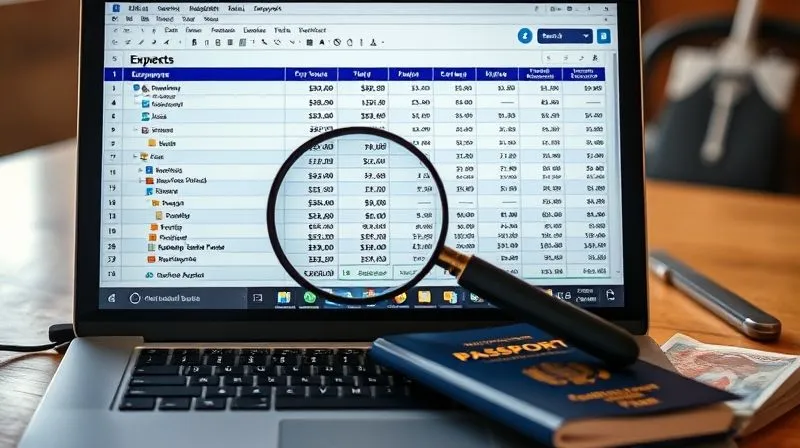
A truly effective travel budget goes far beyond broad categories. I encourage clients to think of their trip in phases: pre-departure, on-the-ground, and post-return. Each phase has unique costs. Think about visa fees, travel insurance premiums, vaccinations, gear upgrades, and even pet-sitting costs before you leave. While traveling, consider not just food and lodging, but also local transportation, entrance fees, guided tours, communication costs (SIM cards), tips, and a dedicated 'splurge' or 'experience' fund.
| Category | Description | Estimated Cost |
|---|---|---|
| Pre-Trip Expenses | Passport/Visa fees, Travel Insurance, Vaccinations, Gear/Luggage, Pet Care | $XXX |
| Transportation | Flights, Trains, Buses, Taxis/Rideshares, Local Transit, Car Rental & Fuel | $XXX |
| Accommodation | Hotels, Hostels, Airbnbs, Guesthouses | $XXX |
| Food & Drink | Restaurants, Groceries, Snacks, Drinks, Coffee | $XXX |
| Activities & Entertainment | Tours, Entrance Fees, Museums, Shows, Excursions | $XXX |
| Miscellaneous & Contingency | Shopping, Souvenirs, Tips, SIM Card/Data, Emergency Fund (10-15% of total) | $XXX |
Remember to factor in currency exchange rates and potential transaction fees from your bank or credit card. A contingency fund of 10-15% of your total budget is non-negotiable. This isn't 'extra' money; it's your buffer against flight delays, unexpected medical needs, or simply discovering a must-do experience that wasn't in your original plan. As an expert, I always advise overestimating rather than underestimating, especially for longer, more complex journeys.
Strategic Funding: How to Build Your Travel War Chest
With a clear budget in hand, the next challenge is funding it without causing a personal financial disaster. This requires a strategic, multi-pronged approach to saving and potentially generating additional income. It's not about magic; it's about discipline and smart choices.
Diversifying Your Savings & Income Streams
Relying solely on your regular paycheck to fund an ambitious trip can be slow and disheartening. I've found that a diversified approach accelerates the process and builds a greater sense of financial control. Consider these methods:
- Dedicated High-Yield Savings Account: Open a separate account solely for travel savings. Name it something inspiring like "My Patagonia Adventure Fund." This psychological trick makes it harder to dip into for everyday expenses.
- Automate Your Savings: Set up automatic transfers from your checking account to your travel savings account every payday. Even small, consistent amounts add up dramatically over time.
- Implement a 'No-Spend' Challenge: For a month or two, cut out all non-essential spending. Cook at home, cancel subscriptions, avoid impulse buys. Redirect all saved money to your travel fund.
- Monetize Your Skills (Side Hustle): Offer freelance services, tutoring, consulting, or sell crafts online. Even a few hundred extra dollars a month can significantly boost your travel budget.
- Sell Unused Items: Declutter your home and sell clothes, electronics, or furniture you no longer need. Platforms like eBay, Facebook Marketplace, or local consignment shops are great for this.
- Optimize Investments (with Caution): If you have long-term investments, consult a financial advisor about potential strategies to fund travel without incurring significant penalties or derailing your retirement plans. This is for advanced planners only.
As financial planning expert Suze Orman often emphasizes, "You must be the master of your money, not its slave." Building a substantial travel fund requires intentionality and sacrifice, but the rewards of a stress-free journey are invaluable. Explore resources like Investopedia's personal finance section for further strategies on wealth building.
Smart Spending On The Road: Pro-Level Tactics
Even with a robust budget and substantial savings, the journey isn't over. How you manage your money while actively traveling is equally crucial to avoiding financial pitfalls. This is where pro-level travelers distinguish themselves from casual tourists.
Mastering Payments, Discounts, and Local Economies
The goal is to maximize your experiences while minimizing unnecessary expenditures and fees. This requires a blend of foresight, awareness, and a willingness to adapt.
- Credit Cards with No Foreign Transaction Fees: Prioritize credit cards that waive foreign transaction fees. These fees, typically 2-3% per transaction, can quietly add up to hundreds of dollars on a long trip. Look for cards that also offer travel rewards or points.
- Debit Cards for Cash Withdrawals: Research banks that offer debit cards with no ATM fees or foreign transaction fees. Charles Schwab Bank and Capital One 360 are popular choices for international travelers. Always withdraw larger sums to minimize ATM visits and potential fees.
- Inform Your Banks: Before you leave, notify your credit card and bank companies of your travel dates and destinations. This prevents your cards from being flagged for suspicious activity and frozen.
- Embrace Local Markets and Street Food: Not only is this often a more authentic cultural experience, but it’s also significantly cheaper than tourist-trap restaurants. Learn basic phrases in the local language to facilitate transactions.
- Negotiate (Where Appropriate): In many cultures, negotiation for goods and services in markets is expected. Do so respectfully and with a smile.
- Leverage Discounts and Passes: Research city passes, student discounts, or senior discounts for attractions and public transport. Pre-booking online often yields better prices.
I recall a client, Mark, who meticulously budgeted for his Southeast Asian backpacking trip. He learned to haggle respectfully in markets, utilized local SIM cards for cheap data, and always sought out street food stalls over Western-style restaurants. His daily spending was consistently 20-30% below his initial estimates, allowing him to extend his trip by an entire month without additional financial strain.

Mitigating Risks: Insurance, Emergencies, and Contingency Planning
Even the most meticulously planned trip can encounter unforeseen challenges. A medical emergency, a canceled flight, or lost luggage can swiftly derail your budget and plunge you into stress. Pro-level travel budgeting isn't just about spending; it's about protection.
The Unforeseen Costs That Can Derail Any Budget
I've seen firsthand how a single unexpected event can lead to thousands of dollars in unbudgeted expenses. This is precisely why robust insurance and a dedicated emergency fund are non-negotiable pillars of responsible travel.
- Comprehensive Travel Insurance: This is your financial safety net. It should cover medical emergencies, trip cancellation/interruption, lost or delayed baggage, and emergency evacuation. Read the fine print carefully to understand what is and isn't covered.
- Dedicated Travel Emergency Fund: This is separate from your general emergency fund. I recommend setting aside an additional 5-10% of your total trip budget specifically for on-the-road emergencies that insurance might not cover, or for deductibles. This could be a broken camera, a missed connection requiring an extra night's stay, or a sudden change in plans.
- Photocopies/Digital Copies of Important Documents: Keep digital copies of your passport, visa, insurance policy, and credit cards on a secure cloud service or email them to yourself. This drastically simplifies recovery if originals are lost or stolen.
- Understand Local Laws and Healthcare: Research the healthcare system in your destination. Is it public or private? What are typical costs? Knowing this prepares you for potential out-of-pocket expenses before insurance kicks in.
"An uninsured medical incident abroad can turn a dream vacation into a lifelong financial burden. Travel insurance isn't an option for pro-level travelers; it's a fundamental investment in peace of mind."
A study by the Insurance Information Institute highlights that medical emergencies abroad are the most common and often most expensive claims. Don't gamble with your health or your finances. Compare reputable providers like World Nomads, Allianz Travel, or SafetyWing to find a policy that fits your specific travel needs.
Post-Trip Financial Recovery: Landing Safely
The journey doesn't end when you unpack your bags. Many travelers experience a 'financial hangover' upon returning, struggling to reintegrate their spending habits and rebuild savings. A pro-level traveler plans for the return as diligently as for the departure.
Reintegrating Travel Expenses into Your Home Budget
This phase is about minimizing the financial shock of returning to routine life and quickly re-establishing your financial stability. The goal is to avoid any lasting negative impact from your adventure.
- Immediate Budget Review: As soon as you're back, review your actual travel spending against your budget. Identify where you overspent or underspent. This provides valuable insights for future trips.
- Replenish Emergency Funds: If you dipped into your travel emergency fund (or, heaven forbid, your main one), make replenishing it your top financial priority.
- Address Any Travel Debt Promptly: If you incurred any credit card debt during your trip, create an aggressive repayment plan. High-interest debt can quickly spiral out of control.
- Re-establish Savings Automation: Reinstate or adjust your automated savings transfers for your next financial goal, whether it's another trip, a down payment, or retirement.
- Practice 'Post-Travel Frugality': For a few weeks or months after your trip, continue some of the money-saving habits you adopted while traveling. Cook at home, limit entertainment spending, and prioritize needs over wants.
Case Study: How Sarah Recovered Her Finances After a 6-Month European Adventure
Sarah, a client of mine, returned from a six-month backpacking journey across Europe with incredible memories but also a small, manageable credit card balance from a few unexpected splurges. Instead of letting it fester, she immediately implemented a post-trip financial recovery plan. She paused all discretionary spending for two months, picked up extra freelance work on weekends, and aggressively paid down her travel debt within three months. By applying the disciplined savings habits she honed pre-trip, she quickly replenished her emergency fund and began saving for her next adventure, completely avoiding the common post-travel financial slump.

Leveraging Technology: Apps and Tools for Budget Mastery
In today's digital age, you don't have to manage your travel finances with just a pen and paper. A plethora of apps and online tools can automate tracking, simplify currency conversion, and keep your budget in check, empowering you to master budgeting pro-level travel to avoid personal financial disaster.
Your Digital Financial Toolkit
I always recommend embracing technology as an ally in your financial journey. These tools can provide real-time insights and streamline mundane tasks, freeing you to focus on the travel experience itself.
- Expense Trackers: Apps like Expensify, Mint, or YNAB (You Need A Budget) allow you to categorize expenses on the go, often by simply snapping a photo of a receipt. Some even sync directly with your bank accounts.
- Currency Converters: Apps like XE Currency or OANDA Currency Converter provide real-time exchange rates, helping you make informed spending decisions and avoid mental math errors.
- Budgeting Spreadsheets: Google Sheets or Excel templates can be customized to your specific travel budget, allowing for detailed planning and tracking. Shareable sheets are great for group travel.
- Banking Apps: Your bank's mobile app is essential for monitoring transactions, checking balances, and transferring funds between accounts while abroad. Ensure you have international access enabled.
- Travel-Specific Apps: Apps like TripIt or Rome2rio can help organize itineraries, often integrating cost estimates for transportation.
Leveraging these tools transforms your financial management from a chore into an efficient, almost invisible process. They provide the clarity and control necessary for truly pro-level travel budgeting.
The Psychology of Travel Spending: Overcoming Temptation
Even with the best financial plan, the human element — emotions, desires, and impulses — can pose a significant threat to your budget. Pro-level travel budgeting isn't just about numbers; it's about mastering your mindset and understanding the psychology behind your spending.
Mindset Shifts for Sustainable Pro-Level Travel
The fear of missing out (FOMO), the desire for immediate gratification, and the 'vacation mode' mentality can lead to irrational financial decisions. Recognizing and counteracting these psychological traps is vital.
- Pre-Allocate 'Splurge' Funds: Instead of randomly overspending, build a specific, modest 'splurge' category into your budget. This allows you to indulge guilt-free within predefined limits.
- Differentiate Value from Cost: Ask yourself: Is this purchase adding genuine value to my experience, or is it an impulse buy? A memorable experience might be worth the cost, while a cheap souvenir might not.
- Practice Delayed Gratification: Before making a significant purchase, give yourself 24 hours. Often, the urge passes, or you find a more cost-effective alternative.
- Embrace Frugal Travel as an Adventure: Reframe budget-conscious choices not as limitations, but as opportunities for authentic, off-the-beaten-path experiences. Eating local, using public transport, and finding free activities can be incredibly rewarding.
- Review Spending Daily: Briefly check your expenses each evening. This simple act creates accountability and makes you more mindful of your spending patterns.
"True financial freedom in travel comes not from limitless funds, but from mastering the discipline to align your spending with your values and your budget. It's a journey of self-control as much as it is of exploration."
As renowned behavioral economist Daniel Kahneman's work on cognitive biases suggests, our decisions are often influenced by emotions rather than pure logic. Being aware of these biases is the first step toward making smarter financial choices while on the road.
Frequently Asked Questions (FAQ)
Q: How much should I save for a contingency fund for a multi-month trip? A: For pro-level, multi-month travel, I strongly recommend a contingency fund of at least 10-15% of your total estimated budget, separate from your main emergency fund. This covers unforeseen costs like medical deductibles, unexpected flight changes, or spontaneous opportunities. For example, if your trip budget is $10,000, aim for an additional $1,000-$1,500 in your travel emergency fund.
Q: Is it better to use credit cards or cash abroad? A: A strategic mix is best. Use credit cards (with no foreign transaction fees) for larger purchases like hotels or major tours, as they offer fraud protection and rewards. For smaller vendors, street food, or in areas where cards aren't widely accepted, cash is essential. Always have some local currency on hand, but avoid carrying excessive amounts. Debit cards from banks with no ATM fees are ideal for withdrawing cash.
Q: How do I track expenses effectively while traveling? A: Consistency is key. I advise using a dedicated expense tracking app (like Expensify, Mint, or a simple spreadsheet) that allows you to log expenses as they happen. Categorize each expense immediately. Take photos of receipts. A quick 5-10 minute review at the end of each day can prevent overspending surprises and keep you aligned with your budget.
Q: What's the biggest mistake pro-level travelers make financially? A: In my experience, the single biggest mistake is underestimating the 'hidden' costs and failing to build a robust contingency. Travelers often budget for big-ticket items like flights and accommodation but neglect visa fees, comprehensive insurance, exchange rate fluctuations, tips, daily small indulgences, and unexpected emergencies. This leads to dipping into savings, accruing debt, and ultimately, personal financial disaster.
Q: Can I really do 'pro-level' travel without being rich? A: Absolutely. 'Pro-level' travel isn't synonymous with 'luxury' travel; it means traveling with intention, deep planning, and a commitment to sustainable financial practices. It's about maximizing value, making smart choices, and leveraging resources. With meticulous budgeting, strategic savings, and disciplined spending, transformative travel experiences are accessible to a wider audience than many realize. It requires effort, not necessarily immense wealth.
Key Takeaways and Final Thoughts
Embarking on pro-level travel is a dream for many, and with the right financial discipline, it's an entirely achievable and incredibly rewarding endeavor. The path to mastering budgeting pro-level travel to avoid personal financial disaster isn't paved with restrictive deprivation, but with intelligent planning, proactive risk management, and a deep understanding of your financial landscape.
- Audit Relentlessly: Know your financial capacity before you start dreaming.
- Budget Meticulously: Account for every potential expense, especially the hidden ones, and always include a contingency.
- Fund Strategically: Diversify your savings and consider temporary income boosts.
- Spend Smartly: Leverage financial tools, local economies, and avoid unnecessary fees.
- Insure & Protect: Never travel without comprehensive insurance and an emergency buffer.
- Plan Your Return: Ensure a smooth financial reintegration post-trip.
- Master Your Mindset: Overcome psychological spending traps.
I’ve guided countless individuals through these very steps, witnessing their transformation from hesitant dreamers to confident global explorers, all while maintaining their financial equilibrium. Your travel aspirations are valid, and with the 'pro-level' budgeting strategies I've outlined, you can explore the world without sacrificing your financial future. Begin your audit today, build your budget, and prepare for an adventure that enriches every aspect of your life, responsibly and sustainably.
Recommended Reading
- 9 Expert Hacks: How Professionals Drastically Cut Travel Expenses
- Unlock Financial Freedom: How to Use Software to Conquer Overspending
- Unlock Your Spending Secrets: Best Methods for Tracking Variable Monthly Expenses?
- 7 Proven Strategies to Slash Estate Tax on Your Family Business Legacy
- Unlock Speedy Transfers: Your Ultimate Guide to Resolving Bank Delay Issues





Comments
Leave a comment below. Your email will not be published. Required fields marked with *