



What to do when the IRS rejects your offer in compromise?
For over two decades in tax resolution, I've witnessed the profound relief an Offer in Compromise (OIC) can bring. But I've also seen the crushing disappointment when that lifeline is unexpectedly withdrawn – the IRS rejects the OIC. It's a moment that can make even the most resilient taxpayer feel utterly defeated, questioning every decision they've made.
The sting of an OIC rejection isn't just about the financial burden; it's often a blow to one's sense of hope and control. You've poured time, effort, and often significant emotional energy into preparing your offer, only to be met with a 'no.' This leaves many wondering: 'Is this the end of the road? Am I destined to pay the full, unmanageable tax debt?'
I'm here to tell you unequivocally: an OIC rejection is not the end. It's a pivotal moment that, with the right strategy and expert guidance, can lead to a more favorable outcome than you might imagine. In this comprehensive guide, I'll walk you through the precise steps to take, demystify the IRS's rationale, and equip you with actionable frameworks, real-world insights, and alternative pathways to resolve your tax debt, even after a rejection.
Understanding the IRS's Rationale: Why Was Your OIC Rejected?
Before you can strategize your next move, it's crucial to understand why your Offer in Compromise was rejected in the first place. The IRS doesn't reject OICs arbitrarily; their decision is based on specific criteria and their assessment of your financial situation. Identifying the precise reason is the first step toward crafting an effective response.
Common Reasons for OIC Rejection
Based on my extensive experience, most OIC rejections boil down to a few key areas:
- Insufficient Offer Amount: The IRS believes your offer does not reflect your true ability to pay. This is often calculated through their 'reasonable collection potential' (RCP) formula, which assesses your assets and future income potential. If your offer is significantly lower than their RCP, it will likely be rejected.
- Failure to Comply: The IRS requires taxpayers to be current with all filing and payment requirements while an OIC is pending. This means all tax returns must be filed, and estimated tax payments or withholdings for the current year must be up-to-date. Failure to comply with these requirements will lead to an immediate rejection.
- Procedural Issues: Sometimes, the rejection isn't about your finances at all, but rather errors in the application itself. This could include missing forms, incomplete information, unsigned documents, or even failing to submit the required application fee.
- Inability to Pay the Offered Amount: While less common, in some cases, the IRS might determine that even the amount you offered is beyond your current financial means, suggesting you should pursue other collection alternatives like Currently Not Collectible (CNC) status.
- Non-Compliance with Tax Laws: If you have a history of non-compliance or if the IRS suspects you are intentionally trying to avoid your tax obligations, your OIC may be viewed unfavorably.
- Offer Not in the Best Interest of the Government: This is a broader category where the IRS decides that accepting your offer would not serve the public interest, often due to unique circumstances or the perception of unfairness to other taxpayers.
"An OIC rejection isn't always a judgment on your financial situation; often, it's a reflection of how that situation was presented, or minor procedural missteps that can be corrected."

The IRS aims to collect the maximum amount of tax due while also considering your ability to pay. Their decision-making process is systematic, and understanding its intricacies is vital for your next steps.
Immediate Post-Rejection Steps: Don't Panic, Analyze!
Receiving that rejection letter can be disheartening, but it's crucial to avoid panic. Your immediate response can significantly impact your future options. The key is to remain calm, methodical, and analytical.
Step 1: Review the Rejection Letter Carefully
This letter is not just a 'no'; it's a detailed explanation of *why* your Offer in Compromise was rejected. Treat it as your primary diagnostic tool. Look for:
- The specific reason(s) for rejection: The IRS is generally clear about its findings. Did they say your offer was too low? Did you miss a payment or filing?
- Your appeal rights and the deadline: The letter will explicitly state that you have the right to appeal and, critically, provide the deadline for filing that appeal. Typically, this is 30 days from the date of the letter. This is a non-negotiable timeframe.
- Contact information for the IRS representative: Sometimes, the letter will include details for the specific OIC examiner or department that handled your case.
Key Insight: The rejection letter is your roadmap. It tells you exactly where the IRS saw a discrepancy or issue, providing the foundation for your counter-argument or revised strategy.
Step 2: Understand Your Appeal Rights and Deadlines
If you disagree with the IRS's rejection, you have the right to appeal it to the IRS Office of Appeals. This is a separate, independent division within the IRS that aims to resolve tax disputes without costly and time-consuming litigation. To initiate an appeal, you'll typically need to file Form 13711, Request for Appeal of Offer in Compromise.
I cannot stress enough the importance of the 30-day deadline mentioned in the rejection letter. Missing this window can severely limit your options, forcing you to consider a new OIC application or other alternatives rather than appealing the original decision. If you're unsure about the process, contacting a tax professional immediately is paramount.

Step 3: Gather All Relevant Documentation
Whether you plan to appeal or submit a new OIC, you'll need all your original documentation. This includes:
- Your initial OIC application (Form 656, Form 433-A (OIC), Form 433-B (OIC)).
- All supporting financial statements, bank records, pay stubs, and expense documentation you submitted.
- Any new information that directly addresses the IRS's reasons for rejection. For example, if they cited a higher income, gather evidence of any recent job loss or reduction in hours. If they questioned an expense, collect more detailed receipts or explanations.
Having everything organized will make the subsequent steps much smoother and more efficient.
Option 1: Appealing the OIC Rejection (The Formal Path)
For many taxpayers, appealing the rejection is the most logical next step, especially if you believe the IRS made an error in their assessment or overlooked crucial details of your financial situation. The Appeals process offers a fresh set of eyes on your case.
The Appeals Process Explained
When you appeal an OIC rejection, your case is transferred from the Collection division that initially reviewed your OIC to the independent IRS Office of Appeals. This office is staffed by Appeals Officers who are separate from the original examiner. Their role is to provide an impartial review, considering both your perspective and the IRS's position. This independence is a significant advantage.
According to the Taxpayer Advocate Service, "The IRS Appeals Office is an independent forum within the IRS that helps taxpayers and the IRS resolve tax disputes without litigation." This independence means they can sometimes find common ground or interpret facts differently than the initial examiner, leading to a more favorable outcome.
Crafting a Strong Appeal: What to Include
A successful appeal isn't just about disagreeing; it's about presenting a well-reasoned, fact-based argument. Here’s what I advise:
- Clearly State Why You Disagree: Address each specific reason for rejection outlined in the IRS letter. Use clear, concise language to explain your position.
- Provide New Information or Reframe Existing Data: Did the IRS overlook a significant medical expense? Did they miscalculate your allowable living expenses? This is your opportunity to present additional documentation or explain why their interpretation of your financial situation was incorrect.
- Address Each Reason Systematically: Go through the rejection letter point by point. For instance, if they claimed your offer was too low, explain precisely why your offer amount is the maximum you can reasonably pay based on your assets and income, perhaps citing specific, unavoidable expenses.
- Propose a Revised Offer (If Applicable): Sometimes, after reassessing your situation and the IRS's feedback, you might realize a slightly higher offer is feasible and strategically advantageous. If so, present this revised offer with a clear justification.
Expert Tip: Focus on factual inaccuracies or misinterpretations by the original examiner, or new compelling evidence of financial hardship that was not adequately presented or considered initially. Avoid emotional arguments; stick to the numbers and the law.
Case Study: Sarah's Successful OIC Appeal
Sarah, a small business owner, had her OIC rejected because the IRS calculated her "reasonable collection potential" (RCP) too high. The original examiner failed to adequately account for significant, recurring medical expenses for her child that, while included, weren't clearly itemized or emphasized in her initial submission. Furthermore, a recent, unforeseen drop in her business revenue had occurred after her initial OIC submission but before the rejection.
In her appeal, I helped Sarah meticulously document these medical expenses, providing a clear breakdown of costs and future projections. We also submitted updated financial statements reflecting her reduced business income, demonstrating a material change in circumstances. The Appeals Officer, seeing this new, well-supported evidence and a more comprehensive picture of her financial hardship, agreed to revise her RCP downwards. This led to the acceptance of her original offer amount, resulting in a savings of over $40,000 in tax debt and providing Sarah with much-needed financial relief.
Option 2: Submitting a New OIC (When an Appeal Isn't Viable)
While an appeal is often the first consideration, there are situations where submitting a brand-new Offer in Compromise is the more strategic or only viable option after a rejection.
When to Re-apply vs. Appeal
Deciding between an appeal and a new OIC depends heavily on the reasons for the initial rejection and any changes in your circumstances:
- Re-apply if there's been a significant change in financial circumstances: If your income has substantially decreased, your expenses have significantly increased (e.g., major medical bills), or you've lost substantial assets since your first OIC was submitted, a new OIC will allow you to present a completely updated financial picture.
- Re-apply if the initial OIC had fundamental flaws: If your first OIC was poorly prepared, missing critical documentation, or based on incorrect assumptions, it might be easier to start fresh with a completely revised application rather than trying to salvage a flawed one through appeal.
- If you missed the appeal deadline: If the 30-day window for appeal has passed, a new OIC becomes your primary avenue for pursuing an Offer in Compromise.
Conversely, if you believe the IRS simply misinterpreted the facts you already presented, or if the rejection was due to a minor calculation error, an appeal is usually the more direct and efficient route.
Key Considerations for a Second OIC
If you decide to submit a new OIC, approach it with enhanced diligence:
- Address All Previous Rejection Reasons: This is paramount. Your new OIC must explicitly overcome every issue raised in the prior rejection letter. If your offer was too low, you need to either increase it or provide compelling new evidence of hardship to justify the original amount.
- Ensure All Tax Returns Are Filed and Current Tax Payments Are Made: Non-compliance will automatically lead to another rejection. Before even thinking about a new OIC, ensure you are fully compliant with all filing and payment obligations for the current tax year.
- Consider a Higher Offer (If Justified): If your financial situation has improved, or if you realize you underestimated your capacity to pay in the first offer, a slightly higher, yet still affordable, offer might be necessary to secure acceptance.
- Thoroughly Document Everything: Learn from any previous documentation shortcomings. Provide clear, comprehensive, and verifiable documentation for all income, assets, and expenses.
| Action | Best Use Case | Timeline | Outcome Potential |
|---|---|---|---|
| Appeal | Dispute IRS's interpretation of facts or law; minor errors in calculation; new evidence supporting original claim. | 30 days from rejection letter. | OIC acceptance, revised OIC, other collection alternatives. |
| New OIC | Significant change in financial situation (worse or better); fundamental flaws in original application; missed appeal deadline. | No strict deadline, but consider collection actions. | OIC acceptance, revised OIC, other collection alternatives. |
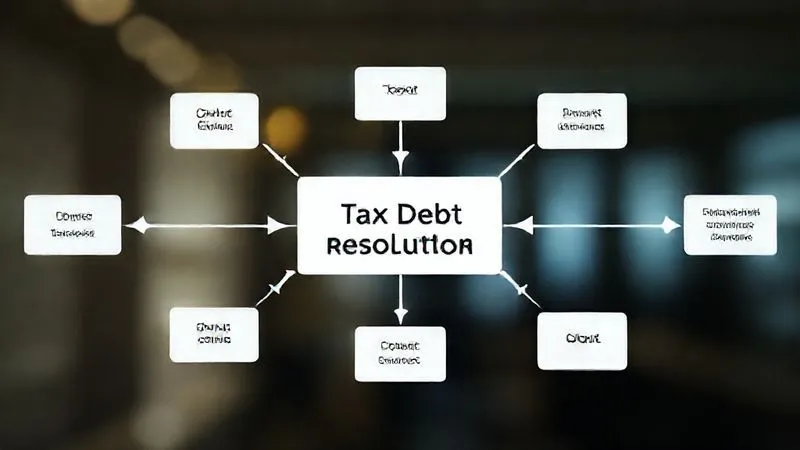
Exploring Alternative IRS Tax Relief Options
Even if an OIC appeal or resubmission isn't successful, or if it's simply not the right fit for your situation, the IRS offers several other collection alternatives. It's vital to remember that the IRS wants to resolve tax debt; they just need to find a solution that works for both parties.
Installment Agreement (IA)
An Installment Agreement allows you to make monthly payments on your tax debt over an extended period, typically up to 72 months. This is a common and often straightforward solution if you can afford to pay your tax debt in full, but not all at once. The main benefit is that it prevents enforced collection actions (like levies or liens) as long as you adhere to the payment schedule.
Benefit: An Installment Agreement provides a structured payment plan, preventing aggressive collection actions and allowing you to manage your debt without the immediate pressure of full payment.
Currently Not Collectible (CNC) Status
If your financial situation is so severe that you cannot afford to pay your basic living expenses and your tax debt, the IRS may place your account in Currently Not Collectible (CNC) status. This temporarily halts collection efforts. While in CNC, your debt isn't forgiven, but the IRS agrees not to pursue active collection. Your case will be periodically reviewed, and interest and penalties will continue to accrue. However, it provides significant breathing room during periods of extreme hardship.
According to IRS guidelines, "If the IRS determines that you cannot pay any of your tax debt due to your financial condition, the IRS may temporarily delay collection by reporting your account as currently not collectible."
Penalty Abatement
Many tax debts include significant penalties for failure to file or failure to pay. In certain circumstances, you may be able to request an abatement (removal) of these penalties. This can happen for "reasonable cause" (e.g., serious illness, natural disaster) or under the "first-time abatement" waiver for taxpayers with a clean compliance history. Successfully abating penalties can substantially reduce your overall tax liability, making other payment options more feasible.
Discharge in Bankruptcy
While often a last resort, certain tax debts can be discharged (eliminated) in bankruptcy. However, this is highly conditional and complex. Generally, for income taxes to be dischargeable, they must be at least three years old, related to a tax return that was filed on time, and assessed by the IRS for at least 240 days prior to the bankruptcy filing. Property taxes and trust fund recovery penalties are typically not dischargeable.
"Bankruptcy can be a powerful tool, but tax debt discharge is complex and highly conditional. Always consult with both a tax professional and a bankruptcy attorney to understand the nuances and potential impact on your overall financial health."
Proactive Measures: Preventing Future Rejections
The best defense against an OIC rejection is a strong offense. By taking proactive measures and understanding the IRS's expectations, you can significantly increase your chances of success, whether it's for a new OIC or any other tax resolution strategy.
Work with a Qualified Tax Professional
This is perhaps the single most crucial piece of advice I can offer. An experienced Enrolled Agent (EA), Certified Public Accountant (CPA), or Tax Attorney specializing in tax resolution brings invaluable expertise. They understand the IRS's complex rules, know how to accurately calculate your reasonable collection potential, and can effectively negotiate on your behalf. Their ability to present your case clearly and completely often makes the difference between acceptance and rejection.
Ensure Accuracy and Completeness
Any OIC application or appeal must be meticulously prepared. Every form, every line item, and every piece of supporting documentation must be accurate and complete. Incomplete or inconsistent information is a primary reason for rejections and delays. Double-check all figures, attach all requested schedules, and ensure all forms are signed where required.
Maintain Current Tax Compliance
As mentioned earlier, the IRS demands current compliance. This means:
- File All Required Returns: Even if you can't pay, file your tax returns on time. Non-filing is a serious offense that will halt any OIC consideration.
- Make Estimated Tax Payments or Withholdings: For the current tax year, ensure you are paying your taxes through payroll withholding or quarterly estimated payments. The IRS will reject an OIC if you are not compliant with your ongoing tax obligations.
Demonstrating a commitment to future compliance signals to the IRS that you are serious about resolving your debt responsibly.
Understand Your Financials Deeply
Before submitting any offer, you should have a clear and realistic understanding of your financial situation, mirroring how the IRS will assess it. This includes:
- Income Analysis: What is your consistent gross and net income from all sources? The IRS will look at your average income over a period.
- Expense Analysis: What are your necessary living expenses? Be aware that the IRS uses National and Local Standards for certain expenses, so your actual expenses might need justification if they exceed these standards.
- Asset Analysis: What non-exempt assets do you own? The equity in assets like real estate, vehicles, and investments contributes to your RCP.
- Future Earning Potential: The IRS considers not just your current income but also your potential to earn more in the future.
| Aspect | Key Question | IRS Focus |
|---|---|---|
| Income Analysis | What is my consistent gross and net income? | Ability to pay, current and future |
| Expense Analysis | What are my necessary living expenses (IRS standards)? | Disposable income after essential costs |
| Asset Analysis | What non-exempt assets do I own? | Equity available for liquidation |
| Future Earning Potential | Is my income stable or likely to change significantly? | Long-term payment capacity and potential for increased RCP |
By doing your own thorough financial analysis, you can anticipate potential IRS objections and build a more robust, defensible offer from the outset.
The Role of a Tax Professional in Navigating OIC Rejections
I've mentioned it throughout, but it bears repeating: the complexity of an OIC rejection, and the subsequent steps, makes professional assistance not just helpful, but often essential. This is where an experienced tax resolution specialist truly earns their value.
Why Expertise Matters
A qualified tax professional offers several critical advantages:
- Interpreting IRS Notices: They can accurately decipher the jargon and specific codes in IRS rejection letters, ensuring you understand the precise reasons for the denial.
- Negotiating with IRS Personnel: Professionals are accustomed to communicating with the IRS. They know the proper channels, what information to provide, and how to present your case in the most favorable light. Their experience can often de-escalate tensions and facilitate productive discussions.
- Preparing Appeals or New Offers: They have the expertise to meticulously prepare Form 13711 for an appeal or a new Form 656, ensuring all documentation is accurate, complete, and compelling. They can strategically highlight your financial hardship and justify your proposed offer.
- Representing You: With a Power of Attorney (Form 2848), a tax professional can communicate directly with the IRS on your behalf, saving you significant time, stress, and potential missteps. They can attend meetings, respond to inquiries, and advocate for your best interests.
Choosing the Right Professional
When selecting a tax professional, look for:
- Specialization in Tax Resolution: Not all CPAs or attorneys specialize in IRS collections or OICs. Seek out those with a proven track record in this niche.
- Experience with OICs and Appeals: Ask about their success rates with OICs and their experience navigating the IRS Appeals process.
- Clear Communication: Choose someone who can explain complex tax concepts to you in an understandable way and keeps you informed throughout the process.
Investing in expert guidance can often lead to a more favorable outcome and significantly reduce the emotional and financial burden of dealing with an IRS rejection.
Managing Stress and Maintaining Perspective
Dealing with tax debt and an IRS rejection is incredibly stressful. It's easy to feel overwhelmed, but maintaining a calm and strategic perspective is crucial for success. Remember, this is a financial challenge, and like many others, it has solutions.
It's a Marathon, Not a Sprint
Tax resolution is rarely a quick fix. The OIC process, appeals, and even alternative solutions can take months, sometimes over a year. Patience and persistence are your allies. Don't get discouraged by the timeline; focus on making steady progress.
Focus on What You Can Control
You can't control the IRS's initial decision, but you can control your response. Focus on accurately gathering documents, meeting deadlines, seeking professional advice, and maintaining current tax compliance. These actionable steps will empower you.
Seek Support
Whether it's from a trusted tax professional, a support group, or simply friends and family who understand, don't go through this alone. Sharing your burden can alleviate stress and provide valuable emotional support.
"Dealing with the IRS can be daunting, but remember: you're not alone. Many taxpayers face similar challenges, and with the right approach, resolution is within reach. Your financial future is not defined by a single rejection."
Frequently Asked Questions (FAQ)
Q: What if I miss the 30-day appeal deadline? A: Missing the deadline typically means you lose your formal right to appeal that specific OIC rejection. However, it doesn't mean you're out of options. You can still explore submitting a new Offer in Compromise if your financial situation has changed, or pursue other collection alternatives like an Installment Agreement or Currently Not Collectible status. It's crucial to act quickly to understand your remaining options, ideally with professional guidance.
Q: Can the IRS take my assets while an appeal is pending? A: Generally, no. If you timely file an appeal of an OIC rejection, the IRS is usually prohibited from taking enforced collection actions (like levies or liens) while the appeal is being considered. This is part of the protection afforded by the Appeals process. However, this protection is contingent on your continued compliance with filing and payment requirements for current taxes.
Q: How long does the OIC appeal process typically take? A: The timeline can vary significantly based on the complexity of your case, the volume of appeals at the IRS, and how quickly you provide requested information. It can range from a few months to over a year. Patience and consistent follow-up, often through a tax professional, are key to navigating this period.
Q: Will a rejected OIC hurt my credit score? A: A rejected Offer in Compromise itself doesn't directly impact your credit score. However, the underlying tax lien (if one was filed by the IRS due to your unpaid tax debt) will appear on your credit report and significantly affect it. The OIC process is an attempt to resolve that underlying debt and potentially remove the lien. The rejection simply means the debt remains unresolved in that specific manner, and the lien, if present, will persist.
Q: What if the IRS rejects my OIC because they say I can pay more, but I genuinely can't? A: This is a common scenario and often where an appeal is most effective. The IRS's calculation of your "reasonable collection potential" (RCP) might not fully account for all your necessary living expenses or unique financial circumstances. An appeal allows you to present a more detailed, compelling argument, backed by documentation, that challenges their assessment and explains why your offer truly reflects your ability to pay. This is where a skilled tax professional can be invaluable in advocating on your behalf.
Key Takeaways and Final Thoughts
An Offer in Compromise rejection from the IRS can feel like a final blow, but as an experienced tax professional, I can assure you it is anything but. It's a critical juncture that demands a strategic, informed, and proactive response.
- An OIC rejection is a setback, not a defeat. You have rights and multiple options available to you.
- Thoroughly review the rejection letter to understand the IRS's specific reasons and your appeal rights.
- Consider appealing the decision if you believe the IRS made an error or if you have new, compelling evidence to support your original offer.
- Don't hesitate to re-submit a new OIC if your financial situation has changed significantly since your initial application.
- Explore alternative resolution options such as Installment Agreements, Currently Not Collectible status, or penalty abatement, which might be a better fit for your circumstances.
- Proactive compliance and professional guidance are your strongest allies in navigating the complexities of tax debt resolution and preventing future rejections.
Navigating the complexities of the IRS, especially after an OIC rejection, can feel like an uphill battle. But remember, with knowledge, perseverance, and the right expert support, you can absolutely find a path forward. Don't let a 'no' from the IRS define your financial future. Take these steps, empower yourself with information, and reclaim control over your tax debt. Your financial well-being is worth fighting for, and with the right strategy, you can achieve a favorable resolution.
Recommended Reading
- Unlock Free Education: What Non-Repayable Funding Exists for Students?
- Prolonged Layoff, Insufficient Fund? 7 Steps to Boost Financial Resilience
- 7 Strategies: Institutional Investors Mitigate Impermanent Loss in DeFi Pools
- Aggressively Pay Student Loans & Invest: Your 5-Step Dual Strategy
- Mastering P2P Lending: 7 Strategies to Cut Business Loan Default Rates by 25%





Comments
Leave a comment below. Your email will not be published. Required fields marked with *