


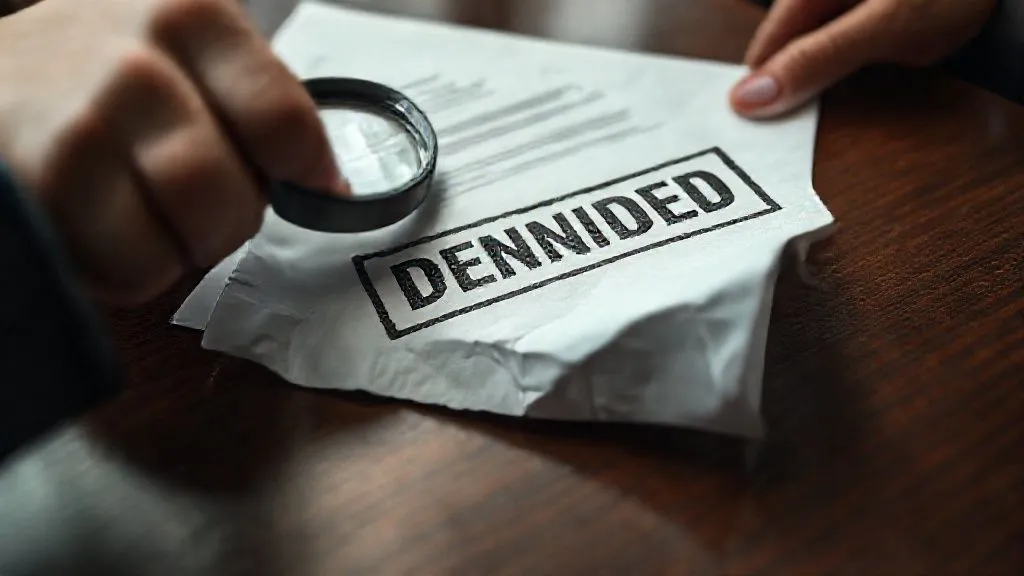
What to do when professional liability claim is denied?
For over two decades in the intricate world of professional liability and insurance, I've witnessed firsthand the crushing blow professionals face when a claim is denied. It's a moment that can feel like your entire career, your reputation, and your financial security are hanging by a thread.
The news that your professional liability claim has been rejected isn't just a setback; it's a crisis that demands immediate, strategic action. Many professionals, overwhelmed by the complexity and the perceived finality of a denial, often make critical mistakes that can cost them dearly. They might accept the denial without scrutiny, unaware of the powerful avenues available for recourse.
But here’s the truth: a denial is rarely the end of the road. In this definitive guide, I'll walk you through a proven, seven-step action plan, honed from years of experience in insurance disputes, to effectively challenge a denied professional liability claim. We'll uncover common pitfalls, explore robust appeal strategies, and equip you with the insights to navigate this challenging terrain, transforming a potential disaster into a manageable process.
Understanding the Denial: Why Did This Happen?
Before you can effectively fight a denial, you must understand its root cause. An insurance company's denial letter isn't just a 'no'; it's a legal document outlining their specific reasons, often citing policy clauses or perceived shortcomings in your claim. Ignoring this detail is like trying to solve a puzzle without looking at the pieces. For a deeper dive into what constitutes professional liability, you might find Investopedia's guide to Professional Liability Insurance helpful.
From my perspective, many denials stem from a few recurring issues. Sometimes it's a misunderstanding of the policy's terms and conditions, other times it's insufficient documentation, or even a procedural misstep during the initial claim submission. Pinpointing the exact reason is your first, crucial analytical task.
Common reasons often include:
- Lack of Coverage: The claim falls outside the scope of your specific policy. Perhaps it's an excluded service, a prior acts exclusion, or a claim that occurred before your policy's retroactive date.
- Late Reporting: You failed to report the claim within the timeframe specified in your policy. Professional liability policies are typically 'claims-made' policies, meaning the claim must be made and reported during the policy period.
- Misrepresentation: Allegations that you provided false or incomplete information when applying for the policy.
- Insufficient Evidence: The insurer believes there isn't enough proof to substantiate the claim of professional negligence or error.
- Policy Exclusions: The claim relates to an event specifically excluded by your policy, such as criminal acts, intentional wrongdoing, or certain types of contractual disputes.
- Failure to Cooperate: You didn't provide requested information or cooperate with the insurer's investigation in a timely manner.
| Reason for Denial | Initial Action | Key Documentation |
|---|---|---|
| Lack of Coverage | Review policy exclusions & endorsements carefully, seek clarification. | Policy declarations, endorsements, claim details. |
| Late Reporting | Check policy's 'claims-made' clause and reporting window. | Policy effective dates, claim notice date. |
| Insufficient Evidence | Gather all supporting documents, expert opinions, client records. | Client contracts, work product, communication logs, expert reports. |
| Policy Exclusion | Verify if claim truly falls under exclusion. Is there ambiguity? | Policy language, exclusion clauses, legal interpretation. |
| Failure to Cooperate | Promptly provide all requested information and maintain communication. | Correspondence with insurer, records of information provided. |
Understanding these nuances is the foundation of your counter-argument. Don't just read the denial letter; dissect it.
Immediate Steps: Don't Panic, Organize Your Defense
Receiving a denial can trigger a cascade of stress, but the most crucial advice I can give you is this: do not panic. Hasty, emotional responses can jeopardize your position. Instead, take a deep breath and immediately shift into an organized, methodical defense strategy.

Your first move is to meticulously review your professional liability policy. This isn't just a cursory glance; it's a forensic examination. Pay close attention to:
- The declarations page: This summarizes your coverage limits, policy period, and deductible.
- The insuring agreement: What exactly is covered?
- Exclusions: What is specifically not covered? This is often where denials are rooted.
- Conditions: What are your obligations as the insured, especially regarding reporting claims and cooperation?
- Definitions: How does the policy define key terms like 'claim,' 'professional services,' or 'damages'?
Next, gather all relevant documentation related to the claim. This includes:
- The original claim submission.
- All correspondence with the claimant and your insurance company.
- Client contracts, project timelines, and deliverables.
- Internal notes, emails, and any communication logs that shed light on the professional services rendered.
- Expert reports or opinions that support your work or refute the allegations.
- Any evidence that contradicts the insurer's stated reason for denial.
Time is of the essence, but precision is paramount. Create a chronological file of all documents. This organized approach will not only save you time later but also present a clear, compelling narrative when you communicate with your insurer or legal counsel. Remember, the burden of proof, to a degree, shifts to you to challenge their denial effectively.
Crafting Your Appeal: Building a Robust Rebuttal
Once you understand the denial and have organized your initial documents, the next critical phase is to draft a comprehensive appeal letter. This isn't a simple complaint; it's a formal, persuasive argument designed to systematically dismantle the insurer's rationale for denial. Think of it as building a legal case, even if you're not an attorney.
Your appeal letter should be:
- Factual and Objective: Stick to the facts. Avoid emotional language or accusations.
- Detailed and Specific: Directly address each point of denial made by the insurer, citing specific policy language and providing counter-evidence.
- Well-Supported: Reference all supporting documents you've gathered. Attach copies, ensuring they are clearly indexed.
- Polite but Firm: Maintain a professional tone. You are seeking a reconsideration, not starting a fight (yet).
The importance of meticulous documentation cannot be overstated, as emphasized by legal experts and even Forbes Advisor on legal documentation.
In my extensive experience, the most successful appeals often involve obtaining an independent expert opinion. If the insurer's denial hinges on the quality of your professional services, a peer review from another respected professional in your field can be incredibly powerful. This expert can analyze the situation, your work, and provide an unbiased assessment that validates your actions or explains industry standards that were met. This external validation lends significant credibility to your appeal and directly challenges the insurer's assessment, which may have been conducted by someone without direct experience in your specific niche.
"A well-reasoned, expertly supported appeal letter transforms a 'no' into a 'let's reconsider.' It shifts the conversation from a unilateral decision to a bilateral negotiation based on evidence."
For instance, if your claim was denied due to 'insufficient evidence' regarding a specific technical procedure you performed, an expert witness in that exact technical domain can attest to the standard of care met, using industry best practices and specific data to back their claims. This is where your preparedness truly pays off.
Navigating the Appeals Process: Internal vs. External Reviews
With your robust appeal package ready, you'll now engage with the insurer's internal appeals process. Most insurance companies have a multi-tiered system for reviewing denied claims. This usually begins with resubmitting your claim and appeal letter directly to the claims department, often to a different, more senior adjuster or a dedicated appeals unit.
Internal Appeal Process:
- Submit Your Appeal: Send your appeal letter and all supporting documents via certified mail with a return receipt requested, or through a secure online portal if available. This ensures you have proof of submission and delivery.
- Follow Up: Don't just send and wait. Follow up regularly, but politely, to ensure your appeal is being reviewed. Document all communications, including dates, times, and names of individuals you spoke with.
- Be Prepared for Dialogue: The insurer might request additional information or offer to discuss their decision. Engage professionally and provide any further details promptly.
If the internal appeal is unsuccessful, it's time to consider external review options. Many states offer an independent external review process for insurance denials, typically overseen by the state's Department of Insurance or a similar regulatory body. This is a vital consumer protection mechanism. The National Association of Insurance Commissioners (NAIC) provides valuable resources on state-specific regulations.
External Review Process:
- Contact Your State Department of Insurance: File a complaint or request an external review. They will guide you through their specific procedures.
- Prepare Your Case: You'll typically need to submit copies of your original claim, the denial letter, your internal appeal, and any new supporting evidence.
- Third-Party Review: An independent third party (often a medical professional, if applicable, or a legal expert) will review your case and the insurer's decision. Their decision is often binding on the insurer.
In my experience, external reviews can be incredibly effective, especially when the insurer's denial seems arbitrary or poorly supported. They provide an impartial arbiter, removing the inherent conflict of interest when an insurer reviews its own decisions.
Seeking Professional Counsel: When to Bring in Legal Experts
While you can initiate the appeal process yourself, there often comes a point where the complexity, the stakes, or the insurer's intransigence necessitate professional legal intervention. This is not a sign of weakness; it's a strategic escalation. An attorney specializing in insurance law or professional liability defense can be an invaluable asset.

A skilled attorney brings several advantages to your corner:
- Legal Interpretation: They can interpret complex policy language, identify ambiguities, and understand the legal precedents that might apply to your case.
- Negotiation Expertise: Lawyers are adept at negotiating with insurance companies, often achieving better outcomes than individuals attempting to navigate these discussions alone.
- Litigation Threat: The involvement of an attorney signals your serious intent and the potential for litigation, which can sometimes prompt insurers to reconsider their denial.
- Procedural Compliance: They ensure all filings are correct, deadlines are met, and processes are followed rigorously, avoiding any technical grounds for further denial.
I've seen countless cases where an insurer, after initially holding firm, becomes much more receptive to negotiation once a reputable law firm steps in. It changes the dynamic. When selecting an attorney, look for someone with specific experience in professional liability insurance disputes, not just general litigation. Ask about their track record with similar cases.
Case Study: Architect's Denied Design Claim
An architect, Ms. Chen, faced a denied professional liability claim after a client alleged design flaws. The insurer cited an exclusion for 'pure economic loss.' Ms. Chen initially appealed herself, but after a second denial, she engaged an attorney specializing in construction and insurance law. The attorney meticulously argued that the 'pure economic loss' exclusion was misinterpreted, as the design flaws directly led to physical damage, albeit minor, necessitating costly rework. The lawyer also highlighted the insurer's previous interpretations in similar cases. Faced with a well-researched legal argument and the threat of litigation, the insurer reversed its denial, settling the claim for 70% of the original demand, saving Ms. Chen significant out-of-pocket expenses and protecting her reputation.
This case underscores the power of specialized legal expertise in navigating the intricate landscape of insurance policy interpretation.
Beyond the Appeal: Litigation and Alternative Dispute Resolution
If all appeals, both internal and external, fail to yield a satisfactory outcome, you're left with two primary avenues: litigation or Alternative Dispute Resolution (ADR). This is where the initial skirmish escalates into a full-blown legal battle or a structured negotiation.
Litigation: Suing your insurer is a significant step. It's often a lengthy, expensive, and emotionally taxing process. However, if you have a strong case and believe the insurer has acted in bad faith or breached their contract, it may be your only recourse to recover damages. Your attorney will guide you through the process of filing a lawsuit, discovery, and potentially a trial. The goal is to prove that the insurer wrongfully denied your claim and is obligated to cover your professional liability.
Alternative Dispute Resolution (ADR): Before resorting to a lawsuit, consider ADR methods like mediation or arbitration.
- Mediation: A neutral third party (the mediator) facilitates communication and negotiation between you and the insurer, helping you find a mutually agreeable settlement. The mediator doesn't make a decision but guides the parties towards one. Mediation is non-binding and often less formal and costly than litigation.
- Arbitration: Similar to a court process, but often less formal and private. A neutral third party (the arbitrator) hears arguments and evidence from both sides and then makes a binding decision. Many insurance policies actually include mandatory arbitration clauses, so review your policy carefully for this.
According to a study published in the ABA Journal of Dispute Resolution, ADR methods resolve a significant percentage of disputes without the need for court, saving time and resources. I often advise clients to explore ADR vigorously before committing to litigation. It provides a structured environment to present your case and can lead to a quicker, more cost-effective resolution while maintaining some control over the outcome.
Choosing between litigation and ADR depends on the specifics of your case, the strength of your evidence, the amount of money at stake, and your willingness to commit to a potentially long legal battle. This is where the strategic advice of your legal counsel becomes indispensable.
Protecting Your Practice: Lessons Learned and Future Prevention
Navigating a denied professional liability claim is a harsh but potent lesson. Regardless of the outcome, it offers invaluable insights into strengthening your practice against future risks. Proactive measures are always more effective and less costly than reactive damage control.

Here are key takeaways for prevention and enhanced protection:
- Thorough Policy Review (Annually): Don't just renew; review. Understand every clause, exclusion, and condition. If you change your services or expand your practice, ensure your coverage adapts. Consider seeking an independent insurance broker for an annual policy audit.
- Impeccable Documentation: Maintain meticulous records of all client interactions, project details, communications, and decisions. 'If it wasn't documented, it didn't happen' is a golden rule in professional liability.
- Clear Client Contracts: Ensure your contracts clearly define the scope of work, deliverables, expectations, and limitations of liability. Ambiguity is a breeding ground for disputes.
- Prompt Claim Reporting: Report any potential claims or circumstances that could lead to a claim to your insurer immediately, even if you think it's minor. 'Claims-made' policies demand this.
- Continuing Education & Best Practices: Stay current with industry standards, regulations, and best practices. Professional negligence often arises from outdated knowledge or processes.
- Risk Management Strategy: Develop an internal risk management framework. Regularly assess potential liabilities, train staff, and implement protocols to mitigate risks. Deloitte's insights on enterprise risk management offer excellent starting points.
As a long-time observer of professional practices, I've seen that those who emerge strongest from a denied claim are those who use the experience to fortify their foundations. It's not just about winning the appeal; it's about building a more resilient, protected professional future.
Frequently Asked Questions (FAQ)
Q: How long does the professional liability claim appeal process typically take? A: The timeline varies significantly. An internal appeal with your insurer can take anywhere from 30 to 90 days. If you escalate to an external review with your state's Department of Insurance, that could add another 60 to 120 days. Should the matter proceed to litigation, it could easily extend to several months or even years, depending on the complexity of the case and court schedules. Patience and persistence are key, but always be mindful of any statutes of limitations.
Q: Can a denied claim impact my future insurability or premiums? A: Unfortunately, yes. A denied claim, especially if it involves significant allegations or leads to litigation, can be flagged in your underwriting history. This might lead to higher premiums, a reduction in coverage options, or even difficulty obtaining professional liability insurance from certain carriers in the future. Proactively managing and, if possible, successfully appealing a denied claim can mitigate some of these long-term impacts. Transparency with future insurers about the resolution is often better than non-disclosure.
Q: What if the denial is due to a clerical error on the insurer's part? A: While less common, clerical errors do happen. If you suspect this, immediately contact your insurer's claims department with clear evidence of the error (e.g., policy number mismatch, incorrect date). A swift and well-documented communication can often resolve such issues quickly without needing a full formal appeal process. However, treat it with the same seriousness as any other denial until it's confirmed resolved.
Q: Is there a cost associated with appealing a denied professional liability claim? A: Yes, there can be. The initial internal appeal might only involve your time and postage. However, obtaining independent expert opinions can incur fees. If you engage legal counsel, you'll face attorney fees, which could be hourly, a flat fee, or a contingency basis (where the lawyer takes a percentage of the settlement, if any). External reviews by state departments of insurance are often free or have minimal administrative fees. Weigh the potential costs against the benefits of a successful appeal.
Q: What is 'bad faith' in the context of an insurance claim denial? A: 'Bad faith' refers to an insurer's unreasonable or dishonest refusal to pay a legitimate claim, or their failure to investigate and process a claim fairly and promptly. Examples include deliberately misrepresenting policy language, refusing to pay without a reasonable basis, or subjecting the insured to unreasonable delays. If you suspect your insurer is acting in bad faith, this significantly strengthens your case for litigation, as you may be entitled to additional damages beyond the original claim amount. This is a complex legal area where specialized legal counsel is absolutely essential.
Key Takeaways and Final Thoughts
Successfully navigating a denied professional liability claim requires a blend of diligence, strategic thinking, and sometimes, expert assistance. It's a journey that can feel daunting, but it is one you don't have to undertake unprepared.
Remember these critical steps:
- Understand the 'Why': Dissect the denial letter to pinpoint the exact reasons.
- Organize Your Evidence: Meticulously gather all relevant documents and communications.
- Craft a Strong Appeal: Build a factual, detailed, and well-supported rebuttal.
- Leverage Expert Opinions: Independent assessments can significantly bolster your case.
- Know Your Avenues: Utilize both internal and external appeal processes.
- Engage Legal Counsel: Don't hesitate to seek specialized legal expertise when needed.
- Learn and Prevent: Use the experience to fortify your practice against future risks.
The path after a denied professional liability claim is challenging, but with the right approach, it's navigable. As an industry veteran, I've seen professionals not only recover from these situations but emerge stronger, with a more robust understanding of their insurance and risk management. Your professional integrity and financial well-being are worth fighting for. Take these steps, stay persistent, and protect what you've built.
Recommended Reading
- 5 Proven Strategies: How Busy Professionals Overcome Investment Paralysis
- R&D Tax Credit Refund Rejected? 7 Expert Steps to Appeal & Win
- The Untold Secret: Can I Negotiate Lower Interest Rates on Old Debts?
- Global Deflation: 7 Strategies to Shield Multinational Revenue
- The Ultimate Guide: How to Dispute an Unauthorized Bank Transaction Effectively?




Comments
Leave a comment below. Your email will not be published. Required fields marked with *