


What to do when home insurance denies a roof damage claim?
For over 15 years, navigating the intricate world of property insurance claims, especially those involving roof damage, has been a significant part of my professional life at insurancehelm.com. I've witnessed firsthand the profound distress homeowners experience when their insurance company delivers that dreaded denial letter, leaving them feeling vulnerable and unsure of their next move.
The problem is often multifaceted: a homeowner believes their policy covers a recent storm's havoc, only to be met with legalese that seems to invalidate their legitimate claim. This isn't just about a damaged roof; it's about the security of your home, your largest asset, and the peace of mind that comes with knowing you're protected.
In this definitive guide, I'll walk you through a proven, step-by-step framework to challenge a denied roof damage claim. We'll explore the common pitfalls, equip you with actionable strategies, and share expert insights, ensuring you have the knowledge and confidence to pursue the fair resolution you deserve.
Understanding the "Why": Common Reasons for Roof Claim Denial
Before you can effectively appeal a denial, you must understand the grounds on which your claim was rejected. Insurance companies are businesses, and their adjusters are trained to identify reasons for denial based on policy language. In my experience, most denials stem from a few recurring issues.
Age and Wear & Tear Exclusions
One of the most frequent reasons for a denied roof damage claim is the assertion that the damage is due to "wear and tear" or the roof's age, rather than a sudden, covered peril. Policies typically exclude damage that occurs gradually over time. If your roof is past its expected lifespan, an insurer might argue any damage, even from a storm, is exacerbated by its pre-existing condition.
Key Insight: It's crucial to differentiate between maintenance issues and new damage. A sudden impact or storm damage on an older roof might still be covered if the roof was functionally sound before the event.
Maintenance Issues vs. Sudden Damage
Insurers often deny claims if they believe the damage resulted from a lack of proper maintenance. For example, if gutters were clogged, leading to ice dams that damaged the roof structure, the insurer might attribute this to homeowner negligence. They look for evidence of neglected repairs or long-standing issues that could have been prevented.
I've seen countless cases where a minor, unaddressed flashing issue led to significant water damage, which the insurer then denied as a maintenance problem. Regular inspections and prompt repairs are your best defense here.
Improper Documentation or Late Filing
The claims process demands meticulous documentation and timely action. If you fail to provide sufficient evidence of damage, or if you wait too long to report the incident, your claim can be denied. Most policies have specific timelines for reporting damage, often within days or weeks of the event.
Pro Tip: Always photograph damage immediately after discovery, noting dates and conditions. This initial evidence is invaluable.
Disagreement on Damage Cause or Extent
Sometimes, the insurer's adjuster might agree there's damage but disagree on its cause or extent. They might attribute wind damage to hail, or vice-versa, or claim the damage is less severe than your contractor estimates. This discrepancy often leads to a lowball offer or an outright denial if the perceived cause isn't covered.
According to a report by the National Association of Insurance Commissioners (NAIC), disputes over the scope of damage are a leading cause of prolonged claims processes.
Step 1: Scrutinize Your Denial Letter and Policy
The first and most critical step when facing a denied roof damage claim is to thoroughly review your denial letter. This isn't just a formality; it's your roadmap for appeal.
Decoding the Denial Language
Your denial letter should clearly state the specific reasons for the denial and cite the relevant sections of your insurance policy. Don't skim this. Read every word, highlighting the clauses the insurer references. Look for terms like "wear and tear," "lack of maintenance," "pre-existing damage," or specific exclusions.
"Understanding the precise reason for denial is like knowing your opponent's play in a chess match. Without it, your counter-strategy is purely guesswork."
Reviewing Your Policy Declarations
Once you understand the insurer's stated reason, pull out your actual homeowner's insurance policy. Pay close attention to:
- Declarations Page: This summarizes your coverage, deductibles, and endorsements.
- Exclusions Section: This details what your policy *does not* cover.
- Conditions Section: This outlines your responsibilities as the policyholder (e.g., timely reporting, maintaining the property).
- Endorsements: These are additions or amendments to your standard policy that might expand or restrict coverage.
Cross-reference the denial reasons with your policy. Does the policy genuinely support their claim? Are there ambiguities? This deep dive is often where you'll find your first points of contention.
Step 2: Gather Your Evidence: The Power of Documentation
A denied claim isn't the end; it's a call to action to strengthen your case with irrefutable evidence. The more robust your documentation, the harder it is for the insurer to dismiss your appeal.
Comprehensive Photo and Video Evidence
I cannot stress this enough: visual evidence is paramount. If you haven't already, take high-resolution photos and videos of *all* damage, both exterior and interior (if applicable). This includes:
- Overall roof shots: Show the entire roof from different angles.
- Close-ups of specific damage: Dents, punctures, missing shingles, water stains, lifted flashing.
- Attic views: Document any leaks, water stains, or structural damage from inside.
- Surrounding property damage: Fences, gutters, siding, windows – all contribute to the narrative of a significant event.
- Pre-damage photos (if available): If you have old photos of your roof in good condition, they can be invaluable for showing the sudden change.

Original Inspection Reports and Estimates
If you had your roof inspected by a professional contractor *before* the damage, that report can serve as proof of the roof's good condition. After the damage, obtain detailed repair estimates from reputable, licensed roofing contractors. Ensure these estimates clearly:
- Describe the damage found.
- Specify the cause of damage (e.g., wind, hail).
- Outline the scope of necessary repairs or replacement.
- Provide a line-by-line cost breakdown.
| Damage Type | Initial Adjuster Assessment | Independent Contractor Assessment |
|---|---|---|
| Hail Impact | Minor, cosmetic | Significant granule loss, widespread bruising, requires full replacement |
| Wind Lift | Isolated, repairable | Multiple lifted/missing shingles, compromised adhesive, vulnerable to future damage |
| Water Intrusion | Pre-existing leak | New water stains, associated with recent storm event |
Weather Reports and Expert Assessments
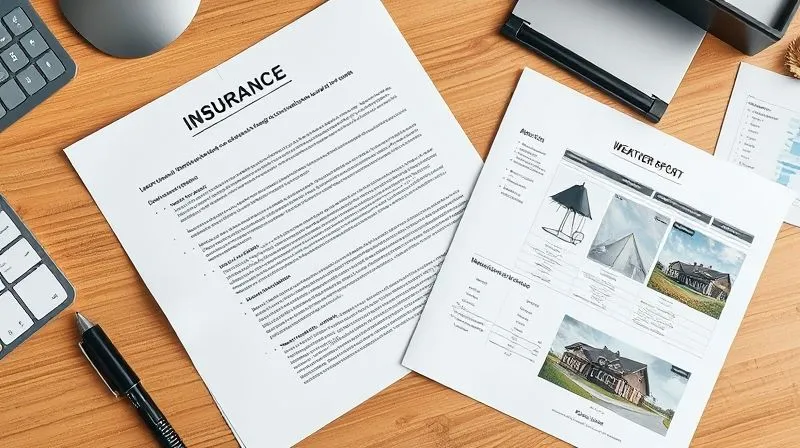
One of the most powerful pieces of evidence is an official weather report confirming severe weather (hail, high winds) in your specific area around the time of the damage. Websites like the National Weather Service (NWS) or local meteorological services can often provide this data. Furthermore, consider an assessment from a forensic engineer or an independent roofing consultant. Their unbiased, expert opinion can carry significant weight, especially if it contradicts the insurer's adjuster's findings.
Case Study: How Sarah's Weather Data Overturned a Denial
Case Study: Sarah's Storm-Damaged Roof and the Power of Persistence
Sarah, a homeowner in Oklahoma, had her roof damage claim denied after a severe hailstorm. The insurer cited "wear and tear" on her 12-year-old roof. Frustrated, Sarah followed my advice:
- She meticulously reviewed her denial letter and policy, noting the specific clauses cited.
- She gathered new evidence: high-resolution photos of fresh hail impacts, not just on her roof, but also on her gutters and siding, proving the storm's intensity.
- Crucially, she obtained an official meteorological report from a local weather service, confirming baseball-sized hail in her exact zip code on the day of the storm.
- She also hired an independent roofing contractor who provided a detailed report outlining fresh hail damage that compromised the roof's integrity, not just its aesthetics.
Armed with this comprehensive evidence, Sarah submitted a formal appeal. Within three weeks, the insurer rescinded their denial, acknowledging the new evidence, and approved her claim for a full roof replacement. Her persistence, backed by solid documentation, saved her tens of thousands of dollars.
Step 3: Initiate the Appeal: Your Right to Reconsideration
Once you've gathered your evidence, it's time to formally appeal the denied roof damage claim. This process is crucial and must be handled professionally.
Crafting a Formal Appeal Letter
Your appeal letter should be clear, concise, and professional. Avoid emotional language; stick to the facts. Include:
- Your policy number and claim number.
- The date of the damage and the date of the denial.
- A direct reference to the specific reasons for denial stated in their letter.
- A clear explanation of why you disagree with their assessment, referencing specific policy language or new evidence.
- A detailed list of all enclosed documentation (photos, reports, estimates, weather data).
- A request for reconsideration and a re-inspection by a different adjuster.
Send this letter via certified mail with a return receipt requested, so you have proof of delivery. Keep copies of everything.
Submitting New or Clarified Evidence
Along with your letter, provide copies (never originals!) of all the evidence you've collected. Organize it logically. If you have an independent expert's report, highlight key findings that directly contradict the insurer's initial assessment. The goal is to present an overwhelming case that makes it difficult for them to maintain their original denial.
Step 4: Consider a Second Opinion: Public Adjusters and Independent Contractors
When you feel outmatched by the insurance company's resources, bringing in your own experts can level the playing field.
When to Hire a Public Adjuster
A public adjuster is an independent claims professional you hire to represent your interests, not the insurance company's. They are experts in policy language, damage assessment, and negotiation. They work on a contingency basis, typically taking a percentage (e.g., 10-15%) of the final settlement.
I often recommend considering a public adjuster, especially if:
- The denied roof damage claim is significant (e.g., full roof replacement).
- The reasons for denial are complex or seem unfair.
- You feel overwhelmed or lack the time and expertise to fight the denial yourself.
They can be invaluable in navigating the appeals process, ensuring proper documentation, and negotiating a fair settlement. You can find reputable public adjusters through organizations like the National Association of Public Insurance Adjusters (NAPIA).
Getting Multiple Contractor Estimates
If the insurer denies your claim based on the *extent* of damage or the *cost* of repair, having multiple, detailed estimates from different licensed roofing contractors is crucial. These estimates should be consistent in their assessment of damage and proposed repairs, reinforcing the necessity and cost of the work.
"An independent expert's assessment can transform a 'he-said-she-said' dispute into a fact-based negotiation."
Step 5: Engaging Legal Counsel: When to Call an Attorney
While often a last resort, involving legal counsel can be necessary, especially if you suspect bad faith practices or if the denied roof damage claim involves substantial financial implications.
Understanding Bad Faith Insurance Practices
Insurance companies have a legal obligation to act in "good faith" towards their policyholders. This means they must investigate claims thoroughly, promptly, and fairly. If an insurer:
- Unreasonably denies a valid claim.
- Delays payment without proper cause.
- Misrepresents policy language.
- Fails to conduct a proper investigation.
...they might be acting in bad faith. If you suspect this, an attorney specializing in insurance law can assess your case and advise on legal action.
Litigation as a Last Resort
Filing a lawsuit against your insurance company is a serious step, often time-consuming and expensive. However, in cases of clear bad faith or persistent, unjust denial, it may be your only recourse. An attorney will guide you through the complexities of litigation, from discovery to potential settlement or trial.

Step 6: State Insurance Departments and Consumer Protection
Before or in parallel with legal action, consider leveraging state regulatory bodies.
Filing a Complaint with Your State Department of Insurance
Every state has a Department of Insurance (or similar body) responsible for regulating insurance companies and protecting consumers. Filing a formal complaint with them can trigger an investigation into your claim. While they typically cannot force an insurer to pay a claim, they can mediate disputes and ensure the company followed proper procedures. The threat of regulatory scrutiny often prompts insurers to re-evaluate claims more carefully.
You can find your state's department of insurance contact information via the NAIC website.
Exploring Mediation and Arbitration
Some policies or state regulations may require or offer alternative dispute resolution methods like mediation or arbitration. In mediation, a neutral third party helps both sides negotiate a settlement. In arbitration, a neutral third party hears both sides and makes a binding or non-binding decision. These can be less formal and less expensive alternatives to litigation, potentially resolving a denied roof damage claim more quickly.
| Option | Pros | Cons |
|---|---|---|
| Public Adjuster | Expert representation, handles paperwork, contingency fee | Percentage of settlement, may not be necessary for small claims |
| Attorney | Legal expertise, can pursue bad faith, highest leverage | Can be expensive, potentially lengthy process, last resort |
| State DOI Complaint | Free, regulatory oversight, can prompt re-evaluation | Cannot force payment, process can be slow, limited power |
| Mediation/Arbitration | Faster than litigation, less formal, neutral third party | Outcome not guaranteed, may be binding, limited discovery |
Frequently Asked Questions (FAQ)
Q: How long do I have to appeal a denied roof damage claim? A: The timeframe for appealing a denied claim varies by state and by your specific policy. Most policies have a "statute of limitations" or a specific period (e.g., 1-2 years) within which you must file a lawsuit or complete an appeal. Always check your policy documents and consult with a legal expert in your state to understand the precise deadlines. Acting promptly is always advisable.
Q: Can my insurance company cancel my policy if I appeal a denial? A: Generally, an insurance company cannot cancel your policy simply because you filed a legitimate claim or appealed a denial. However, they may choose not to renew your policy at the end of its term if they deem you too risky, especially if you've filed multiple claims. This is a complex area, and laws vary by state, so it's wise to consult with an insurance expert or attorney if you have concerns.
Q: What if the insurer's re-inspection still results in a denial? A: If a re-inspection by a different adjuster still leads to a denial, it's a strong indicator that you need to escalate your efforts. This is typically when you should seriously consider engaging a public adjuster or legal counsel. Their expertise can help identify weaknesses in the insurer's argument or uncover potential bad faith practices, guiding you toward further steps like state department of insurance complaints or formal mediation.
Q: Is it worth appealing a small claim? A: The "worth" of appealing a smaller denied roof damage claim depends on your deductible and the actual cost of repairs. If the repair cost is only slightly above your deductible, the time and effort of an appeal might not be justified. However, if the denial sets a precedent for future claims, or if you believe the insurer is acting unfairly, even a smaller claim can be worth fighting to protect your rights as a policyholder. Calculate the potential gain versus the investment of your time and resources.
Q: What's the difference between an insurance adjuster and a public adjuster? A: An insurance adjuster (or staff adjuster) works directly for the insurance company and is paid by them. Their primary role is to assess damage and determine coverage for the company. A public adjuster, on the other hand, is an independent professional you hire. They work exclusively for you, the policyholder, to assess damage, interpret your policy, and negotiate with the insurance company on your behalf. They are paid a percentage of your settlement, aligning their interests with yours.
Key Takeaways and Final Thoughts
Facing a denied roof damage claim can feel like a devastating setback, but it is rarely the end of the road. As an industry specialist, I've seen countless homeowners successfully overturn denials by understanding their rights, meticulously documenting their case, and persistently pursuing a fair outcome. Remember these critical steps:
- Understand Your Denial: Read your denial letter and policy thoroughly to identify the exact reasons.
- Document Everything: Gather comprehensive photos, videos, contractor estimates, and weather reports.
- Formally Appeal: Submit a well-structured appeal letter with all supporting evidence.
- Seek Expert Help: Don't hesitate to consult public adjusters or independent experts.
- Know Your Rights: Understand bad faith practices and when to involve legal counsel or state regulators.
Your home is your sanctuary, and protecting it means being an informed and proactive advocate for your own interests. While the process can be challenging, armed with the right knowledge and a methodical approach, you can significantly increase your chances of turning a denied roof damage claim into a successful resolution. Stay persistent, stay informed, and don't let a denial define your outcome.
Recommended Reading
- Navigating Volatile GDP: 7 Strategies for Resilient Business Forecasts
- Unveiling the Truth: Are Budgeting Apps Safe for Your Financial Data?
- 7 Proven Strategies: Boost Mobile Banking App Engagement Post-Onboarding
- Direct Deposit Failure? 5 Steps to Save Critical Vendor Payments
- 7 Proven Strategies: How to Legally Reduce Capital Gains Tax on a Large Business Sale?




Comments
Leave a comment below. Your email will not be published. Required fields marked with *