



What to do if critical home repair exceeds emergency fund?
For over two decades in the personal finance arena, I've witnessed the profound stress and financial upheaval that unexpected, critical home repairs can inflict. Many diligent homeowners establish an emergency fund, only to discover that the true cost of a sudden structural issue or major system failure can dwarf their carefully saved reserves. It's a scenario that can feel like a punch to the gut, leaving you wondering if all your planning was in vain.
The crushing reality of a home repair bill that significantly exceeds your emergency fund isn't just about the money; it's about the safety and stability of your home, your family's peace of mind, and the potential for long-term financial setback. I've coached countless individuals through these very situations, and the initial panic is always palpable. Yet, it's precisely in these moments of crisis that clear, strategic thinking becomes your most valuable asset.
In this definitive guide, I will walk you through an expert-backed framework for navigating this challenging situation. We’ll explore actionable steps, from immediate damage assessment and creative financing solutions to savvy negotiation tactics and long-term preventative strategies. My goal is to equip you with the knowledge and confidence to address what to do if critical home repair exceeds emergency fund, not just survive it, but emerge with your financial health intact and even strengthened.
Assess the Damage and Get Multiple Estimates: Your First Critical Step
When faced with a critical home repair, the instinct to panic and rush into the first solution often leads to costly mistakes. Before you even think about how to pay, you need a precise understanding of the problem and its scope. This isn't just about identifying the leak; it's about understanding the underlying cause, the extent of the damage, and the true cost of a lasting repair, not just a temporary fix.
- Immediate Safety Check: First, ensure the immediate safety of your household. If there's a risk of structural collapse, electrical hazard, or gas leak, contact emergency services and professionals immediately.
- Document Everything: Take photos and videos of the damage from multiple angles. This documentation will be invaluable for insurance claims and when discussing with contractors.
- Get At Least Three Detailed Estimates: Never settle for a single quote. Contact reputable, licensed, and insured contractors. Ask for itemized estimates that break down labor, materials, and any potential sub-contractor costs. Ensure they understand the full scope of the repair needed.
- Verify Contractor Credentials: Check references, online reviews, and their standing with local licensing boards (e.g., the Better Business Bureau). A contractor's reputation is a strong indicator of their reliability and quality of work.
- Understand the Root Cause: Ask contractors to explain not just the repair, but why the damage occurred. Addressing the root cause can prevent recurrence and save money in the long run.
"In my experience, homeowners who rush into the first repair quote often pay 15-30% more than those who take the time to gather multiple, detailed estimates. Due diligence here is not a delay; it's a critical financial safeguard."
This initial assessment phase is where you transition from panic to a plan. With accurate information, you can make informed decisions, which is paramount when your critical home repair exceeds emergency fund limits.

Exhaust Internal Resources: Digging Deeper Than Your Emergency Fund
Before considering external borrowing, it's crucial to thoroughly examine all your existing financial resources. Your emergency fund is your first line of defense, but when a critical home repair exceeds emergency fund capacity, you might have other assets that can be responsibly accessed to bridge the gap without incurring high-interest debt.
Hidden Savings and Assets
Many individuals have funds or assets they don't immediately consider part of their "emergency fund." These might include:
- Savings Accounts: Beyond your primary emergency fund, do you have a separate savings account for a vacation, a new car, or a down payment? While it's painful to dip into these, a critical home repair often takes precedence over future discretionary spending.
- Investments (Non-Retirement): Consider highly liquid investments like money market accounts, short-term CDs, or taxable brokerage accounts. Selling off a small portion of these might be less costly than high-interest loans. However, be mindful of capital gains taxes and market timing.
- Cash Value Life Insurance: If you have a whole life or universal life insurance policy, it might have accumulated cash value that you can borrow against. Policy loans typically have lower interest rates than personal loans and don't require credit checks, but they can reduce the death benefit if not repaid.
- Valuable Possessions: While not ideal, consider selling non-essential valuable items like extra vehicles, collectibles, or unused electronics. This should be a last resort for internal resources, but it can provide immediate cash without debt.
Leveraging Home Equity (Carefully)
Your home itself is often your largest asset, and its equity can be a source of funds. However, borrowing against your home should be approached with extreme caution, as your home serves as collateral.
- Home Equity Line of Credit (HELOC): A HELOC is a revolving line of credit, much like a credit card, but secured by your home. You can draw funds as needed up to a certain limit. Interest rates are typically variable and often lower than personal loans, but careful management is essential to avoid overspending.
- Home Equity Loan: This is a lump-sum loan with a fixed interest rate and repayment schedule, also secured by your home. It's often preferred for a known, fixed expense like a large home repair.
- Cash-Out Refinance: If interest rates are favorable, you might consider refinancing your existing mortgage for a larger amount and taking the difference in cash. This can lower your overall interest rate and provide a significant lump sum, but it extends your mortgage term and increases your total interest paid over time.
According to a recent Federal Reserve survey, over 60% of homeowners have significant equity, making these options accessible for many. However, I always advise clients to consider the long-term implications of using their home as an ATM. Is the repair truly critical, or can it wait?
| Option | Pros | Cons |
|---|---|---|
| Personal Savings/Investments | No new debt, immediate access | Reduces future security, potential tax implications |
| Cash Value Life Insurance Loan | Lower interest, no credit check | Reduces death benefit, policy risk |
| HELOC | Flexible, lower variable rates | Home as collateral, variable payments, temptation to overspend |
| Home Equity Loan | Fixed rate, predictable payments | Home as collateral, closing costs |
| Cash-Out Refinance | Potentially lower overall rate, large lump sum | Extends mortgage, closing costs, resets amortization |
Navigating External Funding Options: Smart Borrowing Strategies
When internal resources are insufficient, and you're grappling with what to do if critical home repair exceeds emergency fund, external financing becomes a necessity. The key here is "smart borrowing" – choosing the lowest-cost, most responsible option that minimizes long-term financial strain.
Personal Loans vs. Credit Cards: A Strategic Choice
These are often the first external options people consider, but they come with significant differences.
- Personal Loans: Unsecured personal loans offer a lump sum with a fixed interest rate and repayment term. They are generally preferable to credit cards for large, unexpected expenses because of their predictable payments and often lower interest rates.
- Credit Cards: While convenient, using credit cards for a large repair should be a last resort due to their typically high interest rates. If you have a card with a 0% introductory APR, it could be a temporary solution if you are absolutely certain you can pay off the balance before the promotional period ends. Otherwise, the interest can quickly snowball.
- Shop Around for Personal Loans: Compare offers from multiple banks, credit unions, and online lenders. Look for the lowest APR, reasonable fees, and a repayment term that fits your budget without stretching it too thin.
- Understand the Fine Print: Pay close attention to origination fees, prepayment penalties, and late payment fees.
- Consider a Co-signer: If your credit score isn't ideal, a co-signer with excellent credit can help you secure a lower interest rate.
"Never use a high-interest credit card for a critical home repair unless it's an absolute emergency and you have a concrete, short-term plan to pay it off. The interest accrual can quickly turn a manageable debt into a financial crisis."
Always prioritize options with fixed, predictable payments and the lowest possible interest rates. Responsible borrowing means understanding the total cost of the loan and your ability to repay it.

Government Programs and Non-Profits: Often Overlooked Lifelines
Many homeowners are unaware of programs designed to assist with critical home repairs, especially for low-income individuals, seniors, or those in specific geographic areas.
- HUD (Department of Housing and Urban Development): HUD offers various programs and grants for home repairs, particularly for health and safety issues. Check their website for local resources and eligibility requirements. Learn more about HUD's housing repair programs here.
- Local Housing Authorities: Your local or county housing authority may administer grants or low-interest loans for home rehabilitation, especially for code violations or accessibility modifications.
- Non-Profit Organizations: Organizations like Habitat for Humanity often have repair programs for low-income families, and others specialize in specific types of repairs (e.g., weatherization, energy efficiency). A quick search for "home repair assistance [your city/state]" can yield surprising results.
- Disaster Relief: If your critical repair is due to a natural disaster, FEMA (Federal Emergency Management Agency) or state-specific disaster relief programs may offer grants or low-interest loans.
These programs often have strict eligibility criteria and can take time to process, so they might not be suitable for immediate, urgent repairs. However, if you have some lead time or if the repair is not an immediate emergency, exploring these options can save you significant money.
Negotiating with Contractors and Suppliers: Saving Money Upfront
Once you have multiple estimates, don't assume the first price is the final price. Negotiation is a powerful tool to reduce costs, especially when a critical home repair exceeds emergency fund limits. Contractors often have some flexibility, particularly in competitive markets or for larger jobs.
- Use Competing Bids: Politely inform your preferred contractor that you have other bids. Ask if they can match or beat a competitor's price for the same scope of work.
- Ask for Discounts: Inquire about discounts for cash payments (if applicable), off-season work, or if they have any current promotions.
- Be Flexible with Scheduling: If your repair isn't an immediate emergency, offering flexibility with the start date can sometimes lead to a better price if the contractor has gaps in their schedule.
- Clarify Material Choices: Sometimes, a slight change in material (e.g., a different brand of tile that's equally durable but less expensive) can significantly reduce costs without compromising quality.
- DIY for Non-Critical Aspects: Discuss with your contractor if there are any aspects of the job you can safely and competently handle yourself (e.g., demolition, painting, cleanup) to reduce labor costs.
Case Study: The Martinez Family's Foundation Repair
The Martinez family faced a daunting $35,000 foundation repair bill, far exceeding their $10,000 emergency fund. After getting four estimates, they chose a reputable contractor whose bid was $32,000. Knowing their budget constraints, Mrs. Martinez politely explained their situation and asked if there was any flexibility. She mentioned another bid was $30,500 for a similar scope. The contractor, eager for the work, agreed to match the lower price and also offered a 5% discount for a partial upfront payment, reducing the total to $28,975. By simply asking and being prepared, the Martinezes saved over $6,000, significantly reducing their borrowing needs and demonstrating the power of negotiation when your critical home repair exceeds emergency fund capacity.
Creating a Rapid Repayment Plan: Minimize Long-Term Financial Strain
Once you've secured the funds, the next critical step is to develop a clear, aggressive repayment plan. The longer you carry debt, especially high-interest debt, the more it costs you. My philosophy is always to minimize the time you spend in debt, particularly when it comes to unexpected expenses like a critical home repair.
- Analyze Your Budget: Go through your current budget with a fine-tooth comb. Identify every non-essential expense that can be temporarily cut or reduced. This might include dining out, subscriptions, entertainment, or even temporarily pausing contributions to non-retirement savings if necessary.
- Implement the "Snowball" or "Avalanche" Method: If you've taken on multiple forms of debt (e.g., a small personal loan and some credit card balance), decide on a repayment strategy. The "debt snowball" focuses on paying off the smallest debt first for psychological wins, while the "debt avalanche" prioritizes debts with the highest interest rates to save the most money. For a critical home repair, the avalanche method is usually financially superior.
- Seek Temporary Income Boosts: Can you take on a side hustle, work extra hours, or sell more unused items? Even a temporary increase in income can significantly accelerate your debt repayment.
- Automate Payments: Set up automatic payments to ensure you never miss a due date, which can incur late fees and damage your credit score. If possible, set them up for slightly more than the minimum payment.
- Re-evaluate Periodically: Review your budget and repayment progress every month. As you pay down debt, you might free up more cash flow to accelerate further.
This phase is about discipline and focus. Every extra dollar you can put towards this debt is a dollar saved in interest and a step closer to financial recovery.
| Category | Original Amount | Revised Amount (Temporary) | Savings |
|---|---|---|---|
| Original Monthly Budget Item | $300 | $100 | $200 |
| Dining Out | $250 | $50 | $200 |
| Entertainment/Subscriptions | $150 | $50 | $100 |
| Non-Essential Shopping | $200 | $0 | $200 |
| Total Additional Available for Debt | - | - | $700 |
By making these temporary adjustments, you can free up significant funds to pay down your repair debt much faster. For more resources on budgeting and debt repayment, visit the National Foundation for Credit Counseling (NFCC) website.
Preventative Measures and Future-Proofing Your Emergency Fund
Going through a critical home repair that exceeds your emergency fund is a tough lesson, but it’s also an opportunity to build greater financial resilience. The experience should compel you to re-evaluate your emergency fund strategy and home maintenance practices.
Rebuilding Your Emergency Fund Strategically
Your primary goal post-repair should be to replenish and potentially expand your emergency fund. This time, aim for a more robust buffer, perhaps 6-12 months of living expenses, especially if you own a home.
- Automate Savings: Set up automatic transfers from your checking to your savings account immediately after each paycheck. Even small, consistent contributions add up quickly.
- Windfalls to Savings: Direct any unexpected income – bonuses, tax refunds, gifts – directly into your emergency fund until it's fully replenished.
- Cut Non-Essential Spending: Continue the disciplined budgeting from your repayment plan until your fund is robust again.
Home Maintenance Fund: A Separate, Dedicated Pot
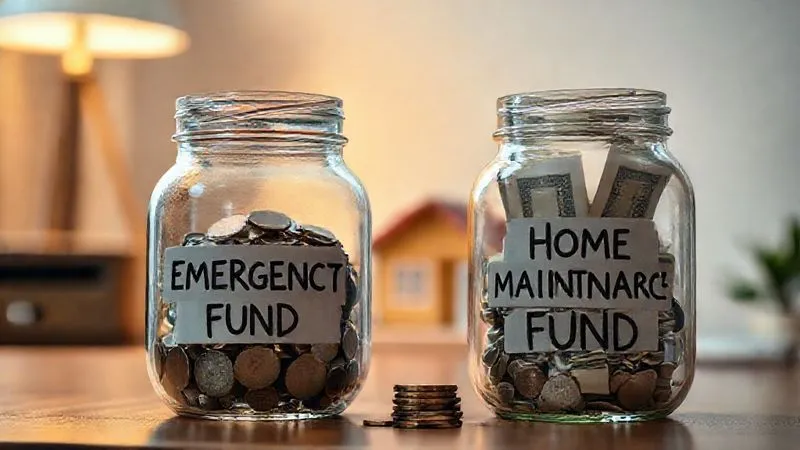
One of the biggest lessons when a critical home repair exceeds emergency fund capacity is the need for a separate, dedicated fund for home maintenance and minor repairs. This is distinct from your general emergency fund.
"I always advise homeowners to establish a dedicated 'Home Repair & Maintenance Fund.' This fund acts as a buffer for the expected wear and tear of homeownership, protecting your main emergency fund for true life emergencies like job loss or medical crises."
A common rule of thumb is to save 1% to 4% of your home's value annually for maintenance. For a $300,000 home, that's $3,000 to $12,000 per year, or $250 to $1,000 per month. This fund covers everything from a leaky faucet to a new appliance, preventing these from becoming "critical emergencies."
Regular, preventative maintenance can also significantly reduce the likelihood of critical repairs. Inspections, cleaning gutters, checking HVAC systems, and addressing small issues before they escalate are all part of smart homeownership. For help estimating these costs, explore resources like Homewyse's cost calculators.
Considering Insurance Claims: When Your Policy Can Help
Many critical home repairs stem from events that might be covered by your homeowner's insurance. It's crucial to understand your policy and when to file a claim, especially when you're asking what to do if critical home repair exceeds emergency fund.
- Review Your Policy: Get out your homeowner's insurance policy and carefully read the "Coverages" and "Exclusions" sections. Understand what types of damage are covered (e.g., sudden and accidental damage from perils like fire, theft, wind, burst pipes) and what isn't (e.g., damage from neglect, wear and tear, floods, earthquakes unless you have separate policies).
- Understand Your Deductible: Your deductible is the amount you pay out of pocket before your insurance coverage kicks in. If the repair cost is only slightly above your deductible, it might not be worth filing a claim, as it could lead to increased premiums.
- Act Promptly: Most policies require you to report damage in a timely manner. Delaying can jeopardize your claim.
- Document Everything: As mentioned earlier, photos, videos, and detailed contractor estimates are vital for your insurance claim.
- Be Prepared for the Process: Filing a claim can be a lengthy process involving adjusters, inspections, and paperwork. Be patient and persistent.
Understanding Deductibles and Coverage Limits
For example, if you have a $1,000 deductible and a critical plumbing repair costs $2,500, your insurance would pay $1,500. However, if the repair is only $1,100, you'd only get $100, and a claim on your record could potentially increase future premiums. Always weigh the benefit of the claim against the potential long-term costs. For more insights into homeowner's insurance, refer to resources from reputable organizations like the Insurance Information Institute.
Frequently Asked Questions (FAQ)
Q: Should I use my retirement savings (401k/IRA) if critical home repair exceeds emergency fund? A: Generally, no. Dipping into retirement savings should be an absolute last resort. Early withdrawals often incur significant penalties (10% federal tax penalty if under 59.5) and are subject to income tax, severely impacting your long-term financial security. Explore all other options first, including personal loans or HELOCs, even if they seem less appealing initially. The only exception might be a 401k loan, which you repay yourself with interest, but this also carries risks if you leave your job.
Q: How can I prevent future critical home repairs from exceeding my emergency fund? A: The best prevention is a two-pronged approach: first, ensure your main emergency fund covers 6-12 months of living expenses. Second, establish a separate, dedicated "Home Maintenance Fund" to cover routine and unexpected home-specific repairs, aiming to save 1-4% of your home's value annually. Regular preventative maintenance and inspections are also key.
Q: What if I have bad credit and can't get a loan for a critical repair? A: This is a challenging situation. Start by exploring government and non-profit assistance programs, as these often have less stringent credit requirements. You might also consider a secured personal loan (using an asset as collateral) or asking a trusted family member with good credit to co-sign a loan. As a last resort, negotiate with the contractor for a payment plan, though this is rare for large repairs.
Q: Is it better to make minimum payments on the repair debt or pay it off aggressively? A: Always pay off the repair debt as aggressively as possible. Minimum payments often mean paying significantly more in interest over the life of the loan. By making extra payments or increasing your monthly payment, you reduce the principal faster, save on interest, and free up your cash flow sooner for other financial goals.
Q: How quickly should I rebuild my emergency fund after using it for a critical home repair? A: Rebuilding your emergency fund should become your top financial priority after securing the repair and establishing a repayment plan for any incurred debt. Aim to replenish it as quickly as possible, ideally within 6-12 months, by automating savings, directing windfalls, and temporarily cutting discretionary spending.
Key Takeaways and Final Thoughts
Facing a critical home repair that exceeds your emergency fund is undoubtedly stressful, but it's a financial challenge that is absolutely surmountable with a strategic approach. Remember, the goal isn't just to fix the immediate problem, but to do so in a way that protects your long-term financial stability.
- Act, Don't Panic: Start by thoroughly assessing the damage and securing multiple, detailed estimates.
- Exhaust Internal Options: Look beyond your main emergency fund to other savings, investments, or even carefully considered home equity.
- Borrow Wisely: If external financing is needed, prioritize low-interest, fixed-rate options like personal loans over high-interest credit cards.
- Negotiate Fiercely: Don't be afraid to negotiate with contractors to reduce costs.
- Plan for Repayment: Create an aggressive repayment plan to minimize interest and get out of debt quickly.
- Future-Proof Your Finances: Rebuild your main emergency fund and establish a separate "Home Maintenance Fund" to prevent future crises.
- Understand Your Insurance: Review your homeowner's policy to see if a claim is viable.
As a financial mentor, I've seen homeowners transform these stressful situations into powerful learning experiences, emerging with stronger financial habits and more robust emergency plans. You have the power to navigate this challenge effectively. By following these steps, you won't just repair your home; you'll reinforce your financial foundation. Stay diligent, stay informed, and remember that every strategic decision you make today builds a more secure tomorrow. For ongoing financial planning advice, consider consulting resources from the Certified Financial Planner Board of Standards.
Recommended Reading
- High-Earners: 7 Strategies to Conquer Overwhelming Student Loan Debt
- Stop Cash Flow Crises: Your Adapted Envelope Budget Blueprint?
- 5 Critical Triggers: When to Divest from a Declining Market Sector?
- Unlock Elite Wealth Management: Should High Net Worth Use a Family Office?
- Mastering Illiquid NFT Valuation: 7 Steps for Financial Reporting Clarity





Comments
Leave a comment below. Your email will not be published. Required fields marked with *