



What's the best way to manage investments while backpacking long-term?
For over 15 years in the finance world, particularly advising those with unconventional lifestyles, I've witnessed a recurring concern among aspiring long-term backpackers: the anxiety of leaving their investments unattended. It's a valid worry, as the traditional approach to financial management often doesn't translate well to life on the road.
The allure of open roads and new horizons is powerful, but the nagging question of financial security can cast a shadow. How do you keep your money working for you when you're navigating different time zones, unreliable internet, and the sheer logistical challenges of perpetual motion? The fear of market downturns, missed opportunities, or tax complications can be paralyzing, leading some to make rash decisions like liquidating their portfolios prematurely.
But fear not. In this comprehensive guide, I'll share actionable frameworks, real-world strategies, and expert insights that I've refined over years. We'll explore how to not only maintain but potentially grow your wealth while embracing the freedom of long-term travel, ensuring your investments are as resilient and adaptable as you are.
The Imperative of a Pre-Travel Financial Audit
Before you even think about packing your bags, a thorough financial audit is non-negotiable. This isn't just about knowing what you have; it's about optimizing it for a life of mobility and minimal oversight. I've seen countless travelers overlook this crucial step, only to face headaches and missed opportunities down the line. As a foundational step, a comprehensive financial health check, as detailed by resources like Investopedia's guide to financial check-ups, is essential.
Consolidate and Simplify Your Accounts
One of the biggest mistakes I see is travelers departing with a scattered portfolio across multiple banks and brokerage firms. This complexity becomes a nightmare when you're dealing with different time zones, limited internet, and the need for quick decisions.
Consolidation is key to clarity and control. Fewer accounts mean less to monitor, fewer logins to manage, and a streamlined overview of your financial health, which is invaluable when you're thousands of miles from home.
Here’s how to simplify:
- Gather All Statements: Collect recent statements from every investment, banking, and credit account you hold.
- Identify Overlap: Determine where you have redundant accounts or investments that can be merged.
- Choose a Primary Brokerage: Select one or two reputable brokerage firms known for excellent online services and international accessibility.
- Transfer Assets: Initiate transfers of your investment assets (stocks, ETFs, mutual funds) to your chosen primary brokerage. This often involves an ACATS transfer, which your new brokerage can assist with.
- Close Unnecessary Accounts: Once assets are transferred and all loose ends are tied up, close any accounts you no longer need.
Automate Everything Possible
Automation is your best friend when you're on the move. It minimizes the need for active management, allowing you to focus on your travels while your money continues to work for you. According to a 2023 study by Fidelity Investments, those who automate their savings and investments consistently outperform those who rely on manual transfers.
Consider automating:
- Investment Contributions: Set up recurring transfers from your bank account to your investment accounts.
- Portfolio Rebalancing: Many robo-advisors or brokerage platforms offer automated rebalancing to maintain your target asset allocation.
- Bill Payments: Ensure all recurring bills (insurance, subscriptions, loan payments) are on auto-pay.
Choosing the Right Investment Vehicles for Nomadic Life
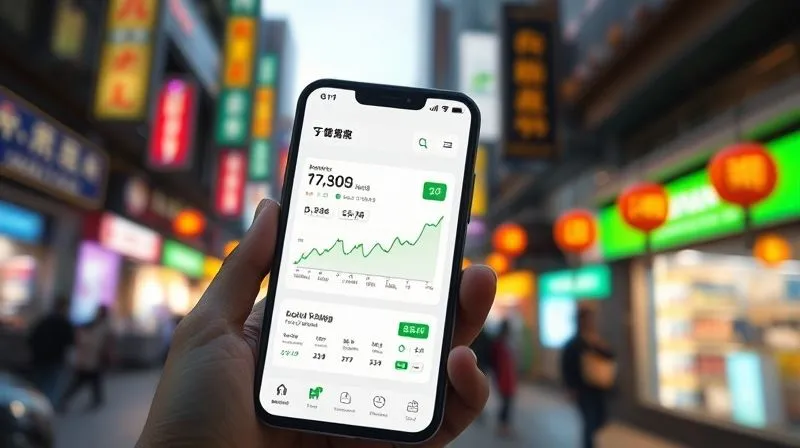
When your home is a backpack, your investments need to be equally nimble and resilient. I've found that the best approach for long-term travelers leans heavily towards strategies that require minimal active management and offer broad diversification.
Low-Maintenance, Diversified Portfolios
Forget trying to pick individual stocks or time the market while you're hiking a volcano. Your focus should be on broad market exposure with low costs. This is where Exchange Traded Funds (ETFs) and diversified index funds shine. They offer:
- Instant Diversification: A single ETF can hold hundreds or thousands of underlying stocks or bonds, spreading your risk across various companies and sectors.
- Low Expense Ratios: These funds are typically passively managed, meaning lower fees compared to actively managed mutual funds.
- Liquidity: ETFs trade like stocks, allowing you to buy and sell throughout the day.
- Simplicity: Once you've chosen your desired asset allocation (e.g., 70% stocks, 30% bonds), you can set it and largely forget it, letting the market do its work.
Robo-Advisors: Your Digital Financial Co-Pilot
For many backpackers, robo-advisors are the perfect solution for 'What's the best way to manage investments while backpacking long-term?'. These platforms use algorithms to build and manage diversified portfolios based on your risk tolerance and financial goals, all with minimal human intervention.
They handle everything from asset allocation and rebalancing to tax-loss harvesting, often for a fraction of the cost of a traditional financial advisor. This hands-off approach is invaluable when you're exploring remote corners of the world.
Case Study: How Sarah Kept Her Portfolio Growing While Trekking Patagonia
Sarah, a 30-year-old software engineer, decided to take a year off to backpack South America. Before she left, her investment portfolio was a mix of individual stocks and a few mutual funds, requiring her to actively monitor market news. Concerned about managing this on the road, she consolidated her assets into a single account with a reputable robo-advisor. She set her risk tolerance, automated monthly contributions, and activated automatic rebalancing.
During her travels, she only logged in once every few months to quickly review her portfolio's performance. Despite market fluctuations, her diversified portfolio continued to grow steadily, thanks to the automated rebalancing and consistent contributions. This allowed her to fully immerse herself in her adventures without financial stress, proving that a hands-off, automated approach is incredibly effective for long-term travelers.
| Investment Type | Pros for Backpackers | Cons |
|---|---|---|
| Robo-Advisor (e.g., Betterment, Wealthfront) | Automated, diversified, low fees, tax-efficient, minimal oversight | Less personalized advice, limited complex strategies |
| ETFs/Index Funds (self-managed) | Diversified, low fees, flexible, full control | Requires basic understanding of investing, periodic manual rebalancing |
| Individual Stocks | Potential for high returns | High risk, requires constant monitoring, not suitable for long-term travel |
| Real Estate (direct ownership) | Tangible asset, income potential | High capital requirement, illiquid, management can be complex remotely |
Emergency Funds & Accessible Cash
While investing for the long term, never forget the immediate need for liquidity. A robust emergency fund, easily accessible, is paramount for any traveler. This fund should cover unexpected flights home, medical emergencies, or unforeseen expenses without forcing you to dip into your long-term investments.
I always advise having at least 6-12 months of living expenses (including travel-specific costs) readily available in a high-yield savings account. This cash buffer provides peace of mind and prevents you from selling investments at an inopportune time.
Consider using a multi-currency travel card or a bank account with no foreign transaction fees for your daily spending.
Navigating Cross-Border Tax Complexities and Residency
This is where many travelers get tripped up. Managing investments while backpacking long-term isn't just about market strategy; it's about understanding your global tax obligations. The rules can be complex and vary significantly depending on your nationality, residency status, and how long you spend in different countries.
Understand Your Tax Obligations
For U.S. citizens, for example, the concept of "citizen-based taxation" means you're generally required to file U.S. taxes no matter where you live or earn income. Familiarize yourself with provisions like the Foreign Earned Income Exclusion (FEIE) or foreign tax credits, which can help reduce or eliminate double taxation. However, these usually apply to earned income, not investment gains, which have different rules.
It's crucial to understand the tax implications of your investments in your home country and any country where you might establish tax residency. Residency rules vary wildly; spending more than 183 days in a country can often trigger tax obligations there. For detailed guidance, the IRS website for international taxpayers is a starting point, but generic advice is rarely sufficient.
Seeking Professional Guidance
Given the intricacies, I strongly recommend consulting an international tax specialist before you embark on your journey. They can help you:
- Determine your tax residency status.
- Understand reporting requirements for foreign bank and investment accounts (e.g., FBAR for U.S. citizens).
- Plan for capital gains tax on investment sales.
- Optimize your investment structure to minimize tax liabilities legally.

Leveraging Technology for Remote Investment Management
In today's interconnected world, managing your investments from anywhere is more feasible than ever, provided you leverage the right technology and maintain stringent security practices. This is central to 'What's the best way to manage investments while backpacking long-term?' effectively.
Secure Access and Communication
Your digital security is paramount. Public Wi-Fi networks in hostels and cafes are often unsecured, making your data vulnerable. I've heard too many stories of travelers having their accounts compromised due to lax security.
- Use a VPN: A Virtual Private Network encrypts your internet connection, protecting your data from prying eyes, especially on public Wi-Fi.
- Strong, Unique Passwords: Use a password manager to create and store complex, unique passwords for all your financial accounts.
- Two-Factor Authentication (2FA): Enable 2FA on every financial account. Preferably, use an authenticator app (like Authy or Google Authenticator) rather than SMS-based 2FA, as SIM card swapping is a common scam targeting travelers.
- Secure Devices: Ensure your laptop and smartphone are password-protected and encrypted. Have remote wipe capabilities enabled.
Reliable Banking & Brokerage Apps
Choose financial institutions that offer robust, user-friendly mobile apps and online platforms. Test them thoroughly before you leave to ensure you can perform all necessary actions remotely.
Look for features such as:
- International Wire Transfers: The ability to send and receive funds globally.
- Multi-Currency Accounts: Some banks offer accounts that hold multiple currencies, simplifying exchange.
- Real-Time Notifications: Alerts for transactions, login attempts, or significant market movements.
- Chat Support: Instant messaging with customer service can be invaluable when phone calls are impractical.

Maintaining a Disciplined Investment Mindset on the Road
The biggest enemy of a long-term investor is often themselves, especially when faced with the distractions and uncertainties of travel. It's easy to get caught up in market noise or emotional reactions, which can derail even the best-laid plans.
Avoid Emotional Decisions
Market fluctuations are normal. When you're traveling, it can be tempting to constantly check your portfolio, especially during periods of volatility. This can lead to panic selling during downturns or chasing gains during upturns, both of which are detrimental to long-term wealth creation. As marketing guru Seth Godin often says, "The best way to predict the future is to invent it." In investing, this translates to sticking to your plan. As highlighted in articles on behavioral finance, such as those found on Forbes Advisor, understanding cognitive biases is crucial for disciplined investing.
Your investment strategy should be designed for the long haul, weathering various market cycles. Resist the urge to make impulsive changes based on short-term news or emotions. Trust your pre-travel plan.
Regular (but not obsessive) Reviews
While I advocate for automation, I don't mean complete neglect. Set a realistic schedule for reviewing your portfolio – perhaps once a month or once a quarter. This isn't about making drastic changes, but rather ensuring everything is functioning as planned and that your asset allocation still aligns with your goals.
Use these reviews to:
- Check for any unauthorized activity.
- Ensure automated contributions are processing correctly.
- Rebalance if necessary (though many robo-advisors do this automatically).
- Update any personal information if your circumstances change.
Protecting Your Assets and Identity While Abroad
Beyond managing your investments, actively protecting your physical assets and digital identity is crucial. A security breach or theft can have devastating financial consequences that are far more difficult to resolve from abroad.
Cybersecurity Best Practices
Your digital footprint expands when you travel. Be extra vigilant:
- Be Wary of Public Wi-Fi: Avoid conducting financial transactions on unsecured public networks. If you must, use your VPN.
- Device Security: Always keep your devices updated with the latest software and security patches. Install reputable antivirus/anti-malware software.
- Phishing Awareness: Be extremely cautious of suspicious emails or messages, especially those asking for personal or financial information. Financial institutions will rarely ask for your password via email.
Insurance Considerations
Comprehensive travel insurance is a must. It often covers medical emergencies, trip cancellations, and even theft of personal belongings. However, few travel insurance policies cover identity theft or financial fraud directly. Consider:
- Identity Theft Protection Services: These services monitor your credit and personal information for fraudulent activity and can assist with recovery if your identity is compromised.
- Credit Monitoring: Sign up for free credit monitoring services in your home country to detect any unusual activity.
Adapting Your Strategy: When to Re-evaluate
While the goal is a hands-off approach, life is dynamic. Your investment strategy, no matter how robust, isn't set in stone. Regularly asking 'What's the best way to manage investments while backpacking long-term?' also means asking when and how to adapt your existing plan.
Life Changes and Goals
Your long-term travel plans might evolve. Perhaps you decide to settle down in a new country, start a remote business, or even return home sooner than expected. Each of these life changes should trigger a review of your investment strategy.
For instance, if you decide to buy property abroad, you might need to shift more of your portfolio into liquid assets. If you find a stable remote job with a higher income, you might increase your automated contributions. Your investments should always align with your current life stage and future aspirations.
Market Shifts
While I advocate against emotional trading, significant, sustained shifts in the global economic landscape or specific market sectors might warrant a strategic re-evaluation. This isn't about reacting to daily news but recognizing fundamental changes that could impact your long-term goals.
This is where the value of a trusted financial advisor (even if consulted remotely) comes into play. They can help you discern between short-term noise and genuine structural changes that require a tactical adjustment to your portfolio.
| Trigger for Re-evaluation | Action Required |
|---|---|
| Significant change in income (increase/decrease) | Adjust automated contributions, re-assess emergency fund size |
| Change in long-term travel plans (e.g., settling down, returning home) | Review asset allocation, adjust liquidity needs, consider local investment opportunities |
| Major life event (e.g., marriage, starting a family) | Update beneficiaries, re-assess risk tolerance and financial goals |
| Sustained, fundamental shift in global economic outlook | Consult an advisor, consider tactical adjustments to diversification (e.g., geographic, asset class) |
Frequently Asked Questions (FAQ)
Question: Should I sell all my investments before I leave for long-term travel? Absolutely not, unless you have a very specific, short-term need for the capital or your portfolio is extremely volatile and ill-suited for remote management. For most, selling everything means locking in gains (and taxes) prematurely and missing out on potential long-term growth. Your goal should be to manage them remotely, not liquidate them.
Question: How much money do I need in my emergency fund while backpacking? While the standard advice is 3-6 months of expenses, for long-term international travel, I strongly recommend aiming for 6-12 months. This accounts for higher potential costs of emergencies abroad (e.g., medical evacuation, last-minute flights home) and the difficulty of quickly accessing funds.
Question: What if I lose my debit/credit cards abroad? This is a common concern. Always travel with multiple cards from different banks, stored separately. Keep digital copies of your card numbers and emergency contact info (securely stored, perhaps encrypted on your phone or in a cloud service). Immediately contact your banks to cancel lost cards. Services like Wise (formerly TransferWise) or Revolut can also provide digital cards or quick replacements.
Question: Are cryptocurrencies a good investment for backpackers? While cryptocurrencies offer decentralization and potential for high returns, they also come with extreme volatility and regulatory uncertainty. They can be part of a diversified portfolio, but I wouldn't recommend them as the primary investment vehicle for long-term financial stability, especially given the difficulty of securely managing them and navigating tax implications across borders. Treat them as a speculative allocation, not a core strategy.
Question: How often should I check my portfolio while traveling? Resist the urge to check daily or even weekly. For a long-term, automated strategy, once a month or once a quarter is more than sufficient. This allows you to stay informed without getting caught up in short-term market noise, freeing you to enjoy your travels. If you've chosen a robo-advisor, even less frequent checks might be fine, as they handle most of the day-to-day management.
Key Takeaways and Final Thoughts
Managing your investments while backpacking long-term doesn't have to be a source of stress. With the right preparation, tools, and mindset, you can achieve financial peace of mind while exploring the world. My experience has shown that success in this niche hinges on a few core principles:
- Simplify & Automate: Streamline your accounts and put your investments on autopilot before you leave.
- Choose Low-Maintenance Vehicles: Opt for diversified, low-cost ETFs or robo-advisors that require minimal active oversight.
- Prioritize Liquidity & Security: Maintain a robust emergency fund and implement stringent cybersecurity measures.
- Understand Tax Implications: Seek expert advice on cross-border tax rules to avoid future complications.
- Cultivate a Long-Term Mindset: Resist emotional trading and trust your well-researched strategy.
Embarking on a long-term backpacking adventure is a dream for many, and with careful financial planning, it can be a reality without sacrificing your future security. By implementing these strategies, you're not just managing investments; you're investing in your freedom, ensuring that your financial well-being supports, rather than hinders, your global explorations. Go forth, explore, and let your money work for you, no matter where your journey takes you.
Recommended Reading
- How to Prevent Credit Score Damage from Identity Theft Risks? 7 Proactive Steps
- Cyber Resilience: How Credit Unions Can Mitigate Digital Risks Now
- Stop Cash Flow Crises: Your Adapted Envelope Budget Blueprint?
- Safeguard Your License: 7 Steps to Monitor Credit for Professional Security
- 6 Tax Strategies: How High-Earning Consultants Cut Income Legally





Comments
Leave a comment below. Your email will not be published. Required fields marked with *