


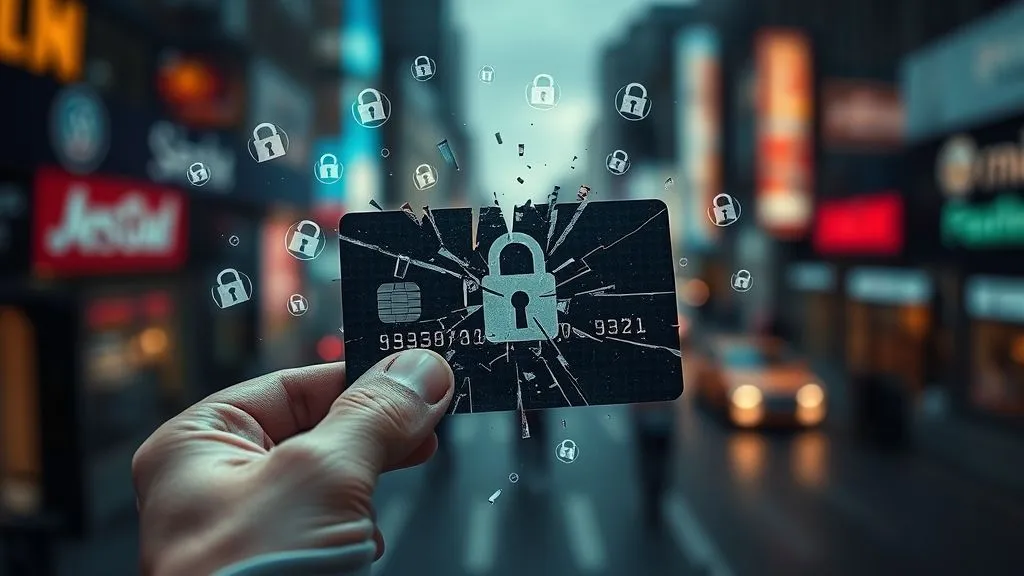
What Immediate Steps to Take After a Financial Privacy Breach?
For over two decades in consumer finance and privacy advocacy, I've witnessed the devastating ripple effect a financial privacy breach can have on individuals and families. It's not just about money; it's about trust, peace of mind, and the fundamental sense of security that underpins our financial lives. I've seen firsthand how quickly a seemingly minor data exposure can escalate into a full-blown identity theft nightmare if not addressed immediately.
The moment you suspect or confirm a financial privacy breach, a wave of panic, confusion, and anger is completely natural. You might feel violated, unsure of where to turn, or overwhelmed by the potential consequences. This vulnerability is precisely what fraudsters exploit, capitalizing on your distress to inflict further damage.
But here's the critical insight I want to share: you are not powerless. In this definitive guide, I will walk you through the precise, actionable framework – the seven immediate steps – you must take to navigate the crisis, minimize financial damage, protect your identity, and ultimately regain control. My goal is to equip you with the expert knowledge and a clear roadmap, transforming uncertainty into decisive action.
The Golden Hour: Why Immediate Action is Non-Negotiable
Understanding the Urgency
In the realm of financial security, the period immediately following a breach is often referred to as the 'golden hour' – a term borrowed from emergency medicine. Just as in a medical crisis, the actions taken within these initial moments can dramatically alter the outcome. Fraudsters operate with incredible speed; once they gain access to your data, they don't waste time. They're looking to open new credit lines, drain accounts, or make unauthorized purchases before you even realize what's happened.
I've seen countless cases where delays, even of just a few hours, allowed perpetrators to cause significant financial harm that took months, if not years, to unravel. This isn't meant to instill fear, but rather to underscore the absolute necessity of a rapid and organized response. Your swift actions are your primary defense against escalating damage.
Every minute counts. Delay is an open invitation for further exploitation of your personal and financial information.

Step 1: Identify and Isolate the Breach
Pinpointing the Source and Scope
Your first task is to understand what kind of breach has occurred and which of your financial assets might be compromised. Did you receive a notification from your bank, a credit card company, an investment firm, or an online retailer? Was it a phishing scam that tricked you into revealing information, or a large-scale corporate data leak? Knowing the source helps you target your response effectively.
Review any breach notifications carefully. They often specify what type of data was exposed (e.g., account numbers, Social Security Number, passwords, addresses). This information is crucial for determining the potential severity and the specific actions you need to take. Don't assume anything; verify every detail.
Securing Affected Accounts Immediately
This is where you start building your defensive perimeter. Any account directly implicated in the breach, or any account that shares a password with a compromised one, needs immediate attention. Procrastination here is not an option.
- Change Passwords: Immediately change passwords for all affected accounts. Don't reuse old passwords. Create strong, unique passwords for each account, ideally using a password manager.
- Enable Multi-Factor Authentication (MFA/2FA): If you haven't already, enable two-factor or multi-factor authentication on every financial and sensitive online account. This adds a critical layer of security, requiring a second verification step beyond just a password.
- Notify Financial Institutions: Even if they've notified you, a direct call from you reinforces the urgency and allows you to confirm next steps specific to your situation.
As a veteran in this field, I cannot stress enough the importance of unique, complex passwords and MFA. They are foundational to digital security. For guidance on creating truly robust passwords, I often recommend resources from authoritative bodies like the National Institute of Standards and Technology (NIST), which provides comprehensive guidelines.
Step 2: Notify Your Financial Institutions & Place Fraud Alerts
Contacting Banks and Credit Card Companies
Once you've identified the breached accounts, your next immediate step is to directly contact the financial institutions involved. This includes your bank, credit card issuers, and any investment firms. Have all relevant account numbers and details of the breach ready when you call. Clearly state that your financial privacy has been compromised and you need to take protective measures.
They will likely advise you to:
- Cancel compromised cards and request new ones.
- Close affected bank accounts and open new ones, transferring funds.
- Review recent transactions for any unauthorized activity.
- Set up enhanced monitoring or alerts.
Remember to document every conversation: the date, time, name of the representative, and a summary of what was discussed and decided. This documentation is invaluable if disputes arise later.
Implementing Fraud Alerts and Credit Freezes
This is a critical layer of defense against identity thieves opening new accounts in your name. There are two primary tools at your disposal:
- Fraud Alert: A fraud alert tells lenders to take extra steps to verify your identity before issuing new credit. It's free and lasts for one year (or seven years if you've been a victim of identity theft). You only need to contact one of the three major credit bureaus (Experian, Equifax, or TransUnion); that bureau is required to notify the other two.
- Credit Freeze (Security Freeze): A credit freeze restricts access to your credit report, making it much harder for identity thieves to open new accounts. It's also free and remains in place until you lift it. Unlike a fraud alert, you must contact each of the three credit bureaus individually to place a freeze.
In my professional opinion, a credit freeze offers the strongest protection against new account fraud. While it might slightly inconvenience you when applying for new credit, the peace of mind it provides is well worth it. The Consumer Financial Protection Bureau (CFPB) offers excellent resources on how to place and manage these freezes.
| Credit Bureau | Phone | Website | Fraud Alert | Credit Freeze |
|---|---|---|---|---|
| Experian | 1-888-397-3742 | experian.com/freeze | Yes | Yes |
| Equifax | 1-800-685-1111 | equifax.com/freeze | Yes | Yes |
| TransUnion | 1-888-909-8872 | transunion.com/freeze | Yes | Yes |
Step 3: Monitor Your Financial Accounts and Credit Reports Relentlessly
Setting Up Transaction Alerts
Once you've secured your immediate accounts, proactive monitoring becomes your new normal. Most banks and credit card companies offer free transaction alerts, which notify you via email or text message every time a purchase is made or a significant transaction occurs. Enable these for all your active accounts. This allows you to spot fraudulent activity almost instantly, often before it's processed.
I advise clients to set alerts for any transaction, regardless of size. Fraudsters often start with small, seemingly insignificant charges to test a compromised card before moving on to larger purchases. Vigilance at this stage can save you considerable headaches.
Regularly Reviewing Statements and Credit Reports
Beyond alerts, a meticulous review of your monthly statements is non-negotiable. Don't just skim them; pore over every line item for anything unfamiliar. Similarly, regularly pull your credit reports. You are entitled to a free credit report from each of the three major bureaus once every 12 months via AnnualCreditReport.com. I recommend staggering these requests throughout the year (e.g., Experian in January, Equifax in May, TransUnion in September) to maintain continuous oversight.
When reviewing your credit report, look for:
- Accounts you didn't open.
- Inquiries from lenders you didn't contact.
- Incorrect personal information (address, employer).
- Changes to existing account statuses.
Case Study: Maria's Vigilance Saves Her Retirement
Maria, a retired teacher, received a data breach notification from an online retailer. Following my advice on what immediate steps to take after a financial privacy breach, she immediately placed fraud alerts and set up daily transaction alerts on all her bank and credit card accounts. Within a week, she received an alert for a suspicious $5,000 credit card application in her name from a bank she'd never used. Because of her quick action and constant monitoring, she was able to flag it before it was approved, preventing significant fraud and protecting her retirement savings. Her diligence turned a potential disaster into a manageable incident.
Step 4: Report the Breach to the Authorities
Filing a Report with the FTC
If you've been a victim of identity theft or suspect significant fraud, filing a report with the Federal Trade Commission (FTC) is a crucial step. The FTC's IdentityTheft.gov website provides a streamlined process for reporting identity theft. Once you file a report, you'll receive a personalized recovery plan and an official Identity Theft Report. This report is invaluable; it serves as proof of the crime and can be used to dispute fraudulent charges, remove inaccurate information from your credit report, and stop debt collectors from pursuing you for debts you don't owe.
I always advise clients that this official documentation provides a powerful legal backing for your claims and efforts to restore your financial standing. It's not just a formality; it's a critical tool in your recovery arsenal.
Contacting Local Law Enforcement (If Applicable)
While the FTC report is often sufficient for most financial identity theft cases, there are circumstances where contacting your local police department is also advisable. If you know the perpetrator, if physical documents were stolen, or if you believe you've been a victim of a more complex crime (like tax identity theft), a police report can add another layer of official documentation. Be prepared to provide the police with your FTC Identity Theft Report, any breach notifications, and detailed records of fraudulent activity.
Notifying Other Relevant Parties
Depending on the nature of the breach, other parties might need to be informed. If your Social Security Number was compromised, you might need to notify the Social Security Administration. If the breach originated from your employer, or if your tax information was exposed, inform your employer and potentially the IRS. Think broadly about all entities that hold your sensitive personal data and assess if they need to be alerted.
Step 5: Secure Your Digital Footprint Beyond Finance
Updating All Other Online Accounts
A financial privacy breach often indicates a broader compromise of your personal data. This means you need to extend your security measures beyond just your bank and credit card accounts. Think about your email providers, social media platforms, online shopping sites, streaming services, and any other platform where you've used the same passwords or stored personal information. Assume that if one account is compromised, others might be vulnerable.
- Change Passwords: Update passwords for all these non-financial accounts, especially those linked to your primary email or payment methods.
- Enable MFA: Implement multi-factor authentication everywhere it's available.
- Review Security Settings: Check privacy and security settings on all platforms to ensure they are as robust as possible.
Scanning Your Devices for Malware
In some cases, a financial privacy breach isn't due to an external data leak but rather malware on your own devices. Keyloggers or other malicious software can capture your login credentials as you type them. After a breach, it's wise to run a comprehensive scan using reputable antivirus and anti-malware software on all your computers, smartphones, and tablets. Ensure your operating systems and software are up to date, as these updates often include critical security patches.
Step 6: Consider Identity Theft Protection Services
Evaluating the Benefits
After taking the immediate steps to take after a financial privacy breach, you might feel overwhelmed by the ongoing monitoring requirements. This is where identity theft protection services can offer a valuable layer of support. These services typically provide:
- Credit Monitoring: Alerts you to changes on your credit reports.
- Dark Web Monitoring: Scans for your personal information being traded on illicit online forums.
- Identity Restoration: Assistance from specialists to help you resolve issues if you become a victim of identity theft.
- Identity Theft Insurance: Covers expenses related to identity theft recovery (e.g., legal fees, lost wages).
While these services can be beneficial, it's important to understand their limitations. They are not a magic bullet and do not replace your personal vigilance. They are designed to *alert* you to problems and *assist* in resolution, but the initial detection and proactive steps still largely fall to you.
Making an Informed Decision
Before subscribing to an identity theft protection service, carefully research reputable providers. Look for transparent pricing, comprehensive coverage, and strong customer support. Read reviews and understand what's included and what's not. For unbiased comparisons and reviews, I often direct clients to independent consumer advocacy sites like Consumer Reports.
Consider the cost versus the value for your specific situation. If the breach was extensive, involving your Social Security Number and other highly sensitive data, the peace of mind and expert assistance offered by these services might be a worthwhile investment for the long term.
Step 7: Understand Your Rights and Seek Legal Counsel If Necessary
Consumer Protection Laws
As a consumer, you have significant rights designed to protect you from the fallout of a financial privacy breach. Key among these is the Fair Credit Reporting Act (FCRA), which grants you the right to dispute inaccurate information on your credit report. If you find fraudulent accounts or incorrect data, you can initiate a dispute with the credit bureaus and the data furnishers (the companies that reported the information).
Additionally, various state laws govern data breach notifications, requiring companies to inform you promptly if your data has been compromised. Familiarize yourself with these rights; they are your legal leverage in the recovery process.
Knowledge of your rights is your strongest defense in the aftermath of a breach, empowering you to challenge inaccuracies and hold responsible parties accountable.
When to Consult an Attorney
While most financial privacy breaches can be resolved through diligent personal action and communication with financial institutions, there are situations where seeking legal counsel becomes prudent. I've advised clients to consider an attorney if:
- You've suffered significant, unrecoverable financial losses.
- Financial institutions or credit bureaus are uncooperative or unresponsive to your disputes.
- Your identity theft case is particularly complex, involving multiple jurisdictions or ongoing harassment.
- You believe the breach was due to gross negligence by a company, and you're exploring potential class-action lawsuits or individual claims.
An attorney specializing in consumer law or data privacy can help you understand your options, navigate legal complexities, and advocate on your behalf. This is especially true if you encounter persistent issues after following all the recommended immediate steps to take after a financial privacy breach.
| Right | Source Law | Action |
|---|---|---|
| Right to Dispute Inaccurate Information | Fair Credit Reporting Act (FCRA) | File a dispute with credit bureaus and data furnishers |
| Right to Place Fraud Alerts/Freezes | FCRA, State Laws | Contact credit bureaus directly |
| Right to Data Breach Notification | State Data Breach Notification Laws | Review notices, demand details |
| Right to File a Police Report | Local/State Criminal Codes | Contact local law enforcement for identity theft |
Frequently Asked Questions (FAQ)
How long do I need to monitor my accounts after a breach? In my experience, vigilance should be long-term, ideally indefinitely. While the immediate threat window is critical, identity thieves can hold onto stolen data for months or even years before attempting to use it. Continue to monitor your credit reports annually and review financial statements meticulously. Consider maintaining a credit freeze for as long as you feel necessary.
Can I still get a loan or credit card with a credit freeze? Yes, you can, but it requires a temporary lift of the freeze. When you need to apply for new credit, you'll contact each credit bureau where you placed a freeze and request a temporary lift for a specific period or for a specific creditor. This process typically takes a few minutes online or over the phone. Remember to refreeze your credit once your application is processed.
What if the breach wasn't my fault? Am I still liable for fraudulent charges? Generally, no. Under federal law, if your credit card number is stolen, your liability for unauthorized charges is limited to $50, and often card issuers waive this entirely. For debit cards, reporting promptly is key; if reported within two business days, your liability is capped at $50. If reported after two days but within 60 days, it can go up to $500. After 60 days, you could be liable for all fraudulent transactions. This underscores why knowing what immediate steps to take after a financial privacy breach and acting quickly is paramount.
Should I change my Social Security Number if it was compromised? Changing your Social Security Number (SSN) is an extreme measure and rarely recommended. The Social Security Administration (SSA) will only issue a new SSN in very limited circumstances, such as ongoing harassment, life endangerment, or if you can prove that you've exhausted all other means to resolve identity theft issues. A new SSN can also create significant administrative burdens, as many of your existing financial and governmental records are tied to your original number. Focus first on credit freezes, fraud alerts, and diligent monitoring.
What's the difference between a fraud alert and a credit freeze? A fraud alert is a flag on your credit file that tells lenders to verify your identity before extending new credit. It's a warning system. A credit freeze, on the other hand, *locks down* your credit report, preventing new credit from being issued in your name until you temporarily lift the freeze. A fraud alert is easier to implement (contact one bureau, and they notify the others), while a credit freeze requires you to contact each of the three major credit bureaus individually. For maximum protection against new account fraud, I always recommend a credit freeze.
Key Takeaways and Final Thoughts
Navigating a financial privacy breach is undoubtedly daunting, but with the right knowledge and immediate action, you can significantly mitigate the damage and protect your financial future. Remember, your proactive response is your most powerful tool against identity thieves.
- Act Swiftly: The 'golden hour' is real; every moment counts.
- Secure Accounts: Change passwords, enable MFA, and notify financial institutions immediately.
- Lock Down Credit: Implement fraud alerts or, preferably, credit freezes with all three bureaus.
- Monitor Relentlessly: Set up transaction alerts and regularly review statements and credit reports.
- Report Officially: File an Identity Theft Report with the FTC for official documentation.
- Broaden Your Security: Extend security measures to all online accounts and scan your devices.
- Know Your Rights: Understand consumer protection laws and don't hesitate to seek legal counsel if needed.
While the journey to full recovery may require sustained effort, by consistently applying these expert-backed steps, you are not merely reacting to a breach; you are actively reclaiming your financial security and peace of mind. Stay vigilant, stay informed, and remember that resilience is key to overcoming these challenges. The financial landscape is ever-evolving, and so must our approach to protecting our privacy.
Recommended Reading
- 5 Pillars: How to Prevent Family Wealth Erosion by the Third Generation?
- 7 Rapid Cash Strategies for Professionals During Financial Crisis
- Emergency Loan? 5 Ways to Get Urgent Funds Without Hitting Your Credit Score
- 7 Steps to Build a Robust Financial Cushion & Combat Inflation Effectively
- Fix Credit Report Errors Myself? The Ultimate Guide





Comments
Leave a comment below. Your email will not be published. Required fields marked with *