



What if Credit Bureaus Repeatedly Fail to Correct Client Data? Your Expert Guide
For over two decades in the intricate world of consumer finance, I've witnessed firsthand the profound impact a single inaccurate entry on a credit report can have. It's a frustrating, often bewildering experience when you discover an error, follow the rules, and yet, the problem persists. You've done your part, but the system seems to be failing you, leaving a dark cloud over your financial aspirations.
This isn't just a minor annoyance; it's a significant roadblock that can affect everything from securing a mortgage to getting a new job. The feeling of helplessness when you've submitted disputes, provided evidence, and still see those stubborn inaccuracies on your report is palpable. It feels like shouting into a void, with your financial future hanging in the balance because credit bureaus repeatedly fail to correct client data.
But I'm here to tell you that you're not powerless. In this definitive guide, I'll draw upon my extensive experience to provide you with a robust framework of advanced strategies, legal avenues, and actionable insights. We'll explore exactly what to do when standard dispute methods prove insufficient, empowering you to effectively challenge persistent errors and safeguard your financial well-being.
Understanding the Foundation: Your Rights Under the FCRA
Before we delve into advanced strategies, it's crucial to solidify your understanding of the Fair Credit Reporting Act (FCRA). Enacted in 1970, the FCRA is the cornerstone of consumer credit rights in the United States. It dictates how credit reporting agencies (CRAs), also known as credit bureaus, collect, use, and share your financial information. More importantly, it provides you with specific rights regarding the accuracy and privacy of your credit report.
Many consumers know they can dispute errors, but few truly grasp the legal weight behind that right. The FCRA mandates that credit bureaus and information furnishers (like banks or lenders) investigate disputes promptly and correct any inaccurate or incomplete information. When they fail to do so, they are violating federal law, and that's where your power truly lies.
"The FCRA isn't merely a guideline; it's a legal obligation. Understanding its provisions is your first and most powerful weapon against persistent credit report inaccuracies."
Specifically, the FCRA requires that when a consumer disputes an item, the CRA must investigate within 30-45 days. They must also forward all relevant information you provide to the furnisher. If the investigation finds the information inaccurate or unverifiable, the CRA must delete or correct it. Failure to comply with these requirements opens the door for further action on your part. You can review the full text of the FCRA for more detailed information on your rights at Federal Trade Commission's FCRA page.
The Standard Dispute Process: Where It Often Goes Wrong
Most consumers begin their journey to correct credit report errors by following the standard dispute process. While this is the correct initial step, understanding its nuances and common pitfalls is essential, especially when credit bureaus repeatedly fail to correct client data.
Here's a quick recap of the standard process, and where it frequently breaks down:
- Identify the Error: Carefully review your credit reports from all three major bureaus (Equifax, Experian, TransUnion).
- Gather Evidence: Collect documents proving the inaccuracy (e.g., canceled checks, payment histories, court documents, identity theft reports).
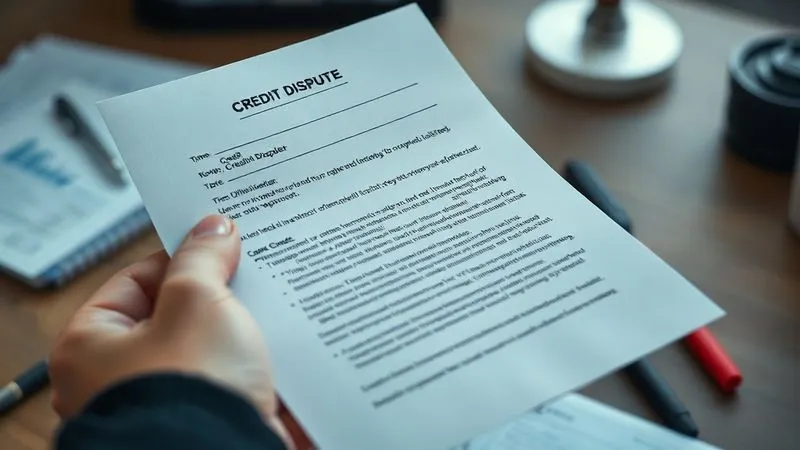
- Send a Dispute Letter: Write a clear, concise letter to the credit bureau, identifying the specific error, explaining why it's wrong, and attaching your supporting evidence. Send it via certified mail with a return receipt requested.
- Wait for Investigation: The bureau has 30-45 days to investigate. They will contact the furnisher of the information.
- Review Results: The bureau sends you the results. If corrected, great! If not, they'll explain why.
Where does it go wrong? Often, the initial investigation is superficial. Furnishers might simply re-verify the incorrect data, or the credit bureau might not thoroughly review the evidence you provided. I've seen countless cases where a consumer's meticulously prepared dispute is met with a generic 'verified' response, even when the evidence clearly points to an error. This is usually the first sign that you're dealing with a persistent error, and it demands a more aggressive approach.
Escalation Tactics When Initial Disputes Fail
When your initial, well-documented dispute falls on deaf ears, it's time to escalate. This is where many consumers give up, but my experience tells me this is precisely when you need to double down on your efforts. The key here is not just persistence, but strategic persistence.
Documenting Everything: Your Best Defense
Before any escalation, ensure your documentation is impeccable. Every letter sent, every response received, every piece of evidence, every date, and every phone call (with notes on who you spoke to and what was discussed) must be logged. This meticulous record-keeping will be invaluable if you need to pursue legal action.
"Your paper trail is your legal armor. Without it, even the most egregious errors can be difficult to prove in a formal setting."
Here are the next steps when credit bureaus repeatedly fail to correct client data:
- Send a Second, Stronger Dispute Letter: This time, explicitly state that this is a follow-up to a previous dispute that was not adequately resolved. Reference your previous dispute's date and tracking number. Reiterate the error and your evidence, but also cite the FCRA's requirement for a reasonable investigation. Highlight any procedural failures on their part.
- Dispute Directly with the Furnisher: While the FCRA mandates bureaus to investigate, you also have the right to dispute directly with the company that reported the information (e.g., your bank, credit card company). Send them a similar, certified letter with evidence. The FCRA also obligates furnishers to investigate and correct errors.
- Send a "Notice of Intent to Sue" (if applicable): For particularly stubborn errors, consider sending a formal letter (often drafted with legal counsel) indicating your intent to sue if the error is not corrected within a specific timeframe. This often gets their attention, as it signals you're serious and understand your rights.
Remember, the goal is to make it more costly and inconvenient for them to ignore you than to simply correct the error.
Leveraging Regulatory Bodies: CFPB and State Attorneys General
If direct communication with the credit bureaus and furnishers proves fruitless, it's time to bring in the big guns: regulatory bodies. These agencies exist to protect consumers and have the power to investigate and take action against companies that violate federal laws like the FCRA.
The Consumer Financial Protection Bureau (CFPB)
The CFPB is a federal agency specifically tasked with making consumer financial markets work for consumers. They handle complaints about financial products and services, including credit reporting. Filing a complaint with the CFPB often prompts a more thorough review by the credit bureau or furnisher, as they are obligated to respond to the CFPB directly.
- Gather All Documentation: Ensure you have your dispute letters, responses, and all supporting evidence organized.
- Visit the CFPB Website: Go to consumerfinance.gov/complaint.
- Submit Your Complaint: Clearly articulate your problem, specifying that credit bureaus repeatedly fail to correct client data despite your efforts. Upload all relevant documents.
- Track Your Complaint: The CFPB will forward your complaint to the company, which then has 15 days to respond and explain how they plan to resolve the issue. You can track the progress online.
I've seen many cases where a CFPB complaint finally broke the deadlock, forcing a credit bureau or furnisher to take a consumer's dispute seriously after months of stonewalling.
State Attorneys General
Your state's Attorney General (AG) office also plays a vital role in consumer protection. While their powers vary by state, many AG offices investigate consumer complaints and can intervene on your behalf. This is especially useful if you believe the credit bureau or furnisher is engaging in unfair or deceptive practices specific to your state's laws.
Contact your state's Attorney General's office consumer protection division. They typically have an online complaint portal or a dedicated helpline. Provide them with the same comprehensive documentation you used for the CFPB. While they may not directly resolve individual disputes, their intervention can add significant pressure.
Considering Legal Action: When to Call an Attorney
When all other avenues have been exhausted, and credit bureaus repeatedly fail to correct client data, legal action becomes a necessary and often highly effective next step. The FCRA provides consumers with the right to sue credit bureaus and furnishers for non-compliance, particularly if their violations result in actual damages.
Case Study: Sarah's Persistent Credit Nightmare
Let me share a fictional, yet highly realistic, scenario from my experience. Sarah, a meticulous financial planner, discovered a fraudulent collection account on her Experian report. She disputed it, providing police reports and identity theft affidavits. Experian initially deleted it, but within three months, it reappeared. She disputed again, citing the previous deletion, but received a 'verified' response. Frustrated, she filed with the CFPB, which led to another deletion, only for the item to mysteriously reappear a third time. At this point, Sarah was denied a mortgage refinance due to this single, persistent error, costing her thousands in potential interest savings.
This is a classic example of when legal action is not just warranted but essential. Sarah contacted a consumer law attorney specializing in FCRA violations. The attorney sent a final demand letter, detailing the repeated failures and the damages incurred (denial of mortgage, emotional distress). When the bureau failed to respond adequately, a lawsuit was filed. The case settled out of court, with Sarah receiving compensation for her financial losses and emotional distress, and the erroneous item permanently removed. This case illustrates that sometimes, only the threat, or actual initiation, of litigation can compel these large entities to comply with the law.

Finding the Right Attorney
Not all attorneys specialize in consumer law or FCRA violations. Look for lawyers who explicitly advertise expertise in these areas. Many FCRA attorneys work on a contingency basis, meaning you don't pay upfront fees; they take a percentage of the settlement or award. This makes legal action accessible even if you have limited funds. A good attorney will assess your case, advise on the likelihood of success, and guide you through the complexities of litigation.
Understanding Damages and Remedies
If you successfully sue a credit bureau or furnisher for FCRA violations, you may be entitled to various forms of damages and remedies. This is critical to understand when deciding to pursue legal action, as it clarifies what you stand to gain, beyond just the correction of the error.
"The FCRA allows for more than just fixing the error; it provides a mechanism to compensate consumers for the tangible and intangible harm caused by inaccurate reporting."
Here's a breakdown of potential damages:
In my experience, the possibility of recovering attorney's fees is a significant incentive for lawyers to take on FCRA cases, even for relatively smaller actual damages. This provision is designed to make it possible for consumers to enforce their rights, as it removes the financial barrier of litigation.
Proactive Credit Monitoring and Protection Strategies
While we've focused on reactive measures, being proactive can significantly reduce the chances of encountering persistent errors in the first place, or at least help you catch them early. My advice is always to maintain vigilance over your financial data.
- Regularly Check All Three Credit Reports: The law allows you one free report from each bureau annually via AnnualCreditReport.com. Stagger them throughout the year (e.g., Equifax in January, Experian in May, TransUnion in September) for continuous monitoring.
- Enroll in Credit Monitoring Services: Many reputable services (some free, some paid) alert you to changes on your credit report, new accounts opened, or inquiries. This is a crucial early warning system.
- Place Fraud Alerts or Credit Freezes: If you've been a victim of identity theft or are concerned about it, a fraud alert warns lenders to verify your identity before extending credit. A credit freeze is more restrictive, blocking all access to your credit report unless you temporarily lift it.
- Review Account Statements Diligently: Often, credit report errors originate from incorrect reporting by furnishers. Spotting discrepancies on your bank or credit card statements early can prevent them from ever reaching your credit report.

The Role of State Laws and Consumer Protection Agencies
Beyond the federal FCRA, many states have their own consumer protection laws that offer additional safeguards. These state-specific statutes can sometimes provide stronger remedies or cover areas not explicitly addressed by federal law. It's worth researching your state's particular consumer credit laws.
State-Specific Consumer Protection Agencies
In addition to the Attorney General's office, many states have dedicated consumer protection agencies or departments. These bodies can offer guidance, mediate disputes, or even take enforcement actions against businesses that violate state consumer laws. For instance, some states have laws that impose stricter deadlines for credit bureaus or furnishers to investigate disputes, or provide for higher statutory damages than the FCRA.
Consulting resources like the National Consumer Law Center (NCLC) can provide valuable insights into state-specific protections and how they might apply to your situation. Understanding these layers of protection is key to a comprehensive strategy when credit bureaus repeatedly fail to correct client data.
Rebuilding After the Battle
Successfully navigating the complex journey of correcting persistent credit report errors is a significant achievement. But the work doesn't end there. Rebuilding and maintaining a healthy financial profile requires ongoing effort and strategic planning.
- Verify Corrections: Don't just assume. Obtain new copies of your credit reports from all three bureaus a few months after the correction to ensure the error has been permanently removed and hasn't reappeared.
- Monitor Your Score: Watch your credit score improve as the negative information is removed. Understand what factors influence your score and work to optimize them.
- Establish Positive Credit Habits: Continue paying bills on time, keeping credit utilization low, and maintaining a healthy mix of credit. This positive history will gradually outweigh any past challenges.
- Educate Yourself Continuously: The world of finance and credit is always evolving. Stay informed about your rights and best practices to protect your financial future.
Frequently Asked Questions (FAQ)
How long does a credit bureau legally have to respond to my dispute? Under the FCRA, credit bureaus generally have 30 days to investigate a dispute from the date they receive it. This period can be extended to 45 days if you provide additional relevant information during the 30-day window. It's crucial they adhere to this timeline for a valid investigation.
Can I sue for emotional distress if an error caused me significant anxiety? Yes, under the FCRA, you may be able to recover damages for emotional distress, provided you can demonstrate that the credit bureau's or furnisher's willful or negligent non-compliance caused you mental anguish, humiliation, or other non-economic harm. This usually requires detailed documentation of the impact on your life, and is best pursued with an attorney.
What if the corrected error reappears on my credit report? This is known as 'reinsertion' and is a common, frustrating issue. The FCRA has specific rules against reinsertion: if an item is deleted, it cannot be reinserted unless the furnisher certifies its accuracy and completeness, and the bureau notifies you in writing within 5 days. If it reappears without proper notification or certification, it's a clear FCRA violation and strong grounds for further action, including legal recourse.
Are all credit report errors worth fighting? While all errors should ideally be corrected, the effort you put in might depend on the severity and impact of the error. A minor misspelling on an old, closed account might not be worth a lawsuit, but a fraudulent account, a late payment that was actually on time, or an incorrect collection account can significantly harm your score and financial opportunities. Prioritize errors that have a direct, negative impact on your creditworthiness.
Can I dispute items that are technically accurate but unfair? The FCRA primarily deals with accuracy and completeness. If an item is 100% accurate (e.g., a legitimate late payment), disputing it under the FCRA for accuracy will likely fail. However, if the reporting itself is unfair or predatory, other consumer protection laws (state or federal) or direct negotiation with the creditor might be viable options.
Key Takeaways and Final Thoughts
- Know Your Rights: The FCRA is your most powerful tool. Understand its provisions and how they protect you.
- Document Everything: Maintain meticulous records of all communications, disputes, and evidence. This is your foundation for success.
- Escalate Strategically: Don't give up after the first 'verified' response. Leverage second disputes, direct furnisher disputes, and regulatory complaints.
- Don't Hesitate to Seek Legal Counsel: When credit bureaus repeatedly fail to correct client data, an FCRA attorney can be your most effective advocate, often working on contingency.
- Be Proactive: Regular monitoring and credit protection measures can prevent future issues and catch errors early.
The battle against persistent credit report errors can feel daunting, but it's a fight you absolutely can win. I've seen countless individuals reclaim their financial reports and their peace of mind by understanding their rights and employing these advanced strategies. Remember, you have the law on your side. With persistence, proper documentation, and a willingness to escalate, you can force compliance and ensure your credit report accurately reflects your financial history. Take control, protect your future, and don't let inaccuracies dictate your financial destiny.
Recommended Reading
- 7 Essential Strategies: Mitigate Portfolio Losses in a Market Crash
- 7 Proven Ways to Fix Negative Cash Flow in Your Profitable Small Business
- Shield Your Wealth: 7 Ways to Reallocate Your Portfolio Amidst Rising Rates
- 7 Checks: How to Verify Ethical Fund Claims & Avoid Greenwashing Risk
- Rebuilding Business Credit After Corporate Identity Theft: Your 7-Step Recovery Plan





Comments
Leave a comment below. Your email will not be published. Required fields marked with *