



Urgent Strategies for Pros to Restore Emergency Fund?
For over 15 years in the financial advisory space, I've guided countless professionals through the complex labyrinth of wealth management, crisis recovery, and strategic planning. One constant, often painful, lesson I've witnessed is the impact of a depleted emergency fund. It's not just a setback; it's a profound disruption that can unravel years of careful financial growth, leaving even the most successful individuals feeling vulnerable and exposed.
The stark reality is that life throws curveballs. A sudden job loss, an unexpected medical emergency, a significant home repair, or an unforeseen market downturn can swiftly drain what was once a robust financial safety net. For professionals accustomed to a certain level of financial stability, finding that critical buffer gone can trigger immense stress, anxiety, and even a sense of failure. The problem isn't just the lack of funds, but the emotional and psychological toll it takes.
This isn't merely a theoretical discussion; it's a practical roadmap born from real-world scenarios and proven financial principles. In this guide, I'll share urgent strategies for pros to restore emergency fund quickly and effectively. We'll move beyond generic advice, diving into actionable frameworks, expert insights, and tactical approaches designed to help you not just replenish your savings, but to build a more resilient financial future than ever before.
Understanding the 'Why' Behind the Depletion
Before we can rebuild, it's crucial to understand why your emergency fund might have been depleted in the first place. This isn't about blame; it's about identifying patterns and learning lessons to prevent future occurrences. As a veteran in this field, I've seen the same triggers emerge repeatedly, affecting even high-income professionals.
Common Triggers for Professionals
- Unexpected Job Loss or Career Transition: Even with severance, a prolonged job search can quickly eat through months of expenses.
- Significant Medical Emergencies: High deductibles, out-of-network costs, and extensive recovery periods can be financially crippling.
- Major Home Repairs: A burst pipe, a failing HVAC system, or structural damage can necessitate tens of thousands of dollars in immediate expenses.
- Family Emergencies: Supporting aging parents, unexpected childcare costs, or assisting a struggling family member can divert funds.
- Market Downturns or Investment Losses: While an emergency fund shouldn't be invested aggressively, a significant market correction might tempt some to pull from their cash reserves if other investments are down.
"Depletion of an emergency fund isn't a sign of failure; it's often a testament to life's unpredictability. The true measure of financial acumen lies in the speed and efficacy of your restoration strategy, transforming a setback into a powerful lesson in resilience."
Reframing this experience as a learning opportunity is key. It allows you to approach the rebuilding process with a clear head, free from the burden of self-reproach, and focused entirely on the path forward.
Phase 1: Immediate Financial Triage & Damage Control
When your emergency fund is depleted, the first step isn't about saving; it's about stopping the bleeding. Think of it like a financial emergency room. You need to stabilize the situation before you can begin the recovery process.
Step 1: Halt Non-Essential Spending Immediately
This might sound obvious, but it requires ruthless discipline. Every dollar saved now is a dollar that can go towards your fund.
- Identify & Eliminate Discretionary Spending: Go through your last 3-6 months of bank and credit card statements. Categorize every expense. Cut out dining out, entertainment, subscriptions you rarely use, new clothes, and non-essential travel.
- Prioritize Needs Over Wants: Distinguish between what you absolutely need to survive (housing, utilities, basic groceries, transportation to work) and what you want. Be honest with yourself.
- Negotiate & Reduce Fixed Costs: Call your internet provider, insurance company, and even landlords (if applicable) to see if there are options for lower rates or temporary payment deferrals.
Step 2: Assess Your Current Financial Snapshot
You can't chart a course without knowing your current position. This involves a clear, unemotional look at your income, expenses, and any existing debt.
| Category | Amount |
|---|---|
| Monthly Net Income | $X,XXX |
| Fixed Expenses (Rent/Mortgage, Loans) | $X,XXX |
| Variable Essential Expenses (Groceries, Utilities) | $X,XXX |
| Discretionary Spending (Temporarily Halted) | $0 |
| Total Expenses | $X,XXX |
| Net Cash Flow (Income - Expenses) | $X,XXX |
This snapshot provides clarity on your immediate cash flow. Your goal in this triage phase is to maximize your net cash flow, even if it feels uncomfortable. This surplus will be the initial fuel for your emergency fund.

Phase 2: Aggressive Income Generation & Asset Mobilization
Once the bleeding is stopped and you have a clear financial picture, the next phase is to aggressively increase the incoming cash flow. For professionals, this often means leveraging skills and assets in ways they might not have considered before.
Strategy 1: Boost Your Income Streams
This is where your professional skills become your most potent weapon. Look beyond your primary job.
- Overtime or Additional Hours: If your current role allows, volunteer for extra shifts or projects. Even a temporary increase can make a significant difference.
- Freelancing or Consulting: Leverage your professional expertise. Are there smaller projects you can take on outside of work? Websites like Upwork or LinkedIn can connect you with opportunities.
- Side Hustles: Consider skills outside your primary profession. Could you offer tutoring, specialized coaching, web design, or content creation?
- Selling Unused Assets: Go through your home. Do you have electronics, designer clothes, furniture, or collectibles that you no longer need? Platforms like eBay, Facebook Marketplace, or local consignment shops can turn these into cash.
Strategy 2: Strategic Asset Liquidation (When Prudent)
This is a more delicate strategy and requires careful consideration. The goal is to avoid liquidating assets that are critical for your long-term wealth building, but in an urgent situation, some strategic moves might be necessary.
"While liquidating assets can provide a rapid cash injection, it should always be a last resort for long-term investments. Prioritize non-appreciating assets first, and always consult a financial advisor before touching retirement accounts or core investment portfolios."
Think about non-essential items like a second car you rarely use, luxury items, or even a small portion of a highly liquid, non-retirement investment account if absolutely necessary. Avoid touching 401(k)s or IRAs unless it's truly a life-or-death situation, as penalties and lost growth can be substantial. For more insights on prudent asset liquidation, consider resources like Investopedia's guide on asset liquidation.
Case Study: Dr. Anya Sharma's Rapid Recovery
Dr. Anya Sharma, a successful surgeon, faced an unexpected crisis when her investment portfolio took a significant hit, and simultaneously, her elderly mother required urgent, long-term care not fully covered by insurance. Her emergency fund, though substantial, was rapidly depleted. Anya implemented several urgent strategies. She temporarily halted contributions to her retirement accounts, picked up extra shifts at a local clinic on weekends, and, after careful consideration, sold a luxury vehicle she rarely drove. Within six months, by channeling all surplus income and the proceeds from the car sale into her emergency fund, she not only restored it but also optimized her budget to prevent future over-reliance on a single fund for multiple crises. This resulted in a more robust and diversified approach to her personal financial safety net.
Phase 3: The Accelerated Rebuilding Blueprint
With immediate measures in place and new income streams flowing, it's time to create a structured, aggressive plan for rebuilding. This phase is about consistency and optimization.
Pillar 1: The 'Hyper-Savings' Budget
This isn't your average budget; it's designed for maximum savings velocity.
- Identify Your 'Fat': Beyond the initial cuts, find areas where you can trim even more. Could you switch to a cheaper phone plan, downgrade streaming services, or cook every meal at home?
- Automate Transfers: Set up an automatic transfer from your checking account to your emergency fund savings account the day after you get paid. Make it a non-negotiable expense. Start with a realistic amount, then increase it as your income grows or expenses shrink.
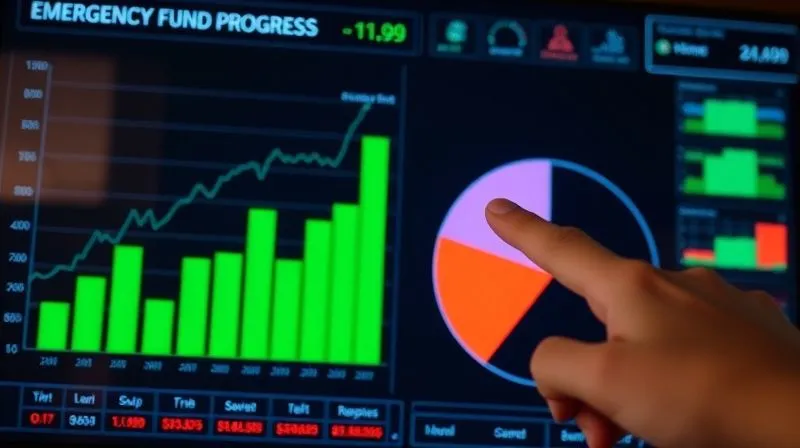
- Track Progress Religiously: Use a spreadsheet or a budgeting app to monitor your savings progress daily or weekly. Seeing your fund grow can be a powerful motivator.
For detailed guidance on creating an effective budget, resources like NerdWallet's budgeting guide offer excellent frameworks.
Pillar 2: Debt Prioritization & Minimization
While rebuilding your emergency fund, it's critical to manage any existing high-interest debt. Carrying credit card debt, for instance, can erode your financial progress faster than you can save.
- Prioritize High-Interest Debt: If you have credit card debt, personal loans, or other high-interest consumer debt, consider allocating a portion of your surplus income to aggressively pay these down while simultaneously rebuilding your emergency fund. Some experts advocate for a small 'starter' emergency fund (e.g., $1,000-$2,000) first, then focusing on debt, then fully funding the emergency fund.
- Debt Snowball or Avalanche Method: Choose a strategy to tackle your debt. The 'snowball' method (pay smallest debt first) provides psychological wins, while the 'avalanche' method (pay highest interest debt first) saves the most money.
Leveraging Professional Networks and Resources
As a professional, you have access to resources that many others don't. Don't hesitate to leverage them.
Mentorship and Financial Advisory
If you have a trusted financial advisor, now is the time to lean on their expertise. They can help you craft a personalized restoration plan, identify overlooked opportunities, and provide objective guidance during a stressful period. If you don't have one, consider a one-time consultation. A mentor in your industry might also offer valuable insights on generating additional income or navigating career challenges that impact your finances.
Employer-Sponsored Benefits and Programs
Many employers offer robust benefits packages that can indirectly aid in your emergency fund restoration. These might include:
- Employee Assistance Programs (EAPs): Often provide free or low-cost financial counseling, legal advice, or mental health support.
- Wellness Programs: Some companies offer incentives for healthy living, which can reduce future medical costs.
- Professional Development: Training or certifications paid for by your employer can increase your earning potential.
Understanding and utilizing these benefits can free up cash flow that can then be directed towards your emergency fund. For more on the value of professional financial planning, consider articles from the Certified Financial Planner Board of Standards.
Advanced Tactics for Long-Term Emergency Fund Resilience
Once your primary emergency fund is restored, the goal shifts from urgent restoration to long-term resilience. This involves not just having the money, but optimizing its structure and accessibility.
Diversifying Your Emergency Fund Holdings
For high-net-worth professionals, simply having all emergency cash in a low-interest savings account might not be the most efficient strategy. Consider a tiered approach:
| Tier | Amount | Location | Purpose |
|---|---|---|---|
| Tier 1 (Immediate Access) | 1-3 months expenses | High-yield savings account | Liquid cash for urgent needs |
| Tier 2 (Mid-Term Access) | 3-6 months expenses | Money market account or short-term CDs | Accessible within days/weeks, slightly higher yield |
| Tier 3 (Longer-Term Buffer) | 6-12+ months expenses | Short-term bond funds or conservative investment vehicle | For prolonged crises, minimal market risk |
This multi-tiered approach ensures you have immediate liquidity while allowing a portion of your emergency reserves to earn a slightly higher return without significant risk. The key is to balance accessibility with growth.
Regular Review and Adjustment
Your emergency fund isn't a 'set it and forget it' account. Your financial situation, living expenses, and risk tolerance will evolve. I advise my clients to review their emergency fund needs annually, or whenever a significant life event occurs (marriage, children, new home, career change). Adjust the target amount based on your current reality.
Frequently Asked Questions (FAQ)
Q: How much should a professional have in an emergency fund? A: While the traditional advice is 3-6 months of essential living expenses, for professionals, I often recommend 6-12 months, especially if you have variable income, dependents, or a specialized career with longer job search times. Your specific circumstances, such as health, job security, and other financial obligations, should dictate the final amount.
Q: Is it ever okay to use a credit card for emergencies? A: In an absolute, dire emergency where no other funds are available, a credit card might be a last resort. However, this should be treated as a very short-term bridge. The goal must be to pay off that credit card balance immediately with your next available cash flow, as the high interest rates can quickly negate any financial progress. It's far better to have a fully funded emergency fund than to rely on high-interest debt.
Q: What if I have high-interest debt and no emergency fund? A: This is a common dilemma. My recommendation is often to build a small 'starter' emergency fund of $1,000-$2,000 first. This provides a minimal buffer for truly unexpected, small emergencies. Once that's in place, aggressively tackle your high-interest debt using methods like the debt avalanche. After the high-interest debt is eliminated, shift your full focus back to fully funding your emergency fund. This balanced approach protects you from minor setbacks while addressing the most financially damaging debt.
Q: How do I stay motivated during the rebuilding process? A: Rebuilding can feel like a marathon. Set clear, measurable mini-goals (e.g., 'reach $1,000 by next month'). Visualize your progress with charts or apps. Reward yourself with small, non-financial treats when you hit milestones. Most importantly, remember your 'why' – the peace of mind and security that a robust emergency fund provides. Share your goal with a trusted accountability partner.
Q: Should I invest while rebuilding my emergency fund? A: Generally, no. The primary purpose of an emergency fund is safety and liquidity, not growth. Until your emergency fund is fully replenished to your comfort level (e.g., 6-12 months of expenses), I strongly advise pausing discretionary investments (beyond employer matching programs, which you should always try to max out if possible) and directing all available funds to your emergency savings. Once your emergency fund is solid, you can resume investing with peace of mind.
Key Takeaways and Final Thoughts
Restoring a depleted emergency fund is more than just a financial task; it's a testament to your resilience and commitment to financial well-being. It requires discipline, strategic thinking, and sometimes, uncomfortable decisions. But the peace of mind and security it provides are immeasurable.
- Act Swiftly: The moment your fund is compromised, initiate immediate damage control and halt non-essential spending.
- Aggressively Boost Income: Leverage your professional skills and assets to accelerate cash flow.
- Implement a Hyper-Savings Budget: Be ruthless in identifying areas to cut and automate your savings.
- Prioritize Debt Wisely: Balance emergency fund rebuilding with high-interest debt reduction.
- Seek Expert Guidance: Don't hesitate to consult financial advisors or leverage employer resources.
- Build for Resilience: Once restored, consider tiered strategies and regular reviews to fortify your financial safety net.
I've seen countless professionals navigate this challenge successfully, emerging not just with a restored fund, but with a deeper understanding of financial resilience. Remember, this journey is about empowering yourself against future uncertainties. You have the expertise and the drive; now, apply these urgent strategies for pros to restore emergency fund, and build an even stronger financial foundation for your future.
Recommended Reading
- Small Business IRS Audit? 7 Steps to Navigate Complex Scrutiny
- 5 Proven Steps: Fix Low Business Credit, Unlock Growth Capital
- Remote Payroll: 7 Critical Steps for New State Tax Laws
- Uninsurable Home? 7 Expert Steps to Navigate Past Claims for Your Client
- 7 Strategies: How to Hedge Volatility in Institutional Crypto Portfolios?





Comments
Leave a comment below. Your email will not be published. Required fields marked with *