


Urgent Steps to Mitigate Ransomware Threat to Bank's Customer Data
For over two decades in the demanding world of financial cybersecurity, I've witnessed the threat landscape evolve from simple viruses to highly sophisticated, state-sponsored attacks. Yet, few threats strike as much fear into the heart of a CISO or a bank CEO as ransomware. It’s not just about data encryption anymore; it's about the very integrity of a financial institution and, crucially, the trust customers place in us to protect their most sensitive information.
The insidious nature of ransomware, particularly when it targets bank customer data, is that it's a multi-pronged attack. It threatens operational continuity, exposes confidential client information, and can inflict severe reputational damage that takes years, if not decades, to repair. The financial repercussions are astronomical, ranging from regulatory fines and legal fees to the direct cost of remediation and lost business. This isn't a theoretical risk; it's a clear and present danger that demands immediate, decisive action.
Today, I'm going to share a pragmatic, multi-layered framework, born from years of hands-on experience and countless hours spent battling these threats. We'll delve into actionable strategies, real-world insights, and expert advice designed to not just defend against, but actively mitigate the ransomware threat to your bank's most valuable asset: its customer data. This isn't just about technology; it's about people, processes, and a proactive mindset.
Understanding the Evolving Ransomware Landscape in Banking
To effectively combat ransomware, we first need to understand what we're up against. The days of simple 'encrypt-and-demand' attacks are largely behind us. Modern ransomware groups are highly organized, well-funded, and increasingly sophisticated, often operating with the precision of a corporate entity. I've seen a clear shift in their tactics, moving beyond merely locking up systems to a much more damaging strategy.
The Shift to Data Exfiltration and Double Extortion
The most significant evolution I've observed is the rise of 'double extortion.' Attackers don't just encrypt your data; they first exfiltrate it, stealing sensitive customer information before encryption. This gives them a powerful second leverage point: pay the ransom, or we'll release your customers' data on the dark web. This tactic exponentially increases the pressure on banks, as the threat of a data breach is often more terrifying than system downtime.
According to a recent IBM X-Force Threat Intelligence Index, ransomware attacks continue to be a dominant threat, with financial services often in the crosshairs due to the high value of data they hold. They're also increasingly using sophisticated social engineering, supply chain attacks, and leveraging zero-day vulnerabilities to gain initial access. This means our defenses must be equally sophisticated and multi-faceted.
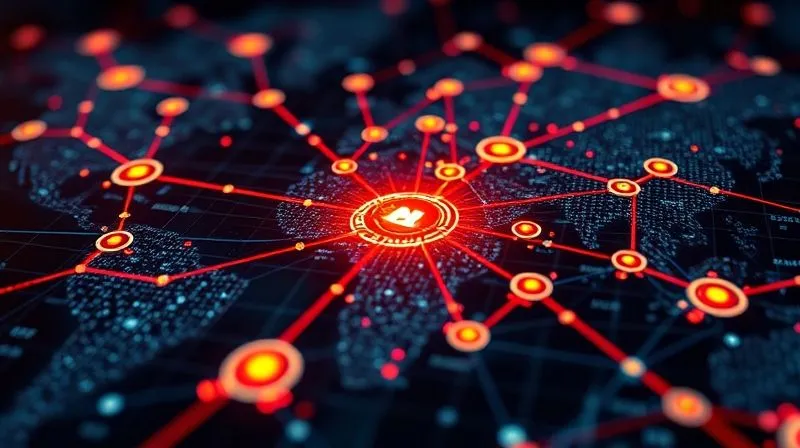
Furthermore, 'triple extortion' is emerging, adding a third layer of pressure by targeting a bank's customers or business partners, threatening to disrupt their operations or expose their data if the bank doesn't pay. This escalating arms race necessitates a fundamental re-evaluation of our security postures.
Fortifying Your Perimeter: The First Line of Defense
Just as a medieval castle relied on its strong walls and moats, a bank's cybersecurity depends on a robust perimeter. This isn't just about a single firewall; it's about a layered defense that makes initial penetration incredibly difficult.
Advanced Endpoint Detection and Response (EDR)
Every device connected to your network – from a teller's workstation to a server in the data center – is a potential entry point. Traditional antivirus is no longer sufficient. I advocate for advanced EDR solutions that offer continuous monitoring, real-time threat detection, and automated response capabilities. They don't just scan for known signatures; they analyze behaviors and anomalies to catch never-before-seen threats.
Robust Network Segmentation and Micro-segmentation
If an attacker breaches your perimeter, you need to contain them. Network segmentation is critical here. By dividing your network into isolated segments, you limit an attacker's lateral movement. For customer data, I often recommend micro-segmentation, creating granular security zones around individual applications or data repositories. This ensures that even if one segment is compromised, the ransomware cannot spread easily to critical customer data stores.
Next-Gen Firewalls and Intrusion Prevention Systems (IPS)
Your firewalls are still your frontline. Next-generation firewalls (NGFWs) go beyond port and protocol inspection, offering deep packet inspection, application awareness, and integrated intrusion prevention systems (IPS). These systems are vital for blocking known malicious traffic and identifying suspicious patterns that might indicate an impending attack. Regularly updating their threat intelligence feeds is non-negotiable.
Here are the actionable steps for fortifying your perimeter:
- Implement EDR Solutions: Deploy EDR across all endpoints, ensuring 24/7 monitoring and automated threat hunting.
- Map Your Network: Clearly define and segment your network, isolating critical systems and customer data repositories.
- Configure Micro-segmentation: Apply granular security policies to individual applications and data stores holding sensitive customer information.
- Upgrade to NGFWs with IPS: Ensure your network edge is protected by modern firewalls capable of deep packet inspection and integrated threat prevention.
- Regularly Review Firewall Rules: Conduct quarterly audits of firewall rules to remove outdated or overly permissive access.
Insider Threat & Human Element: Your Strongest Link or Weakest Point
In my experience, no matter how sophisticated your technology, the human element remains a primary vulnerability. Ransomware often gains initial access through phishing, social engineering, or compromised credentials. Addressing the human factor is an urgent step to mitigate ransomware threat to bank's customer data.
Comprehensive Security Awareness Training
Employees are your first line of defense, not just a potential weak link. Investing in continuous, engaging, and relevant security awareness training is paramount. This goes beyond annual slideshows; it involves simulated phishing attacks, interactive modules, and regular updates on emerging threats. Teach them to spot suspicious emails, understand social engineering tactics, and report anything unusual immediately.
Strong Access Controls and Least Privilege Principle
The principle of least privilege dictates that users should only have the minimum access necessary to perform their job functions. This is absolutely critical for safeguarding customer data. Review and revoke unnecessary permissions regularly. Implement role-based access control (RBAC) to manage access efficiently and prevent privilege creep. This limits the blast radius if an account is compromised.
Multi-Factor Authentication (MFA) Everywhere
If there's one non-negotiable security control I preach, it's MFA. Implementing MFA for all employee accounts, especially those with access to sensitive customer data or critical systems, drastically reduces the risk of credential theft leading to a ransomware breach. Whether it's biometrics, hardware tokens, or authenticator apps, MFA is an indispensable barrier against unauthorized access.
"The human firewall is just as vital as any technological one. Empowering your employees with knowledge and robust controls can turn them into your strongest defenders against ransomware." - Industry Specialist
Case Study: How SecureBank Co. Minimized Insider Risk
SecureBank Co., a regional bank with 2,000 employees, faced a rising tide of phishing attempts targeting their customer service and wealth management divisions. Their initial security awareness training was generic and infrequently updated. After a near-miss where a finance employee almost clicked a malicious link, I advised them to overhaul their approach.
They implemented a new program featuring weekly micro-learning modules, monthly simulated phishing campaigns with personalized feedback, and mandatory MFA for all internal and external applications. Crucially, they introduced gamification, rewarding employees who reported suspicious emails. Within six months, their click-through rate on simulated phishing emails dropped by 70%, and reported suspicious emails increased by 200%. This proactive engagement significantly strengthened their human firewall, directly mitigating the risk of ransomware gaining initial access through employee error.
Impenetrable Data Protection: Encryption, Backup, and Recovery
Even with the strongest perimeter and the most vigilant employees, a sophisticated attacker might still find a way in. This is where your data protection strategy becomes your ultimate safeguard. The urgent steps to mitigate ransomware threat to bank's customer data fundamentally rely on how well you protect and can recover your data.
Data Encryption at Rest and in Transit
All sensitive customer data, whether it's sitting on a server (at rest) or moving across your network (in transit), must be encrypted. This is a baseline requirement. Strong encryption ensures that even if an attacker manages to exfiltrate your data, it remains unreadable and useless to them. Implement robust encryption protocols for databases, file systems, and communication channels (e.g., TLS for web traffic).
Immutable Backups and Offline Storage
Your backup strategy is your insurance policy. But traditional backups are often vulnerable to ransomware, as attackers will seek to encrypt or delete them. The solution lies in immutable backups – backups that, once created, cannot be altered or deleted. Combine this with the 3-2-1 rule: three copies of your data, on two different media types, with one copy offsite and, ideally, offline. Offline or 'air-gapped' backups are critical because they are physically disconnected from the network, making them immune to network-based ransomware attacks.
Tested Disaster Recovery and Business Continuity Plans
A backup is only as good as your ability to restore from it. You must have a well-documented, regularly tested disaster recovery (DR) and business continuity (BC) plan specifically tailored for ransomware scenarios. This plan should detail how to isolate infected systems, restore data from clean backups, and bring critical banking operations back online. Regular drills are essential to ensure the plan works under pressure.
Consider these actionable steps for robust data protection:
- Encrypt Everything: Mandate encryption for all customer data at rest (databases, storage) and in transit (network communications).
- Implement Immutable Backups: Use backup solutions that support immutability, preventing modification or deletion of backup copies.
- Practice the 3-2-1 Rule: Maintain multiple copies of your data, with at least one air-gapped or offline copy.
- Develop Ransomware-Specific DR/BC Plans: Create detailed plans for recovering from a ransomware attack, focusing on minimal downtime.
- Conduct Regular DR Drills: Test your recovery plans at least twice a year, involving all relevant teams, to identify and fix weaknesses.

Proactive Threat Intelligence and Continuous Monitoring
In the world of cybersecurity, being reactive is a losing strategy. We need to be proactive, anticipating threats and continuously monitoring our environments for any signs of compromise. This is where sophisticated tools and vigilant teams come into play. Staying ahead of the curve is an urgent step to mitigate ransomware threat to bank's customer data.
Leveraging AI/ML for Anomaly Detection
The sheer volume of data and potential threats makes manual monitoring impossible. Artificial intelligence and machine learning (AI/ML) are invaluable here. They can analyze vast amounts of network traffic, user behavior, and system logs to identify anomalies that might indicate a ransomware attack in its early stages – before encryption begins. This could be unusual file access patterns, sudden spikes in outbound data, or unauthorized software installations.
Security Information and Event Management (SIEM) Optimization
Your SIEM system is the central nervous system of your security operations center (SOC). It aggregates logs and alerts from all your security tools and systems. However, a SIEM is only as effective as its configuration and the analysts monitoring it. I've often seen SIEMs generating too much noise, leading to alert fatigue. Optimize your SIEM rules to focus on high-fidelity alerts relevant to ransomware, integrate it with threat intelligence feeds, and ensure your SOC team has the expertise to interpret its outputs.
Regular Vulnerability Assessments and Penetration Testing
You can't fix what you don't know is broken. Regular vulnerability assessments (VAs) scan your systems for known weaknesses, while penetration testing (pentesting) simulates real-world attacks to identify exploitable vulnerabilities. Both are crucial. Pentesting, especially, can uncover complex attack paths that ransomware operators might use to traverse your network and reach customer data. Ensure these are conducted by independent, reputable third parties.
For guidance on continuous monitoring and assessment, the NIST Cybersecurity Framework provides an excellent blueprint for managing cybersecurity risks.
| Phase | Key Activities | Tools |
|---|---|---|
| Identification | Asset inventory, vulnerability scans, threat intelligence feeds | CMDB, Nessus, Recorded Future |
| Protection | Access control, encryption, security awareness training | IAM, DLP, LMS |
| Detection | Continuous monitoring, anomaly detection, log analysis | SIEM, EDR, IDS/IPS |
| Response | Incident containment, eradication, recovery | SOAR, Playbooks, Forensics |
| Recovery | Data restoration, system hardening, post-incident review | Backup/DR solutions, Audit tools |
Developing a Robust Ransomware Incident Response Plan
Despite all preventative measures, a breach is always a possibility. How you respond in the critical hours and days following a ransomware attack can make all the difference between a minor incident and a catastrophic failure. Having a clear, well-rehearsed incident response plan is an urgent step to mitigate ransomware threat to bank's customer data.
Clear Roles, Responsibilities, and Communication Protocols
Chaos is the enemy of effective incident response. Your plan must clearly define who does what, when, and how. This includes roles for technical containment, legal counsel, public relations, executive communication, and customer notification. Establish pre-approved communication templates for various stakeholders – customers, regulators, media – to avoid missteps during a high-stress situation. A single, designated incident commander is crucial for clear decision-making.
Containment, Eradication, and Recovery Phases
The incident response plan should detail the immediate actions for each phase:
- Containment: How do you stop the spread? This involves isolating infected systems, disconnecting networks, and blocking malicious IP addresses.
- Eradication: How do you remove the threat? This means identifying the initial point of compromise, eliminating the ransomware, and patching vulnerabilities.
- Recovery: How do you restore operations? This involves restoring data from clean backups, rebuilding compromised systems, and validating system integrity before going back online.
Each step needs precise, documented procedures that your team can follow without hesitation.
Legal and Regulatory Considerations
Banks operate in a heavily regulated environment, and a ransomware attack involving customer data triggers numerous legal and regulatory obligations. Your incident response plan must account for compliance with regulations like GDPR, CCPA, GLBA, and specific financial industry mandates (e.g., those from the FDIC or OCC). This includes mandatory breach notification timelines and reporting requirements. Engage legal counsel early in the planning process and during an actual incident.
"A ransomware incident is not the time to be figuring things out. A practiced, precise incident response plan is your bank's blueprint for survival." - Seasoned Banking Security Expert
For specific regulatory guidance, always consult official documentation from bodies like the FDIC or your relevant national financial regulator.
The Power of Collaboration: Threat Sharing and Industry Partnerships
No bank, regardless of its size, can fight ransomware alone. The threat actors are globally connected and constantly sharing tactics. We must do the same. Collaboration is an urgent step to mitigate ransomware threat to bank's customer data, transforming individual vulnerabilities into collective strength.
Information Sharing and Analysis Centers (ISACs)
Joining and actively participating in industry-specific Information Sharing and Analysis Centers (ISACs), such as the Financial Services Information Sharing and Analysis Center (FS-ISAC), is non-negotiable. These organizations facilitate the real-time exchange of threat intelligence, indicators of compromise (IOCs), and best practices among member institutions. This collective knowledge allows banks to detect new threats faster and bolster their defenses proactively.
Engaging with Cybersecurity Vendors and Experts
Your security vendors are not just providers; they should be strategic partners. Engage with them beyond just purchasing products. Leverage their expertise for threat intelligence briefings, incident response support, and guidance on emerging security technologies. Similarly, cultivate relationships with independent cybersecurity consultants who can offer objective assessments and specialized expertise that might be beyond your internal team's current scope.
Participating in industry forums, conferences, and workshops also provides invaluable opportunities to learn from peers, share experiences (anonymously, where necessary), and stay abreast of the latest defense strategies. The collective wisdom of the community is a powerful weapon against a common enemy.

Beyond Technology: Cultivating a Security-First Culture
Ultimately, enduring security isn't just about the tools you deploy; it's about the mindset ingrained throughout your organization. It's about everyone, from the board to the newest intern, understanding their role in protecting customer data. Cultivating a security-first culture is an urgent step to mitigate ransomware threat to bank's customer data that underpins all others.
Leadership Buy-in and Budget Allocation
Security starts at the top. Without strong leadership buy-in and adequate budget allocation, even the best security strategies will falter. The board and executive leadership must understand the severity of the ransomware threat and champion security initiatives. This involves not just signing off on expenses but actively participating in security discussions, understanding risks, and setting the tone for the entire organization.
Gamified Security Training and Incentives
As I mentioned earlier, traditional training can be dull and ineffective. Consider gamifying security awareness. Create engaging challenges, quizzes, and simulated scenarios that make learning fun and memorable. Offer incentives for reporting suspicious activity or successfully completing training modules. Positive reinforcement can significantly improve employee vigilance and engagement.
Regular Drills and Simulation Exercises
Beyond technical DR drills, conduct tabletop exercises and full-scale simulation exercises that involve non-technical teams, including legal, PR, HR, and executive leadership. These simulations help identify communication breakdowns, decision-making bottlenecks, and gaps in your response plan before a real incident occurs. It's about building muscle memory for a crisis.
| Security Culture Element | Impact on Ransomware Mitigation | Key Action |
|---|---|---|
| Leadership Commitment | Drives budget, policy, and priority for security initiatives. | Regular security briefings for board, allocate dedicated CISO budget. |
| Employee Engagement | Reduces human error, increases vigilance against phishing/social engineering. | Mandatory, engaging security awareness training; phishing simulations. |
| Continuous Improvement | Adapts defenses to evolving threats, learns from incidents. | Post-mortem analysis of all incidents, regular policy reviews, vulnerability assessments. |
Frequently Asked Questions (FAQ)
How often should banks conduct ransomware drills? In my experience, banks should conduct comprehensive ransomware drills at least once a year, with smaller, more focused tabletop exercises quarterly. These drills should involve not just IT and security teams, but also legal, communications, operations, and executive leadership to test the full spectrum of your incident response plan. The threat landscape changes rapidly, so frequent testing ensures your plan remains relevant and effective.
What's the role of cyber insurance in ransomware mitigation? Cyber insurance is an important component of a holistic risk management strategy, but it is not a substitute for robust security. It can help cover costs associated with incident response, legal fees, data recovery, and business interruption. However, policies often have strict requirements regarding security controls, and some may not cover ransom payments. It's crucial to understand your policy's specifics and ensure your security posture meets the insurer's criteria.
Is paying the ransom ever advisable for a bank? As a rule, I strongly advise against paying ransoms. First, there's no guarantee the attackers will decrypt your data or refrain from releasing exfiltrated information. Second, paying incentivizes further attacks and funds criminal enterprises. Focus instead on having impeccable backups and a strong recovery plan. In extremely rare, dire situations where all other recovery options are exhausted and lives/critical national infrastructure are at stake, the decision to pay is complex and involves legal, ethical, and regulatory considerations, often requiring consultation with law enforcement.
How can smaller banks with limited resources effectively mitigate ransomware? Smaller banks can achieve significant mitigation through strategic investments. Prioritize the basics: strong MFA, regular backups (especially immutable and offline), robust employee training, and patching critical vulnerabilities. Leverage cloud security services which often offer enterprise-grade protection at a lower operational cost. Partner with Managed Security Service Providers (MSSPs) who can provide 24/7 monitoring and expertise. Focus on community and industry threat intelligence sharing to stay informed.
What emerging technologies hold promise for future ransomware defense? Several emerging technologies show great promise. Zero Trust Architecture (ZTA) fundamentally shifts security by never trusting and always verifying, minimizing lateral movement. Deception technologies can lure attackers into decoy systems, revealing their tactics without compromising real data. Quantum-resistant cryptography is on the horizon to protect against future quantum computing threats. Furthermore, advanced behavioral analytics and AI-driven orchestration will continue to enhance detection and automated response capabilities.
Key Takeaways and Final Thoughts
The ransomware threat to bank's customer data is arguably the most pressing cybersecurity challenge facing financial institutions today. It demands not just attention, but an urgent, comprehensive, and continuous effort. As a veteran in this field, I've seen firsthand how preparation and vigilance can avert catastrophe, and how complacency can lead to devastating consequences.
- Understand the Evolving Threat: Recognize that modern ransomware involves data exfiltration and double/triple extortion, requiring a multi-faceted defense.
- Fortify Your Digital Perimeter: Deploy advanced EDR, robust network segmentation, and next-gen firewalls as your first lines of defense.
- Empower Your Human Firewall: Invest in continuous, engaging security awareness training and enforce strong access controls with MFA everywhere.
- Master Data Protection and Recovery: Implement pervasive encryption, immutable backups (including offline copies), and regularly tested disaster recovery plans.
- Be Proactive with Intelligence: Leverage AI/ML for anomaly detection, optimize your SIEM, and conduct regular vulnerability assessments and penetration tests.
- Develop a Clear Response Plan: Have a well-defined, rehearsed incident response plan with clear roles, communication protocols, and regulatory considerations.
- Embrace Collaboration: Actively participate in ISACs and foster strategic partnerships with cybersecurity vendors and experts.
- Cultivate a Security Culture: Ensure leadership buy-in, incentivize secure behavior, and conduct regular cross-functional simulation exercises.
Protecting customer data is not merely a regulatory obligation; it is the bedrock of trust upon which the entire banking industry is built. By taking these urgent steps, your institution can not only mitigate the ransomware threat but also reinforce its resilience, safeguarding its future and, most importantly, the financial well-being of its customers. The time for action is now.
Recommended Reading
- 7 Proven Strategies: How Real Estate Agents Conquer Irregular Income Stress
- 7 Essential Steps: How Professionals Mitigate Data Breach Identity Theft
- Large Altcoin Orders? Master 6 Ways to Minimize Slippage & Save
- 7 Steps to Verify SDG Impact & Avoid Greenwashing in Ethical Funds
- 7 Ways to Motivate Debt Clients: Overcome High-Interest Overwhelm




Comments
Leave a comment below. Your email will not be published. Required fields marked with *