



Strategies for selling luxury homes during a market downturn?
For over two decades in the luxury real estate sector, I've witnessed market cycles ebb and flow, from exhilarating booms to challenging downturns. What often differentiates success from stagnation during these tougher times isn't just luck, but a deeply strategic, nuanced approach. I've seen countless sellers and agents panic, making rash decisions that ultimately devalue their exquisite properties.
The problem is clear: selling a luxury home during a market downturn isn't like selling an average property. Affluent buyers are more discerning, often less emotional, and acutely aware of market conditions. They're looking for value, stability, and often, an opportunity. The traditional 'list it and wait' approach simply won't cut it, leading to prolonged listings, price reductions, and ultimately, seller frustration.
This article isn't just a guide; it's a battle-tested playbook. I'll share the actionable frameworks, real-world insights, and expert strategies I've personally developed and refined to help you not just survive, but thrive, when selling luxury homes during a market downturn. From precision pricing to unparalleled marketing and savvy negotiation, you'll gain the critical edge needed to secure a successful sale.
1. Mastering Market Intelligence: Understanding the Luxury Downturn Landscape
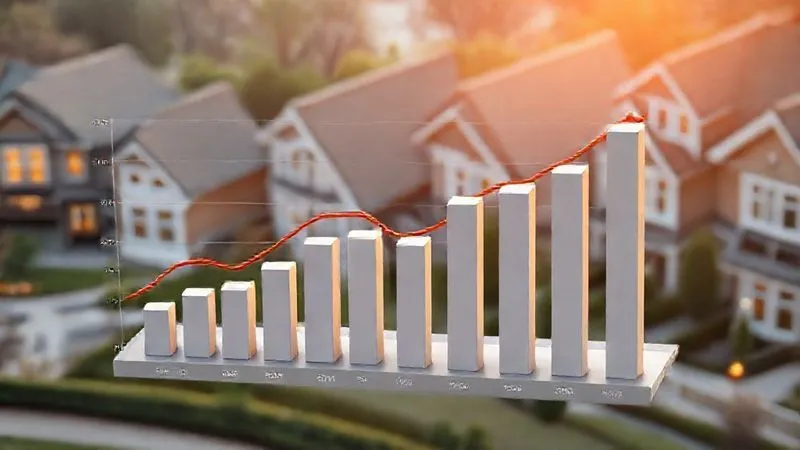
Before any strategy can be effective, you must first understand the battlefield. A market downturn in luxury real estate isn't a monolithic event; it's a complex interplay of economic indicators, buyer sentiment, and specific sub-market dynamics. In my experience, many sellers make the mistake of relying on broad national headlines rather than granular, hyper-local data.
The Nuances of Luxury Market Contraction
Luxury buyers are often less susceptible to interest rate fluctuations than mainstream buyers, but they are highly sensitive to wealth effects, stock market performance, and global economic stability. A downturn might mean a shrinking pool of buyers, longer days on market, and increased scrutiny over pricing and value. According to a recent report by Knight Frank, affluent individuals tend to re-evaluate their investment strategies during periods of uncertainty, often prioritizing liquidity and tangible assets that demonstrate long-term value. (Source: Knight Frank Wealth Report)
It's crucial to analyze:
- Local Inventory Levels: Is there an oversupply of luxury homes in your specific price point and neighborhood?
- Absorption Rate: How long is it taking for properties like yours to sell? This metric is far more telling than just 'days on market'.
- Buyer Demographics: Are your typical buyers still active? Are new buyer segments emerging (e.g., international investors seeking safe havens)?
- Economic Indicators: Local job growth, high-net-worth individual migration patterns, and stock market performance all play a role.
"In a downturn, data isn't just informative; it's your competitive advantage. Guesswork is a luxury you cannot afford when selling luxury."
2. Strategic Pricing: The Art of Value Preservation, Not Just Reduction
This is perhaps the most contentious yet critical aspect of selling during a downturn. The knee-jerk reaction for many is to drastically cut prices. While some adjustment is often necessary, strategic pricing in the luxury market is about understanding perceived value and market reality, not capitulation.
Pricing Framework for Challenging Markets
- Deep Comparative Market Analysis (CMA): Go beyond recent sales. Analyze expired listings (why didn't they sell?), active listings (your competition), and pending sales (what are buyers currently willing to pay?). Focus on properties with similar unique features.
- Value Proposition Articulation: Instead of just a price, articulate the *value*. Is it the land size, architectural significance, bespoke finishes, or unparalleled privacy? These are the intangibles that justify a premium.
- Test the Waters with 'Smart Pricing': Sometimes, a slight premium might attract the right buyer who values exclusivity, while a deep discount can signal desperation. I often advise a 'sweet spot' that positions the property as a strong value without appearing undervalued.
- Anticipate Negotiation: Price with a realistic margin for negotiation. Affluent buyers expect to negotiate, and a well-thought-out initial price allows for this without eroding your bottom line too severely.
I recently worked with a client selling a stunning beachfront estate. The initial instinct was to drop the price by 20% due to market fear. Instead, we performed an exhaustive CMA, highlighted the property's unique, unreplicable ocean frontage, and priced it just 8% below the peak market value. This established it as a 'fair value' rather than a 'distressed sale', attracting a serious buyer within 90 days.
| Pricing Strategy | Initial Price | Days on Market (Avg) | Negotiation Buffer |
|---|---|---|---|
| Peak Market Value | $15,000,000 | 60 | 5% |
| Downturn Aggressive Discount | $12,000,000 | 180+ | 15% |
| Strategic Value Pricing | $13,800,000 | 90-120 | 8-10% |
3. Elevated Marketing & Storytelling for Discerning Buyers
During a downturn, marketing isn't about casting a wide net; it's about precision targeting and compelling storytelling. Luxury homes are not commodities; they are lifestyle statements, works of art, or sanctuaries. Your marketing must reflect this.
Crafting an Irresistible Narrative
- Professional Photography & Videography: This is non-negotiable. Hire the absolute best. Drone footage, twilight shots, and lifestyle videos (showing activities one could enjoy in the home and its surroundings) are essential.
- Virtual Tours & Immersive Experiences: 3D Matterport tours, virtual reality walkthroughs, and even personalized video calls where I walk through the property for an overseas buyer are powerful tools. These save time and pre-qualify serious interest.
- Lifestyle Marketing: Don't just sell square footage; sell the dream. Is it a gourmet kitchen for entertaining? A serene master suite for relaxation? A state-of-the-art home office for productivity? Highlight these experiences.
- Targeted Digital Campaigns: Leverage social media platforms (Instagram, Pinterest, LinkedIn) and high-end publications' digital editions that cater to affluent demographics. Use geo-targeting and interest-based targeting to reach potential buyers where they spend their digital time.
- Bespoke Brochures & Websites: A custom website for the property and a beautifully designed, high-quality physical brochure lend an air of exclusivity and professionalism.
"In a saturated market, your property's story is its most potent differentiator. Make it captivating, make it aspirational, make it unforgettable."
I recall a challenging listing during the 2008 financial crisis. It was a sprawling equestrian estate. Instead of just listing its features, we created a video showcasing a family riding horses through the grounds, enjoying picnics by the pond, and relaxing on the grand porch. We sold the 'legacy' and the 'lifestyle', not just the house. This emotional connection resonated deeply with the eventual buyers.
4. Optimizing Presentation: Staging and Virtual Experiences Beyond the Norm
Presentation matters immensely, especially when selling luxury homes during a market downturn. Buyers are scrutinizing every detail, and any imperfection can be amplified. Staging a luxury home goes beyond decluttering; it's about curating an aspirational experience.
Creating an Irresistible First Impression
- Professional Staging: Engage a luxury staging company. They understand the aesthetic and lifestyle expectations of affluent buyers. This might involve bringing in high-end furniture, art, and accessories that complement the home's architecture and design.
- Repairs and Upgrades: Address every minor repair. A dripping faucet, a scuffed wall, or an outdated light fixture can detract significantly from a luxury property's appeal. Consider minor, high-impact upgrades if they align with buyer expectations (e.g., smart home technology, fresh paint in neutral tones).
- Deep Cleaning and Maintenance: The property must be immaculate, inside and out. This includes professional window cleaning, landscape maintenance, and ensuring all mechanical systems are in perfect working order.
- Sensory Experience: Think about the five senses. A pleasant, subtle scent (not overpowering), comfortable temperature, and soft background music can create an inviting atmosphere during showings.
- Virtual Staging for Specific Spaces: If a room's purpose isn't immediately obvious (e.g., a large bonus room), virtual staging can illustrate its potential as a home theater, gym, or art studio, expanding its appeal.
A recent study by the National Association of Realtors found that staged homes sell faster and for a higher price, even in challenging markets. For luxury properties, this effect is often magnified because the stakes are higher and buyer expectations are elevated. (Source: NAR)
5. Master Negotiation: Psychology and Tactics with Affluent Buyers
In a downturn, negotiation shifts from a transaction to a strategic chess match. Affluent buyers are often sophisticated negotiators themselves, and you must be prepared to counter their tactics while maintaining the property's perceived value.
Strategic Negotiation Principles
- Understand Buyer Motivation: Is the buyer an investor, seeking a primary residence, or a vacation home? Their motivation will dictate their negotiation style and priorities.
- Anchor High, Justify Value: Start with a price that you can robustly defend with data and the property's unique value propositions. Avoid appearing desperate.
- Concessions Beyond Price: If price is a sticking point, explore other concessions. Can you offer a lease-back option, inclusion of certain furnishings, or cover closing costs? These can sometimes be more palatable than a significant price drop.
- Maintain Composure: Negotiations can be drawn-out and challenging. My role as an expert is to keep emotions out of the equation and focus on the objective – securing the best possible outcome for my client.
- Create a Sense of Urgency (Authentically): While difficult in a slow market, highlighting genuine interest from other parties (if present) or unique market conditions (e.g., specific tax benefits expiring) can motivate action.
Case Study: Navigating a Lowball Offer in a Tough Market
Case Study: How The Grandview Estate Achieved Its Price
During a particularly sluggish period in 2010, I represented the sellers of 'The Grandview Estate', a magnificent property listed at $8.5 million. After several months, we received an offer for $6.8 million – a substantial lowball. My clients were frustrated and almost ready to accept a slightly higher counter out of desperation. Instead, I advised them to hold firm on their justifiable price. I presented the buyer's agent with a detailed report of recent comparable sales, the property's unique architectural significance, and the cost of replicating its custom features. More importantly, I highlighted the long-term investment potential of the location. We then offered to include a custom-built wine cellar, which was a specific desire of the buyer, as a non-monetary concession. After a week of intense back-and-forth, the buyer increased their offer to $7.9 million, acknowledging the value we had meticulously demonstrated. This resulted in a sale significantly higher than the initial offer, purely by focusing on value justification and strategic non-price concessions.
6. Leveraging Your Network and Off-Market Opportunities
When the public market slows, the private, off-market network becomes incredibly powerful. Many affluent buyers and sellers prefer discretion, especially during uncertain times. This is where an experienced agent's network truly shines.
Unlocking the Hidden Market
- Exclusive Agent Networks: I am part of several exclusive networks of top-tier luxury agents globally. These networks facilitate private, off-market dealings, connecting properties with pre-qualified buyers discreetly.
- Wealth Advisors & Family Offices: Cultivating relationships with wealth managers, private bankers, and family offices is crucial. They often have clients actively seeking specific types of luxury properties for investment or personal use, away from public scrutiny.
- Client Referrals: Past clients, who trust your expertise, are invaluable sources of referrals for both buyers and sellers.
- Strategic Partnerships: Collaborating with luxury lifestyle brands, private jet companies, or high-end concierge services can open doors to new pools of affluent individuals.
"The best deals in a downturn often happen quietly, away from the noise of the open market. Your network is your net worth in luxury real estate."
I've personally closed multiple multi-million dollar deals that never hit the MLS, purely through direct connections with buyer representatives in my network. This approach offers unparalleled privacy for sellers and a curated selection for buyers, making it an attractive option during a market downturn.
7. Building Trust and Demonstrating Expert Value
During market uncertainty, the role of the expert agent transcends mere transaction facilitation. It becomes about providing unwavering guidance, demonstrating deep market knowledge, and building profound trust. Sellers need an anchor in the storm.
Becoming the Trusted Advisor
- Constant Communication: Provide regular, transparent updates on market shifts, buyer feedback, and strategic adjustments. Even when there's no major news, a quick check-in reassures clients.
- Education, Not Just Advice: Explain *why* certain strategies are being implemented. Educate clients on market dynamics, negotiation tactics, and the psychology of affluent buyers. This empowers them to make informed decisions.
- Problem-Solving Proactiveness: Anticipate potential hurdles – inspection issues, financing challenges, appraisal gaps – and have solutions ready before they become major problems.
- Ethical Conduct: Upholding the highest ethical standards is paramount. In a downturn, some might be tempted by shortcuts; resist these at all costs. Your reputation is your most valuable asset.
- Long-Term Perspective: Remind clients that real estate, especially luxury, is a long-term asset. While the immediate market is challenging, focus on preserving long-term value and making smart decisions for the future.
As marketing guru Seth Godin often says, "People do not buy goods and services. They buy relations, stories, and magic." In a luxury real estate downturn, they buy peace of mind and expert guidance. (Source: Seth Godin's Blog)

8. Financial Structuring and Creative Deal-Making
Sometimes, traditional financing options become tighter during a downturn. This is when creative deal-making can unlock opportunities and attract buyers who might otherwise be on the sidelines.
Innovative Approaches to Close Deals
- Seller Financing: For ultra-high-net-worth individuals, offering a partial or full seller financing option can be a powerful incentive, especially if traditional mortgage rates are high or lending standards are strict. This provides flexibility and can make your property more attractive.
- Lease-to-Own Options: A lease-to-own agreement allows a prospective buyer to lease the property with an option to purchase it at a predetermined price within a specific timeframe. This can appeal to buyers who need time to liquidate other assets or are waiting for market conditions to stabilize.
- Contingency Management: Be prepared to manage contingencies creatively. If a buyer needs to sell their current luxury home, a well-structured contingency clause with clear timelines and exit strategies can facilitate the deal.
- Tax Implications & Wealth Management: Understand the tax implications for both buyer and seller. Sometimes, structuring a deal in a specific way can offer significant tax advantages, making the overall package more appealing. Consult with financial advisors and tax experts. (Source: Forbes Advisor)
I've seen deals revived from the brink of collapse by introducing a creative seller financing component. It signals flexibility and a willingness to partner with the buyer, which can be invaluable in a challenging market.
Frequently Asked Questions (FAQ)
Q: How long should I expect my luxury home to be on the market during a downturn? A: While every market is unique, during a downturn, you should anticipate longer days on market than during a peak. A realistic expectation is often 90-180 days, and sometimes even longer for ultra-high-end or highly specialized properties. However, with the right strategies—precision pricing, targeted marketing, and a strong network—this can often be mitigated. The key is patience combined with proactive adjustments.
Q: Should I renovate or upgrade my luxury home before selling in a downturn? A: Generally, major renovations are risky in a downturn as recouping the investment can be challenging. Focus instead on high-impact, low-cost improvements. This includes fresh paint in neutral tones, professional landscaping, decluttering, deep cleaning, and addressing any deferred maintenance. Professional staging is almost always a worthwhile investment, as it enhances perceived value and broadens appeal without structural changes.
Q: How important is my real estate agent's network in a slow luxury market? A: Extremely important. In a downturn, a significant portion of luxury transactions can occur off-market or through exclusive networks. An agent with deep connections to other top-tier agents, wealth managers, and private client groups can access a pool of pre-qualified, discerning buyers who may not be actively searching on public platforms. This discretion and access are invaluable.
Q: What if I receive a lowball offer during a market downturn? A: Do not take it personally or react impulsively. A lowball offer is often a starting point for negotiation. Your strategy should be to respond promptly, professionally, and with data. Reiterate the property's unique value propositions, recent comparable sales (if supportive), and highlight any non-monetary value. Be prepared to counter strategically, perhaps offering minor concessions that don't heavily impact your net proceeds.
Q: Can I still achieve a premium price for my luxury home in a downturn? A: Achieving a 'premium' as defined during a peak market is challenging. However, you can achieve a 'premium for the current market conditions' by meticulously highlighting unique features, offering exceptional presentation, employing targeted marketing, and demonstrating long-term value. The goal shifts from maximizing a peak market price to preserving as much value as possible and securing a strong price within the prevailing market reality.
Key Takeaways and Final Thoughts
Selling luxury homes during a market downturn is undeniably complex, but it is far from impossible. It demands a level of expertise, strategic thinking, and tenacity that transcends typical real estate transactions. Based on my years in this specialized niche, here are the critical takeaways:
- Data is Your Compass: Hyper-local market intelligence is non-negotiable for informed decision-making.
- Precision Pricing is Paramount: Price strategically to preserve value, not just to discount.
- Marketing Must Be Elevated: Craft compelling narratives and utilize immersive visual experiences.
- Presentation is Everything: Professional staging and meticulous maintenance create an irresistible impression.
- Negotiation is an Art: Understand buyer psychology and be prepared for creative deal-making.
- Leverage Your Network: Off-market opportunities are often key to discreet, successful sales.
- Trust is Your Ultimate Asset: Be the expert advisor who guides clients through uncertainty.
Remember, a downturn is not a dead end; it's an opportunity for the prepared and the persistent. By implementing these strategies, you're not just selling a property; you're demonstrating mastery over challenging conditions, ensuring your luxury asset finds its rightful owner at the best possible value. Trust your expert, stay resilient, and approach each step with strategic intent. The market may shift, but true value, expertly presented, will always find its way.
Recommended Reading
- Is Online Banking Safe for Seniors? Unlock Secure Digital Finance!
- 7 Steps: How to Protect Business Assets During Personal Debt Crisis?
- Missed 1099-NEC Deadline? 7 Steps to Mitigate IRS Penalty Risk
- Insufficient Early Retirement Savings? 7 Expert Steps to Recalibrate
- Unlock DeFi Profits: Mastering Impermanent Loss in Liquidity Pools




Comments
Leave a comment below. Your email will not be published. Required fields marked with *