



Navigating the Real Estate Market: An Expert's Perspective
For over two decades in the real estate sector, I've witnessed market cycles come and go, each bringing its own unique set of challenges and opportunities. I've seen investors make fortunes by understanding the underlying currents and others falter by chasing fleeting trends or ignoring fundamental shifts in the real estate market.
Many homeowners and investors today feel a palpable sense of uncertainty. Interest rates fluctuate, inventory levels shift unpredictably, and economic headlines often paint a confusing picture. This can lead to paralysis or, worse, ill-informed decisions driven by fear or speculation, missing out on genuine value.
In this comprehensive guide, I'll share my insights and provide you with actionable frameworks to not just survive, but thrive, in today's dynamic real estate market. We'll explore expert strategies, dive into crucial data analysis, and equip you with the knowledge to make confident, profitable decisions.
Understanding the Current Real Estate Market Landscape
The contemporary real estate market is a complex interplay of macroeconomic factors, demographic shifts, and technological advancements. It's no longer enough to simply observe sales prices; we must delve deeper into the forces at play.
Globally, we're seeing persistent inflation, central bank interventions impacting interest rates, and evolving work patterns that redefine housing demand. These elements collectively shape the opportunities and risks within the broader real estate market.
I've observed that understanding these larger forces is the first step towards informed decision-making. Ignoring the macroeconomic environment is akin to sailing without a compass; you might get somewhere, but it's unlikely to be your intended destination.
"The real estate market is less about bricks and mortar and more about people and their perception of value, driven by economic realities."
According to recent reports from the Federal Reserve, monetary policy adjustments continue to exert significant influence. Higher interest rates, for instance, directly impact affordability and borrowing capacity, dampening buyer demand in certain segments.
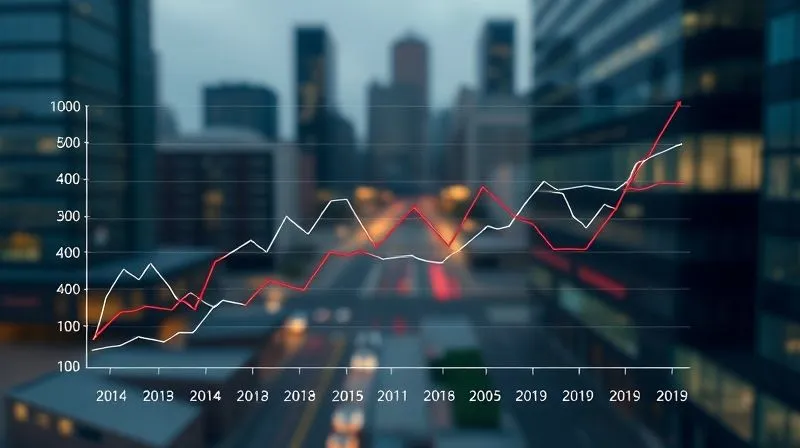
Conversely, tight inventory levels in desirable areas can create bidding wars, pushing prices up despite higher borrowing costs. This push-pull dynamic is what makes the current real estate market so fascinating and, at times, frustrating.
Key Economic Indicators to Monitor
To truly grasp the pulse of the real estate market, I always recommend closely watching several key economic indicators. These aren't just abstract numbers; they are the bedrock of future market movements.
- Interest Rates: Track the Federal Funds Rate and 30-year fixed mortgage rates. These directly affect buyer affordability and investor returns.
- Inflation Rates: High inflation can erode purchasing power but also make real estate an attractive hedge against rising costs.
- Employment Data: Robust job growth fuels demand for housing, both rental and ownership. Unemployment spikes often signal market slowdowns.
- Consumer Confidence: A confident consumer is more likely to make large purchases like a home. Low confidence can lead to deferred decisions.
- Housing Inventory: The number of available homes directly impacts supply-demand dynamics. Low inventory often means higher prices, all else being equal.
Decoding Market Cycles: When to Buy, Sell, or Hold
The real estate market doesn't move in a straight line; it operates in cycles. Recognizing which phase of the cycle we are in is paramount for strategic planning. I've seen countless investors regret decisions because they failed to understand these fundamental patterns.
These cycles typically consist of four phases: recovery, expansion, hyper supply, and recession. Each phase presents distinct opportunities and risks for participants in the real estate market.
Understanding these cycles allows you to anticipate shifts rather than merely react to them. It's about positioning yourself strategically, whether you're a first-time homebuyer or a seasoned portfolio manager.
"Timing the market perfectly is a myth, but understanding its cyclical nature allows for intelligent, informed positioning."
For instance, buying in the early recovery phase, when prices are low and competition is minimal, can yield significant appreciation during expansion. Conversely, selling into an oversupplied market can lead to price concessions.
Case Study: Navigating the 2008 Downturn with Foresight
Case Study: How Horizon Properties Pivoted During the 2008 Downturn
Horizon Properties, a mid-sized real estate investment firm, faced immense pressure during the 2008 financial crisis. Instead of panicking and selling off assets at a loss, their leadership, guided by a deep understanding of market cycles, began strategically acquiring distressed properties.
They focused on fundamentally strong areas with long-term growth potential, knowing that the downturn was cyclical, not permanent. By securing properties at significantly reduced prices and holding them through the recovery and expansion phases, they saw their portfolio value increase by over 250% by 2015. This demonstrated the power of patience and strategic long-term thinking in a volatile real estate market.
The current real estate market might not be in a recession, but it certainly carries elements of uncertainty that require similar foresight. Look for indicators of an impending shift, such as prolonged declines in sales volume, increasing time on market, or rising foreclosures.
The Power of Local Market Analysis: Beyond National Headlines
While national trends provide a macro-level understanding, the real estate market is inherently local. What's happening in Boise might be entirely different from what's occurring in Boston. I cannot stress enough the importance of granular, local market analysis.
National headlines can often be misleading, painting a broad stroke that doesn't reflect the nuances of your specific target area. A booming national real estate market doesn't guarantee success if your local economy is struggling.
This is where true due diligence begins. It involves diving into local economic drivers, demographic shifts, and specific housing data that national reports simply can't capture.
"All real estate is local. Neglecting specific market dynamics for national averages is a common, costly mistake."
Factors like job growth in a particular city, the presence of major employers, local infrastructure projects, and even school district quality can have a profound impact on property values and demand in the local real estate market.
Steps for Effective Local Market Research
- Analyze Local Economic Health: Look at local unemployment rates, major employer announcements, and new business growth.
- Study Demographic Trends: Is the population growing or shrinking? What are the age demographics? Are there influxes of certain worker types (e.g., tech, healthcare)?
- Examine Supply and Demand: How many homes are for sale? What's the average time on market? What are the absorption rates?
- Review Rental Market Data: Strong rental demand and increasing rents can signal a healthy investment environment.
- Investigate Future Development Plans: New infrastructure, commercial projects, or residential zoning changes can significantly impact future values.
I often advise clients to speak with local real estate agents, city planners, and even local business owners. Their on-the-ground perspective can provide invaluable insights into the real estate market that statistics alone might miss.
Smart Investment Strategies for Today's Real Estate Market
Given the current dynamics, a 'buy and hold' strategy might need refinement. Smart investors are adapting, employing diverse tactics to maximize returns and mitigate risks. I've seen success with several approaches that prioritize value and resilience.
One strategy gaining traction is focusing on value-add properties. These are homes or commercial buildings that, with strategic renovations or operational improvements, can significantly increase in value and generate higher rental income.
Another approach involves exploring niche markets that are less susceptible to broader economic swings. Think about specialized commercial properties or specific housing types with consistent demand, regardless of the overall real estate market sentiment.
"In a fluctuating market, value creation trumps market timing. Focus on what you can control: the property's intrinsic worth."
Diversification is also key. Don't put all your eggs in one basket, whether that means diversifying property types, geographical locations, or investment strategies within the real estate market.

Comparing Investment Approaches
To illustrate the effectiveness of different strategies in today's real estate market, let's consider a comparison table:
| Strategy | Risk Profile | Potential Return | Best For Current Market |
|---|---|---|---|
| Buy & Hold (Traditional) | Moderate | Long-term Appreciation, Steady Income | Stable, appreciating areas |
| Value-Add Investing | Moderate-High | Accelerated Appreciation, Increased Income | Properties needing renovation |
| Niche Market Focus | Low-Moderate | Consistent Demand, Stable Income | Specialized housing, specific commercial |
| Short-Term Flipping | High | Quick Profit (if timed well) | Very specific, fast-moving micro-markets |
As you can see, each strategy has its place, but some are more robust in a less predictable real estate market. My personal preference leans towards value-add and niche market focus, as they offer more control over the investment's outcome.
Mitigating Risks and Building Resilience in Your Portfolio
Every investment carries risk, and the real estate market is no exception. However, an experienced investor doesn't shy away from risk; they understand it, quantify it, and implement strategies to mitigate it. Building a resilient portfolio is about foresight and preparation.
One crucial aspect is stress-testing your investments. What if interest rates rise another 1%? What if vacancy rates climb? Having contingency plans for various scenarios can prevent significant losses.
Another key risk mitigation strategy is maintaining adequate liquidity. Illiquidity is a major challenge in real estate. Having cash reserves or access to lines of credit can be a lifesaver during unexpected market downturns or unforeseen expenses.
"Risk is not to be avoided, but understood and managed. A resilient portfolio is built on foresight, not just optimism."
I always emphasize the importance of thorough due diligence before any acquisition. This includes detailed financial analysis, property inspections, legal reviews, and understanding all potential liabilities. This vigilance is paramount in a dynamic real estate market.
Essential Risk Mitigation Tactics
- Diversify Your Holdings: Spread investments across different property types, locations, and asset classes.
- Maintain Healthy Cash Reserves: Have 6-12 months of operating expenses available for each property.
- Conduct Rigorous Due Diligence: Never skip steps in property analysis, inspections, and legal reviews.
- Understand Your Debt Structure: Opt for fixed-rate mortgages when possible, and avoid over-leveraging.
- Stay Informed and Adaptable: Continuously monitor market conditions and be prepared to adjust your strategy.
By proactively addressing potential risks, you transform vulnerabilities into strengths. This proactive approach is a hallmark of successful, long-term investors in the real estate market.
Leveraging Technology and Data for Market Advantage
The real estate market, once primarily driven by gut feeling and local connections, is now increasingly influenced by data analytics and technological advancements. Ignoring these tools is akin to fighting a modern war with outdated weaponry.
From predictive analytics that forecast neighborhood growth to AI-powered platforms that identify undervalued properties, technology offers unparalleled insights. These tools allow investors to make decisions based on hard data rather than speculation.
I've seen how early adopters of these technologies gain a significant competitive edge, identifying trends and opportunities long before they become apparent to the broader real estate market.
"Data is the new gold in real estate. Those who mine it effectively will unearth the greatest opportunities."
Geospatial analysis, for example, can overlay demographic data with property values, school ratings, and crime statistics to identify emerging hotspots or areas of declining interest. This level of detail was unimaginable just a couple of decades ago.

Implementing Data-Driven Decisions
To effectively leverage technology in the real estate market, consider the following:
- Utilize Market Analytics Platforms: Services like CoStar, Zillow Premier Agent, or local MLS data aggregators provide invaluable market insights.
- Explore Predictive AI Tools: Some platforms now offer algorithms that forecast price movements and demand shifts based on vast datasets.
- Harness CRM for Client Management: Efficiently manage leads, track interactions, and understand client preferences to tailor offerings.
- Embrace Virtual Reality/Augmented Reality: For property tours and showcasing potential developments, enhancing the buyer experience.
- Monitor Social Media & Online Forums: These can offer qualitative insights into local sentiment and emerging neighborhood trends.
The key is not just to collect data, but to interpret it correctly and integrate it into your decision-making process. This blend of expert judgment and data-driven insights is the most potent formula for success in the modern real estate market.
The Future of the Real Estate Market: Trends to Watch
Looking ahead, several emerging trends are poised to reshape the real estate market. Staying abreast of these developments is crucial for long-term strategic planning and maintaining a competitive edge.
One significant trend is the increasing focus on sustainability and green building practices. Buyers and tenants are becoming more environmentally conscious, driving demand for energy-efficient homes and buildings with lower carbon footprints.
Another powerful force is the continued impact of remote work. While some companies are calling employees back to the office, the flexibility offered by remote roles has permanently altered housing preferences, leading to shifts in suburban and rural real estate markets.
"The real estate market of tomorrow will be defined by sustainability, flexibility, and technological integration. Adaptability is paramount."
The rise of fractional ownership and tokenization of real estate assets is also a fascinating development. This could democratize real estate investment, making it accessible to a broader range of investors and potentially creating new liquidity options.
Key Future Trends
- Sustainable and Green Building: Increased demand for eco-friendly properties and smart home technologies.
- Hybrid Work Models: Continued demand for larger homes with dedicated office spaces, and potential decentralization of urban centers.
- Affordable Housing Solutions: Innovative approaches to combat housing shortages and affordability crises, possibly involving modular construction and policy changes.
- Data Privacy and Cybersecurity: As more data is collected, protecting sensitive information will become paramount in the real estate market.
- E-commerce Impact on Commercial Real Estate: Reimagining retail spaces and increased demand for logistics and data center properties.
As Forbes often highlights, the real estate market is never static. It evolves with societal needs and technological advancements. Being prepared for these shifts will define the successful investor of the next decade.
Frequently Asked Questions (FAQ)
How do interest rate hikes specifically impact home prices in the real estate market? Interest rate hikes increase the cost of borrowing, which directly reduces buyer affordability. This means buyers can afford less house for the same monthly payment, or they are priced out entirely. This reduced demand, especially for first-time buyers and those at the margin, can put downward pressure on home prices, particularly in areas with high price sensitivity or ample inventory.
What's the difference between a buyer's market and a seller's market, and how do I identify them? A seller's market is characterized by high demand and low inventory, giving sellers more leverage, leading to quick sales and often bidding wars. A buyer's market has high inventory and low demand, giving buyers more choices, lower prices, and more negotiating power. You can identify them by looking at the 'months of inventory' (how long it would take to sell all current homes at the current sales pace). Less than 4-5 months typically indicates a seller's market; more than 6-7 months suggests a buyer's market.
Should I invest in commercial or residential real estate in the current climate? The 'better' option depends heavily on your risk tolerance, investment goals, and local market conditions. Residential real estate often offers more stability and lower entry barriers but can be management-intensive. Commercial real estate (office, retail, industrial) can offer higher returns but comes with higher risk, longer lease terms, and is more sensitive to economic cycles. In the current real estate market, industrial and multi-family residential often show resilience, while traditional office and retail face ongoing adjustments due to remote work and e-commerce.
How does inflation affect real estate investments? Inflation can have a dual impact. On one hand, it erodes the purchasing power of money, but real estate can act as a hedge against inflation because property values and rents tend to rise with inflation over the long term. However, high inflation can also lead to higher interest rates, increasing borrowing costs and potentially cooling the real estate market. Investors often benefit from inflation if they have fixed-rate debt, as the real value of their debt decreases while their property value increases.
What role does population migration play in local real estate market dynamics? Population migration is a critical driver of local real estate market dynamics. Influxes of new residents create increased demand for both rental and owned housing, pushing up prices and rents. Conversely, areas experiencing population decline often see softening demand, increased inventory, and stagnant or falling property values. Understanding where people are moving to (and from) is key to predicting future market performance in specific regions.
Key Takeaways and Final Thoughts
- The real estate market is cyclical and influenced by a complex web of economic, demographic, and technological factors.
- Macroeconomic awareness coupled with granular local market analysis is crucial for informed decision-making.
- Adapt your investment strategies to current conditions, focusing on value creation and risk mitigation.
- Leverage technology and data analytics to gain a competitive edge and make data-driven decisions.
- Stay informed about emerging trends like sustainability, remote work impacts, and new investment models to future-proof your portfolio.
The real estate market, while constantly evolving, remains one of the most powerful wealth-building vehicles available. It demands respect, continuous learning, and a willingness to adapt. By embracing the insights and strategies I've shared, you're not just reacting to the market; you're actively shaping your success within it. Go forth, be strategic, and make your mark.
Recommended Reading
- Unraveling the Tax Implications of Settled Debt Amounts: Your Ultimate Guide
- Resolving HNW Family Business Succession Disputes: An Expert's 7-Step Plan
- 5 Proven Strategies: How to Minimize Financial Risk from Product Safety Recalls?
- 7 Proven Steps: How to Identify Greenwashing in Ethical Funds for Clients
- How Do Insurance Agents Find New Clients Now? The 2024 Guide





Comments
Leave a comment below. Your email will not be published. Required fields marked with *