



Preventing Travel Debt from Derailing a Professional's Finances?
For over two decades in the finance sector, I've witnessed firsthand how even the most successful professionals can find their meticulously built financial foundations subtly eroded, often by an unexpected culprit: travel debt. It begins innocently enough – a few extra meals out, an upgraded flight for comfort, or perhaps a last-minute business trip that stretches the budget. Before you know it, what seemed like minor expenses snowball into significant credit card balances, jeopardizing hard-earned savings and future financial goals.
The insidious nature of travel debt is its quiet creep. Unlike a large, immediate investment or a mortgage, travel expenses often feel temporary, justified by professional necessity or a much-needed break. Yet, for the frequent traveler, be it for business or pleasure, unchecked spending can lead to a cycle of high-interest debt that siphons off income, causes stress, and ultimately, detracts from one's professional focus and long-term financial security. It's a problem I’ve seen impact careers, mental well-being, and the ability to seize new opportunities.
But it doesn't have to be this way. In this definitive guide, I will share the actionable frameworks, expert insights, and battle-tested strategies that I've developed and seen successfully implemented by countless professionals. My goal is to equip you with the knowledge and tools for preventing travel debt from derailing a professional's finances, ensuring your adventures enhance, rather than endanger, your financial equilibrium. Let's transform your travel habits from a potential liability into a powerful asset.
The Hidden Costs of Professional Travel: Beyond the Airfare
When professionals think about travel costs, the big-ticket items like flights and accommodation immediately come to mind. However, in my experience, it's the multitude of smaller, often overlooked expenses that truly ambush a budget and lead to accumulating debt. These are the 'invisible' costs that chip away at your financial discipline, often because they seem negligible in isolation.
Unmasking the "Invisible" Expenses
Consider the daily incidentals: premium coffee on the go, taxi fares when public transport feels too complex, an extra meal out because you're too tired to cook, or even the convenience fees for foreign currency withdrawals. Then there are the last-minute changes—a flight delay requiring an unexpected hotel stay, or a client meeting rescheduling that forces you to extend your trip. These are rarely budgeted for but are almost inevitable.
"The most common mistake professionals make isn't overspending on a single luxury item, but consistently underestimating the cumulative impact of small, discretionary purchases while traveling. It's death by a thousand paper cuts to your budget."
Furthermore, many professionals opt for premium services, justifying them as necessary for productivity or comfort – faster Wi-Fi, business lounge access, or expedited security. While these have their merits, they must be consciously integrated into a budget, not merely absorbed as an afterthought. Without a clear understanding of these 'invisible' costs, it becomes incredibly difficult to maintain financial control.

The Compounding Effect: Credit Card Interest
Perhaps the most dangerous aspect of these hidden costs is how they often end up on credit cards. Many professionals, myself included at times earlier in my career, lean on credit cards for convenience and rewards. However, if the full balance isn't paid off each month, those seemingly small expenses begin to compound with high-interest rates. A $50 meal here, a $70 taxi there, a $150 last-minute accessory – these quickly add up to a balance that accrues significant interest.
Case Study: Sarah's Rewards Card Dilemma
Sarah, a marketing executive, traveled frequently for client pitches. She diligently used a popular travel rewards credit card, accumulating points for future trips. Her company reimbursed major expenses, but she often put personal incidentals and small upgrades on the card. Over time, a recurring balance of $1,500-$2,000 began to linger, as she prioritized paying off her mortgage and investments. With an average APR of 20%, Sarah found herself paying an extra $30-$40 in interest each month – money that could have gone towards her retirement fund or savings. Over a year, this 'small' interest amounted to almost $500, purely from not clearing her balance. It was a silent drain on her finances, preventing travel debt from derailing her professional finances more broadly, yet eroding her financial progress.
This scenario is all too common. The allure of rewards can overshadow the reality of interest charges, turning what should be a tool for convenience into a source of financial leakage. Understanding this compounding effect is crucial for any professional aiming to maintain robust financial health.
Proactive Budgeting: Your First Line of Defense
From my perspective, the most powerful weapon against travel debt is a well-crafted, proactive budget. It’s not about restriction; it’s about control and informed decision-making. A budget transforms vague spending intentions into a clear financial roadmap, making it much easier to stick to your goals and ensure you're preventing travel debt from derailing a professional's finances.
Establishing a Dedicated Travel Fund
One of the simplest yet most effective strategies I recommend is creating a dedicated travel fund. This isn't just for leisure trips; it should also cover the personal portion of business travel expenses that aren't reimbursed, or the unexpected costs that often arise.
- Calculate Average Spend: Review your past travel expenses (both business and personal) for the last 6-12 months. Identify patterns for non-reimbursable meals, entertainment, or personal purchases.
- Set a Realistic Monthly Contribution: Based on your average spend and anticipated travel, determine a realistic amount to save each month.
- Automate Transfers: Set up an automatic transfer from your primary checking account to a separate, high-yield savings account specifically for travel. This 'out of sight, out of mind' approach builds your fund effortlessly.
- Utilize a Separate Account: Having a distinct account helps prevent commingling funds and makes it clear how much you have available for travel, preventing accidental overspending from your general savings.
The 'Zero-Based' Travel Budget Approach
For those who want granular control, I advocate for a ‘zero-based’ travel budget. This approach means every dollar you anticipate spending on a trip is assigned a purpose. It forces you to be incredibly intentional with your money, rather than just reacting to expenses as they come.
- Identify Fixed Costs: These are expenses that are relatively stable, like pre-booked flights, accommodation, or rental cars.
- Estimate Variable Costs: This is where the “invisible” expenses come in. Budget categories for meals, local transportation, entertainment, souvenirs, and a contingency fund for emergencies.
- Assign Every Dollar: The goal is that your income minus your expenses for the trip equals zero. This doesn't mean you spend everything, but rather that every dollar has a job, even if that job is “contingency” or “savings.”
"Budgeting isn't about telling your money 'no'; it's about telling your money 'yes' to your most important priorities. For professionals, this means saying 'yes' to financial freedom and 'no' to unnecessary debt."
This meticulous planning upfront significantly reduces the likelihood of unexpected costs leading to debt. It fosters a mindset of financial foresight crucial for professionals with demanding schedules.
| Category | Estimated Cost | Actual Cost | Notes |
|---|---|---|---|
| Flights | $600 | $580 | Booked 3 months in advance |
| Accommodation | $900 | $850 | 4 nights, mid-range hotel |
| Meals & Dining | $350 | $410 | Higher than expected due to client dinners |
| Local Transport | $100 | $120 | Used more taxis than planned |
| Entertainment/Misc. | $150 | $100 | Skipped some tourist activities |
| Contingency (10%) | $200 | $0 | Unused, rolled into next trip fund |
This table illustrates a simple zero-based budget for a short business trip. It highlights the importance of not just estimating, but also tracking actuals to refine future budgets. The contingency fund acts as a buffer, preventing the need to dip into credit when the unexpected arises.
Strategic Spending: Maximizing Value, Minimizing Debt
Beyond budgeting, the way you spend while traveling is paramount. Strategic spending involves making conscious choices that align with your financial goals, rather than falling prey to convenience or impulse. This is particularly relevant for professionals who often face pressure to maintain a certain image or pace.
Leveraging Corporate Policies & Perks
For business travelers, understanding and fully utilizing your company's expense policies is non-negotiable. Many organizations offer corporate credit cards, preferred vendor discounts, or specific booking portals designed to save money and simplify expense reporting. Failing to use these can mean missing out on significant savings or even being out-of-pocket for expenses that would otherwise be covered.
As Harvard Business Review often emphasizes, optimizing business travel isn't just about cutting costs; it's about maximizing the return on investment for every trip. This includes leveraging every available corporate perk, from loyalty programs with preferred airlines and hotels to per diem allowances that can cover incidental expenses without dipping into personal funds.
Smart Credit Card Usage: Rewards vs. Risk
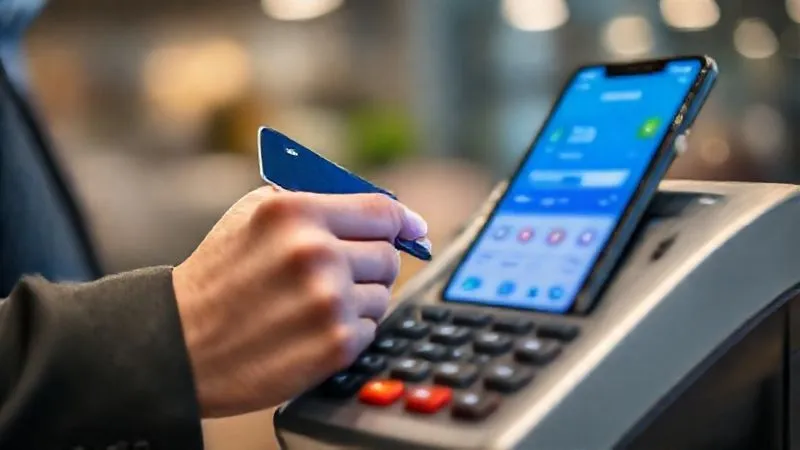
Credit cards, especially those with travel rewards, can be a double-edged sword. While the points, miles, and perks are attractive, the primary rule for professionals aiming to avoid debt is simple: pay off your balance in full, every single month. If you can't commit to this, the value of any rewards is quickly negated by interest charges.
- Choose Wisely: Select cards with benefits that genuinely align with your travel habits (e.g., no foreign transaction fees, lounge access if you value it, specific airline/hotel points).
- Automate Payments: Set up automatic payments for the full statement balance to ensure you never miss a due date.
- Monitor Spending: Regularly check your credit card statements, ideally daily or weekly via your bank's app, to stay on top of expenses and prevent surprises.
Mindful Spending on the Road
This is where personal discipline truly comes into play. It's easy to succumb to convenience when you're tired or pressed for time. However, small mindful choices can yield significant savings.
- Food & Drink: Instead of daily room service or expensive restaurant meals, explore local grocery stores for snacks and breakfast items. Consider packing a reusable water bottle to avoid constant purchases.
- Transportation: Opt for public transportation (subways, buses) when safe and practical, over taxis or rideshares. Many cities offer multi-day passes that are cost-effective.
- Entertainment: Seek out free or low-cost activities. Many cities have free walking tours, parks, museums with free entry days, or cultural events.
These conscious decisions contribute to preventing travel debt from derailing a professional's finances, allowing you to enjoy your travels without the looming shadow of financial regret. It's about making smart choices that align with your broader financial well-being.
The Power of Planning: Booking Smart, Traveling Smarter
In the world of travel finance, procrastination is expensive. My years of observing financial patterns confirm that early and strategic planning is a cornerstone of debt-free travel. It allows you to leverage market dynamics and secure better rates, significantly reducing your overall expenditure.
Advance Booking Advantages
This principle applies universally across both business and leisure travel. Airlines and hotels often offer their best rates to those who book well in advance. Last-minute bookings, especially for popular routes or peak seasons, almost always come with a premium.
- Lower Prices: Flights and accommodation generally increase in price as the travel date approaches, particularly within 2-3 weeks of departure.
- Better Selection: Early booking means more choices for preferred seats, room types, or specific hotels that fit your budget and needs.
- Reduced Stress: Knowing your major travel components are secured removes a significant source of anxiety, allowing you to focus on the purpose of your trip.
A recent industry report from Deloitte on travel trends consistently highlights the economic benefits of proactive booking strategies for both individuals and corporations.
Off-Peak & Shoulder Season Travel
Whenever possible, consider traveling during off-peak or “shoulder” seasons (the periods just before or after peak season). This strategy offers a dual benefit:
- Significant Cost Savings: Flights, hotels, and even local attractions are often considerably cheaper due to lower demand.
- Fewer Crowds: You’ll often enjoy a more relaxed and authentic experience with fewer tourists.
While business travel might not always allow for this flexibility, personal trips can certainly benefit from this approach, freeing up more of your budget for other financial goals.
Accommodation Alternatives
Beyond traditional hotels, a range of accommodation options can provide significant savings without sacrificing comfort or professionalism:
- Serviced Apartments/Extended Stay Hotels: Ideal for longer trips, these often come with kitchenettes, allowing you to save on dining out.
- Vacation Rentals (e.g., Airbnb, VRBO): If company policy permits, these can be more cost-effective for groups or provide a more home-like experience, again with kitchen facilities.
- Hotel Loyalty Programs: If you frequently stay with a particular chain, accumulating points can lead to free nights, which can be a substantial saving over time.
The key here is research and flexibility. A little extra effort in the planning phase can yield substantial financial rewards, directly contributing to preventing travel debt from derailing a professional's finances.
Effective Expense Tracking & Reconciliation
One of the most common pitfalls I've observed in professionals dealing with travel expenses is a lack of diligent tracking. Without a clear, real-time picture of your spending, it's impossible to make informed adjustments or accurately reconcile expenses, especially for business travel. This oversight can lead to both personal debt and lost reimbursements.
Digital Tools for Seamless Management
Gone are the days of overflowing wallets with crumpled receipts. Modern technology offers powerful solutions for expense tracking:
- Choose an App/Software: Utilize tools like Expensify, Mint, TripIt Pro, or your company's designated expense management software. These apps allow you to snap photos of receipts, categorize expenses, and often integrate with credit card statements.
- Capture Immediately: Make it a habit to photograph or log every expense as it occurs. Don't wait until the end of the day or, worse, the end of your trip.
- Categorize & Add Notes: Clearly categorize each expense (e.g., 'Meals - Client Dinner,' 'Transportation - Taxi to Airport') and add brief notes for context, especially for business expenses that require justification.
- Review Regularly: Periodically review your tracked expenses during your trip to ensure accuracy and to identify any areas where you might be overspending against your budget.
Timely Reimbursement: Don't Leave Money on the Table
For business travelers, the delay between incurring an expense and receiving reimbursement can be a significant financial strain. If you're putting company expenses on your personal credit card, a slow reimbursement process means you're carrying that balance, potentially accruing interest, until your company pays you back.
"Delayed expense reconciliation isn't just an administrative hassle; it's a direct threat to your personal cash flow and can indirectly contribute to credit card debt. Treat expense reports with the same urgency as client deadlines."
I advise professionals to submit expense reports as soon as possible, ideally within 24-48 hours of returning from a trip. Understand your company's reimbursement cycle and plan your personal finances accordingly. If delays are common, consider discussing policy adjustments with your HR or finance department, or adjust your personal budgeting to account for the lag.

Building a Financial Safety Net for Unforeseen Travel Costs
Even with the most meticulous planning, travel can be unpredictable. Flights get canceled, luggage gets lost, and emergencies happen. For professionals, having a financial safety net specifically for travel contingencies is not just prudent; it's essential for preventing travel debt from derailing a professional's finances during unexpected events.
The Dedicated "Travel Emergency Fund"
Just as you might have an emergency fund for general life crises, a smaller, dedicated 'travel emergency fund' can be a lifesaver. This fund is specifically designed to cover those sudden, unbudgeted expenses that can arise while you're away from home.
- Purpose: This fund covers things like last-minute unexpected flight changes, an unplanned hotel night due to delays, emergency medical care (if not covered by primary insurance), or replacing essential items if luggage is lost.
- Funding: This can be a small, ongoing contribution to your general travel fund, or a separate sub-account. Aim to have enough to cover 2-3 days of unexpected accommodation, food, and emergency transport.
- Accessibility: Keep this fund in an easily accessible savings account, separate from your main checking account, so you're not tempted to dip into it for non-emergencies.
Travel Insurance: A Prudent Investment
For more significant unforeseen events, travel insurance acts as a crucial layer of protection. Many professionals mistakenly view travel insurance as an unnecessary expense, but its value becomes undeniable when a major disruption occurs. As financial expert Forbes Advisor often highlights, the cost of travel insurance is typically a small fraction of what you stand to lose if something goes wrong.
Consider the different types of coverage:
- Trip Cancellation/Interruption: Reimburses non-refundable costs if your trip is cut short or canceled due to covered reasons (illness, weather, etc.).
- Medical Emergencies: Covers medical expenses incurred abroad, which can be exorbitant without coverage.
- Baggage Delay/Loss: Provides funds to replace essential items if your luggage is delayed or permanently lost.
- Rental Car Insurance: Often cheaper than purchasing directly from the rental agency, and can prevent costly out-of-pocket expenses for damages.
Before purchasing, check if your existing credit cards offer any travel protection benefits. Some premium cards provide robust coverage for trip delays, cancellations, and rental car damage, potentially saving you money on a separate policy.
| Coverage Type | Typical Cost (% of Trip) | Key Benefits |
|---|---|---|
| Trip Cancellation | 5-10% | Reimbursement for non-refundable expenses if trip is canceled for covered reasons. |
| Emergency Medical | 3-7% | Covers medical treatment, hospital stays, and evacuation while abroad. |
| Baggage Delay/Loss | Included with most plans | Funds for essential purchases if luggage is delayed; reimbursement for lost items. |
| Rental Car Damage | $10-30/day (separate) | Covers damage or theft of rental vehicle (often secondary to personal auto insurance). |
Investing in travel insurance, especially for expensive or international trips, is a small upfront cost that can prevent a catastrophic financial hit, safeguarding your professional finances from unforeseen travel-related incidents.
Mindset Shift: Viewing Travel as an Investment, Not an Entitlement
At the core of preventing travel debt from derailing a professional's finances is a fundamental shift in perspective. For many, travel, particularly for leisure, can feel like an earned entitlement after hard work. While this sentiment is understandable, it can lead to impulsive decisions and overspending if not tempered with financial discipline. I encourage professionals to view all travel, business or pleasure, through the lens of an investment.
Prioritizing Needs vs. Wants
An investment mindset encourages a clear distinction between needs and wants. For business travel, needs are typically covered by corporate policy: flights, standard accommodation, and necessary meals. Wants might include premium upgrades, extravagant entertainment, or luxury shopping. For personal travel, needs might be a safe place to sleep and food, while wants encompass high-end dining, exclusive tours, or lavish souvenirs.
By consciously categorizing expenses, you empower yourself to make deliberate choices. Is that business class upgrade truly an investment in your productivity, or a comfort that can be foregone to save hundreds of dollars? Is that expensive souvenir an investment in a lasting memory, or an impulse buy that will gather dust and contribute to debt?
The Long-Term Perspective
Viewing travel as an investment means considering its long-term financial impact. Every dollar spent on travel that isn't budgeted or creates debt is a dollar that isn't contributing to your retirement fund, your child's education, or your down payment on a home. As marketing guru Seth Godin often emphasizes in different contexts, long-term thinking is a powerful differentiator. For personal finance, it means prioritizing enduring wealth over fleeting pleasure.
This isn't about denying yourself experiences, but about ensuring those experiences are sustainable and align with your broader financial trajectory. It's about cultivating financial discipline that extends beyond your daily routine into your travel habits. By adopting this mindset, you transform travel from a potential financial drain into a carefully managed component of your overall financial success, truly preventing travel debt from derailing a professional's finances and future.
Frequently Asked Questions (FAQ)
Q: How do I handle last-minute business trips that blow my budget? A: For last-minute business trips, immediately communicate with your finance department to understand if special provisions or increased budgets are available. If using personal funds, leverage your travel emergency fund. Upon return, prioritize submitting your expense report within 24 hours to minimize the time you carry the expense on your personal credit card. Document all extra costs and their necessity. If frequent, discuss with your manager about a pre-approved contingency budget for such scenarios.
Q: Is it ever okay to carry a balance on a travel rewards credit card? A: Generally, no. The interest rates on travel rewards cards typically far outweigh the value of the rewards earned. For example, if you earn 2% back in rewards but pay 20% interest, you're losing 18% on every dollar carried over. The only exception might be a 0% APR introductory period, but even then, it's crucial to have a concrete plan to pay off the balance before the promotional period ends to avoid high retroactive interest charges.
Q: What's the best way to track expenses across multiple currencies? A: Use a dedicated expense tracking app (like Expensify, Mint, or even a simple spreadsheet template) that supports multiple currencies. Most modern apps can automatically convert foreign currency expenses to your home currency using daily exchange rates. Always record the original currency amount and the exchange rate used, especially for business reimbursements, and keep physical or digital receipts for all transactions.
Q: My company's expense policy is vague. How can I protect myself? A: A vague expense policy is a recipe for financial stress. Proactively seek clarification from your manager or HR/finance department before your trip. Request written guidelines on what is and isn't covered, spending limits, and the reimbursement process. If formal clarification isn't available, err on the side of caution: choose more economical options and keep detailed documentation for everything, clearly explaining the business necessity for any potentially ambiguous expenses.
Q: How much should I allocate to a travel emergency fund? A: The amount depends on your travel frequency, typical destinations, and personal risk tolerance. As a general guideline, aim for an amount that could cover 2-3 extra days of basic accommodation, food, and local transport in your typical travel destination. For international or longer trips, this might be $500-$1500. This fund isn't for luxuries, but for essential unforeseen costs that prevent you from being stranded or incurring high-interest debt.
Key Takeaways and Final Thoughts
Preventing travel debt from derailing a professional's finances is not an insurmountable challenge; it's a matter of informed strategy, consistent discipline, and a proactive mindset. As an experienced industry specialist, I've seen the transformative power of these principles. By integrating them into your travel habits, you can safeguard your financial future, reduce stress, and ensure your professional and personal journeys are truly enriching experiences.
- Master Proactive Budgeting: Establish dedicated travel funds and embrace zero-based budgeting to control every dollar.
- Practice Strategic Spending: Leverage corporate policies, use credit cards wisely (paying balances in full), and make mindful choices on the road.
- Prioritize Planning: Book in advance, consider off-peak travel, and explore diverse accommodation options to secure better rates.
- Implement Robust Tracking: Utilize digital tools for real-time expense management and ensure timely reimbursement for business costs.
- Build a Safety Net: Create a travel emergency fund and consider comprehensive travel insurance for unforeseen circumstances.
- Cultivate an Investment Mindset: View travel expenses through a long-term financial lens, distinguishing between needs and wants.
Your professional journey is an accumulation of smart decisions, and your travel habits should reflect that same foresight. By applying these strategies, you won't just avoid debt; you'll build greater financial resilience, allowing you to focus your energy on what truly matters: your career, your growth, and your well-being, unburdened by financial worries. Embrace these habits, and travel will truly become an asset, not a liability, in your professional financial landscape.
Recommended Reading
- Ultimate Guide: Solo Female Budget Traveler: Europe Packing List
- Unlock Your Wealth: How to Adjust Investment Strategy for Inflation Now!
- 5 Steps to Avoid Impact Washing in Community Development Investments?
- Unlock Elite Talent: 7 Strategies for Single Family Office Retention
- What Are the Implications of Missing W-9s for 1099 Reporting?





Comments
Leave a comment below. Your email will not be published. Required fields marked with *