



Optimizing Payroll Costs for Small Businesses Without Cutting Staff: An Expert's Guide
For over 15 years in the financial trenches of entrepreneurship, I've witnessed firsthand the agonizing dilemma small business owners face: how to keep a lean operation profitable when payroll expenses start to pinch. It’s a common misconception that the only way to significantly cut costs is through staff reductions, a move that often devastates morale, productivity, and ultimately, your company's long-term potential.
This isn't just a financial problem; it's a human one. Laying off valued employees can ripple through an organization, impacting those who remain and damaging your reputation. The challenge, then, isn't just about cutting numbers, but about finding smarter, more sustainable ways to manage your most significant operational expense: your people.
In this definitive guide, I'll share expert-backed strategies and actionable frameworks designed to help you navigate this complex landscape. We'll explore innovative approaches to optimizing payroll costs for small businesses without cutting staff, ensuring your team remains intact, motivated, and a driving force for your company's growth.
Deep Dive into Your Current Payroll Structure: The Foundation of Savings
Before you can optimize, you must understand. Many small business owners have a general idea of their payroll expenses, but a true deep dive reveals the nuances that hide potential savings. This isn't just about the gross wages; it's about the entire ecosystem of costs associated with your workforce.
Categorizing Costs: Direct vs. Indirect
I always advise my clients to break down their payroll into granular categories. Direct costs include wages, salaries, overtime, and commissions. Indirect costs, often overlooked, encompass benefits (health insurance, retirement plans), payroll taxes (FICA, FUTA, SUTA), workers' compensation insurance, and even the administrative costs of processing payroll itself. Understanding these categories is the first step towards identifying areas ripe for optimization.
For instance, a seemingly small increase in workers' comp premiums could signal a need for improved workplace safety protocols, which in turn reduces claims and future costs. Similarly, high overtime hours might point to staffing inefficiencies or a need for better scheduling.
| Cost Category | Example | Optimization Focus |
|---|---|---|
| Direct Wages | Salaries, Hourly Pay, Overtime | Scheduling efficiency, performance incentives |
| Benefits | Health Insurance, 401k Match, PTO | Benefit plan negotiation, flexible options |
| Payroll Taxes | FICA, FUTA, SUTA | Compliance, tax credits, state unemployment rate management |
| Administrative | Payroll processing fees, HR software | Automation, vendor negotiation |
The Hidden Drain: Overtime and Inefficiency
Overtime can be a major silent killer of profitability. While sometimes necessary, consistent overtime often signals underlying issues: understaffing, poor scheduling, or inefficient processes. I've seen businesses pay 1.5x wages when a simple shift adjustment or cross-training initiative could have prevented it.
Actionable Steps to Address Overtime:
- Analyze Overtime Patterns: Pinpoint which departments or individuals consistently accrue overtime. Is it seasonal? Project-based?
- Review Scheduling Practices: Can shifts be staggered or adjusted to better meet demand without exceeding 40 hours per employee?
- Cross-Train Employees: Build a versatile workforce. If one employee is overloaded, another can step in without requiring extra hours from the original worker.
- Evaluate Workload Distribution: Are tasks evenly distributed? Could certain processes be streamlined or automated to reduce manual effort?
Leveraging Technology: Automating for Efficiency and Accuracy
In today's digital age, relying on manual payroll processes is not just inefficient; it's a significant financial drain. Technology offers powerful solutions for optimizing payroll costs for small businesses without cutting staff by reducing errors, saving time, and ensuring compliance.
Smart Payroll Software: More Than Just Paychecks
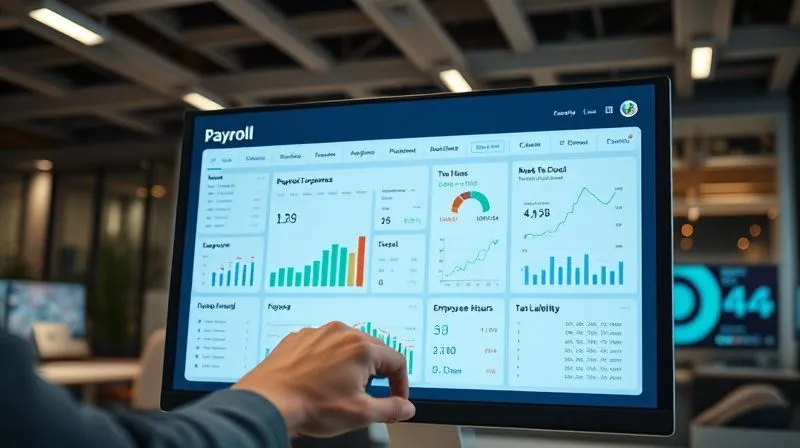
Modern payroll software does far more than just cut checks. It integrates with time tracking, benefits administration, and even HR functions. This consolidation dramatically reduces administrative overhead, minimizes human error, and ensures accurate tax filings, preventing costly penalties. According to a Harvard Business Review article, automation is a key driver of productivity in businesses of all sizes.
I often tell my clients that the initial investment in robust payroll software pays for itself quickly through reduced administrative hours and avoided compliance fines. It frees up your team to focus on revenue-generating activities rather than tedious data entry.
Time Tracking Solutions: Eliminating 'Time Theft'
Manual time cards are notoriously inaccurate and prone to 'time theft,' whether intentional or not. Digital time tracking systems, especially those with biometric or GPS capabilities, provide precise records of employee hours. This not only ensures you're paying accurately for time worked but also provides invaluable data for analyzing labor costs and identifying inefficiencies.
Benefits of Automated Time Tracking:
- Accuracy: Eliminates manual calculation errors.
- Compliance: Helps ensure adherence to wage and hour laws.
- Data Insights: Provides real-time data on labor distribution and overtime.
- Reduced Administration: Frees up HR or accounting staff from manual data entry.
Rethinking Employee Benefits: Value Without Excessive Cost
Benefits are a critical component of employee compensation and retention. However, they can also be a significant cost center. The key is to structure your benefits package to provide maximum perceived value to employees without breaking the bank. This requires creativity and a deep understanding of your team's needs.
Flexible Benefits Packages: Tailoring to Employee Needs
One-size-fits-all benefits packages are often inefficient. A young, single employee might prioritize student loan assistance or professional development, while an older employee with a family might value robust health insurance or a strong retirement plan. Offering a 'cafeteria plan' or flexible benefits allows employees to choose what matters most to them, increasing satisfaction without necessarily increasing your overall spend.
"The best way to optimize benefits is to understand your employees' diverse needs. A benefit that truly resonates is worth far more than a generic offering that goes unused." - Industry Expert
Non-Monetary Perks: Boosting Morale on a Budget
Not all valuable benefits come with a high price tag. Many non-monetary perks can significantly boost morale, reduce turnover (thus saving recruitment and training costs), and improve productivity.
- Flexible Work Arrangements: Remote work, compressed workweeks, or flexible hours can be huge motivators.
- Professional Development: Sponsoring online courses, workshops, or mentorship programs shows investment in your team.
- Recognition Programs: Simple, public acknowledgment of hard work can be incredibly powerful.
- Wellness Initiatives: Discounted gym memberships, mental health resources, or healthy snacks can promote well-being.
Case Study: How 'BrightSpark Innovations' Revamped Benefits
BrightSpark Innovations, a 30-person software development firm, faced rising health insurance premiums and a sense that their benefits package wasn't truly engaging their diverse team. Rather than cutting benefits across the board, I worked with them to survey their employees on what they valued most. The results were surprising: many younger employees preferred enhanced professional development opportunities and a more generous remote work policy over a slightly better health plan.
BrightSpark shifted to a tiered benefits model, offering a basic health plan with options to 'buy up' or 'trade' for additional PTO, student loan contributions, or a robust training budget. They also formalized their remote work policy. The outcome? They reduced their overall benefits expenditure by 8% while increasing employee satisfaction scores by 15% within six months. This led to lower turnover and significant savings in recruitment costs, proving that optimizing payroll costs for small businesses without cutting staff can be a win-win.
Strategic Workforce Planning: Right People, Right Roles, Right Time
Effective workforce planning is about more than just filling open positions. It's about proactively ensuring you have the right talent mix to meet current and future business needs, avoiding both understaffing (leading to costly overtime) and overstaffing (leading to underutilized resources).
Skill-Based Pay and Cross-Training: Maximizing Internal Talent
Instead of simply paying for a job title, consider a skill-based pay system where employees are compensated for the breadth and depth of skills they possess. This incentivizes continuous learning and makes cross-training more appealing. A versatile workforce means you can reallocate resources internally during busy or slow periods, reducing the need for temporary hires or excessive overtime.
Steps for Effective Cross-Training:
- Identify Critical Skills: Determine which skills are essential across multiple roles or departments.
- Develop Training Modules: Create clear, accessible training for these skills.
- Incentivize Learning: Offer bonuses, raises, or recognition for acquiring new skills.
- Implement Rotational Programs: Allow employees to temporarily work in other departments to gain new perspectives and skills.

Outsourcing Non-Core Functions: A Cost-Benefit Analysis
Not every function needs to be performed in-house. Payroll processing, IT support, marketing, and even some administrative tasks can often be outsourced to specialists at a fraction of the cost of hiring a full-time employee with benefits. This allows your core team to focus on what they do best.
When considering outsourcing, perform a thorough cost-benefit analysis. Compare the fully loaded cost of an in-house employee (salary, benefits, taxes, overhead) against the cost of an external vendor. Often, the savings are significant, and you gain access to specialized expertise you might not otherwise afford.
Performance Management and Productivity: Getting More from What You Have
A highly productive workforce is inherently cost-efficient. By focusing on performance management, you ensure that every hour paid translates into maximum value for your business. This isn't about micromanagement; it's about empowerment, clear expectations, and continuous improvement.
Goal Setting and Feedback Loops: Driving Efficiency
Clear, measurable goals (KPIs) are crucial. When employees understand what's expected of them and how their work contributes to the company's success, they are more engaged and productive. Regular, constructive feedback sessions – not just annual reviews – help employees course-correct and develop their skills. As management expert Peter Drucker famously said, "What gets measured gets managed."
Implementing a robust performance management system can lead to a more efficient workforce, thereby reducing the need for additional hires to meet output demands. This is a direct way of optimizing payroll costs for small businesses without cutting staff by enhancing the output of your existing team.
Incentives That Don't Break the Bank
While cash bonuses are always appreciated, there are many other ways to incentivize high performance that are less costly but equally effective. Think about performance-based time off, opportunities for leadership roles, public recognition, or even small, personalized gifts. The key is to tie incentives directly to specific, measurable achievements that align with your business goals.
"Employee engagement isn't just about happiness; it's about creating an environment where people feel valued, challenged, and see a path for growth. This intrinsic motivation is far more powerful than any purely monetary incentive." - Expert Insight
When employees are motivated and productive, they contribute more, reducing the need for additional headcount to achieve the same output. This makes your existing payroll investment go further.
Navigating Compliance and Tax Incentives: Finding Hidden Savings
Compliance often feels like a burden, but understanding payroll regulations and tax laws can actually unlock significant savings and prevent costly penalties. Many small businesses inadvertently overpay or miss out on valuable incentives due to a lack of awareness.
Tax Credits and Deductions: Are You Missing Out?
The government offers various tax credits and deductions designed to encourage specific business behaviors, such as hiring certain types of employees, investing in research and development, or providing specific benefits. Examples include the Work Opportunity Tax Credit (WOTC) for hiring individuals from target groups or credits for offering certain retirement plans. Staying informed about these can directly reduce your tax liability, effectively lowering your overall payroll cost without impacting employee wages.
I strongly recommend working with a tax professional who specializes in small business payroll. They can help identify applicable credits and ensure you're maximizing every legal deduction. For more information on federal tax credits, refer to the IRS website.
Staying Compliant: Avoiding Costly Fines
Non-compliance with federal, state, and local payroll laws can result in steep fines and penalties. Misclassifying employees (e.g., as independent contractors when they should be employees), failing to pay overtime correctly, or incorrect tax withholdings are common pitfalls. These fines eat directly into your profits and can be far more expensive than proactively ensuring compliance.
Investing in good payroll software (as discussed earlier) and periodic audits of your payroll practices can save you immense headaches and financial losses down the line. It's a preventive measure that directly contributes to optimizing payroll costs for small businesses without cutting staff by avoiding unnecessary expenditures.
Negotiating with Vendors and Providers: Every Dollar Counts
Many of the indirect costs associated with payroll come from third-party vendors: health insurance brokers, payroll processing companies, HR software providers, and workers' compensation insurers. These relationships should not be set-it-and-forget-it; they require regular review and negotiation.
Health Insurance Premiums: Strategies for Better Deals
Health insurance is often the largest non-wage payroll expense. Don't simply accept renewal rates. Engage with multiple brokers, explore different plan designs (e.g., high-deductible plans with HSAs), and consider joining a professional employer organization (PEO) or business association that offers group rates. Even a small percentage reduction in premiums can translate to thousands of dollars in annual savings.
I’ve helped numerous small businesses reduce their health insurance costs by 10-20% simply by rigorously shopping around and understanding all available options. This directly impacts your bottom line without touching employee salaries. For insights on managing healthcare costs, a Forbes Advisor article offers valuable strategies.
Payroll Service Providers: Don't Just Set It and Forget It
If you outsource your payroll processing, when was the last time you reviewed your contract or compared rates with other providers? The payroll service market is competitive, and you might be able to negotiate better terms or find a more cost-effective provider that offers the same or better service. Look for transparent pricing, clear service level agreements, and integrated features that simplify your HR and accounting functions.
Even small monthly fees add up over time. A proactive approach to vendor management is a crucial, yet often overlooked, strategy for optimizing payroll costs for small businesses without cutting staff.
Fostering a Culture of Cost-Consciousness and Engagement
Ultimately, a significant portion of cost optimization comes down to your company culture. When employees feel ownership and understand the financial realities of the business, they are more likely to contribute to cost-saving initiatives and work more efficiently.

Empowering Employees in Cost Savings
Don't just dictate cost-cutting measures; involve your team in the process. Ask for their ideas on how to reduce waste, streamline processes, or improve efficiency. Employees on the front lines often have the best insights into operational inefficiencies. When they feel heard and valued, their engagement skyrockets, leading to organic cost savings through improved productivity and reduced errors.
Consider implementing an 'idea box' or regular 'innovation meetings' where employees can submit and discuss ideas for saving money or improving operations. Reward viable suggestions, even if it's just with public recognition.
Communication and Transparency: Building Trust
Be transparent (within reason) about the company's financial health and the reasons behind cost optimization efforts. When employees understand the 'why,' they are far more likely to embrace changes and contribute positively. If they perceive cost-cutting as arbitrary or a precursor to layoffs, morale will plummet. Open communication builds trust and reinforces that you value your team.
By fostering a culture where everyone is invested in the company's success, you create a powerful force for efficiency and profitability, making optimizing payroll costs for small businesses without cutting staff a collective effort.
Frequently Asked Questions (FAQ)
Question: Is it really possible to significantly reduce payroll costs without impacting staff? Absolutely. My experience shows that many small businesses have significant hidden inefficiencies in their payroll structure, benefits, and operational processes. By strategically addressing these areas through automation, smart benefits design, and improved productivity, substantial savings can be achieved without layoffs. It requires a holistic view, not just a focus on wages.
Question: What's the biggest mistake small businesses make when trying to cut payroll costs? The biggest mistake is a reactive, short-sighted approach, often leading directly to staff reductions. This damages morale, loses institutional knowledge, and can ultimately cost more in the long run through recruitment and training. Another common error is failing to analyze the 'fully loaded' cost of an employee, only looking at gross wages.
Question: How quickly can I expect to see results from these strategies? Some strategies, like renegotiating vendor contracts or implementing automated time tracking, can show results within a few weeks to months. Others, such as fostering a culture of cost-consciousness or cross-training initiatives, are long-term investments that build sustainable efficiency over time. Consistency and commitment are key.
Question: Should I involve my employees in cost-saving discussions? Yes, absolutely. Involving employees, especially in areas where they have direct operational experience, can uncover incredibly valuable insights and foster a sense of ownership. Transparency builds trust and can lead to more creative and sustainable solutions than top-down mandates.
Question: What if my business is already very lean? Are these strategies still relevant? Even in lean operations, there's often room for optimization. It might not be about drastic cuts, but about maximizing efficiency, leveraging technology to do more with less, or fine-tuning benefits to better meet employee needs while managing costs. A 'lean' operation can always be 'leaner' and more strategic.
Key Takeaways and Final Thoughts
Optimizing payroll costs for small businesses without cutting staff is not just a financial strategy; it's a commitment to your team and your company's future. It requires a blend of analytical rigor, technological adoption, creative benefits design, and a strong, communicative culture.
- Analyze comprehensively: Understand all direct and indirect payroll costs.
- Automate wisely: Leverage technology for efficiency, accuracy, and compliance.
- Innovate benefits: Offer flexible and non-monetary perks that truly resonate.
- Plan strategically: Implement workforce planning, cross-training, and smart outsourcing.
- Empower performance: Drive productivity through clear goals and meaningful incentives.
- Stay informed: Maximize tax incentives and ensure compliance to avoid penalties.
- Negotiate proactively: Regularly review and bargain with all your payroll-related vendors.
- Cultivate culture: Foster transparency and involve employees in cost-saving initiatives.
Remember, your employees are your most valuable asset. By investing in smart, sustainable payroll optimization strategies, you're not just saving money; you're building a more resilient, efficient, and engaged workforce that will drive your small business to new heights. Embrace these frameworks, and you'll find that profitability and people can, and should, grow together. For more insights on strategic financial management, I highly recommend exploring resources like the Harvard Business Review.
Recommended Reading
- Replace Your High-Salary Job: 5 Sustainable Income Strategies
- 7 Steps to Verify SDG Impact & Avoid Greenwashing in Ethical Funds
- Altcoin Scams: 7 Ways to Shield Your Investments from Rug Pulls
- 7 Proven Strategies: Boost Mobile Banking App Engagement Post-Onboarding
- Debt Ratio Blocking Your Loan? How to Unlock Small Business Expansion





Comments
Leave a comment below. Your email will not be published. Required fields marked with *