



My Professional Car Needs Urgent Repair; Emergency Fund Low? Your Expert Rescue Plan
For over two decades in financial planning, specializing in emergency preparedness, I've witnessed the profound impact a sudden, critical expense can have on an individual's livelihood. It's not just about money; it's about stability, reputation, and the ability to earn. The scenario of a professional vehicle needing urgent repair when your emergency fund is low isn't just a financial hiccup; it's a potential career crisis that I've seen derail many otherwise successful trajectories.
This isn't a leisure car breaking down on a weekend joyride. This is your lifeline, your mobile office, your tool for client meetings, deliveries, or essential service calls. When your professional car needs urgent repair and your emergency fund is low, the stress can be overwhelming. You're not just facing repair bills; you're staring down lost income, missed opportunities, and a direct threat to your professional continuity, impacting everything from client trust to daily operations.
But here's what I want you to know: you're not without options. In this definitive guide, I'll walk you through a proven framework to navigate this high-pressure situation. We'll explore immediate financial triage, uncover alternative funding avenues, and establish robust strategies to prevent future crises. My goal is to equip you with actionable insights, expert recommendations, and the confidence to not only fix your current predicament but to build a stronger financial foundation for your professional future.
Understanding the Professional Driver's Dilemma: More Than Just a Car
For many professionals – from real estate agents and traveling consultants to tradespeople and ride-share drivers – their vehicle is an indispensable extension of their business. It's not merely transport; it's a critical asset that directly generates income and upholds their professional image. A breakdown, especially an unexpected one, strikes at the very core of their operational capacity and financial stability.
The unique vulnerability lies in the fact that these vehicles often endure more wear and tear due to high mileage or specialized usage. This increases the likelihood of needing urgent repairs, often beyond the scope of routine maintenance. When such an event coincides with a depleted emergency fund, the situation quickly escalates from an inconvenience to a full-blown professional emergency.
The True Cost of Downtime
The financial impact of a professional car being out of commission extends far beyond the repair bill itself. There's the immediate loss of income from missed appointments or halted services. For a self-employed individual, this can mean an immediate and drastic reduction in daily earnings. Furthermore, the ripple effects can damage client relationships and professional reputation if commitments cannot be met.
Consider the logistical nightmare: securing alternative transport can be costly, inefficient, and often inadequate for professional needs. Renting a suitable vehicle, if available, adds another layer of expense and complexity. This downtime isn't just a pause; it's a regression in productivity and potential revenue, which can take weeks or even months to recover from.
"In the world of professional services, your reliability is your currency. A broken-down vehicle isn't just a repair bill; it's a direct assault on your professional brand and your ability to deliver. The hidden costs of lost trust and missed opportunities often outweigh the direct repair expense."
According to a recent SBA report on small business resilience, unexpected operational disruptions, such as vehicle breakdowns, are a leading cause of financial stress for independent contractors and small business owners, often leading to a cascade of further financial challenges. This underscores the critical need for proactive planning and immediate, strategic action when such a crisis hits.
Immediate Action: Triage Your Repair Needs and Financial Situation
When your professional car needs urgent repair and your emergency fund is low, the first impulse might be panic. Resist it. Clear-headed, methodical triage is your most powerful tool. This involves accurately diagnosing the problem, understanding the cost, and soberly assessing your available financial resources.
Step 1: Get a Detailed Diagnostic and Quote
Never authorize a major repair without a comprehensive understanding of the issue and its associated costs. This is not the time for guesswork or trusting a single opinion implicitly. Empower yourself with information.
- Don't Panic, Don't Rush: While the situation feels urgent, making hasty decisions can lead to overpaying or unnecessary repairs. Take a deep breath.
- Get a Proper Diagnostic from a Trusted Mechanic: Seek out a reputable shop, ideally one with good reviews or personal recommendations. A diagnostic should pinpoint the exact problem, not just offer a vague symptom.
- Obtain at Least Two Detailed, Itemized Quotes: Ask for a breakdown of parts (original equipment vs. aftermarket) and labor costs. Comparing quotes can reveal significant price differences and help you understand the market rate for the repair.
- Understand What is Critical for Immediate Operation vs. What Can Wait: Your mechanic should be able to differentiate between repairs essential for safety and functionality, and those that can be deferred for a few weeks or months. This distinction is crucial when funds are tight. Focus on getting your professional car back on the road safely first.
Step 2: Assess Your True Emergency Fund Status
Now, it's time for a brutally honest assessment of your financial landscape. This isn't just about checking your primary savings account; it's about identifying all genuinely liquid assets that can be mobilized quickly. When your professional car needs urgent repair and your emergency fund is low, every dollar counts, and clarity is paramount.
- What is Truly Liquid? This includes readily accessible cash in savings, checking accounts, or money market funds. Avoid assets that would incur penalties or significant time to liquidate (e.g., retirement accounts, investments).
- Distinguish Between General Emergency Fund and Car-Specific Fund: If you have a general emergency fund, how much of it can realistically be allocated to this car repair without jeopardizing other critical living expenses? Ideally, you'd have a separate fund, but in a crisis, all resources are on the table.
- Identify Any Imminent Income: Are there invoices due, or payments expected within the next few days? Factor these into your immediate cash flow projections.

Unlocking Alternative Funding Avenues When Cash is Scarce
When your professional car needs urgent repair and your emergency fund is low, traditional solutions might seem out of reach. This is where creative, responsible financial strategies come into play. There are multiple avenues to explore before resorting to high-risk options.
Option 1: The Power of Negotiation and Payment Plans
Don't assume the first quote is non-negotiable. Many independent repair shops, especially those you have a relationship with, are willing to work with customers facing financial hardship. They want your business and understand the importance of getting professional vehicles back on the road.
- Talk to the Mechanic Directly: Explain your situation honestly. Ask if they offer in-house payment plans or if there's any flexibility on the total cost. Some might require a deposit and then allow you to pay the balance over a few weeks or months.
- Negotiate Parts vs. Labor: Inquire about using quality aftermarket parts instead of more expensive original equipment manufacturer (OEM) parts, if appropriate for the repair and your vehicle. Labor rates are often fixed, but part costs can sometimes be adjusted.
- Prioritize Repairs: If there are non-critical repairs on the quote, ask if they can be separated and addressed later. Focus solely on what is necessary to get your vehicle safely operational.
According to data from AAA Approved Auto Repair shops, an increasing number of independent garages are willing to work with customers on payment schedules for significant repairs, especially for established clients. Building a good relationship with a mechanic can pay dividends in times of crisis.
Option 2: Exploring Short-Term, Responsible Lending
If direct negotiation isn't enough, responsible lending options can bridge the gap. The key word here is "responsible" – avoid predatory loans at all costs.
- Personal Loans: Often available from banks or credit unions, these typically have lower interest rates than credit cards and fixed repayment terms. Credit unions, in particular, are known for offering more favorable terms to their members.
- Credit Cards (0% APR Offers): If you have a credit card with a promotional 0% APR period, this can be a viable option *if* you are absolutely confident you can pay off the entire repair cost before the introductory period ends. Failing to do so will result in high retroactive interest.
- Secured Loans: If you have another valuable asset (e.g., a paid-off second vehicle, though this carries risk), a secured loan might offer lower interest rates. However, carefully consider the implications of using collateral.
- Borrow from Family/Friends: While sensitive, a short-term loan from a trusted family member or friend can be an excellent option. Formalize the agreement with clear terms, a repayment schedule, and a signed document to protect the relationship.
The Consumer Financial Protection Bureau (CFPB) offers valuable guidance on understanding various loan options and avoiding predatory lenders, especially when facing urgent financial needs. Always research and compare terms thoroughly.
Option 3: Leveraging Existing Assets (Responsibly)
Sometimes, the quickest cash comes from within your own household. Look for non-essential items you can sell quickly.
- Selling Non-Essential Items: Do you have electronics, sports equipment, musical instruments, or designer goods that you no longer use? Online marketplaces (eBay, Facebook Marketplace, Craigslist) or consignment shops can turn these into cash relatively quickly.
- Temporary Side Gigs: Can you temporarily take on extra work that doesn't require your professional vehicle? Freelance writing, online tutoring, pet-sitting, or even manual labor for a friend can generate quick cash to cover part of the repair.
Pawn loans or title loans should be approached with extreme caution. While they offer immediate cash, their exorbitant interest rates and fees can quickly lead to a loss of your valuable assets or trap you in a devastating cycle of debt. They are generally not recommended as responsible solutions when your professional car needs urgent repair, even if your emergency fund is low.
| Funding Option | Pros | Cons | Best Use Case |
|---|---|---|---|
| 0% APR Credit Card | No interest for intro period, quick access | High interest after intro, credit score impact | Repairs < $2000, can repay quickly |
| Personal Loan | Lower interest than credit cards, fixed payments | Application time, credit check | Repairs > $2000, need structured repayment |
| Mechanic Payment Plan | Direct with shop, flexible terms | Not all shops offer, higher total cost | Medium repairs, good relationship with mechanic |
| Leverage Assets/Side Gig | No debt incurred, immediate cash | Requires time/effort, asset liquidation | Smaller repairs, need to avoid debt |
Case Study: Maria's Mobile Detailing Dilemma
Maria, a self-employed mobile car detailer, relied entirely on her van to carry her equipment and reach clients. When the transmission failed unexpectedly, leaving her professional car needing urgent repair and her emergency fund low, panic set in. She had quotes ranging from $3,500 to $5,000 for the repair, a sum far exceeding her immediate liquid assets. Instead of taking a high-interest title loan, which she initially considered in desperation, she meticulously followed a multi-pronged approach.
First, she negotiated a 3-month payment plan with her trusted mechanic for the $3,500 repair, putting down a small deposit she had. Second, she quickly sold some unused photography equipment on an online marketplace, generating $800, and took on a few weekend odd jobs for friends and neighbors, earning another $500. This allowed her to make her first two payments comfortably while her business was back on track. This strategic combination prevented a deeper financial hole, kept her professional reputation intact, and reinforced the importance of proactive financial planning.

Strategic Fund Allocation: Rebuilding and Reinforcing Your Financial Shield
Once your professional car is back on the road and the immediate crisis is averted, the critical next step is to fortify your financial defenses. This experience, though challenging, offers a powerful lesson in resilience. The goal is to ensure that when your professional car needs urgent repair again (because it inevitably will), your emergency fund isn't low.
Prioritizing Future Emergency Savings
Rebuilding your general emergency fund should be a top priority. This fund acts as your primary buffer against *any* unexpected life event, not just car repairs. Financial experts generally recommend saving enough to cover 3 to 6 months of essential living expenses. For self-employed professionals, aiming for the higher end of this range is often prudent due to irregular income streams.
- Automate Savings: Set up automatic transfers from your checking to your savings account immediately after you get paid. Even small, consistent contributions add up over time.
- "Found Money" Contributions: Direct any unexpected windfalls – tax refunds, bonuses, commission payouts – directly into your emergency fund.
- Review and Adjust: Periodically review your budget to identify areas where you can trim expenses and redirect those savings toward your fund.
The Dedicated Car Repair Fund: A Proactive Approach
Beyond your general emergency fund, I highly recommend establishing a separate, dedicated fund specifically for vehicle maintenance and repairs. This "sinking fund" removes the pressure from your primary emergency savings and ensures funds are always available for your professional lifeline.
- How Much to Save? A good rule of thumb is to save $50-$100 per month for car-related expenses. This can vary based on your vehicle's age, make, model, and mileage. Research average annual repair costs for your specific vehicle to set a more precise target.
- Separate Account: Keep this fund in a separate, easily accessible savings account. This prevents accidental spending and makes it clear what the money is for.
- Long-Term Perspective: This fund isn't just for breakdowns; it covers routine maintenance, new tires, and eventually, a down payment for your next professional vehicle.
"The best time to fix your financial roof is when the sun is shining. The same applies to your professional vehicle; building a dedicated repair fund *before* a crisis hits is the ultimate financial resilience strategy. It transforms a potential disaster into a manageable expense."
Financial planning experts, like those at Investopedia, consistently recommend establishing 'sinking funds' for anticipated large expenses, and a dedicated vehicle repair fund is a prime example of proactive financial management.
Beyond the Repair: Proactive Maintenance and Smart Vehicle Management
Preventing future urgent repairs is far more cost-effective than reacting to them. As an experienced industry specialist, I can't stress enough the importance of proactive vehicle care, especially for a professional car that is integral to your livelihood. Smart management can significantly reduce the chances of your professional car needing urgent repair when your emergency fund is low again.
Establishing a Regular Maintenance Schedule
This is the bedrock of vehicle longevity and reliability. Adhering to manufacturer-recommended service intervals is non-negotiable for a professional vehicle.
- Follow Your Owner's Manual: This document is your vehicle's bible. It outlines specific maintenance tasks and their recommended frequencies – oil changes, tire rotations, fluid checks, filter replacements, and major service intervals.
- Seasonal Checks: Prepare your vehicle for extreme weather conditions. Winter checks for battery, tires, and coolant, and summer checks for AC, hoses, and belts can prevent breakdowns.
- Address Minor Issues Promptly: Don't ignore dashboard warning lights, strange noises, or unusual smells. A small issue ignored can quickly escalate into a major, expensive repair.
- Find a Trusted Mechanic: A reliable mechanic who knows your vehicle can provide invaluable advice and spot potential problems before they become critical.
Understanding Your Vehicle's Lifespan and Replacement Cycle
Every vehicle has a finite lifespan. Knowing when to repair versus when to replace is a crucial financial decision for professionals.
- The '50% Rule': A common guideline suggests that if a repair costs more than 50% of your car's current market value, it might be more financially prudent to replace the vehicle.
- Total Cost of Ownership (TCO): Consider not just the repair cost, but the cumulative annual maintenance expenses. If these consistently exceed what a new car payment would be, it's a strong indicator that replacement might be more economical in the long run.
- Future Reliability: An older vehicle prone to frequent breakdowns, even if individually minor, can be a constant drain on your time and finances, impacting your professional reliability.
According to industry analysts cited in Edmunds' guide to vehicle ownership, understanding the declining value and increasing maintenance costs of an aging vehicle is crucial for long-term financial planning. This proactive perspective helps avoid the crisis of a professional car needing urgent repair with an emergency fund low.
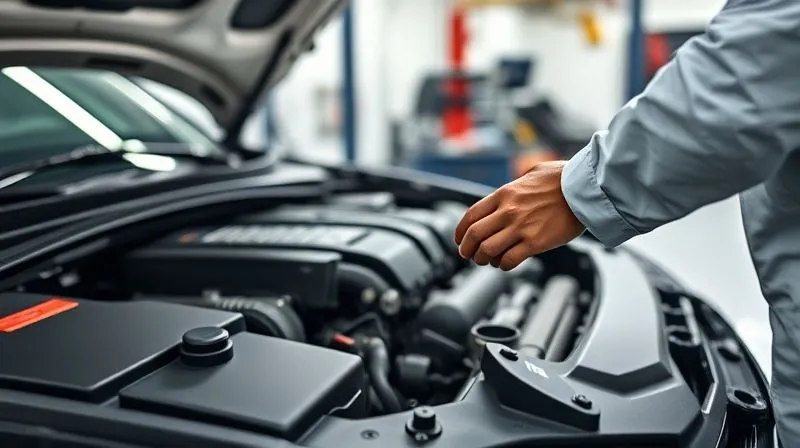
Financial Health Check-Up: Integrating Car Care into Your Broader Budget
A vehicle emergency is often a symptom of broader financial vulnerabilities. To truly safeguard against future crises where your professional car needs urgent repair and your emergency fund is low, you must integrate car care into a comprehensive financial health strategy. This means not just reacting, but proactively reviewing and optimizing your entire financial picture.
Reviewing Your Overall Budget for Hidden Savings
Every dollar has a job, and in a tight spot, you might find that some dollars are currently employed in non-essential roles. A thorough budget review can uncover surprising amounts of money that can be reallocated.
- Subscription Audit: How many streaming services, apps, or gym memberships do you truly use? Canceling even a few can free up significant monthly cash.
- Dining Out and Entertainment: These categories are often the easiest to trim. Temporarily reducing restaurant meals or expensive outings can quickly boost your savings or debt repayment capacity.
- Negotiate Bills: Call your internet, phone, or insurance providers to see if you can get a better rate. Loyalty programs or competitor matching can yield savings.
- Small Daily Habits: The daily coffee, impulse purchases – these 'latte factor' expenses add up. Track them for a week and see where you can make small, impactful changes.
As highlighted in Harvard Business Review articles on financial psychology, understanding your spending habits is the first step to identifying areas where you can free up capital for critical needs like car repairs. Mindful spending is a powerful tool for financial resilience.
The 'What If' Scenario Planning
One of the most powerful tools in financial preparedness is scenario planning. Mentally walk through potential financial shocks and strategize your response *before* they happen.
- Simulate a Car Breakdown: "What if my transmission fails next month?" Force yourself to outline the exact steps you would take, the funds you would draw upon, and the alternative transport you'd use. This exercise highlights gaps in your emergency planning.
- Plan for Income Loss: Beyond car issues, consider what you would do if your primary income source was temporarily disrupted. How long could your emergency fund sustain you?
- Regular Financial Check-ins: Make it a habit to review your budget, savings, and debt levels monthly. This proactive engagement allows you to spot potential issues early and adjust your course.
By integrating these practices, you move beyond merely reacting to crises. You build a robust financial framework that can absorb unexpected shocks, ensuring that your professional journey remains on track, even when challenges arise.
Frequently Asked Questions (FAQ)
Q: Is it ever wise to take out a title loan or payday loan for urgent car repairs? A: As a financial specialist, I strongly advise against title loans and payday loans. While they offer quick cash, their exorbitant interest rates (often 300% APR or more) and fees can trap you in a devastating cycle of debt, often leading to losing your vehicle or spiraling into deeper financial trouble. Explore all other responsible options first, such as payment plans with the mechanic, 0% APR credit cards (if you can pay it off in time), or small personal loans from credit unions. Your long-term financial health is paramount.
Q: My professional car needs urgent repair, but I also have other debts. How do I prioritize? A: This is a critical decision. You must prioritize the car repair if it directly impacts your ability to generate income. Without your professional vehicle, your ability to earn and, consequently, your ability to pay *any* debt is severely compromised. Once the car is fixed and you're back earning, then focus aggressively on high-interest debts. Consider temporarily reducing payments on other debts if possible, but always communicate with your creditors to avoid penalties and negative impacts on your credit score.
Q: How much should I realistically aim to save in a dedicated car repair fund? A: The ideal amount varies by vehicle type, age, and mileage. A good starting point for most vehicles is to save $50-$100 per month. For older, luxury, or highly specialized professional vehicles, this might need to be higher, perhaps $150-$200. Aim to have at least $1,000-$2,000 readily available for unexpected repairs. You can research average annual repair costs for your specific make and model to fine-tune this goal. This fund also serves for routine maintenance, reducing the strain on your general emergency fund.
Q: Can I use my retirement savings (e.g., 401k) for an urgent car repair if my emergency fund is low? A: Dipping into retirement savings, especially a 401k or IRA, for non-retirement expenses should be an absolute last resort. Early withdrawals (before age 59½) often incur significant penalties (typically 10% in addition to your marginal income tax rate), severely impacting your long-term financial security and compounding potential. While a loan from your 401k is an option, it still carries risks. Consult a qualified financial advisor before considering such a move, as the long-term costs often outweigh the short-term relief.
Q: What if the repair cost is more than the car is worth? When should I consider replacing instead of repairing? A: This is the classic 'repair vs. replace' dilemma. A common rule of thumb is the '50% rule': if the repair cost is more than 50% of the car's current market value, it's often more financially sensible to replace it. Also, consider the total cost of ownership: if annual maintenance costs consistently exceed what a new or more reliable used car payment would be, replacement might be more economical in the long run. Get an appraisal of your car's value and weigh it against the repair quote, its age, and its projected future reliability. Don't throw good money after bad.
Key Takeaways and Final Thoughts
Facing a situation where your professional car needs urgent repair and your emergency fund is low is undoubtedly stressful and can feel like a direct threat to your livelihood. But as an expert who's guided countless individuals through similar financial challenges, I can assure you that with a clear head, strategic planning, and responsible action, you can overcome this hurdle. This isn't just about fixing a car; it's about safeguarding your professional future.
- Act Decisively, Not Impulsively: Get multiple detailed quotes, understand the problem, and prioritize critical repairs.
- Explore All Responsible Funding Avenues: From negotiating payment plans with your mechanic to exploring low-interest personal loans or 0% APR credit cards, exhaust all viable options before considering high-risk solutions.
- Prioritize Income-Generating Assets: Your professional car is a tool for your livelihood. Investing in its repair, when prudent, is an investment in your ability to earn.
- Build Your Financial Fortification: The most powerful lesson here is the need for both a general emergency fund and a dedicated car repair fund. Proactive saving is your best defense against future crises.
- Proactive Maintenance is Prudent: Small investments in regular maintenance now prevent major, costly breakdowns later. Think of it as preventative medicine for your vehicle.
More importantly, this experience can be a powerful catalyst to fortify your financial future, ensuring that the next unexpected bump in the road doesn't derail your professional journey. Take these steps, build your resilience, and drive forward with confidence, knowing you're prepared for whatever the road ahead may bring.
Recommended Reading
- Top 5 Pro Tax Software for Complex Partnership K-1s: A Definitive Guide
- Unlock Justice: How to Fund a Profitable Business Lawsuit with Third-Party Capital
- Seasonal Cash Flow Crisis? 7 Expert Fixes for Your Small Business
- 7 Steps: What to Do When Your Stablecoin Loses Its Peg Value?
- Urgent Pro Travel: 7 Strategies to Slash Costs on a Tight Budget





Comments
Leave a comment below. Your email will not be published. Required fields marked with *