



My Debt Snowball is Failing; How Can a Professional Fix It Fast?
For over two decades navigating the intricate world of personal finance and debt management, I've witnessed countless individuals embark on the debt snowball journey with immense hope and determination. It’s a powerful, psychologically rewarding method, yet I've also seen it falter, leaving people feeling defeated and questioning their financial future.
If you're reading this, chances are you've experienced that disheartening moment where your meticulously planned debt snowball seems to be melting away instead of growing. The initial momentum has stalled, new unexpected expenses crop up, or perhaps the sheer weight of your debt feels insurmountable. It's a frustrating, often isolating experience, but I want you to know: you are not alone, and this doesn't mean your financial goals are out of reach.
In this definitive guide, I will draw upon my extensive experience to dissect why debt snowballs fail and, more importantly, provide you with the exact professional strategies, frameworks, and insights needed to not just fix your failing debt snowball, but to accelerate your path to financial freedom. We'll explore actionable steps, real-world examples, and the critical role professional guidance can play in swiftly course-correcting your debt management plan.
Understanding Why Your Debt Snowball Might Be Melting Away
Before we can fix something, we must first understand its root cause. A failing debt snowball isn't usually due to a single catastrophic event, but rather a confluence of subtle shifts and overlooked factors. From my vantage point, the reasons are often predictable, yet deeply impactful.
Common Pitfalls & Misconceptions
- Lack of an Adequate Emergency Fund: This is perhaps the most common culprit. Life happens, and without a financial buffer for unexpected car repairs, medical bills, or job loss, those 'emergencies' inevitably get put on credit cards, derailing your progress.
- Unrealistic Budgeting & Over-Optimism: Many create budgets that are too restrictive, failing to account for occasional splurges or variable expenses. This leads to burnout and a feeling of deprivation, making it easier to abandon the plan.
- New Debt Accumulation: The debt snowball is about stopping new debt while paying off old. If you're still using credit cards for non-essentials or financing new purchases, you're essentially trying to fill a bucket with a hole in it.
- Loss of Motivation & Psychological Fatigue: Debt payoff is a marathon, not a sprint. The initial excitement can wane, especially if progress feels slow or if there are no 'wins' to celebrate.
- Ignoring Psychological Factors: Our relationship with money is deeply emotional. Stress, impulse control, and even past financial trauma can unconsciously sabotage our best intentions.
Expert Insight: "A debt snowball doesn't just manage numbers; it manages human behavior. A failing plan often reflects an underlying behavioral or psychological barrier that needs addressing, not just a spreadsheet error."
The Professional's First Step: A Deep-Dive Financial Diagnostics
When a client approaches me with a failing debt snowball, the very first thing I do is initiate a comprehensive financial diagnostic. This isn't just about looking at numbers; it's about understanding the entire financial ecosystem and identifying where the system is breaking down. It's like a doctor taking a full medical history before prescribing treatment.
Revisiting Your Budget with a Critical Eye
Your budget is the roadmap for your money. If your debt snowball is failing, it's highly likely your current budget isn't serving you effectively. We need to go beyond surface-level categories and perform a forensic analysis.
- Track Every Penny for 30-60 Days: Forget your old budget for a moment. Use an app, a spreadsheet, or a notebook to record every single dollar spent. This reveals true spending habits, not just theoretical ones.
- Categorize and Analyze Discretionary vs. Fixed Expenses: Clearly separate non-negotiable bills (rent, utilities) from flexible spending (dining out, entertainment). Look for patterns in discretionary spending that might be derailing your plan.
- Identify 'Leakage Points': These are small, habitual expenses that add up significantly over time – daily coffee, subscription services you don't use, impulse online purchases. A professional can help you see these blind spots.
- Create a 'Zero-Based' or 'Intentional' Budget: Assign every dollar a job. This ensures no money is unaccounted for and reinforces your commitment to debt repayment.
Assessing Your Debt Portfolio Accurately
Many people know they have debt, but few have a crystal-clear, consolidated view of all their obligations. This clarity is paramount.
I always recommend compiling a detailed debt overview. This isn't just a list; it's a strategic document that informs every decision moving forward. It helps you visualize the landscape and pinpoint which debts are truly hindering your progress.
| Debt Type | Balance | Interest Rate | Minimum Payment | Next Due Date |
|---|---|---|---|---|
| Credit Card A | $5,200 | 24.99% | $150 | 2024-07-01 |
| Personal Loan | $10,500 | 12.50% | $280 | 2024-07-15 |
| Credit Card B | $1,800 | 19.99% | $60 | 2024-07-05 |
| Car Loan | $18,000 | 6.00% | $350 | 2024-07-20 |
This detailed view helps us identify high-interest debts that might be better suited for an avalanche approach, or smaller debts that could be aggressively targeted to rebuild snowball momentum.

Re-Igniting the Snowball: Strategic Adjustments & Expert Overhauls
Once we have a clear diagnostic, it's time to implement targeted strategies to get your debt snowball back on track. This often involves more than just tightening your belt; it requires smart, strategic adjustments.
Optimizing Your Debt Allocation: Snowball vs. Avalanche (Revisited)
While the debt snowball (paying smallest debt first) is great for motivation, the debt avalanche (paying highest interest rate first) saves the most money. When your snowball is failing, it's crucial to reassess which method, or a hybrid, best suits your current situation.
- Stick with Snowball if Motivation is Key: If you're struggling with consistency and need quick wins to stay engaged, reaffirming the snowball method with a revised, realistic budget can be powerful.
- Pivot to Avalanche if Financial Savings are Paramount: If your primary concern is minimizing interest paid and you have the discipline, a professional might advise shifting to the avalanche method, especially if you have high-interest credit card debt. According to a study published by the National Bureau of Economic Research, individuals with higher financial literacy tend to prefer the avalanche method due to its mathematical efficiency, while those needing psychological boosts benefit more from the snowball. Read the NBER study on debt repayment strategies.
- The Hybrid Approach: Sometimes, we combine the best of both. For example, tackle one or two small snowball debts quickly to build momentum, then switch to an avalanche for the remaining larger, high-interest debts. This leverages both psychological and mathematical benefits.
Negotiating with Creditors: A Professional's Edge
This is where a professional's experience truly shines. Many individuals don't realize the power they have to negotiate, or they simply don't know how to approach creditors effectively. A debt management professional can:
- Lower Interest Rates: We can often call creditors on your behalf, or guide you through the process, to request a lower interest rate, especially if you have a good payment history (even if you're struggling now).
- Set Up Payment Plans: For those in severe hardship, we can help negotiate hardship plans, which might temporarily lower minimum payments or even pause payments without severely damaging your credit.
- Debt Consolidation/Refinancing Advice: We can assess if consolidating high-interest debts into a single, lower-interest loan (like a personal loan or balance transfer card) is a viable and beneficial option for your specific situation, without adding to your debt burden.
Case Study: Sarah's Snowball Revival
Sarah, a client in her late 30s, came to me disheartened. Her debt snowball, which had started strong, was failing after an unexpected car repair and a significant home appliance breakdown. She had accumulated an additional $3,000 in credit card debt, completely derailing her progress and motivation. She felt stuck, her original budget seemed impossible to maintain, and she was considering giving up.
Our professional intervention began with a deep diagnostic. We discovered her emergency fund was inadequate, and her budget had no buffer for 'unexpected but inevitable' expenses. We also found she was paying 28% interest on one credit card, significantly higher than her other debts.
Here's how we fixed it:
- Budget Overhaul: We adjusted her budget to include a small 'miscellaneous' buffer and identified $150/month in non-essential subscriptions and dining out that could be reallocated.
- Emergency Fund Boost: We prioritized building a small, initial $1,000 emergency fund *before* resuming aggressive debt payments, using the reallocated budget funds.
- Creditor Negotiation: I helped Sarah script calls to her creditors. She successfully negotiated a 10% interest rate reduction on her highest-interest credit card.
- Strategic Pivot: With renewed confidence and a lower interest rate, we decided to tackle the now highest-interest debt (the one with the negotiated lower rate but still highest overall) using an avalanche approach for a few months, then revert to the snowball once that specific debt was cleared.
Within six months, Sarah had not only paid off the new $3,000 debt but was back on track with her original snowball, now with a healthy emergency fund and a more resilient budget. Her motivation was restored, and she felt empowered, proving that a failing debt snowball can absolutely be fixed with expert guidance.
Building a Fortress: Emergency Funds & Income Optimization
A debt snowball, no matter how well-planned, is vulnerable without a robust defense system. This defense comes in two primary forms: an emergency fund and optimized income.
The Indispensable Emergency Fund: Your Debt Shield
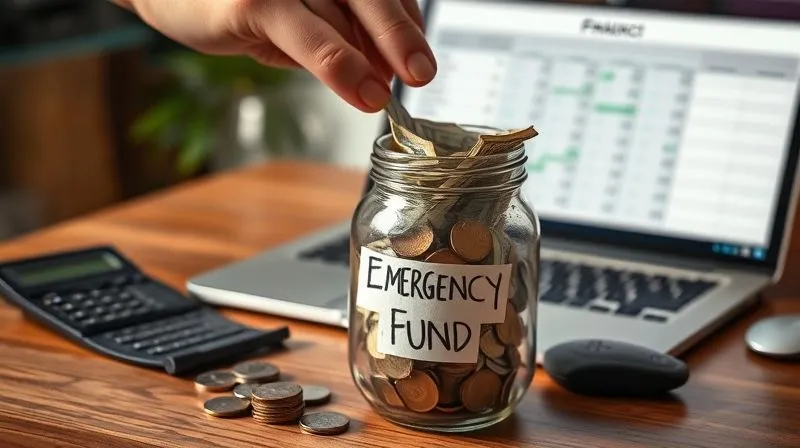
I cannot stress this enough: an emergency fund is not a luxury; it's a necessity, especially when aggressively tackling debt. It acts as a shield, protecting your debt payoff progress from life's inevitable curveballs. Many people try to build it *after* debt is gone, but if your debt snowball is failing, prioritizing at least a mini-emergency fund (e.g., $1,000 or one month's essential expenses) concurrently with debt repayment is crucial. This prevents new debt from forming, which is the ultimate snowball killer.
Boosting Your Income: Beyond the Paycheck
While cutting expenses is vital, there's a limit to how much you can cut. Increasing your income, however, has virtually no ceiling. This is often an overlooked strategy when a debt snowball is failing.
- Side Hustles: Explore opportunities for extra income – freelancing, gig work, selling unused items, or leveraging a skill. Even an extra $200-$300 a month can significantly accelerate your debt payoff.
- Skill Development/Career Advancement: Invest in courses or certifications that could lead to a promotion or higher-paying job. This is a longer-term strategy but incredibly impactful.
- Negotiate a Raise: If you haven't recently, prepare a strong case for why you deserve a raise at your current job.
Leveraging Professional Guidance: When to Call in the Experts
There's a common misconception that seeking professional help is a sign of failure. On the contrary, it's a sign of wisdom and strategic thinking. When your debt snowball is failing, a professional can offer an unbiased perspective, specialized knowledge, and accountability that is invaluable.
Understanding the Role of a Financial Advisor or Debt Counselor
- Tailored Plans: A professional doesn't offer generic advice. They create a personalized plan based on your unique financial situation, risk tolerance, and goals.
- Accountability & Motivation: Regular check-ins with an advisor can keep you on track, provide encouragement, and help you navigate challenges.
- Mediation & Negotiation: As discussed, professionals can be instrumental in negotiating with creditors, sometimes accessing options unavailable to individuals.
- Holistic Financial Planning: Beyond debt, they can help with long-term goals like retirement planning, investments, and wealth building, ensuring your debt payoff integrates into a larger financial strategy.
Identifying the Right Professional for Your Situation
Not all financial professionals are the same. Look for:
- Certifications: For debt counseling, look for certifications from organizations like the National Foundation for Credit Counseling (NFCC). For broader financial advice, look for Certified Financial Planners (CFP®).
- Experience in Debt Management: Ensure they have a proven track record specifically in helping clients with debt issues.
- Fee Structure: Understand how they charge (hourly, flat fee, commission-based) and ensure it aligns with your budget and needs.
Organizations like the Consumer Financial Protection Bureau (CFPB) offer excellent resources on finding reputable debt relief services and understanding your rights as a consumer. Additionally, the National Association of Personal Financial Advisors (NAPFA) can help you find fee-only financial planners.
Maintaining Momentum: Long-Term Strategies & Psychological Resilience
Fixing a failing debt snowball is one thing; ensuring it never fails again is another. Long-term success hinges on embedding healthy financial habits and fostering psychological resilience.
Automating Your Payments & Savings
The less you have to think about, the more likely you are to stick to it. Automate your minimum debt payments and, crucially, automate your 'snowball' payments to the smallest debt. Also, automate transfers to your emergency fund and savings accounts. This removes decision fatigue and reduces the chance of human error or impulse spending.
Celebrating Small Wins & Staying Motivated
The debt snowball method is inherently motivating because it provides quick wins. When you pay off a small debt, take a moment to celebrate! This isn't about spending money you don't have, but acknowledging your progress. A special meal cooked at home, a movie night, or a walk in nature can be powerful motivators. Consistent motivation is key to long-term success, especially when your debt snowball is failing and you need to rebuild that momentum.
Regular Reviews and Adaptability
Your financial life is dynamic. Life changes, income fluctuates, and unexpected expenses arise. Schedule monthly or quarterly financial check-ins. Review your budget, track your debt payoff progress, and adjust your plan as needed. Rigidity is often the enemy of long-term success. Be prepared to adapt.

Avoiding Future Setbacks: Proactive Financial Health
Once you've successfully fixed your failing debt snowball and are on the path to being debt-free, the journey doesn't end. Proactive financial health ensures you stay out of debt and build lasting wealth.
Credit Score Management Post-Debt
As you pay off debts, your credit score will naturally improve. Continue to monitor it and practice good credit habits, even after eliminating debt. This includes keeping old credit accounts open (if they have no annual fees and you can resist using them) to maintain a longer credit history, and making sure any remaining bills are paid on time.
Budgeting for the Unexpected
Your emergency fund should continue to grow, ideally to 3-6 months of essential living expenses. Beyond that, consider creating sinking funds for predictable but irregular expenses like car maintenance, holiday gifts, or home repairs. This proactive approach prevents these expenses from turning into new debt.
Expert Insight: "Financial freedom isn't just about paying off debt; it's about building a resilient financial life that can withstand future storms. The discipline learned during your debt snowball journey is your most valuable asset post-debt."
For further reading on building strong financial habits and avoiding future debt, I highly recommend exploring resources from reputable non-profits like the National Foundation for Credit Counseling (NFCC).
Frequently Asked Questions (FAQ)
Q: Is it too late to fix my failing debt snowball? Absolutely not. The fact that you're seeking solutions demonstrates a commitment to your financial well-being. It's never too late to reassess, adjust, and get back on track. Many of my clients have come to me feeling hopeless, only to achieve remarkable success with a revised plan and renewed focus. The key is to act decisively now.
Q: How much does a debt professional cost, and is it worth it? The cost varies significantly depending on the type of professional and their services. Credit counseling agencies often offer free or low-cost initial consultations. Financial advisors typically charge hourly, a flat fee, or a percentage of assets under management. While there's an upfront cost, the value comes from potential interest savings, accelerated debt payoff, and the prevention of future financial mistakes. For many, the peace of mind and tangible financial gains far outweigh the investment.
Q: Should I switch from debt snowball to debt avalanche if my snowball failed? It depends on the underlying reason for the failure. If your motivation plummeted because progress felt too slow, a purely mathematical avalanche might exacerbate that issue. However, if you're disciplined and the sheer amount of interest paid is demotivating you, then switching to an avalanche or a hybrid approach might be beneficial. A professional can help you objectively weigh the psychological benefits of the snowball against the mathematical efficiency of the avalanche for your specific situation.
Q: What if I can't afford an emergency fund *and* my debt payments? This is a common dilemma. In such cases, I usually recommend a phased approach. First, cut every non-essential expense to free up as much cash as possible. Then, prioritize building a very small 'starter' emergency fund (e.g., $500-$1,000) as quickly as possible. This small buffer prevents new debt from forming due to minor emergencies. Once that's in place, you can then allocate the majority of your extra funds to the debt snowball, while continuing to contribute a smaller, consistent amount to grow your emergency fund over time.
Q: How long does it typically take to see results after professional intervention? Results can vary, but many clients report feeling a renewed sense of control and clarity within weeks of implementing a revised plan. Tangible financial results, such as a lower interest rate or the payoff of a small debt, can often be achieved within 1-3 months. The full impact of professional guidance, leading to significant debt reduction and financial stability, typically unfolds over 6-12 months, depending on the severity of the initial debt and the consistency of adherence to the plan.
Key Takeaways and Final Thoughts
When your debt snowball is failing, it's not a sign of personal failure, but a signal that your strategy needs adjustment and perhaps a fresh, expert perspective. As an industry veteran, I've seen these challenges countless times, and I can assure you that with the right approach, your financial freedom is within reach.
- Diagnose Thoroughly: Start with an honest, deep-dive assessment of your budget and debt portfolio. Identify the true reasons for the setback.
- Strategize Smartly: Re-evaluate your debt allocation. Sometimes a hybrid approach or targeted negotiation with creditors is the fastest path forward.
- Build Resilience: Prioritize an emergency fund and explore income optimization. These are your shields against future derailments.
- Seek Expert Guidance: Don't hesitate to consult a financial professional. Their expertise can provide tailored solutions, accountability, and accelerate your recovery.
- Maintain Momentum: Automate, celebrate small wins, and regularly review your progress to ensure long-term success.
Remember, the journey out of debt is a process of learning, adapting, and growing. If your debt snowball is failing, it's an opportunity to strengthen your financial foundation with professional insights. Take these steps, regain control, and confidently roll that snowball all the way to debt-free living. Your future self will thank you.

Recommended Reading
- Impact Investing: 7 Strategies for Maximizing Returns & Deep Social Good
- Unlock More Aid: 7 Expert Steps to Appeal Low Financial Offers & Cut College Costs
- Pro Sabbatical: Budgeting Your Year-Long Backpacker Journey
- Streamline & Save: 5 Steps to Refinance Multiple High-Interest Business Loans Simultaneously
- How to Prevent Credit Score Damage from Identity Theft Risks? 7 Proactive Steps





Comments
Leave a comment below. Your email will not be published. Required fields marked with *