



Minimizing Greenwashing Risk in Ethical Fund Portfolio Construction? A Veteran's Framework
For over 15 years, navigating the intricate landscape of ethical investing, I've witnessed a concerning trend: the rise of greenwashing. It's not just a marketing buzzword; it's a deceptive practice where funds or companies exaggerate their environmental, social, and governance (ESG) credentials to attract conscientious investors.
The problem is insidious. Investors, genuinely wanting to align their capital with their values, find their trust eroded when they discover their 'ethical' funds hold companies with questionable practices. This undermines the very essence of responsible finance, making it incredibly difficult to build a portfolio that truly reflects one's commitment to a better world.
But there’s a way to cut through the noise. In this definitive guide, I'll share a robust framework, actionable steps, and expert insights drawn from my decades in the field. You'll learn how to conduct thorough due diligence, identify red flags, and confidently construct an ethical fund portfolio that stands up to scrutiny, effectively minimizing greenwashing risk in ethical fund portfolio construction.
Understanding the Greenwashing Phenomenon: More Than Just Marketing Spin
Greenwashing isn't a monolithic concept; it manifests in various deceptive forms. From vague, unsubstantiated claims to misleading data presentation and selective disclosure, the tactics are designed to create a perception of sustainability that often doesn't align with reality. It thrives on the complexity of ESG data and the genuine desire of investors to do good.
The Nuances of Deception
- Vague Claims: Funds using terms like 'eco-friendly' or 'sustainable' without clear, measurable criteria.
- Misleading Data: Presenting ESG metrics in a way that highlights positive aspects while downplaying or omitting negative ones.
- Irrelevant ESG Factors: Focusing on an ESG factor that is not material to the company's core business, distracting from more significant issues.
- Hidden Holdings: Burying investments in controversial sectors deep within a portfolio, making them hard to spot.
- Symbolic Actions: Announcing small, highly visible green initiatives while core business activities remain environmentally damaging.
In my experience, the pervasive nature of greenwashing in ethical investing stems from a combination of market demand for ESG products, a lack of standardized reporting, and the sheer financial incentive for fund managers to brand their offerings as 'green.'
"In the world of ethical investing, skepticism isn't cynicism; it's your most powerful due diligence tool. Always question, always verify, and always look beyond the glossy brochure."
The Foundation: Robust Due Diligence Beyond the Prospectus
True ethical investing demands a level of scrutiny that goes far beyond simply reading a fund's marketing materials. The prospectus is a starting point, but the real work involves digging deeper into the fund's operational DNA. This is where we begin minimizing greenwashing risk in ethical fund portfolio construction.
- Scrutinize Fund Mandates & Investment Policies: Don't just skim the summary. Dive into the detailed investment policy statement. Does it explicitly define what 'ethical' or 'sustainable' means to this fund? Are there clear, non-negotiable criteria for inclusion and exclusion? A vague mandate is a red flag, often indicating flexibility that can be exploited for greenwashing.
- Analyze ESG Integration Methodology: How does the fund manager actually integrate ESG factors into their investment decisions? Is it a superficial overlay, or is it deeply embedded in their research, valuation, and portfolio construction processes? Look for evidence of a systematic, repeatable process, not just ad-hoc considerations.
- Evaluate Exclusionary & Inclusionary Screens: A strong ethical fund will have clear exclusionary screens (e.g., no fossil fuels, no tobacco, no controversial weapons) and equally clear inclusionary criteria (e.g., companies leading in renewable energy, strong labor practices, diverse boards). The specificity of these screens is paramount. Broad terms like 'companies with good governance' are insufficient without defined metrics.
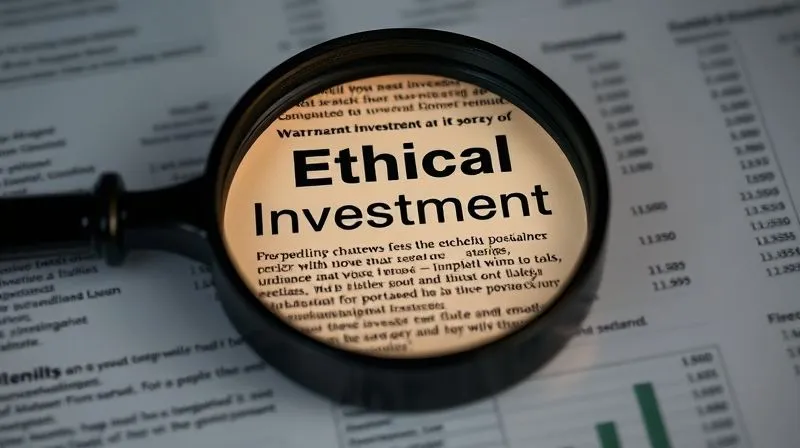
These initial steps are critical. If a fund cannot articulate its ethical framework with precision and transparency, it's difficult to trust its claims of sustainability.
Unpacking ESG Data: Metrics That Matter vs. Marketing Noise
ESG data is abundant, but not all of it is equally valuable. Many funds lean heavily on aggregated ESG scores from third-party providers, which, while useful, can also mask underlying issues or be based on methodologies that don't align with your personal ethical stance.
Digging Into the Data Providers
I've seen countless investors rely solely on a single ESG rating, believing it to be the definitive word. The reality is, ESG rating agencies often have different methodologies, data sources, and interpretations of what constitutes 'good' ESG performance. A company might score highly with one provider and poorly with another. It's crucial to understand these nuances and not treat ESG scores as infallible.
Quantitative vs. Qualitative Assessment
Effective due diligence requires blending quantitative data with qualitative insights. While numbers on carbon emissions or board diversity are important, they don't always tell the full story. Qualitative assessment involves understanding a company's culture, its commitment to continuous improvement, and the authenticity of its sustainability initiatives. This often requires reading annual reports, sustainability reports, and news articles, not just data tables.
"Don't just look at the ESG score; interrogate the underlying data. Focus on real-world outcomes and verifiable impacts, not just corporate disclosures that may be designed to impress."
To illustrate the difference, consider how two funds might present their ESG credentials:
| Metric | Fund A (Greenwashed) | Fund B (Authentic) |
|---|---|---|
| Fossil Fuel Exposure (% Revenue) | <5% (Indirect holdings) | 0% (Explicit exclusion) |
| Renewable Energy Investment (% Portfolio) | 10% (Through diversified utilities) | 70% (Pure-play renewables) |
| Worker Safety Incidents (Annual) | Below industry average (Self-reported) | Top decile performance (Third-party verified) |
| Impact Reporting | General sustainability report | Detailed, audited impact report aligned with SDGs |
This comparison highlights how easy it is for funds to present data in a favorable light without truly being 'green.' Fund B demonstrates a clearer, more direct commitment to ethical principles.
Beyond ESG Scores: Assessing Real-World Impact and Intent
True ethical investing isn't just about avoiding bad actors; it's about actively supporting good ones and driving positive change. This requires looking beyond static ESG scores to understand a fund manager's active role and the real-world impact of their investments.
The Power of Engagement and Active Ownership
A truly responsible fund manager doesn't just buy stocks; they engage with the companies they invest in. This 'active ownership' involves voting on shareholder resolutions, participating in dialogues with management, and advocating for improved ESG practices. It's a powerful lever for change that passive funds or those focused solely on screening often miss.
Measuring Impact: Beyond Financial Returns
For impact investors, financial returns are important, but so is measurable, positive social and environmental impact. Look for funds that clearly articulate their impact goals and provide transparent reporting on how they are achieving them. This might involve alignment with the UN Sustainable Development Goals (SDGs), specific metrics on carbon reduction, or social upliftment indicators.
- Review Fund's Proxy Voting Records: Does the fund consistently vote in favor of shareholder resolutions that push for stronger environmental protections, better labor practices, or improved governance? This is a concrete indicator of their commitment.
- Assess Engagement with Portfolio Companies: Does the fund publish details of its engagement activities? Are they actively pushing for change, or just passively holding shares? Some leading funds even publish case studies of their engagement successes.
- Evaluate Impact Measurement Frameworks: For impact funds, demand to see a robust framework for measuring and reporting impact. Is it credible? Is it audited? Is it transparent? The Principles for Responsible Investment (PRI) offers excellent guidance on this. Learn more about the PRI's framework for responsible investment.
Case Study: Navigating the 'Sustainable' Energy Fund Maze
How a Prudent Investor Avoided a Fossil-Fuel-Tied Fund
Let me share a fictional, yet highly realistic, scenario that highlights the importance of thorough due diligence when minimizing greenwashing risk in ethical fund portfolio construction.
Sarah, a retail investor deeply committed to combating climate change, was looking to invest in a 'Sustainable Energy Fund.' She identified two seemingly similar funds, 'EcoPower Global' and 'GreenShift Renewables,' both marketed with strong environmental credentials.
EcoPower Global boasted a diverse portfolio across utilities and energy infrastructure, claiming to invest in companies transitioning to a low-carbon economy. Its marketing emphasized its commitment to 'sustainable energy solutions.' However, when Sarah dug deeper into its holdings, she discovered a significant portion of the fund was invested in large, incumbent utility companies. While these utilities had *some* renewable energy projects, a substantial part of their revenue still came from coal and natural gas. The fund's 'transition' often meant a slow, incremental shift rather than a full commitment to pure-play renewables. Their ESG report focused heavily on minor efficiency improvements in their fossil fuel operations, diverting attention from the core business.
GreenShift Renewables, on the other hand, had a clear mandate: invest exclusively in companies deriving the majority of their revenue from renewable energy generation, storage, or enabling technologies. Its prospectus explicitly excluded any company with significant fossil fuel exposure. Its impact report detailed tangible metrics: megawatts of clean energy generated, tons of CO2 avoided, and investments in emerging green technologies. The fund manager also published an annual engagement report, detailing their active participation in shareholder votes advocating for faster renewable adoption.
By applying the principles of scrutinizing mandates, analyzing underlying holdings (not just sector labels), and evaluating impact reporting, Sarah was able to identify EcoPower Global as a potential greenwasher, despite its appealing marketing. She chose GreenShift Renewables, confident that her investment truly aligned with her values and contributed to genuine climate action.
The Role of Transparency and Accountability in Fund Management
Transparency and accountability are the cornerstones of trust in any financial endeavor, especially in ethical investing. A fund that genuinely walks the talk will have nothing to hide.
Demanding Clarity: What to Look For
I always advise investors to look for funds that offer more than just boilerplate statements. Seek out fund managers who provide:
- Regular, Detailed Impact Reports: These should go beyond generalities and provide specific, measurable outcomes of their investments' positive impact.
- Clear Disclosure of Voting Records: Transparency about how they vote on shareholder resolutions related to ESG issues is non-negotiable.
- Engagement Activity Summaries: Details on their dialogues with portfolio companies, including challenges and successes, demonstrate active ownership.
- Breakdown of ESG Methodology: A clear, understandable explanation of how they source, analyze, and apply ESG data in their investment decisions.

Fund Manager Interviews and Direct Questions
Don't hesitate to engage with fund representatives. Ask direct questions: 'How do you define greenwashing?' 'What are your top three criteria for excluding a company?' 'Can you provide an example of a successful engagement with a portfolio company on an ESG issue?' Their ability to provide clear, consistent, and specific answers is a strong indicator of genuine commitment. For deeper insights into fund manager accountability and disclosure, consider resources like the CFA Institute's ESG Disclosure Standards for Investment Products. Explore the CFA Institute's ESG Disclosure Standards.
Building a Diversified, Anti-Greenwashing Portfolio
Even with meticulous due diligence on individual funds, constructing a truly ethical and diversified portfolio requires a strategic approach. Diversification isn't just about spreading risk across asset classes; it's also about ensuring your ethical exposure is robust and resilient to greenwashing across various sectors and geographies.
Sector-Specific Considerations
Certain sectors are inherently more prone to greenwashing due to their environmental impact (e.g., energy, materials) or their complex supply chains (e.g., consumer goods). When investing in these sectors, your scrutiny needs to be even more rigorous. Conversely, some sectors, like renewable energy infrastructure or sustainable agriculture, offer more straightforward pathways to genuine impact, though vigilance is still key.
Geographical Diversification with an Ethical Lens
Regulatory frameworks and ESG disclosure standards vary significantly across regions. What's considered 'ethical' in one country might be standard practice, or even lagging, in another. Understanding these regional nuances helps in selecting funds that genuinely adhere to high standards, regardless of their geographical focus. Look for funds that clearly articulate how they navigate these differences.
Combining truly ethical funds requires a holistic view. Don't put all your 'green' eggs in one basket. Diversify across different ethical mandates (e.g., some funds focused on environmental impact, others on social equity, and some on governance excellence) to create a well-rounded and resilient portfolio. This layered approach is critical for minimizing greenwashing risk in ethical fund portfolio construction.
| Criterion | Green Flag | Red Flag |
|---|---|---|
| Fund Mandate Clarity | Explicit exclusions, measurable inclusion criteria | Vague terms like 'supports sustainability', broad discretion |
| ESG Data Source | Proprietary research, multiple credible providers | Sole reliance on a single, opaque ESG rating |
| Impact Reporting | Audited, specific metrics, SDG alignment | Marketing-heavy, general statements, no clear data |
| Active Ownership | Published voting records, engagement reports | No mention of proxy voting or engagement |
| Fee Structure | Transparent, reasonable, aligned with long-term goals | High, opaque fees not justified by active management |
Staying Ahead of the Curve: Evolving Greenwashing Tactics
The landscape of ethical investing is dynamic, and unfortunately, so are the tactics of greenwashing. As investors become more savvy, so too do the methods used to mislead. Staying informed and continuously refining your due diligence process is paramount.
I've seen greenwashing evolve from simple 'eco-friendly' labels to sophisticated data manipulation and nuanced narrative control. The next frontier might involve 'impact washing,' where funds exaggerate their positive social or environmental impact without robust, verifiable evidence. Staying ahead means being aware of emerging trends in sustainable finance, new regulatory developments, and evolving best practices in ESG disclosure.
"The fight against greenwashing is an ongoing commitment, not a one-time check. Continuous learning and vigilance are your greatest allies in building a truly responsible and impactful portfolio."
Engage with industry thought leaders, subscribe to reputable sustainable finance publications, and participate in investor forums. Your proactive engagement is key to protecting your investments and fostering a more genuinely ethical financial system. For insights into the latest greenwashing trends and regulatory responses, consult reports from organizations like the European Securities and Markets Authority (ESMA) or the SEC. Stay informed with ESMA's latest publications.

Frequently Asked Questions (FAQ)
How often should I review my ethical fund holdings for greenwashing? I recommend a thorough review at least annually, or whenever there are significant changes in a fund's mandate, management, or underlying holdings. The ethical investment landscape is dynamic, and what was genuinely green yesterday might face new scrutiny today. Regular checks ensure your portfolio remains aligned with your values.
Are ESG ratings completely unreliable? No, ESG ratings are not completely unreliable, but they should not be your sole source of information. Think of them as a starting point. They provide a quick overview but often lack the granular detail needed for robust due diligence. Different rating agencies have different methodologies, so cross-referencing and digging into the underlying data are crucial.
What's the difference between "ethical," "sustainable," and "impact" investing in terms of greenwashing risk? 'Ethical' often refers to investing based on moral principles, typically involving exclusionary screens. 'Sustainable' investing integrates ESG factors to achieve long-term financial returns and positive societal outcomes. 'Impact' investing specifically targets measurable positive social and environmental impact alongside financial returns. Greenwashing risk exists across all three, but it can be particularly pronounced in 'sustainable' and 'impact' investing where claims of positive contribution are harder to verify without robust data and transparency.
Can smaller, niche ethical funds be safer from greenwashing? Not necessarily. While smaller, niche funds might have a more focused mandate and potentially more direct engagement with their holdings, they can also lack the resources for comprehensive reporting or be less scrutinized by the market. Greenwashing can occur at any scale. The key isn't size, but transparency, verifiable processes, and the integrity of the fund manager.
What resources do you recommend for ongoing education on ethical investing? Beyond academic journals and reputable financial news, I highly recommend sources like the Global Sustainable Investment Alliance (GSIA), the Forum for Sustainable and Responsible Investment (US SIF), and publications from organizations like Ceres or the World Economic Forum. These provide invaluable insights into market trends, best practices, and regulatory developments in responsible finance.
Key Takeaways and Final Thoughts
- Skepticism is Your Shield: Approach every 'green' claim with a healthy dose of critical inquiry.
- Due Diligence is Paramount: Go beyond marketing materials and dive into mandates, methodologies, and actual holdings.
- Focus on Outcomes, Not Just Inputs: Look for verifiable, measurable impact, not just vague promises.
- Transparency is Non-Negotiable: Demand clear reporting on ESG integration, proxy voting, and engagement.
- Stay Informed and Adapt: Greenwashing tactics evolve, so your vigilance must too.
Minimizing greenwashing risk in ethical fund portfolio construction is more than just protecting your investment; it's about safeguarding the integrity of your values and ensuring your capital genuinely contributes to a better future. By embracing these strategies, you empower yourself to build a truly responsible and impactful portfolio, one that withstands scrutiny and truly makes a difference. The journey requires diligence, but the rewards – both financial and ethical – are profoundly worth it. Be the discerning investor the world needs.
Recommended Reading
- Seasonal Cash Flow Crisis? 7 Expert Fixes for Your Small Business
- Safeguard Your License: 7 Steps to Monitor Credit for Professional Security
- 5 Checks: How to Avoid Greenwashing in Ethical ESG Investment Funds?
- Unlock Sustainable Investing: How to Evaluate Companies Based on ESG Criteria?
- Business Account Frozen? 7 Steps to Unfreeze & Reclaim Control





Comments
Leave a comment below. Your email will not be published. Required fields marked with *