


Minimizing Escalating Home Insurance Property Damage Claims? Your Expert Guide
For over two decades in the insurance industry, I've witnessed firsthand the profound impact of escalating property damage claims on homeowners and the broader insurance market. What once felt like isolated incidents have become a pervasive challenge, leading to higher premiums, stricter underwriting, and immense stress for policyholders. It’s a cycle I've seen repeat far too often.
The pain point is palpable: homeowners are grappling with increasingly frequent and severe property damage, from unpredictable weather events to aging infrastructure within their homes. The financial burden of repairs, coupled with the complexities of the claims process, can feel overwhelming. Many feel caught in a reactive loop, only addressing issues after significant damage has occurred.
But it doesn't have to be this way. In this definitive guide, I'll share actionable frameworks, real-world insights, and expert strategies designed specifically for minimizing escalating home insurance property damage claims. We'll move beyond mere fixes to proactive prevention, empowering you to protect your most valuable asset and secure your peace of mind.
Understanding the Root Causes of Escalating Claims
Before we can effectively minimize claims, we must first understand why they are escalating. In my experience, it's a confluence of factors, ranging from macro-environmental shifts to micro-level homeowner habits. The climate crisis, for instance, is undeniably contributing to more frequent and intense weather events – think stronger hurricanes, more pervasive wildfires, and unexpected severe storms.
Beyond Mother Nature, the aging housing stock across many regions means that essential components like roofs, plumbing, and electrical systems are reaching the end of their lifespan, making them more susceptible to failure. Deferred maintenance, often due to budget constraints or lack of awareness, exacerbates these issues, turning minor problems into major claims.
Prevention is not just cheaper than a cure; it's often the only sustainable solution to the rising tide of property damage claims. Early detection and proactive measures are paramount.
Common claim types I've seen consistently rise include:
- Water Damage: Burst pipes, leaky roofs, overflowing appliances.
- Wind Damage: Roof and siding damage from storms.
- Fire Damage: Electrical faults, kitchen fires, wildfires.
- Hail Damage: Roof and exterior impact damage.
- Theft & Vandalism: Security breaches leading to property loss.
Proactive Home Maintenance: Your First Line of Defense
The single most powerful strategy for minimizing escalating home insurance property damage claims is a robust, proactive home maintenance schedule. I've seen countless cases where a small, neglected issue blossomed into a devastating and costly claim. Think of your home as a living organism that requires regular check-ups.
The Annual Home Health Checkup
I recommend a comprehensive annual review of your home's critical systems. This isn't just about quick fixes; it's about systematic prevention:
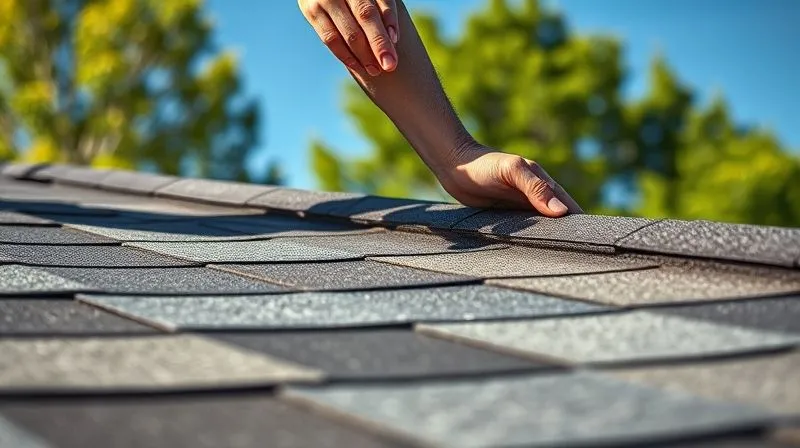
- Roof Inspection: Annually check for loose or missing shingles, damaged flashing around chimneys and vents, and excessive granule loss. After severe weather, always perform an immediate visual inspection.
- Gutter & Downspout Cleaning: Clogged gutters cause water to back up, leading to fascia rot, foundation issues, and ice dams in winter. Clean them at least twice a year.
- Plumbing System Check: Inspect visible pipes for leaks, corrosion, or drips. Test water pressure. Consider having a professional plumber inspect supply lines and water heaters every few years.
- HVAC System Servicing: Regular maintenance prevents breakdowns and potential fire hazards. Ensure filters are clean and drainage lines are clear to prevent water overflow.
- Exterior & Foundation Assessment: Look for cracks in the foundation, deteriorating caulk around windows and doors, and signs of pest intrusion. Seal any gaps promptly.
- Tree & Shrub Trimming: Keep branches trimmed away from your roof and power lines to prevent storm damage. Remove dead or diseased trees that could fall.
Documenting these maintenance activities with photos and receipts can be invaluable if you ever need to file a claim, demonstrating your diligence to your insurer.
Leveraging Smart Home Technology for Early Detection
In today's digital age, technology offers powerful tools for minimizing escalating home insurance property damage claims. Smart home devices are no longer just about convenience; they are critical components of a proactive risk management strategy. I've seen these devices prevent thousands of dollars in damage by alerting homeowners to problems long before they become catastrophic.
Consider installing water leak sensors in high-risk areas like under sinks, near water heaters, and in basements. These small devices can send an immediate alert to your phone at the first sign of moisture. Similarly, smart smoke and carbon monoxide detectors offer advanced warnings and can often pinpoint the location of an issue, allowing for quicker response times.
Case Study: The Smart Sensor Saves the Day
The Smith family, living in a suburban home, had recently installed smart water sensors near their washing machine and water heater. One Tuesday afternoon, while both parents were at work, a small hose fitting on their water heater began to drip. Within minutes, a sensor detected the moisture, sending an alert to Mrs. Smith's phone. She was able to call a neighbor, who quickly shut off the main water supply, preventing what could have been a major flood. The repair cost was minimal – a new hose fitting – avoiding potentially thousands in water damage claims to flooring, drywall, and personal belongings. This real-time alert saved them from a significant headache and a costly insurance claim.
Here's a look at some key smart home technologies and their benefits:
| Device Category | Typical Cost Range | Primary Benefit |
|---|---|---|
| Water Leak Detectors | $20-$100 per sensor | Early detection of leaks, preventing major water damage. |
| Smart Smoke/CO Detectors | $50-$150 per unit | Instant alerts, remote monitoring, pinpointing fire/CO source. |
| Smart Security Systems | $100-$500 + monitoring | Deterrence of theft/vandalism, remote access, video surveillance. |
| Smart Thermostats | $150-$300 | Energy efficiency, remote temperature control, freeze warnings. |
| Automatic Water Shut-off Valves | $150-$500 + installation | Automatically shuts off main water supply upon leak detection. |
Fortifying Your Home Against Natural Disasters
With the increasing volatility of weather patterns, fortifying your home against natural disasters is no longer optional; it's essential for minimizing escalating home insurance property damage claims. This involves understanding your local risks and implementing specific mitigation strategies.
For those in hurricane-prone areas, investing in storm shutters or impact-resistant windows can make a monumental difference. In regions susceptible to wildfires, creating defensible space around your home by clearing vegetation is critical. Flood zones require elevated utilities and proper drainage solutions. According to the Federal Emergency Management Agency (FEMA), proactive mitigation can significantly reduce damage and recovery costs.
- Install Storm Shutters/Impact Windows: Protect against high winds and flying debris.
- Reinforce Garage Doors: Garage doors are often a vulnerable point during high winds.
- Maintain Defensible Space (Wildfire Zones): Clear dry brush, leaves, and flammable materials at least 30 feet around your home.
- Elevate Utilities (Flood Zones): Move electrical panels, HVAC units, and water heaters above potential flood levels.
- Improve Drainage: Ensure proper grading around your home to direct water away from the foundation.
- Anchor Outbuildings: Secure sheds and other structures to prevent them from becoming projectiles in a storm.
Investing in resilience today means avoiding catastrophe tomorrow. These structural enhancements are not just expenses; they are investments in your home's long-term safety and your financial stability.
The Power of Regular Inspections and Professional Assessments
While DIY maintenance is crucial, there are times when only a professional eye will do. Regular inspections by certified experts can uncover hidden issues that might escape a homeowner's notice, thereby playing a vital role in minimizing escalating home insurance property damage claims. I always advise my clients to consider these assessments as preventative healthcare for their homes.
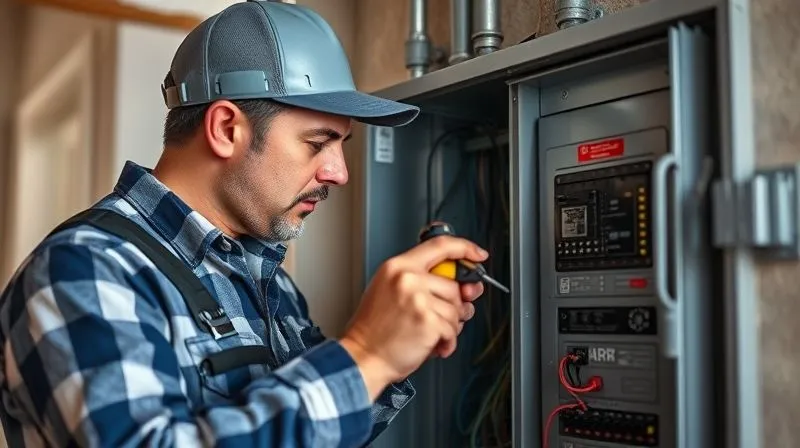
A professional roof inspection, for example, can identify subtle signs of wear or improper installation before a small leak turns into a collapsed ceiling. Similarly, a licensed electrician can detect faulty wiring that could lead to a devastating fire, and a structural engineer can assess foundation integrity, preventing costly structural failures.
Benefits of professional assessments include:
- Early Detection of Hidden Problems: Experts can spot issues that aren't obvious to the untrained eye.
- In-Depth System Analysis: They can provide a comprehensive review of complex systems like electrical, plumbing, and HVAC.
- Expert Recommendations: Receive tailored advice on repairs, upgrades, and preventative measures.
- Credibility for Insurers: Documentation of professional inspections can demonstrate due diligence to your insurance provider.
Navigating the Claims Process: What You Need to Know
Even with the best preventative measures, sometimes damage is unavoidable. When a claim does arise, knowing how to navigate the process efficiently and effectively is crucial for minimizing escalating home insurance property damage claims and ensuring a fair outcome. My experience has taught me that preparation and clear communication are key.
The moment damage occurs, your priority should be to ensure safety and prevent further damage, if it's safe to do so. For example, if a pipe bursts, turn off the main water supply. Then, report the claim to your insurer promptly. Delays can sometimes complicate the claims process or even impact coverage.
Documenting Damage Effectively
This step is often overlooked but is incredibly important:
- Take Immediate Photos & Videos: Document the damage extensively from multiple angles before any cleanup or repairs begin. Show the scope of the damage and its context.
- Create an Inventory: List all damaged personal property, including brand, model, age, and estimated value. Include receipts if possible.
- Keep Detailed Records: Maintain a log of all communications with your insurance company, including dates, times, names of representatives, and summaries of conversations.
- Don't Discard Damaged Items: Unless instructed by your insurer, hold onto damaged items as they may need to be inspected by an adjuster.
- Get Repair Estimates: Obtain multiple written estimates from reputable contractors for the necessary repairs.
For more detailed guidance on claims, the Insurance Information Institute offers valuable resources on homeowner's insurance and the claims process.
Reviewing Your Policy Annually: Are You Adequately Covered?
A critical, yet often neglected, step in minimizing escalating home insurance property damage claims is the annual review of your homeowner's insurance policy. I've encountered countless situations where homeowners discovered their coverage was insufficient only after a major event, leading to significant out-of-pocket expenses. Your home's value, contents, and local risks change, and your policy should evolve with them.
During your annual review, pay close attention to:
- Coverage Limits: Is your dwelling coverage (Coverage A) sufficient to rebuild your home at current construction costs? Inflation and material costs can quickly outpace your policy limits.
- Deductibles: A higher deductible can lower your premium, but ensure it's an amount you can comfortably afford in an emergency.
- Personal Property Coverage (Coverage C): Does it adequately cover the replacement cost of your belongings? Consider a home inventory to assess this accurately.
- Endorsements/Riders: Do you need additional coverage for specific risks like sewer backup, earthquake, or flood (which is typically separate)?
- Actual Cash Value vs. Replacement Cost: Understand if your policy pays out based on the depreciated value (Actual Cash Value) or the cost to replace new (Replacement Cost). I always advocate for replacement cost coverage for dwelling and personal property.
The National Association of Insurance Commissioners (NAIC) provides excellent consumer guides to understanding insurance policies.
| Policy Component | Review Status | Notes |
|---|---|---|
| Dwelling Coverage (A) | Check current rebuild cost | Adjust for inflation/construction costs. |
| Personal Property (C) | Update home inventory | Ensure replacement cost coverage. |
| Deductibles | Affordability check | Balance premium savings with out-of-pocket risk. |
| Specific Perils (e.g., Flood, Earthquake) | Assess local risk | Consider additional endorsements if not covered. |
| Liability Coverage (E) | Adequacy check | Ensure sufficient protection for personal liability. |

Cultivating a Culture of Vigilance: Beyond the Checklist
Minimizing escalating home insurance property damage claims isn't solely about checklists and technology; it's about fostering a mindset of continuous vigilance and community engagement. As an industry veteran, I've observed that the most resilient communities are those where neighbors look out for one another and knowledge is shared freely.
Participate in local neighborhood watch programs. Share tips on storm preparedness or wildfire mitigation with your neighbors. Stay informed about local weather advisories and community-wide prevention initiatives. This collective effort strengthens the overall resilience of your immediate environment, which indirectly protects your own property.
Home protection is not a one-time fix; it's a continuous commitment. It requires ongoing education, proactive steps, and a keen awareness of both your home's condition and its surrounding environment.
By integrating these practices into your homeowner routine, you're not just managing risk; you're building a more secure and sustainable future for your home and your family. It's about being prepared, being aware, and being proactive.
Frequently Asked Questions (FAQ)
How often should I inspect my roof for potential damage? I recommend a visual inspection of your roof at least twice a year – typically in the spring and fall – and always after any significant weather event like a major storm or high winds. A professional roof inspection every 3-5 years is also a wise investment to catch subtle issues.
Do smart home devices really lower my insurance premiums? While not all insurers offer direct premium reductions, many do. The primary benefit, however, is the significant reduction in potential damage and claims, which indirectly keeps your premiums stable over time by preventing costly payouts. Always check with your specific insurance provider about potential discounts for smart home security or water detection systems.
What's the most common type of property damage claim I should be most concerned about? In my experience, water damage claims (from burst pipes, appliance leaks, or roof leaks) are consistently among the most frequent and costly types of property damage. This is why proactive plumbing maintenance and smart water sensors are such high-impact preventative measures.
Should I file a small claim or pay for minor repairs out of pocket? This is a critical decision. Generally, I advise against filing very small claims that are only slightly above your deductible. Filing multiple small claims, even if legitimate, can flag you as a higher risk to insurers, potentially leading to increased premiums or even non-renewal. Weigh the cost of the repair against your deductible and the long-term impact on your claims history.
How does climate change impact my home insurance and what can I do? Climate change is leading to more frequent and severe weather events, directly impacting home insurance through increased claims and, consequently, higher premiums and stricter underwriting in high-risk areas. As a homeowner, you can mitigate this by fortifying your home against specific regional risks (e.g., hurricane straps, fire-resistant landscaping), ensuring your home's infrastructure is well-maintained, and staying informed about local climate adaptation strategies.
Recommended Reading
- 5 Proven Strategies: How to Minimize Financial Risk from Product Safety Recalls?
- Value Trap or Undervalued? 5 Steps to Identify Smart Investments
- Online Lending Bad for Credit? The Truth You Need to Know!
- 7 Proven Strategies: Negotiating with Creditors in Extreme Financial Distress
- Unlock the Secret: Can You Avoid Capital Gains Tax on Inherited Assets?
Main Points and Final Considerations
Minimizing escalating home insurance property damage claims is an achievable goal, not an insurmountable challenge. It requires a strategic, proactive approach, combining diligent maintenance with smart technology and informed decision-making. Here are the most critical takeaways:
- Proactive Maintenance is Paramount: Regular inspections and preventative upkeep of your home's critical systems are your best defense.
- Embrace Smart Home Technology: Devices like water sensors and smart detectors offer invaluable early warning systems.
- Fortify Against Specific Risks: Understand your local environment and implement targeted structural enhancements to protect against natural disasters.
- Professional Assessments are Worth It: Leverage experts for in-depth inspections of complex systems.
- Understand Your Policy: Annually review your coverage to ensure it aligns with your home's value and current risks.
- Document Everything: Maintain meticulous records of maintenance, upgrades, and any damage for smoother claims processing.
- Cultivate Vigilance: A continuous mindset of awareness and community engagement strengthens your home's resilience.
By implementing these expert strategies, you are not just reacting to problems; you are actively shaping a more secure future for your home. Taking these steps demonstrates responsibility and foresight, not only protecting your financial well-being but also contributing to a more resilient community. Start today – your home, and your peace of mind, will thank you.





Comments
Leave a comment below. Your email will not be published. Required fields marked with *