



How to Structure Executive Protection Plans for Key Personnel?
For over 15 years in the financial and insurance sectors, I've seen countless organizations, both large and small, grapple with a critical yet often overlooked challenge: safeguarding their most valuable human assets. The oversight isn't always intentional; rather, it stems from a fundamental misunderstanding of the evolving threat landscape and the complexities involved in proactive executive protection.
The modern executive operates in an increasingly volatile world, facing a spectrum of risks ranging from cyber espionage and reputational attacks to physical threats and kidnapping. The loss or incapacitation of a key leader isn't just a personal tragedy; it can send shockwaves through an organization, impacting stock prices, operational continuity, investor confidence, and ultimately, its very survival. The pain point is clear: how do you ensure the safety of those who steer your ship without impeding their ability to lead?
This definitive guide will provide you with a robust, actionable framework on how to structure executive protection plans for key personnel. We'll move beyond generic advice, diving deep into strategic planning, threat assessment, operational execution, and continuous adaptation. My goal is to equip you with the expert insights and practical steps needed to build an ironclad, yet discreet, security program that truly protects your leaders and, by extension, your entire enterprise.
Understanding the Evolving Threat Landscape for Key Personnel
Before we can build an effective protection plan, we must first understand what we're protecting against. The threats facing key personnel today are far more sophisticated and multifaceted than ever before. It's no longer just about physical security; it encompasses digital vulnerabilities, reputational attacks, and even psychological pressures.
Identifying Common Risks
From my vantage point, the risks can be broadly categorized. Physical threats include kidnapping, extortion, assault, and even workplace violence, often perpetrated by disgruntled employees, competitors, or extremist groups. Cyber threats are insidious, ranging from phishing and identity theft to corporate espionage aimed at extracting sensitive information from executives' devices. Then there are reputational risks, where malicious actors spread misinformation or defame leaders, impacting brand value and market trust. Finally, travel-related risks, especially in high-risk regions, present unique challenges.
I've seen companies invest heavily in perimeter security for their buildings but completely neglect the digital footprint of their CEO, leaving them exposed to sophisticated spear-phishing attacks. This fragmented approach is a common pitfall.
The Cost of Complacency
The cost of failing to protect key personnel extends far beyond direct financial losses. Imagine the impact on investor confidence if a CEO's personal data is breached, or the operational paralysis if a key technical officer is incapacitated. There's also the severe damage to employee morale and the long-term erosion of public trust. Complacency is not an option; it's a liability.
The true cost of inadequate executive protection isn't just measured in dollars, but in organizational resilience, reputation, and the irreplaceable value of human capital. Proactive measures are always less costly than reactive damage control.
The Foundational Pillars of a Robust Executive Protection Program
Building an effective executive protection program requires a strategic, multi-layered approach. It's not a one-size-fits-all solution but a tailored strategy built upon fundamental pillars.
Threat Assessment and Risk Analysis
This is where it all begins. A comprehensive threat assessment is the bedrock of any sound protection plan. It involves a deep dive into the specific risks faced by each key individual, considering their public profile, travel patterns, industry, and even personal life. You need to identify potential adversaries, their motivations, and capabilities.
- Information Gathering: Collect all relevant data on the executive's public profile, social media presence, business dealings, and any known past threats.
- Vulnerability Analysis: Assess physical residences, offices, travel routes, and digital assets for weaknesses. This includes cybersecurity audits of personal and corporate devices.
- Adversary Profiling: Understand who might pose a threat – disgruntled employees, activists, competitors, criminals, or state-sponsored actors.
- Likelihood and Impact Assessment: For each identified threat, determine the probability of it occurring and the potential severity of its impact. This helps prioritize resources.
- Regular Updates: Threat landscapes are dynamic. Assessments must be living documents, reviewed and updated quarterly or whenever significant changes occur.
According to a Deloitte Global Risk Management Survey, organizations with mature risk assessment processes are significantly more resilient to unexpected challenges.
Policy Development and Legal Framework
Once risks are understood, formal policies must be established. These policies define the scope of protection, roles and responsibilities, acceptable security measures, and incident response protocols. They must also align with legal and ethical standards, respecting privacy while ensuring safety.
This includes clear guidelines on data handling, communication channels during emergencies, and the legal authority granted to security personnel. Without a solid legal and ethical framework, protection efforts can quickly become counterproductive or even lead to legal repercussions.
Crafting the Security Detail: Personnel and Technology Integration
An executive protection plan is only as good as the people executing it and the technology supporting it. This pillar focuses on the human element and the tools that amplify their effectiveness.
Selecting and Training Protection Specialists
The individuals providing executive protection are not just bodyguards; they are highly trained security professionals with a diverse skill set. They need to be discreet, intelligent, adaptable, and possess excellent judgment. Their training should extend beyond physical defense to include emergency medical response, evasive driving, intelligence gathering, and diplomatic communication.
- Expertise: Look for professionals with backgrounds in law enforcement, military special operations, or specialized corporate security.
- Discretion: The best protection is often unseen. Specialists must integrate seamlessly into the executive's life without causing disruption.
- Soft Skills: Emotional intelligence, communication, and problem-solving are as crucial as tactical skills.
- Continuous Training: Regular drills, scenario-based training, and skill refreshers are vital to maintain readiness.
Leveraging Advanced Security Technology
Technology acts as a force multiplier for protection teams. This includes secure communication devices, GPS tracking, panic buttons, advanced surveillance systems, and secure transportation. The key is integration – ensuring all systems work together seamlessly to provide a comprehensive security blanket.
| Technology Category | Specific Tool | Primary Use Case | Benefit |
|---|---|---|---|
| Communication | Encrypted Satellite Phones | Secure global communication in high-risk areas | Prevents eavesdropping, ensures critical communication channels |
| Surveillance | Covert Body Cameras & Drones | Real-time situational awareness, evidence collection | Expands visibility, provides actionable intelligence |
| Transportation | Armored Vehicles & GPS Tracking | Physical protection during transit, route optimization | Mitigates physical threats, enables rapid response |
| Personal Safety | Wearable Panic Devices | Immediate alert in emergency situations | Direct link to security team, reduces response time |
| Cyber Security | Mobile Device Management (MDM) | Securing executive's digital footprint | Protects against data breaches, remote wiping capability |
Travel Security and Global Mobility Protocols
For many key personnel, international travel is a regular part of their role. This introduces a unique layer of complexity and risk that demands specialized protocols.
Pre-Travel Intelligence and Briefings
Before any executive embarks on a trip, especially to an unfamiliar or high-risk region, thorough intelligence gathering is paramount. This includes assessing the current geopolitical climate, local crime rates, health risks, and specific threats targeting foreign business travelers. The executive must receive a comprehensive briefing, covering everything from cultural norms and local laws to emergency contact information and safe havens.
I've often seen executives assume their home country's security standards apply everywhere. This is a dangerous misconception. Each destination requires a bespoke risk assessment.
In-Transit Protection and Emergency Response
During travel, protection measures must be robust and adaptable. This might involve secure ground transportation, vetted local drivers, and a close protection team. Communication protocols are critical: executives should have secure devices and clear channels to their security detail or crisis management team. Emergency response plans must be in place for various scenarios, including medical emergencies, vehicle accidents, or hostile encounters. This includes established evacuation routes and agreements with local authorities or private security firms.
For deeper insights into global travel risk, I recommend consulting resources like International SOS, a leading provider of medical and security assistance services.
Cybersecurity and Digital Footprint Management for Executives
In our hyper-connected world, an executive's digital presence is as vulnerable as their physical one. A robust protection plan must extend into the cyber realm.
Protecting Digital Assets and Communications
This goes beyond basic antivirus software. It involves implementing multi-factor authentication for all accounts, using encrypted communication channels (email, messaging apps), and securing all devices (laptops, smartphones, tablets) with enterprise-grade Mobile Device Management (MDM) solutions. Regular security awareness training for executives and their administrative staff is non-negotiable, as human error remains a primary vector for cyberattacks.
I've witnessed instances where a CEO's personal email was compromised, leading to significant corporate data leaks. The lines between personal and professional digital lives are often blurred, creating critical vulnerabilities.
Online Reputation Management
The digital footprint of a key executive can be a target for malicious actors seeking to damage their reputation or exploit personal information. Proactive online reputation management involves monitoring social media and deep web forums for mentions, identifying potential threats, and taking swift action to mitigate negative narratives. This also includes educating executives on responsible online behavior and the dangers of oversharing personal information.
An executive's digital resilience is as vital as their physical security. A single compromised password or a malicious online rumor can have cascading effects, impacting both the individual and the organization's bottom line.
Crisis Management and Emergency Response Planning
Despite the most meticulous planning, incidents can and do occur. A well-defined crisis management and emergency response plan is crucial for mitigating damage and ensuring a swift, effective recovery.
Developing Incident Response Plans
Every conceivable scenario, from a medical emergency to a full-blown security breach, must have a predefined response. This includes clear roles and responsibilities for every member of the crisis team, communication protocols, and escalation procedures. Practice drills are essential to ensure everyone knows their part and to identify any weaknesses in the plan.
- Define Crisis Scenarios: Identify potential crises (e.g., kidnapping, cyberattack, medical emergency, reputational attack).
- Establish a Crisis Team: Designate key personnel from security, legal, HR, communications, and executive leadership.
- Outline Communication Protocols: Determine who communicates what, to whom (internal, external stakeholders, media), and through which channels.
- Develop Action Checklists: Provide clear, step-by-step instructions for immediate response for each scenario.
- Identify Resources: List external contacts such as legal counsel, PR firms, medical services, and law enforcement.
- Practice and Review: Conduct regular drills and tabletop exercises, then debrief and refine the plan.
Communication Strategies During a Crisis
During a crisis, clear, consistent, and empathetic communication is paramount. This applies internally to employees, externally to stakeholders, and to the media. Misinformation or a lack of communication can exacerbate the situation, leading to panic or distrust. A designated spokesperson, pre-approved statements, and a consistent message across all channels are vital.
Case Study: How Apex Innovations Navigated a Reputational Crisis
Apex Innovations, a leading AI firm, faced a sudden and aggressive online smear campaign targeting its CTO, alleging unethical data practices. The crisis threatened to derail a major product launch and significantly damage investor confidence. Thanks to their pre-existing executive protection plan, they were able to act swiftly. The plan included a dedicated crisis communications team and pre-approved statements for various scenarios. Within hours, their digital security team identified the source of the attack, while their PR team issued a clear, evidence-backed rebuttal, supported by testimonials from independent auditors. The CTO's digital footprint was immediately secured, and legal action was initiated against the perpetrators. This proactive, coordinated response allowed Apex Innovations to control the narrative, maintain investor trust, and ultimately launch their product successfully with minimal long-term damage.

Continuous Review, Adaptation, and Training
An executive protection plan is not a static document; it's a living, breathing strategy that must evolve with the times. The threat landscape is constantly changing, and so too must your defenses.
Regular Threat Reassessment
As I mentioned earlier, threat assessments need to be continuous. New geopolitical events, shifts in the competitive landscape, changes in an executive's public profile, or even personal life events can introduce new vulnerabilities. Schedule regular, formal reviews – at least quarterly – and conduct ad-hoc assessments whenever a significant event occurs.
This proactive approach ensures that your protection measures remain relevant and effective against emerging threats. It's about staying one step ahead, not constantly playing catch-up.
Ongoing Training and Drills
Protection specialists, executives, and even their families should participate in ongoing training and drills. This includes refresher courses on self-defense, cybersecurity hygiene, emergency medical response, and crisis communication. Tabletop exercises and full-scale simulations help to ingrain protocols and identify areas for improvement.
As Harvard Business Review often emphasizes, continuous learning and development are crucial for leadership resilience, and this extends directly to security preparedness.
| Review Cycle Stage | Key Activities | Output |
|---|---|---|
| Quarterly Threat Assessment | Update risk profiles, analyze new intelligence, review geopolitical shifts | Revised threat matrix, updated vulnerabilities list |
| Bi-Annual Security Audit | Physical security checks, cybersecurity penetration tests, policy compliance review | Audit report, recommended security enhancements |
| Annual Program Evaluation | Overall effectiveness review, budget allocation analysis, stakeholder feedback | Strategic adjustments, resource reallocation plan |
| Ongoing Training & Drills | Scenario-based training, executive briefings, emergency response simulations | Improved readiness, identified training gaps |
Budgeting and Resource Allocation for Executive Protection
Effective executive protection is an investment, not an expense. Justifying this investment and allocating resources wisely is a critical executive function.
Justifying the Investment
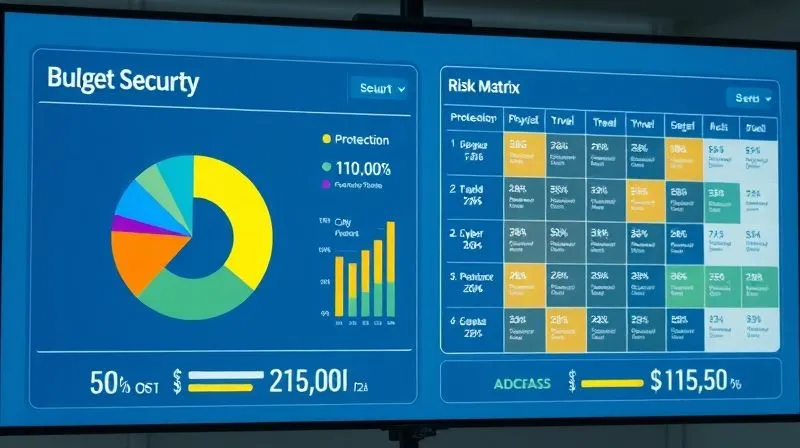
The conversation around executive protection often boils down to cost. However, I always frame it as an investment in business continuity and organizational resilience. The potential costs of a security incident – legal fees, reputational damage, operational disruption, and the immeasurable human cost – far outweigh the proactive investment in protection.
Presenting a clear return on investment (ROI) by quantifying potential losses averted and demonstrating enhanced leadership focus can help secure the necessary budget. According to a Forbes article on cybersecurity ROI, showing the financial implications of risk is key to gaining executive buy-in.
Cost-Effective Strategies
While executive protection isn't cheap, it doesn't have to break the bank. Smart resource allocation involves:
- Tiered Protection: Not all key personnel require the same level of protection. A tiered system based on risk profiles can optimize resource deployment.
- Leveraging Existing Resources: Integrate corporate security teams, IT departments, and HR into the protection framework where appropriate.
- Technology Adoption: Smart use of technology can reduce the need for larger human teams in certain areas.
- Strategic Outsourcing: For specialized tasks like international travel security or advanced threat intelligence, partnering with expert third-party firms can be more cost-effective than building in-house capabilities.
Frequently Asked Questions (FAQ)
What's the difference between personal security and executive protection? While often used interchangeably, personal security typically refers to individual, often overt, protection services. Executive protection, however, is a more holistic, discreet, and proactive approach designed for corporate leaders. It integrates physical security with threat intelligence, cybersecurity, travel risk management, and crisis response, all tailored to the executive's role within an organization and its broader operational context. It's about protecting the asset (the executive) for the benefit of the enterprise.
How often should threat assessments be updated? Threat assessments should be dynamic and continuous. I recommend a formal review at least quarterly, or immediately whenever there are significant changes in the executive's profile, travel plans, public exposure, or the geopolitical landscape. Ad-hoc assessments are crucial after any incident, no matter how minor, to learn and adapt.
Can small businesses afford executive protection? Absolutely. While a small business might not have the budget for a full-time, multi-person security detail, they can implement scalable and cost-effective measures. This could include robust cybersecurity for executives, pre-travel briefings, secure communication protocols, and engaging specialized consultants for critical threat assessments or crisis planning. The key is to prioritize risks and allocate resources strategically.
What role does HR play in executive protection? HR plays a vital, often underestimated, role. They are crucial in managing insider threats, handling disgruntled employee situations, conducting background checks for new hires, and supporting executives and their families during and after incidents. HR also helps integrate security policies with company culture, ensuring that protection measures are understood and accepted rather than seen as intrusive.
How do we balance executive protection with privacy? This is a delicate balance and requires clear communication and trust. The goal is to implement protection measures that are effective yet minimally intrusive. This often means focusing on discreet surveillance, secure communications, and robust digital hygiene rather than overt, constant physical presence. Transparency with the executive about the 'why' behind each measure, and involving them in the planning process, can help alleviate privacy concerns.
Key Takeaways and Final Thoughts
- Proactive is Paramount: Waiting for an incident to occur is a recipe for disaster. A truly effective executive protection plan is built on foresight and continuous adaptation.
- Holistic Approach: Protection extends beyond physical security to include cyber resilience, reputational management, and robust crisis response.
- Tailored Solutions: One size does not fit all. Each executive and organization requires a bespoke plan based on specific risk profiles.
- Invest in Expertise: The human element – skilled protection specialists and expert consultants – is irreplaceable, amplified by smart technology.
- Continuous Evolution: The threat landscape is dynamic. Your protection plan must be a living document, constantly reviewed, updated, and drilled.
In my experience, understanding how to structure executive protection plans for key personnel isn't just about safeguarding individuals; it's about fortifying the very resilience and continuity of your organization. It's a strategic imperative that speaks volumes about a company's commitment to its leadership and its future. By embracing these pillars, you empower your key personnel to lead confidently, knowing they are protected by a comprehensive, expertly designed shield. Invest wisely, plan meticulously, and protect your most valuable assets.
Recommended Reading
- 5 Proven Strategies: Mitigating Stablecoin De-Pegging Risk in Business
- 7 Proven Strategies: Minimizing Estate Tax on Illiquid Family Business Assets
- 7 Pro Strategies: Fund Career Development Trips Without Debt
- 7 Proven Strategies: Preventing Behavioral Biases from Undermining Returns
- 5 Proven Strategies: Overcoming Historic Property Insurance Denial





Comments
Leave a comment below. Your email will not be published. Required fields marked with *